How Local Conditions Play In
Modesto sits in a severe heat band
And most of the houses in this service area went up between 1945 and 2000, with the median build year landing around 1987. That gap matters more than people think. Insulation requirements for garage doors weren't standard practice when a lot of this stock was framed. Across the roughly 20 named areas that make up the broader service territory, you'll find the same pattern repeating: single-layer steel or old wood panel doors hung on houses that predate the thermal codes builders follow now.
A door with no insulation doesn't just make the garage hot
In a Central Valley summer, an uninsulated steel door absorbs heat all afternoon and radiates it straight into the garage, and if that garage shares a wall with living space, the AC on the other side of that wall works harder than it should. This isn't a defect in the door. It's a door doing exactly what it was built to do, in a climate that's asked more of it since.
We see this most in the older pockets closer to where original doors from the 60s and 70s are still on their first opener
Let alone their first panel set.
The Situation
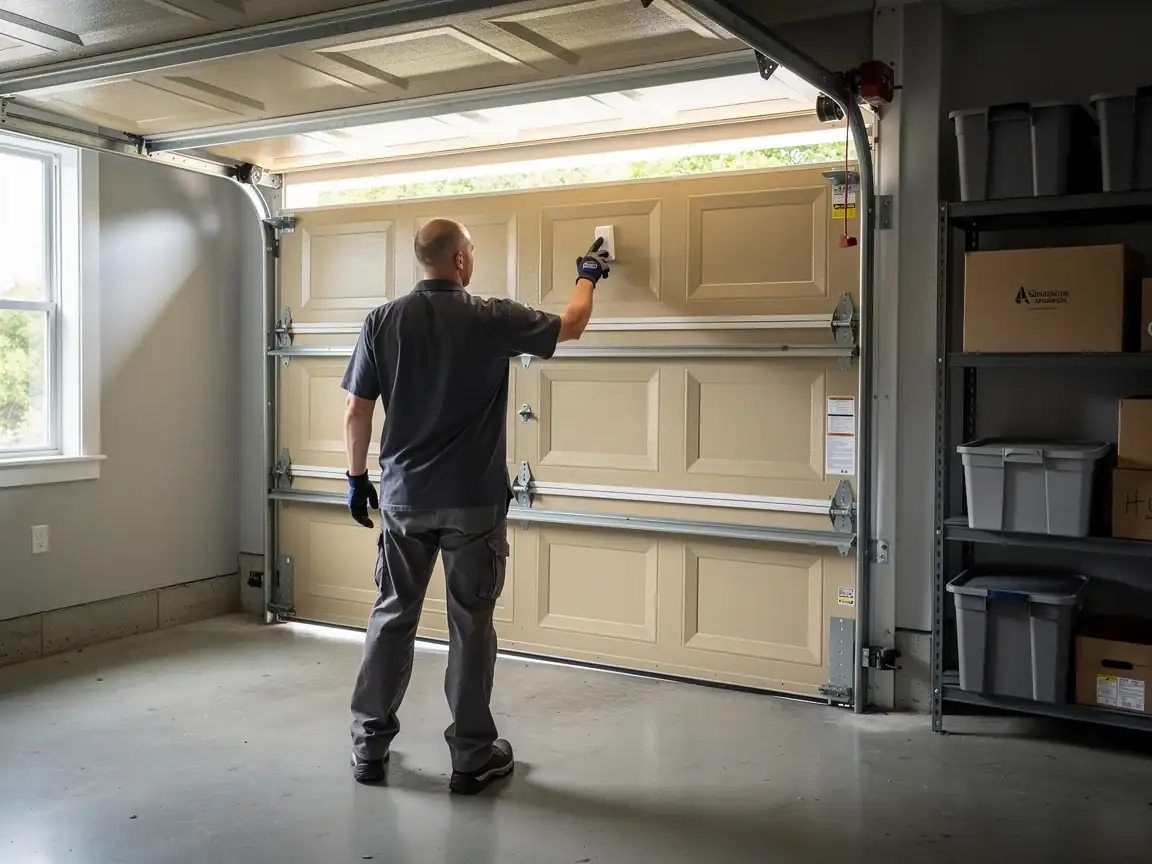
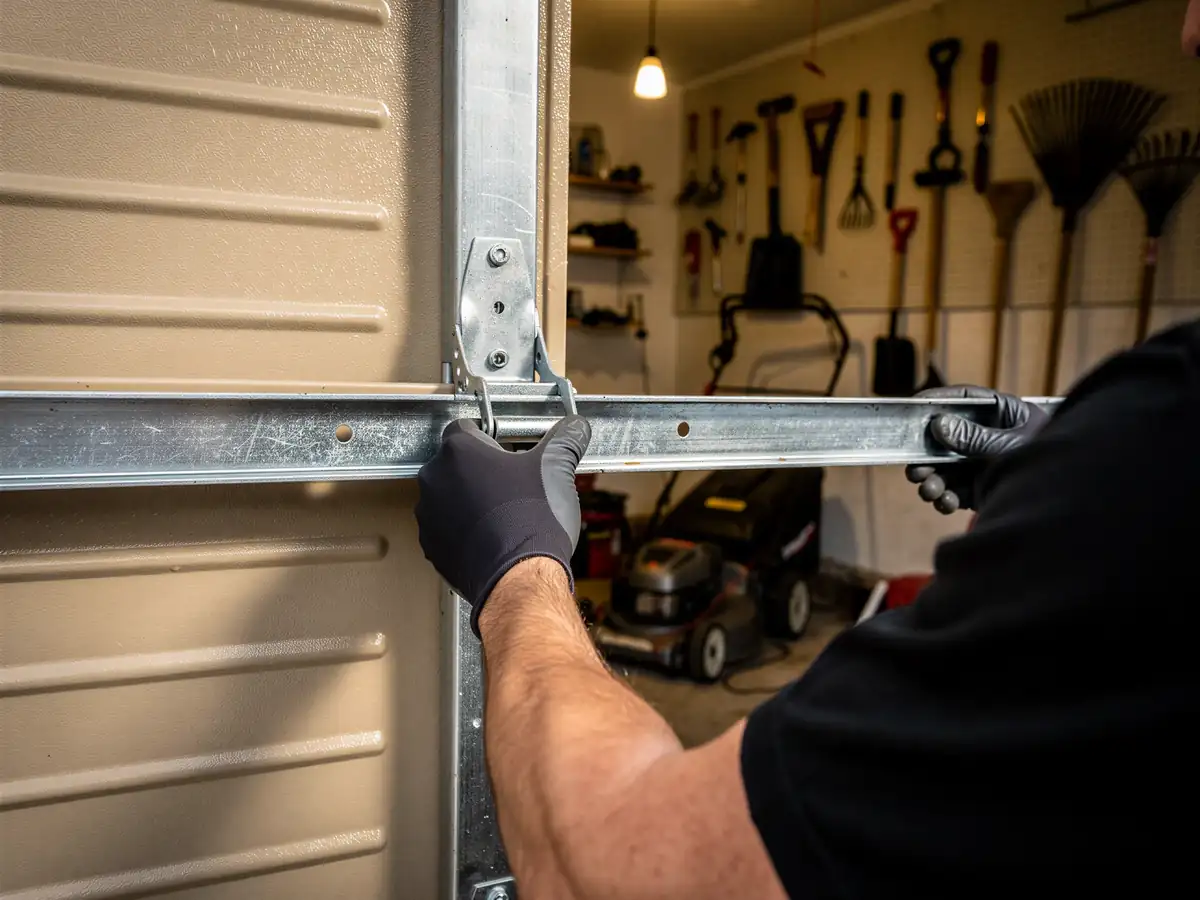
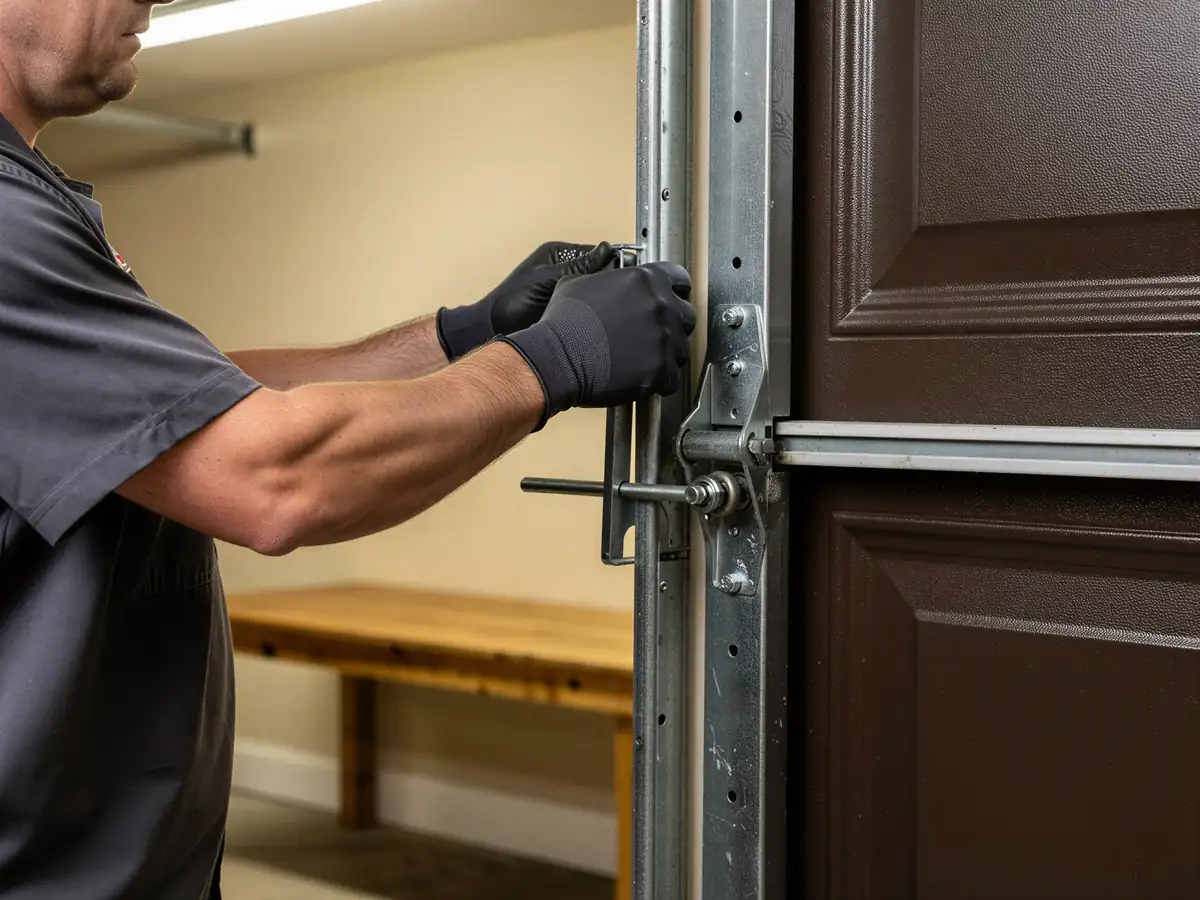
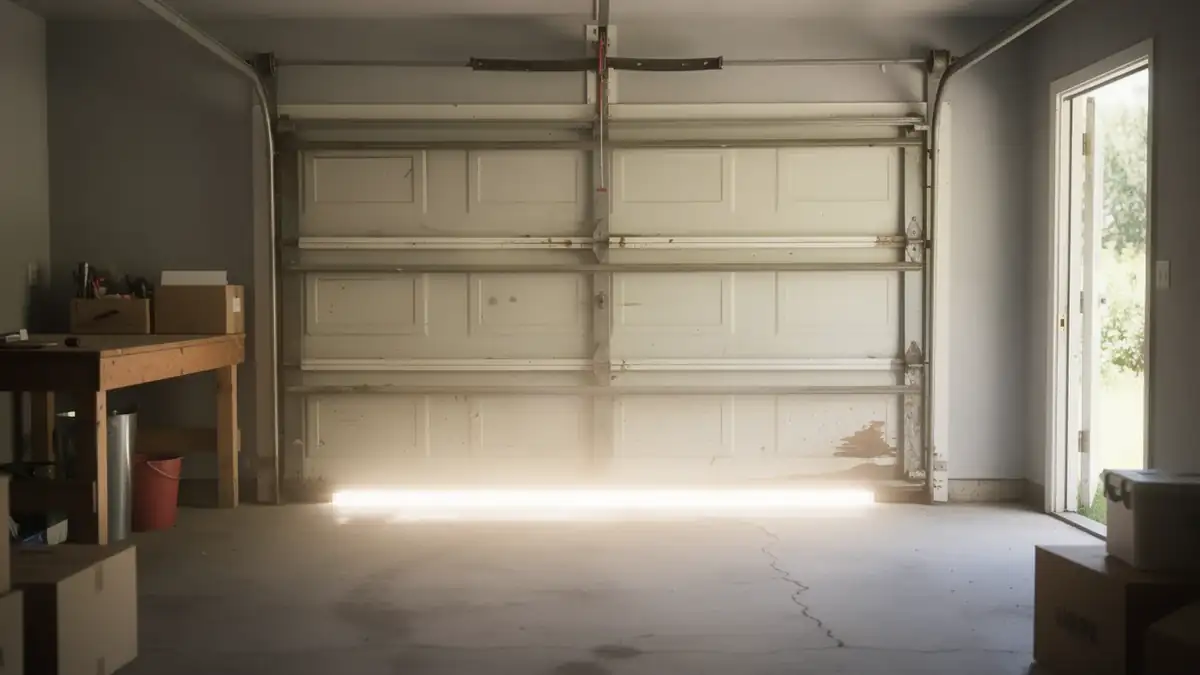
An uninsulated door from the 1970s or 80s isn't likely to fail outright - steel holds up. What fails is the seal. Weatherstripping dries out, the bottom astragal cracks, and gaps open up along the sides where the track has shifted slightly over three or four decades of thermal cycling. In a severe heat climate, that expansion and contraction happens every single day, not just a few weeks a year.
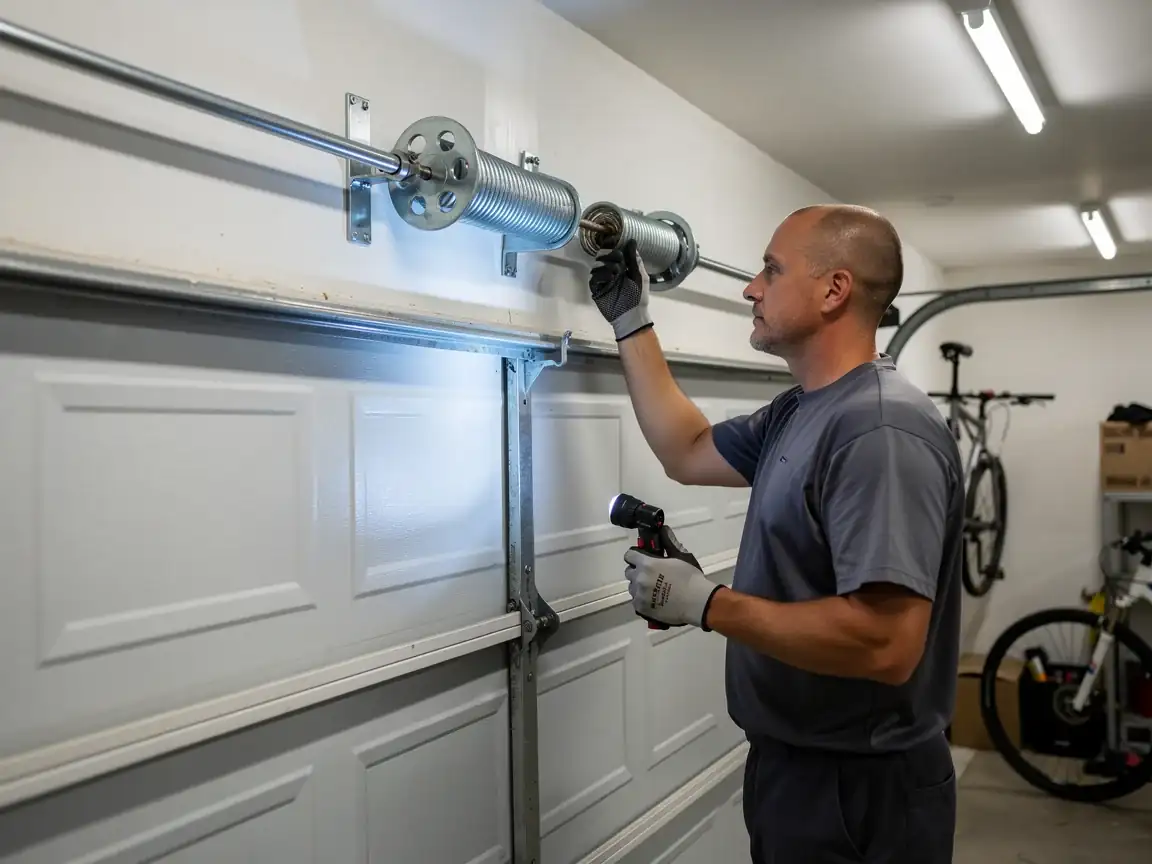
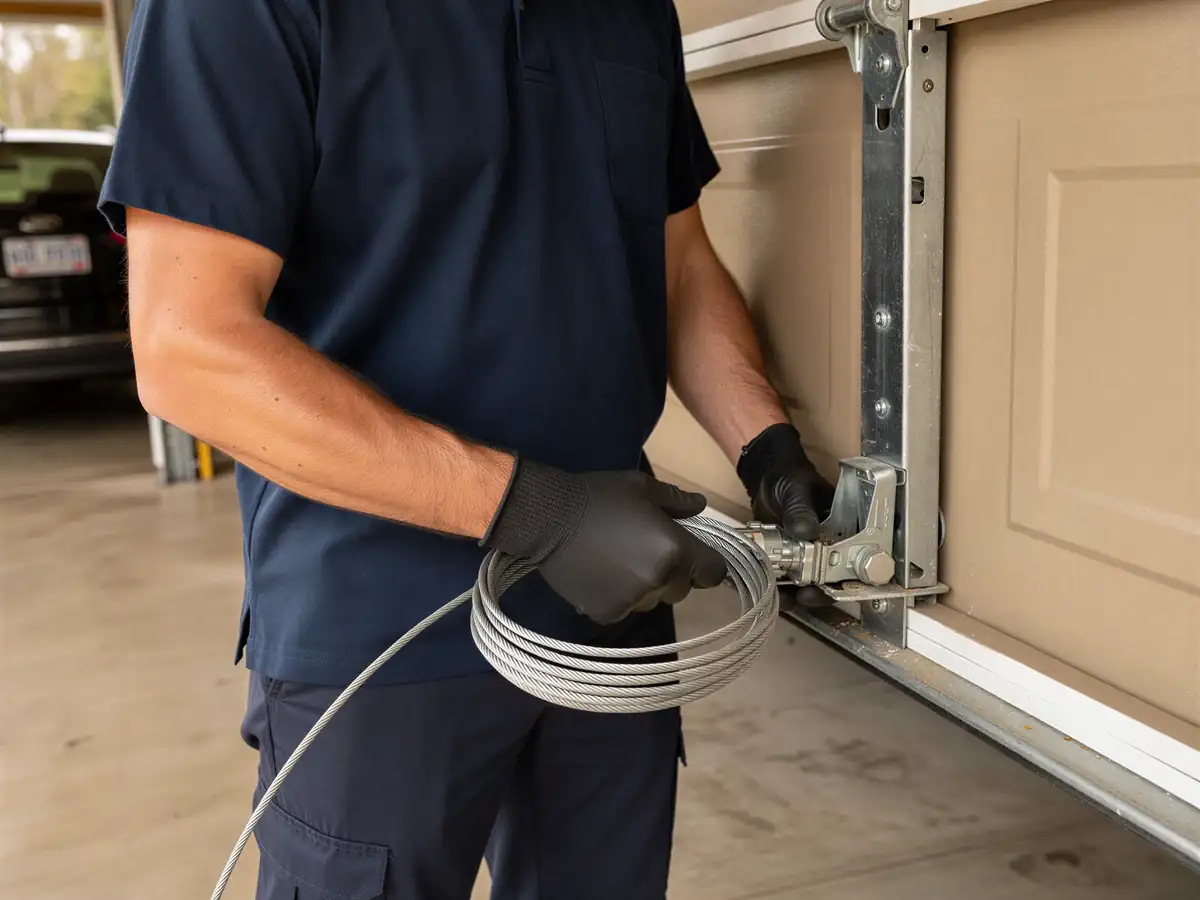
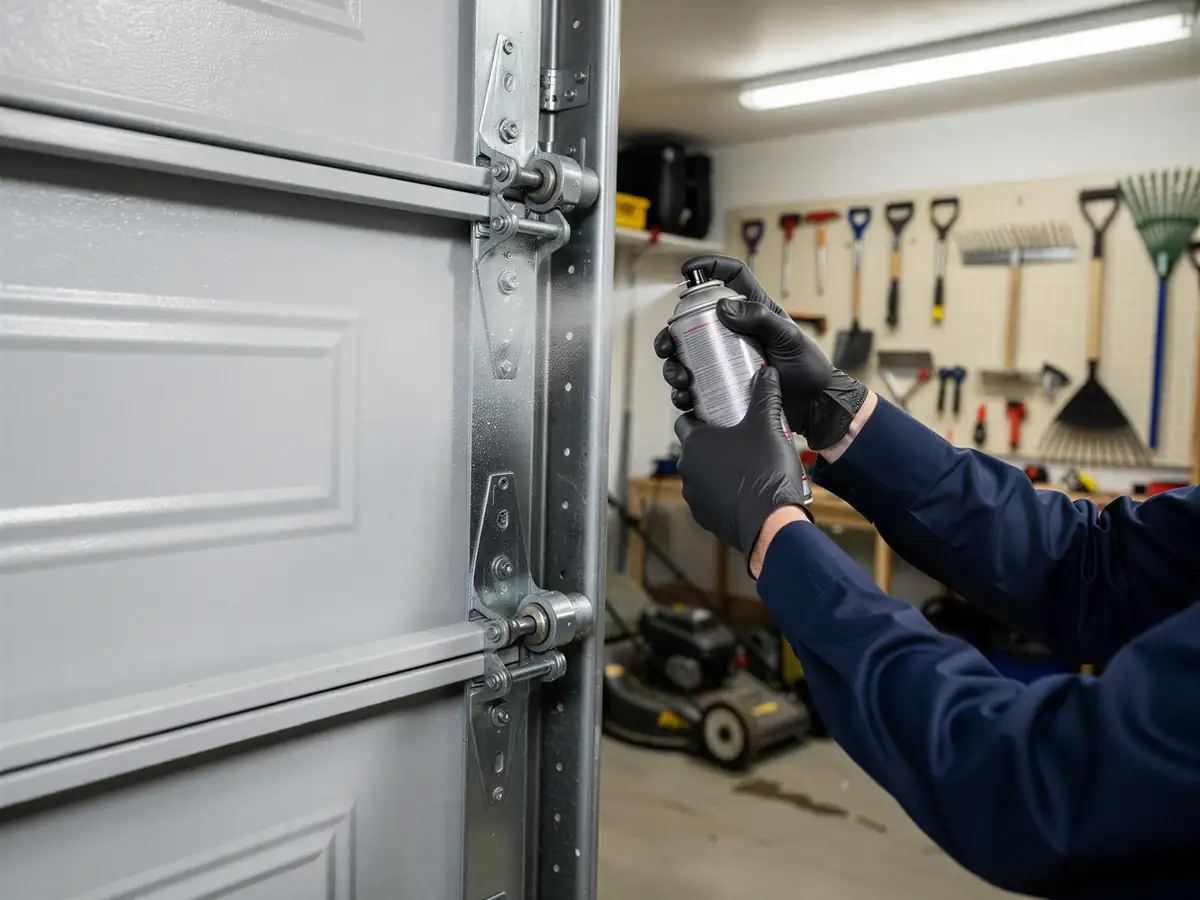
The other thing that shows up on median-1987 housing stock is hardware that was never designed for a heavier retrofit door. If a homeowner swapped in a heavier insulated door later without upgrading the springs, the opener strains and the torsion spring wears faster than it should. We find this a lot on doors that look newer than the house around them - somebody already tried to fix the insulation problem once, and the fix introduced a second problem.
None of this is unique to one street or one subdivision. It's a function of when this part of the Valley was built out, and it shows up from the Airport-area tracts to houses further out toward Salida and Empire.
What It Costs
We don't have a flat number to give you here, and we're not going to make one up. Cost on these jobs depends on whether you're resealing an existing door, adding insulation panels to a door that's structurally fine, or replacing the door outright because the steel has pitted or the panels have warped from decades of heat exposure. A door built before insulation rules existed can sometimes be retrofitted. A door that's also undersized for a modern opener usually can't be, not economically.
The honest limitation: we won't quote a repair over the phone sight unseen on a door we haven't looked at, especially on older stock where the spring size, track gauge, and panel material vary house to house even on the same block. What we can tell you is that the age bracket this region falls into - mostly 1980s and 90s construction - means parts availability is usually fine. These aren't rare doors. The springs and rollers are common sizes. It's the labor and the insulation retrofit, not scarce parts, that drive most of the cost difference.
Where People Go Wrong
The most common mistake is treating a heat problem as an opener problem
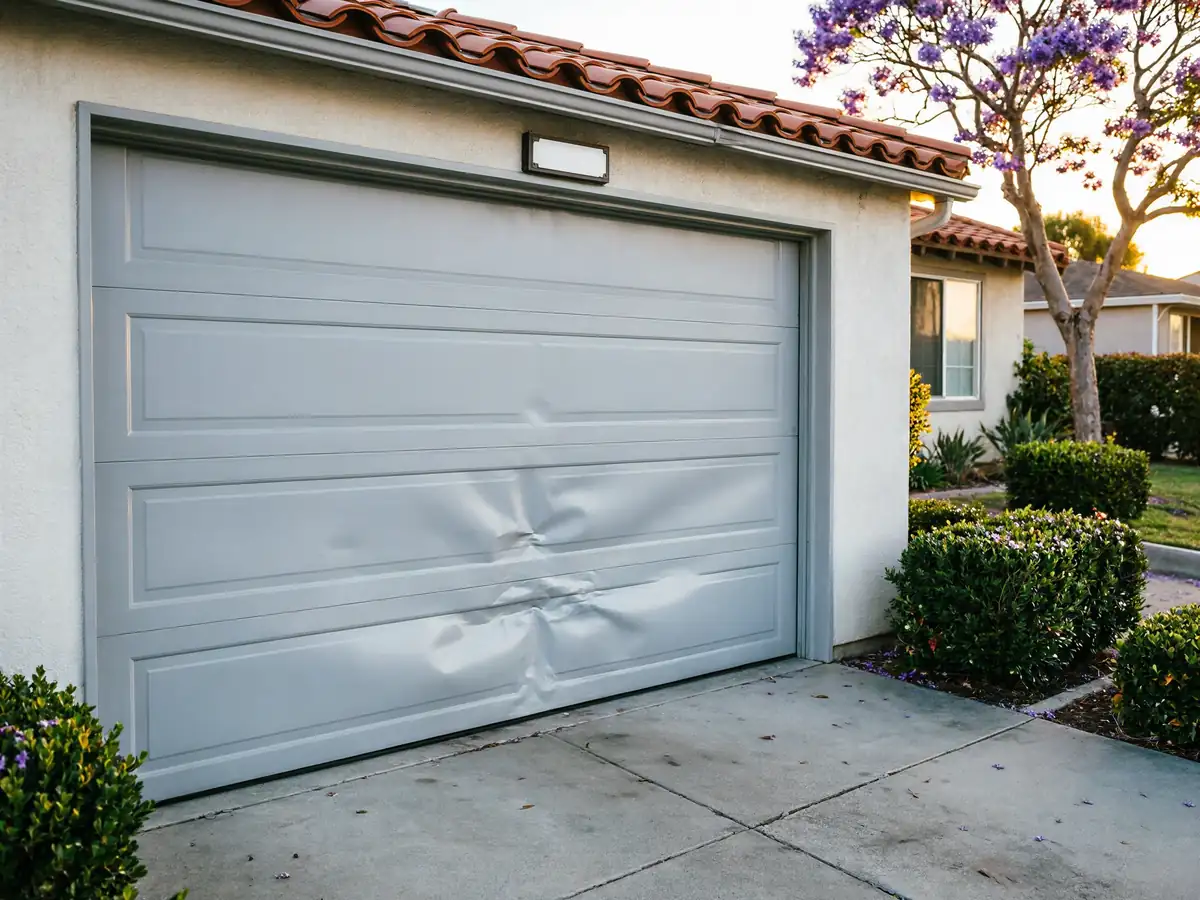
Homeowners replace the opener because the door feels sluggish in August, when the real issue is a warped panel or dried-out seal letting heat in and making the motor work against expansion in the track. Swapping the opener doesn't fix that.
The second mistake is insulating a door that's past the point of insulating
If the panels are already pitted or the seams have separated from forty years of heat cycling, adding foam board or a retrofit kit buys a year or two, not a real fix. On houses built in the earlier part of this region's 1945-2000 range, we'd rather tell you that straight than sell you a patch.
The third: ignoring the spring when upgrading the door
A heavier insulated replacement on old torsion hardware sized for a lighter panel is a strain that shows up as a snapped spring eighteen months later, not immediately - which is exactly why people don't connect the two.