What the Housing Means for Your Door
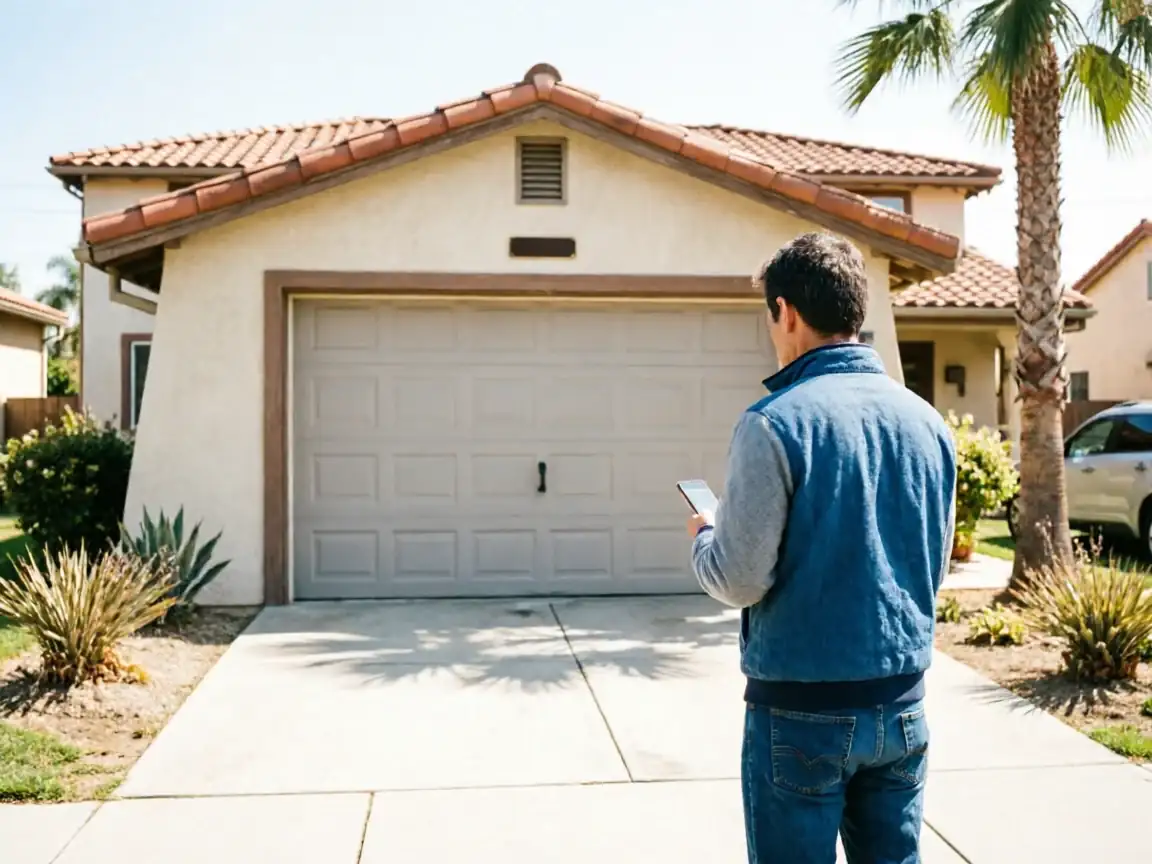
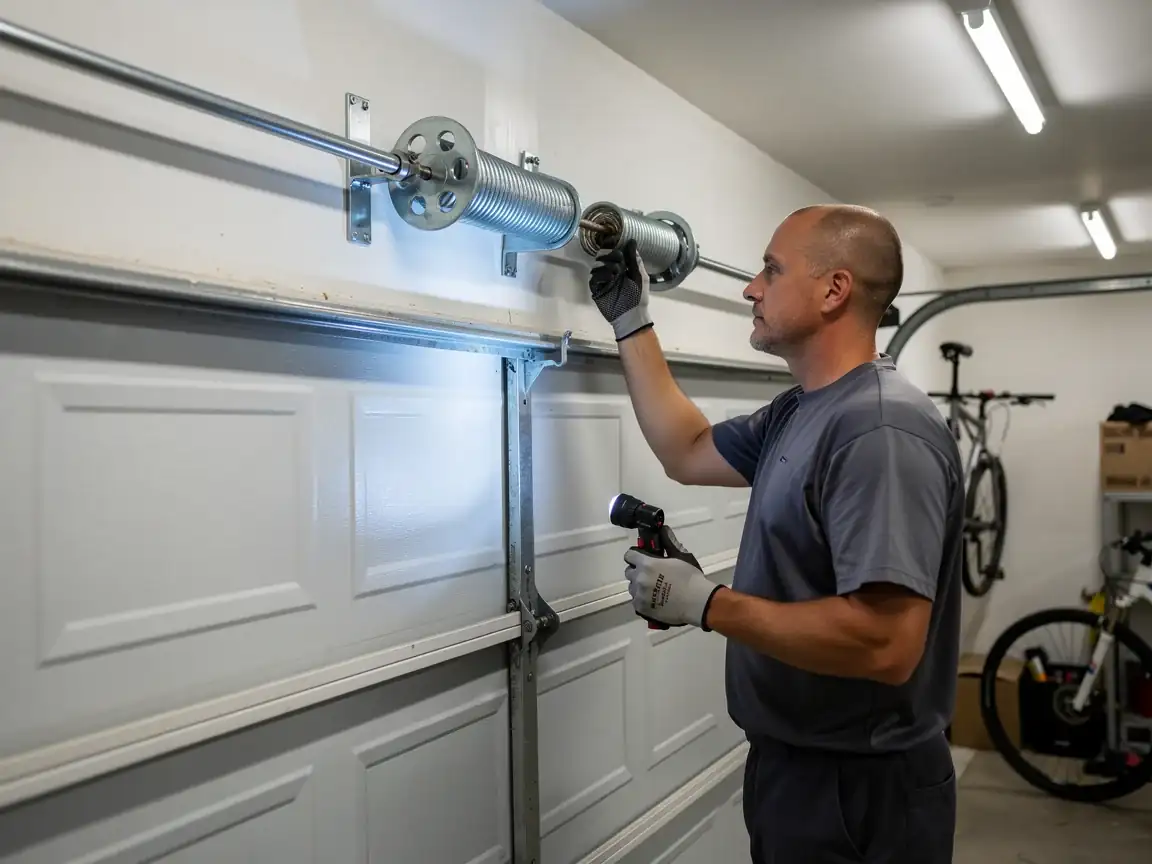
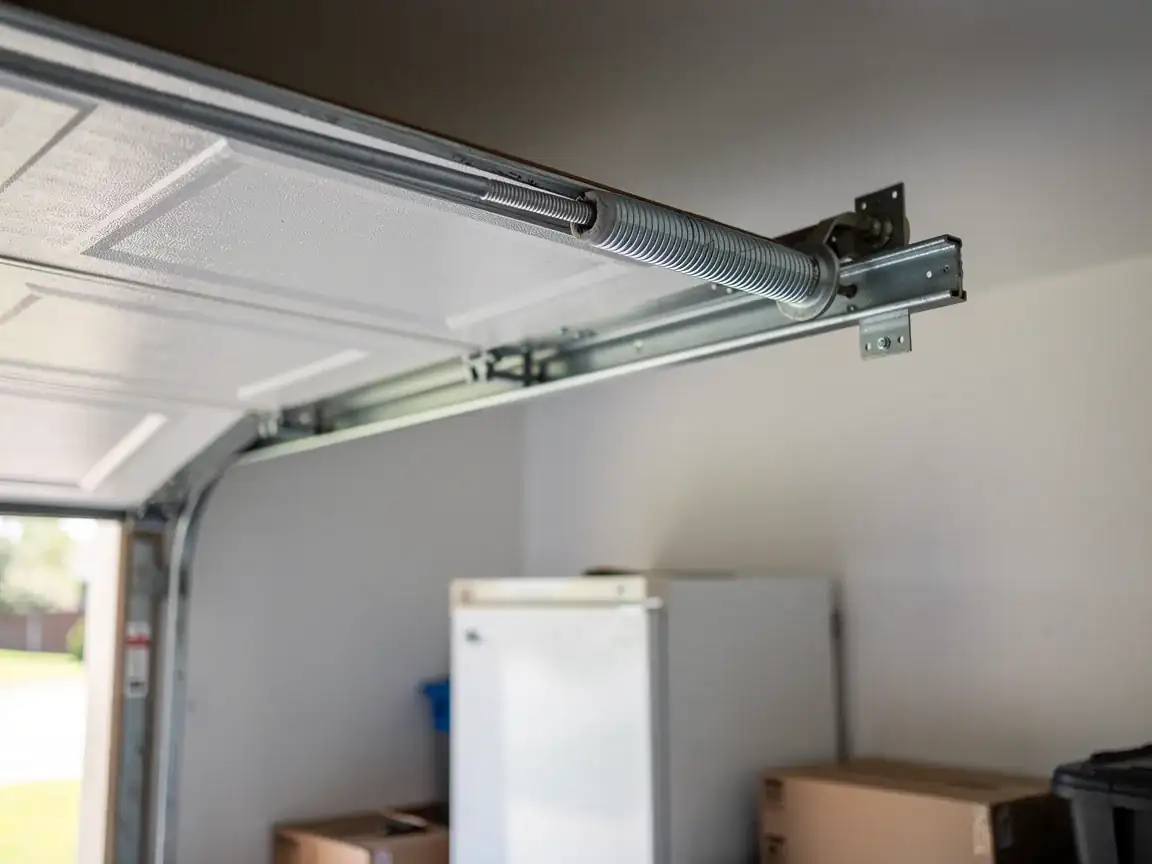
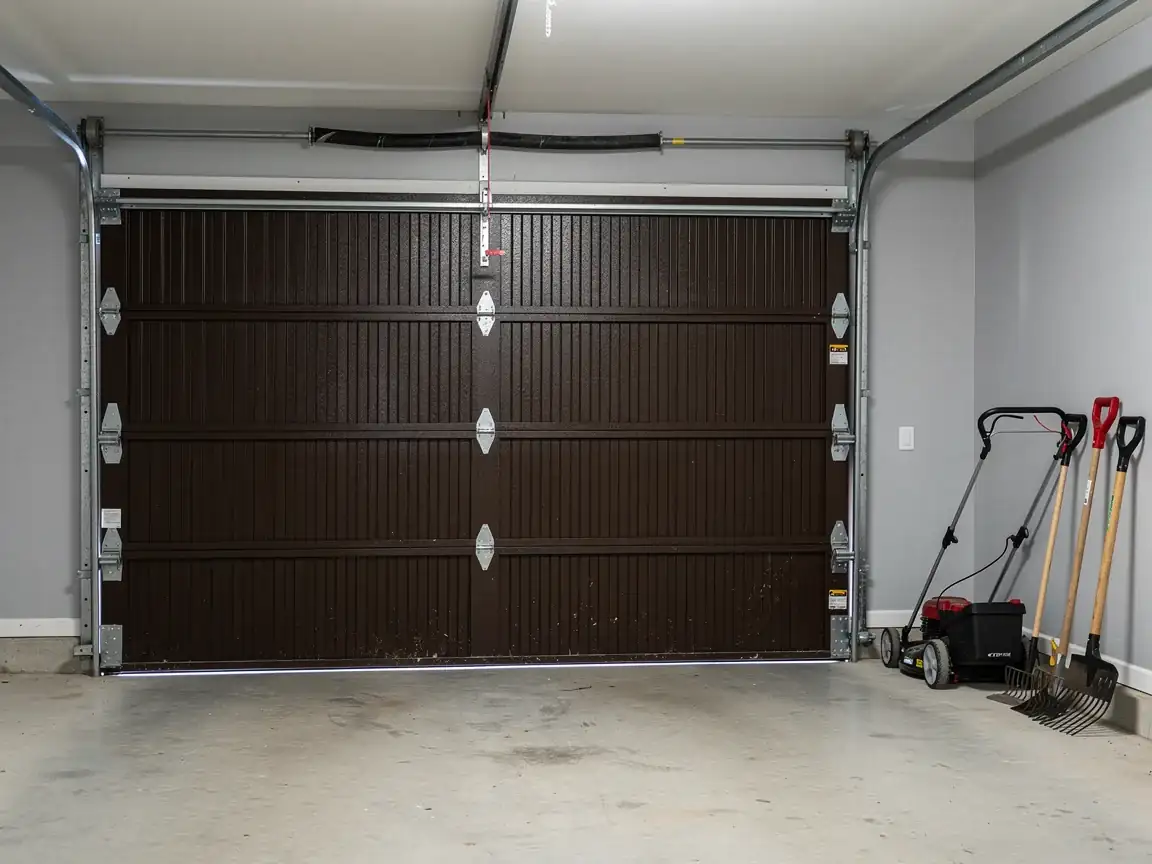
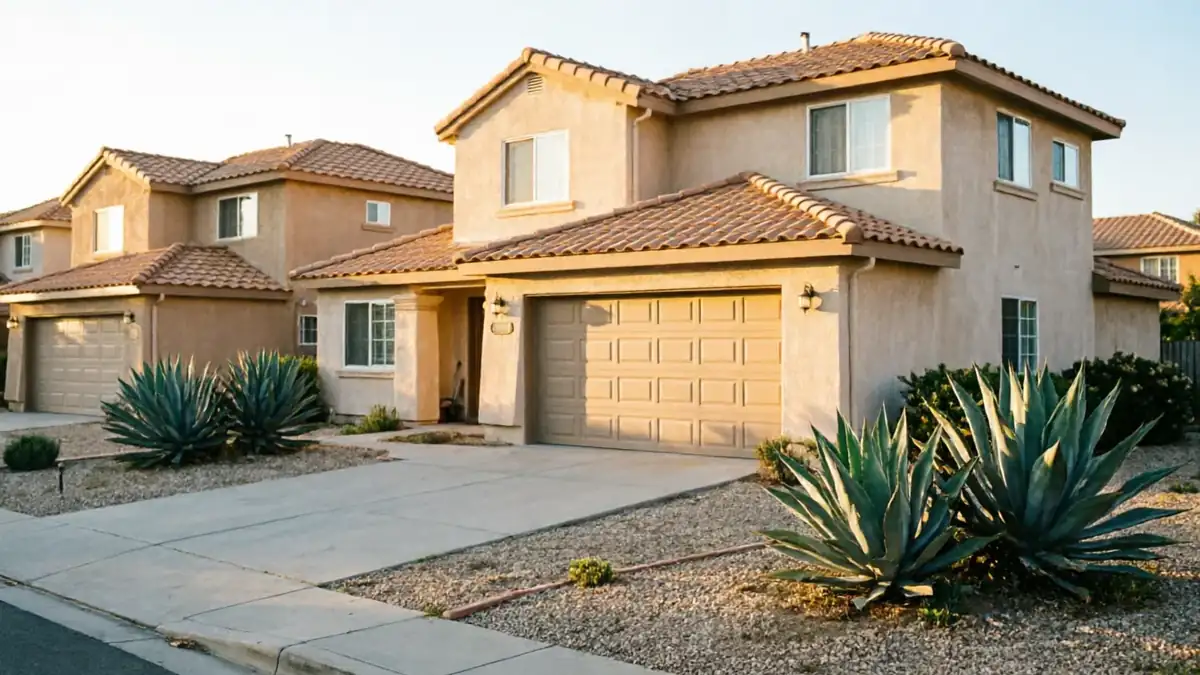
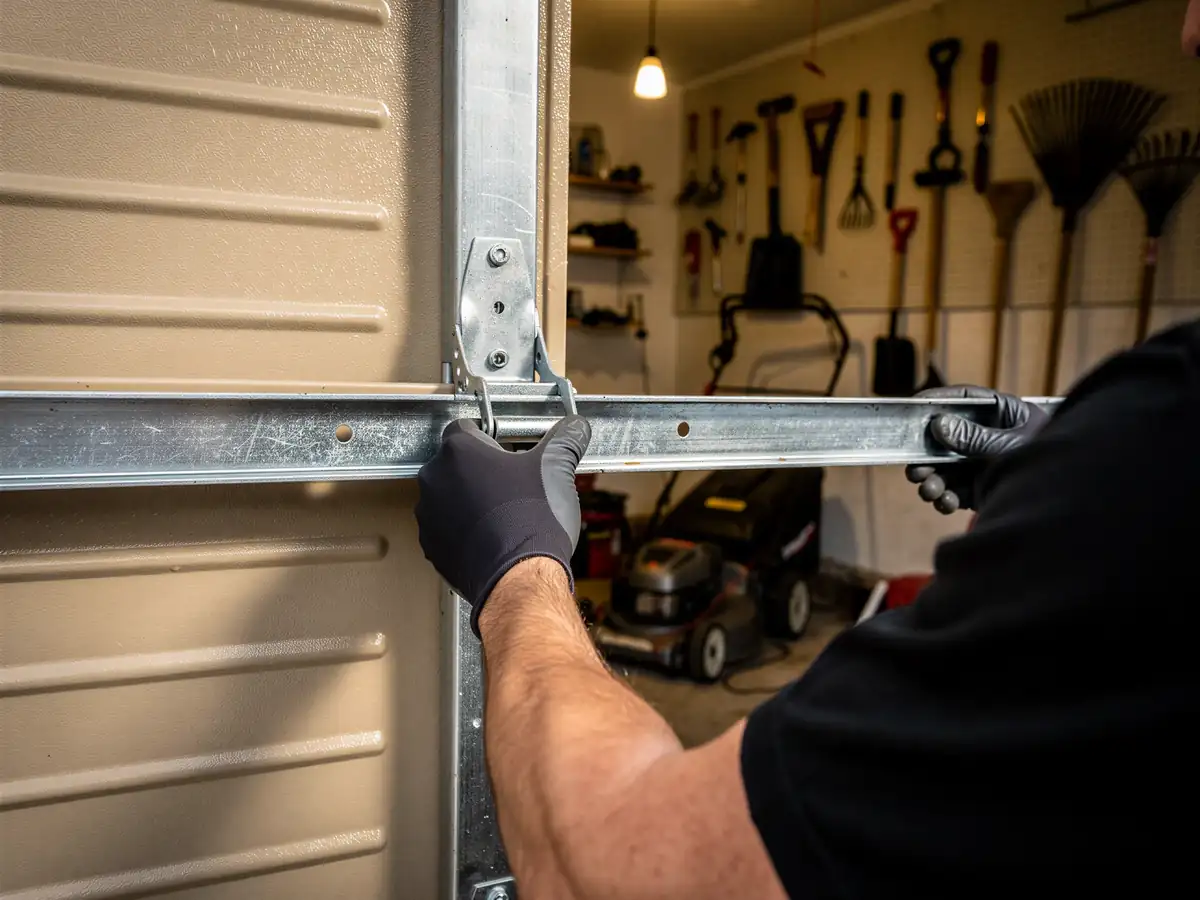
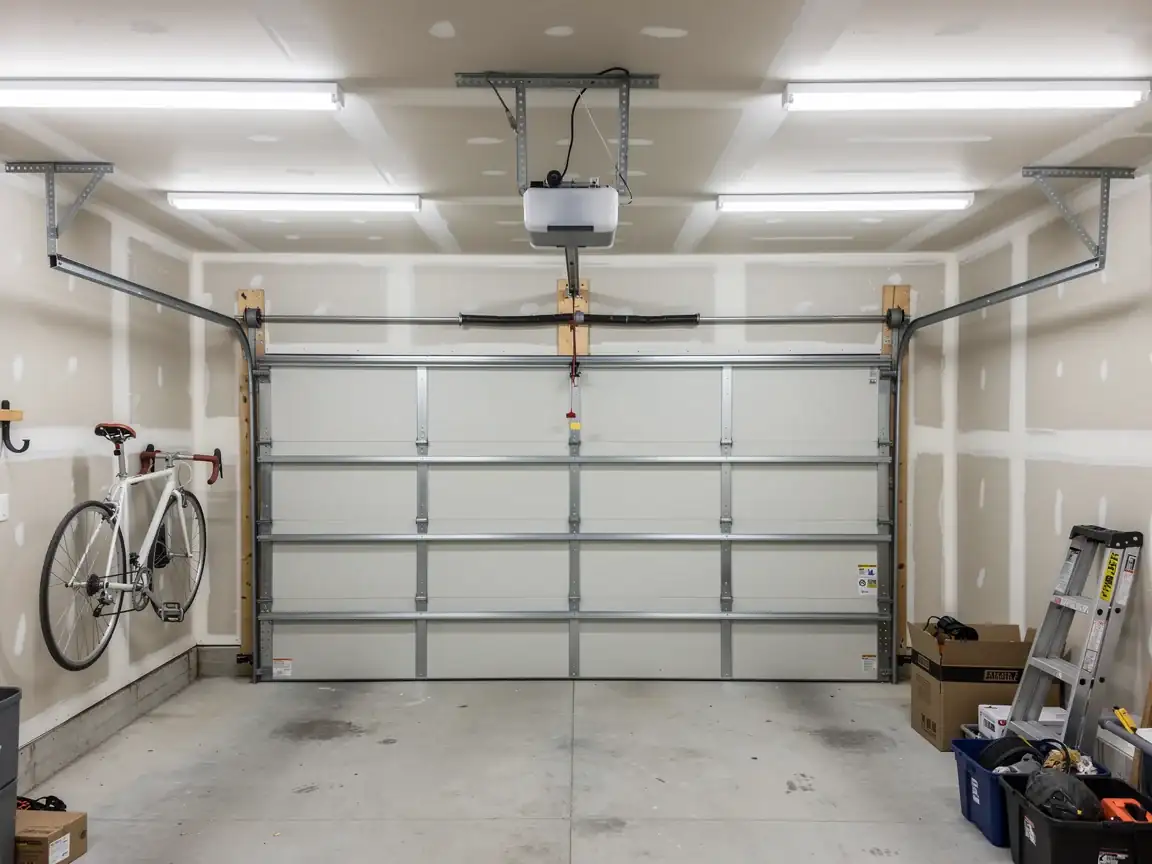
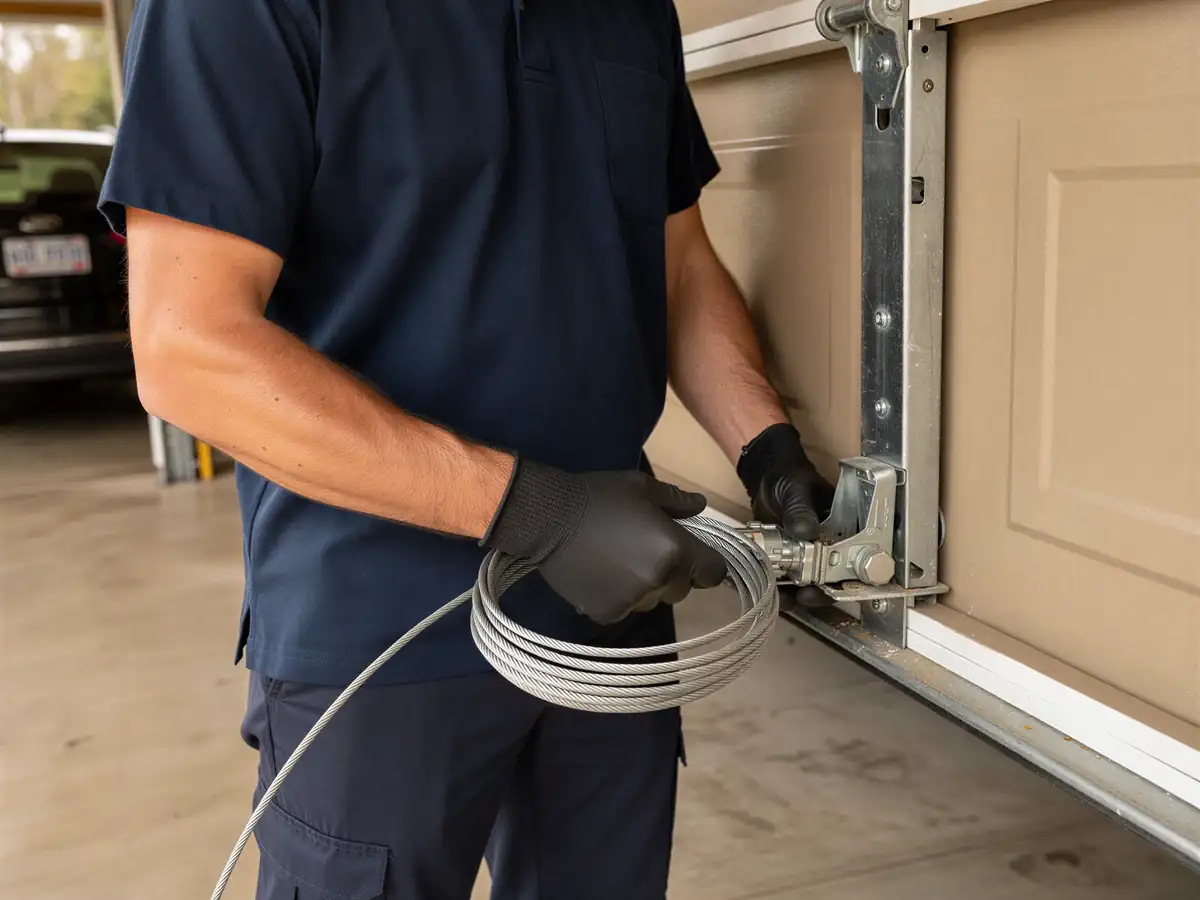
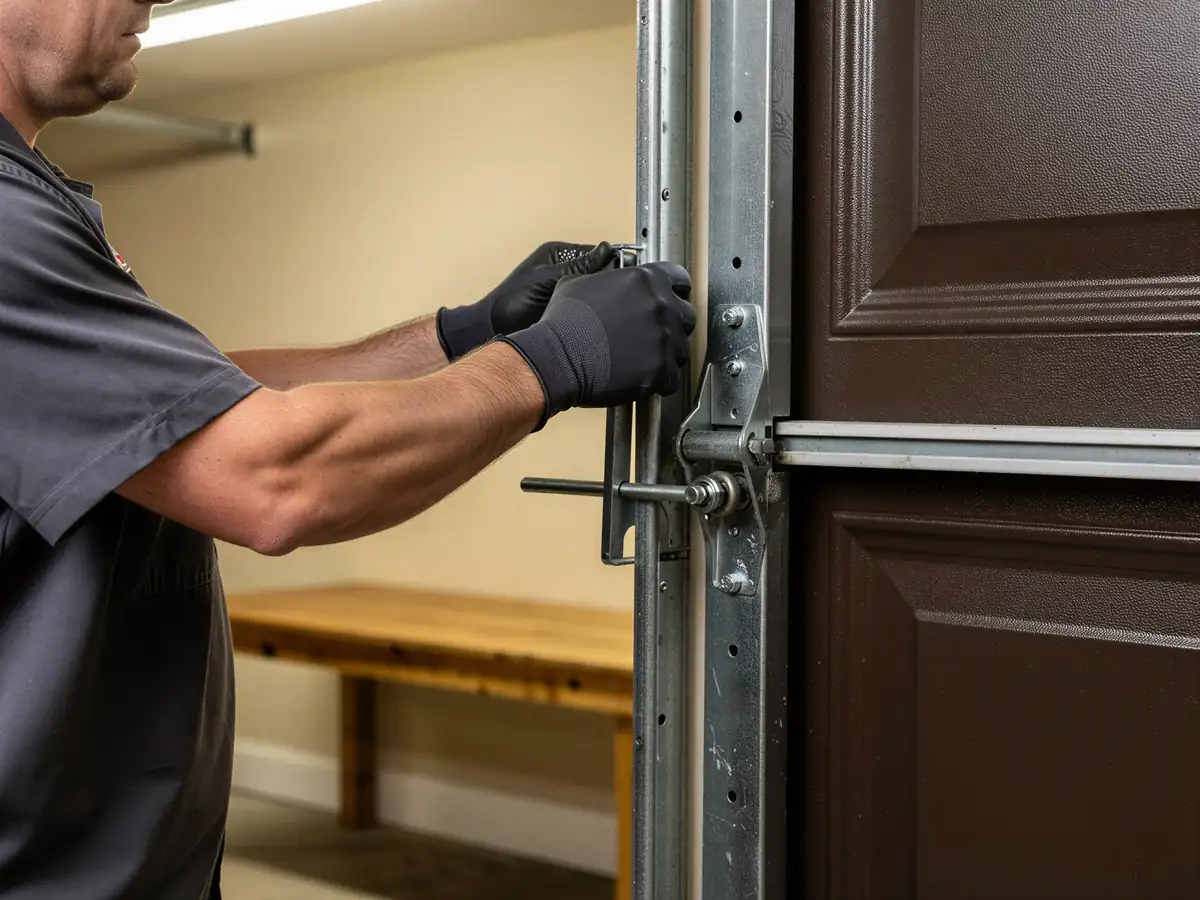
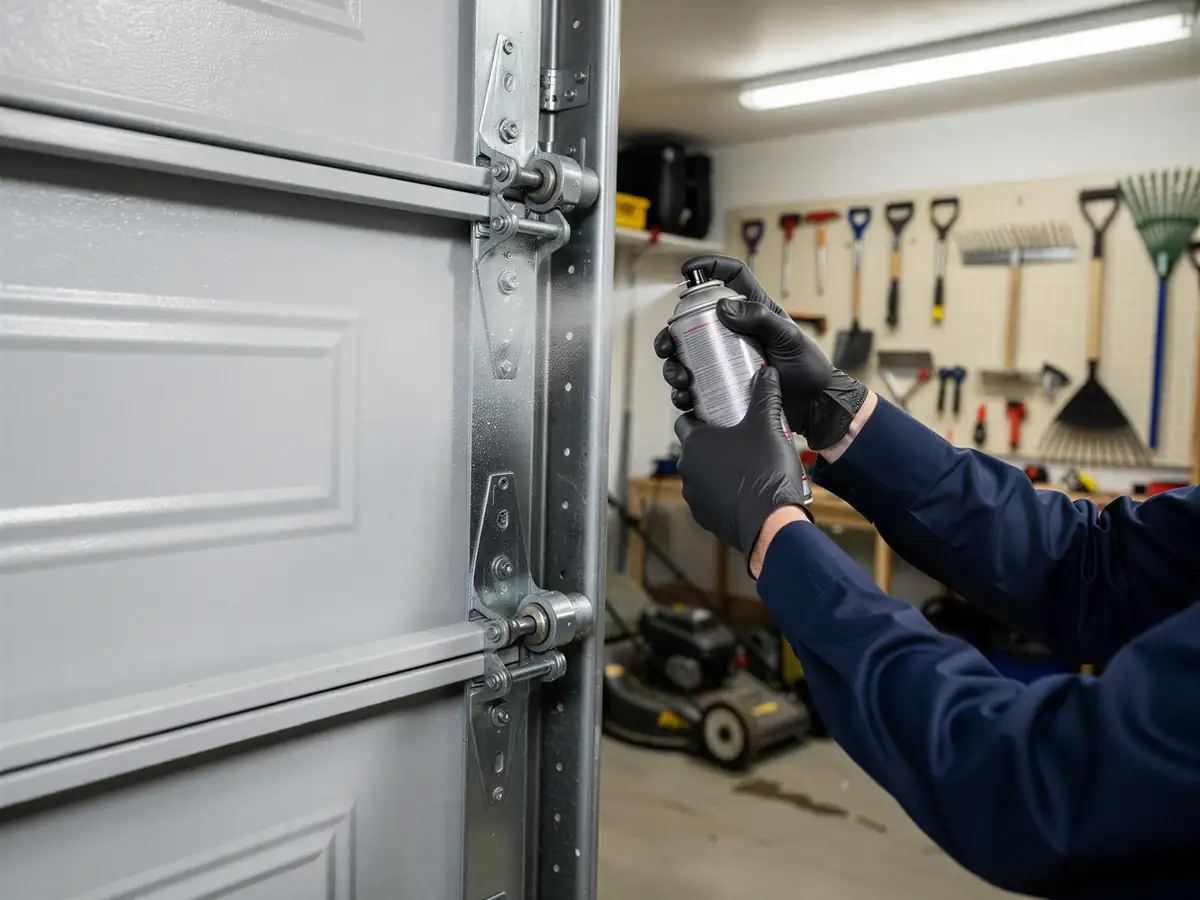
Patterson's housing stock runs younger than most of what we see closer to Modesto - the median build year here lands around 2000, a solid 13 years newer than the service-area median of 1987. That matters more than people expect. A door built in 2000 or after almost always came with a factory torsion system mounted on a steel header, not the older extension-spring setups bolted to the side walls that you'll still find on 1980s houses elsewhere in the area. The failure points are different too: on these newer setups we're usually dealing with worn rollers, a stretched cable, or a logic board that's aged out on the opener, not the rusted-through side brackets and mismatched replacement springs that show up on older stock. If your Patterson garage is acting up, odds are decent it's a part with a known failure pattern rather than a structural issue with the door itself.
What Was Built Here
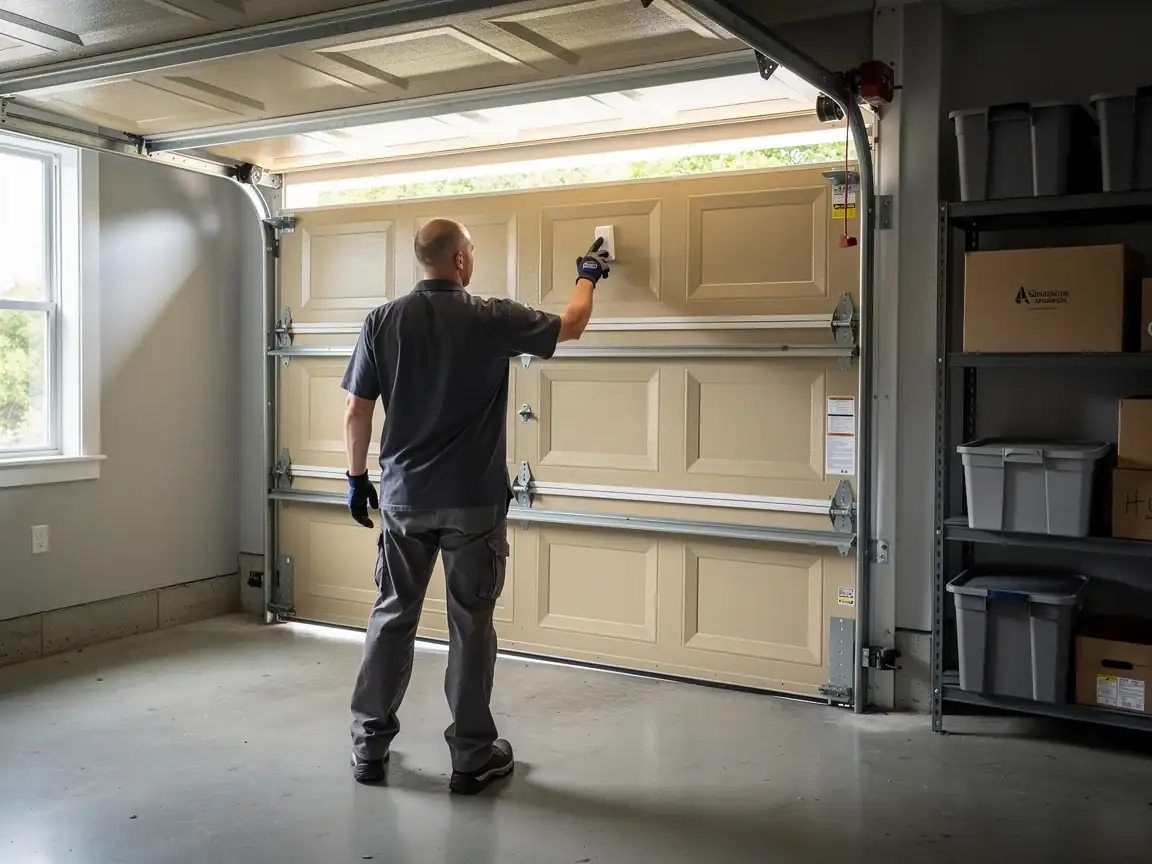
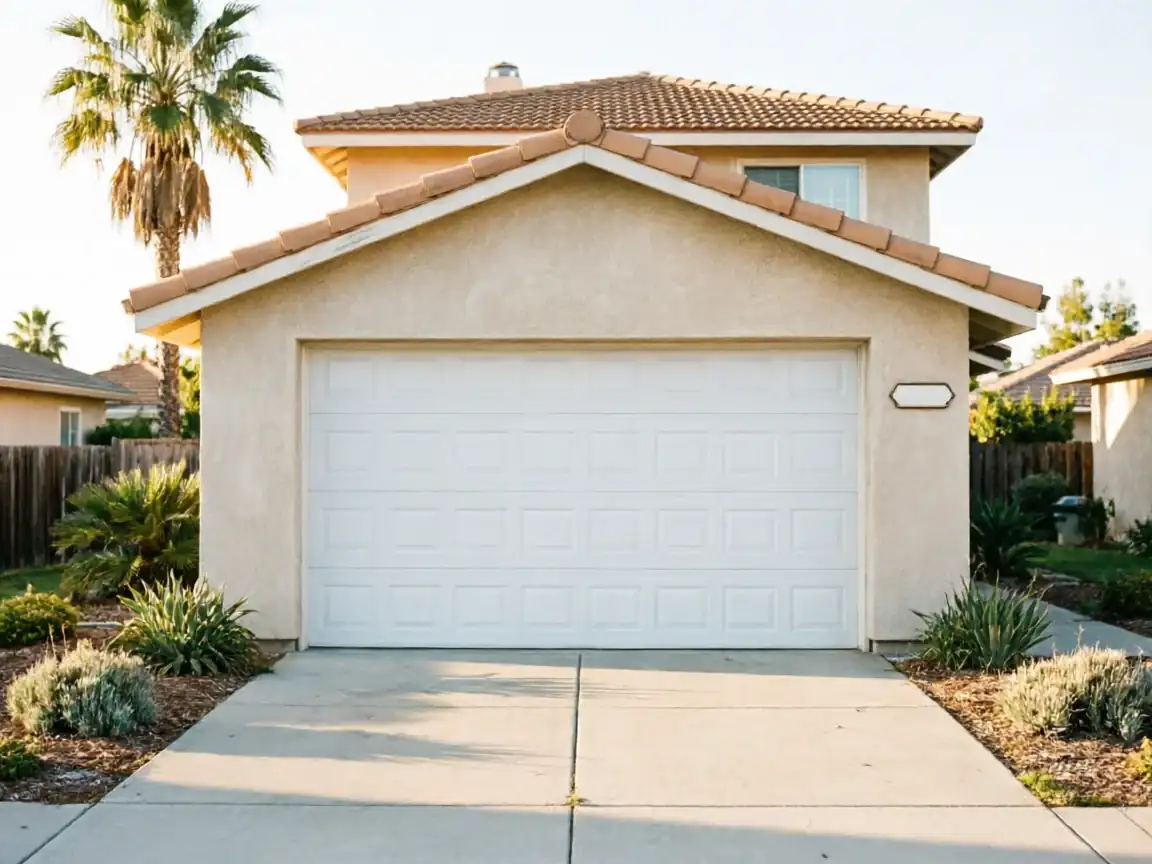
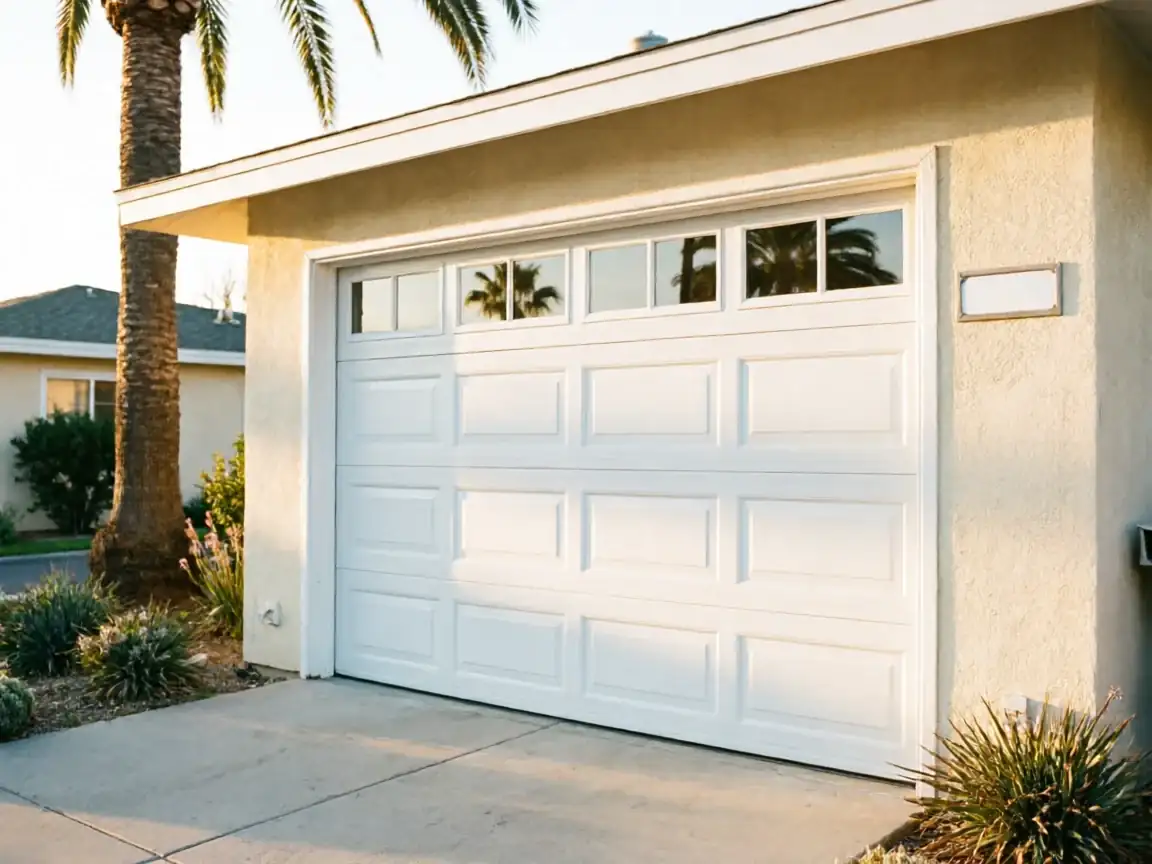
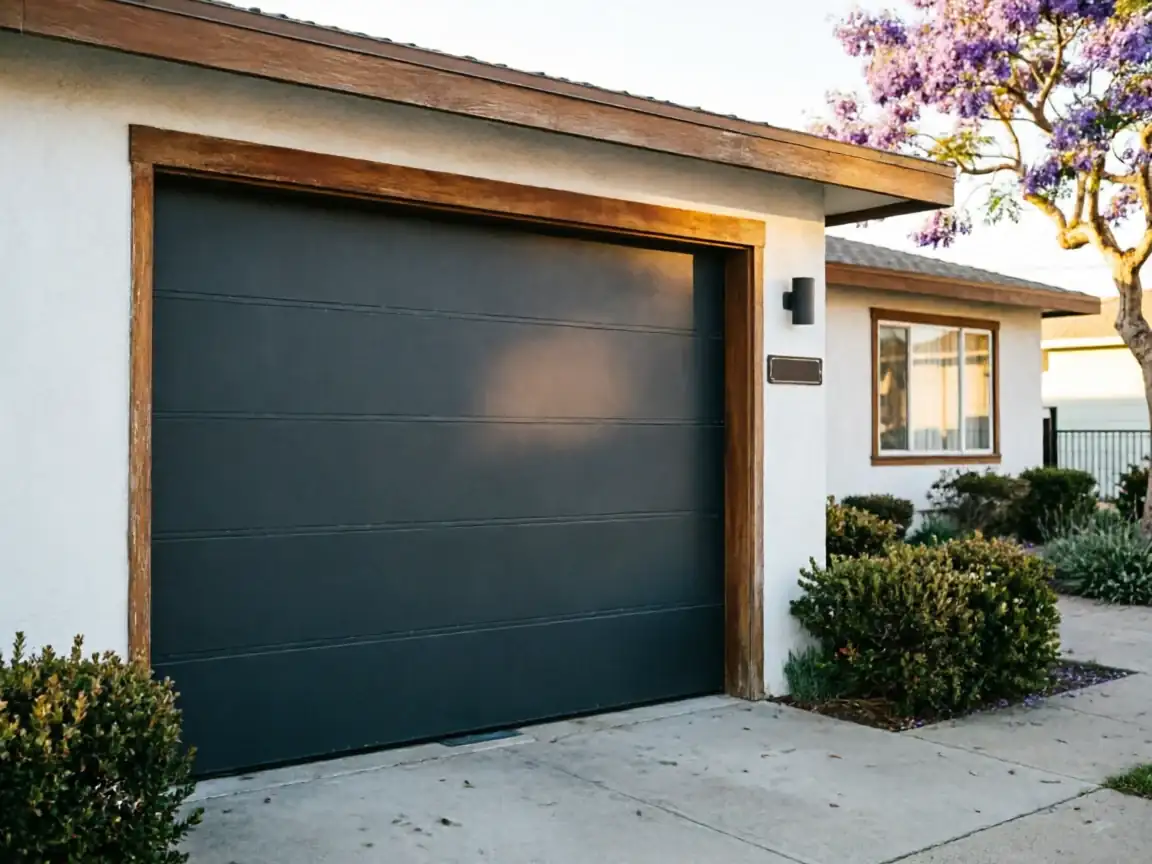
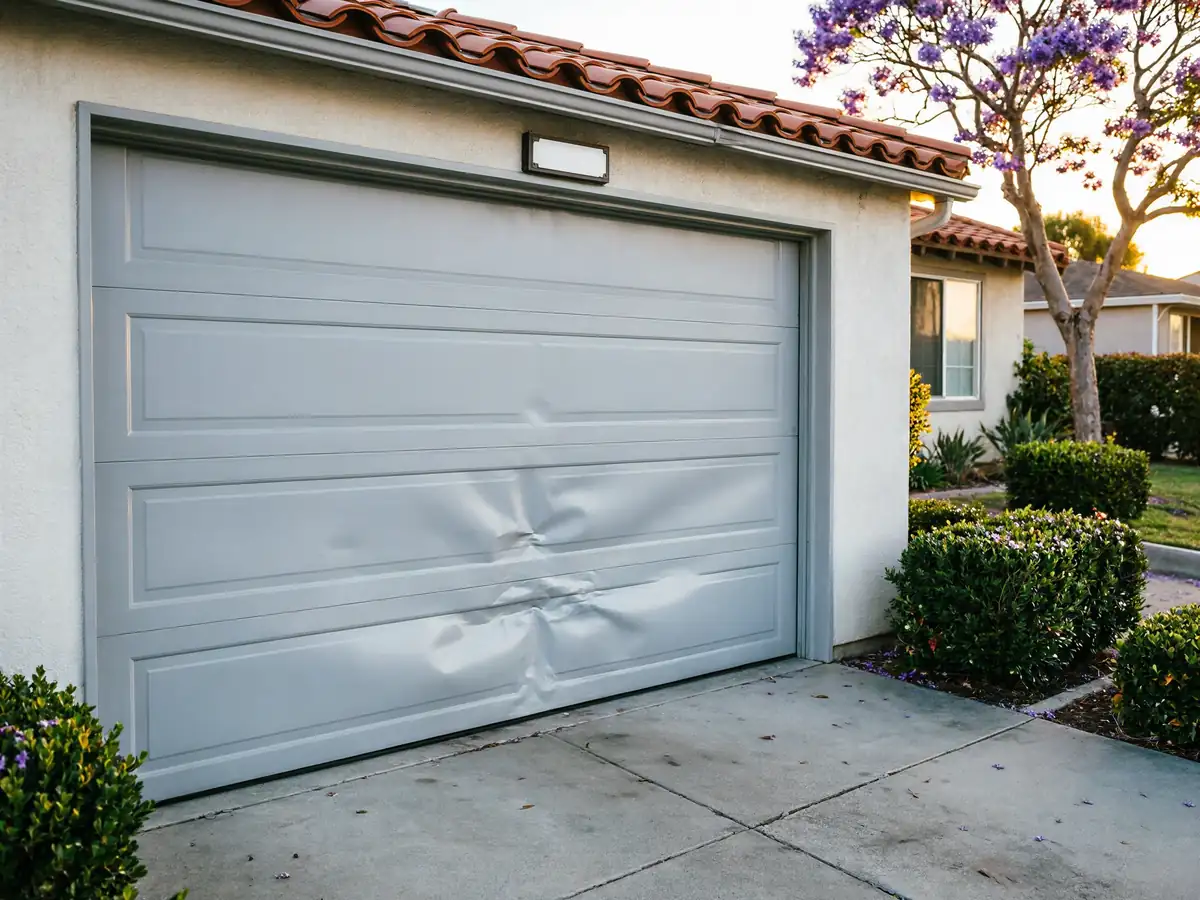
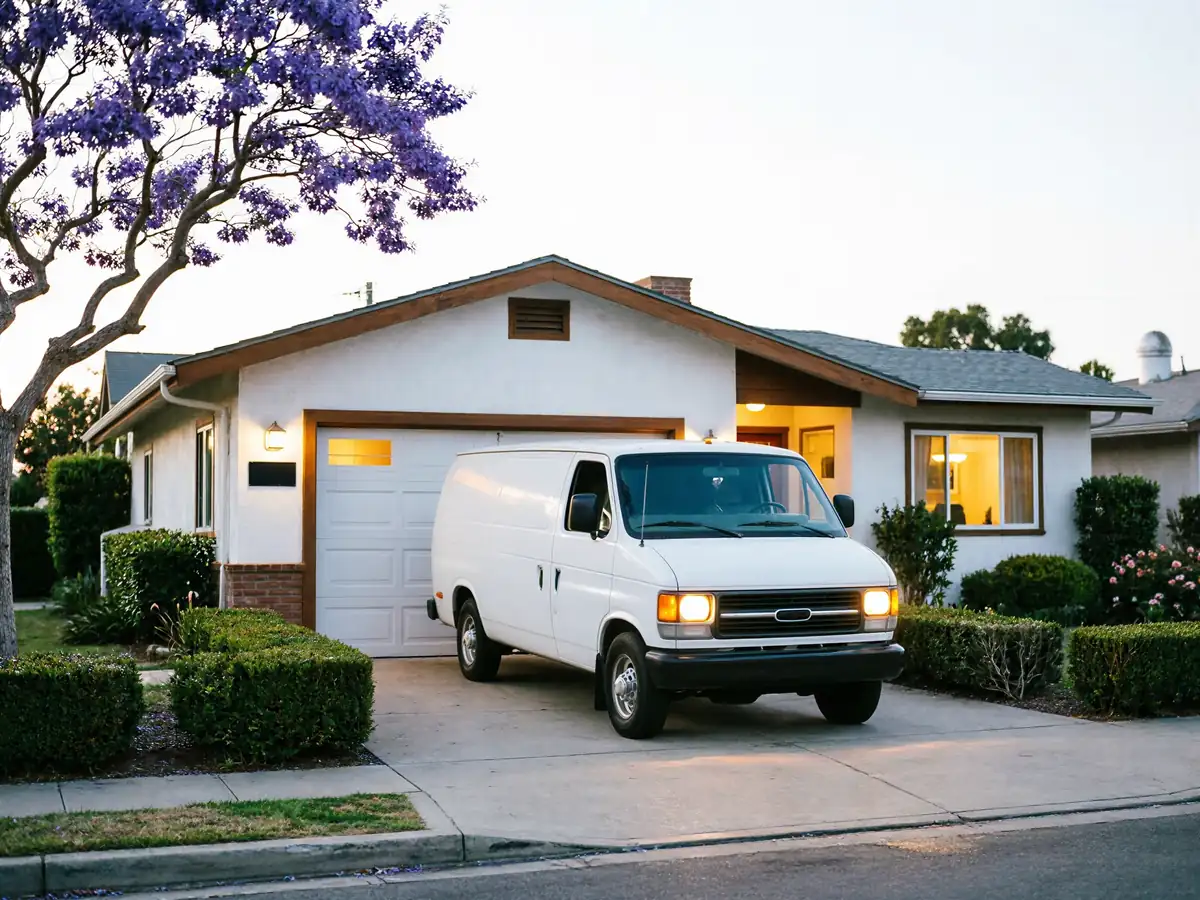
With roughly 6,403 households in Patterson and a median household income of $93,542 - both notably higher than the wider service-area figures of 64,569 households and $86,676 median income - this reads as a newer, more built-out subdivision pattern than much of what surrounds Modesto. Newer construction here generally means double-car garages with insulated steel doors rather than the single-panel wood doors common on older stock in the service area. It also means the hardware is more standardized: same-era torsion springs, same-brand openers, fewer of the patched-together setups we run into on houses that have changed owners three or four times since the 1980s. That consistency actually makes diagnosis faster once we're on site, even with the drive factored in.