How Local Conditions Play In
Most houses in this part of the valley went up between 1945 and 2000
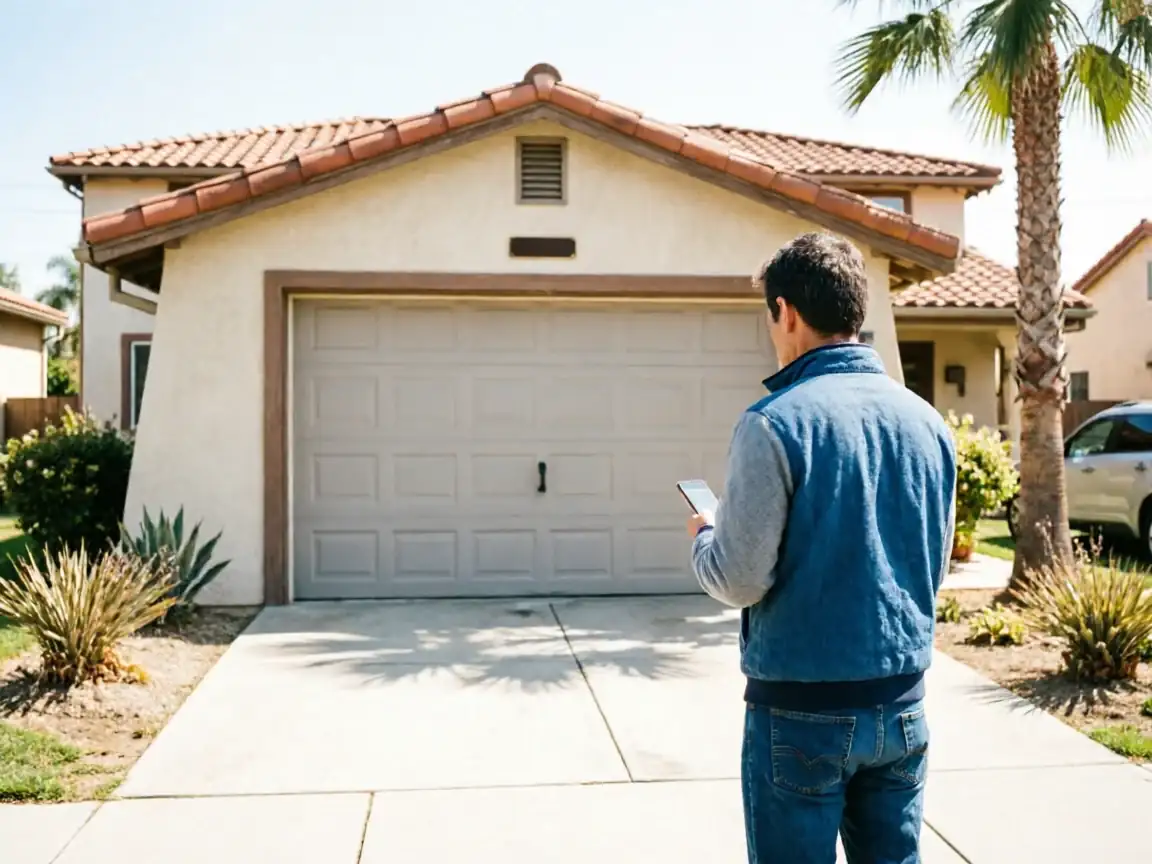
With the heaviest concentration of that building dating to the 1980s and 90s across the twenty or so named areas we run calls in. That matters for openers because a huge share of garages out here still have the chain-drive unit that came standard on construction from that era - units now pushing 30 to 40 years old, well past any reasonable service life.
- 40 years
The bigger factor is heat
Modesto sits in a climate band rated severe for heat, and an attached garage with a south- or west-facing door can run well above outdoor temperature by mid-afternoon in summer. Opener circuit boards don't like that. Capacitors dry out faster, drive belts stretch and crack sooner, and the plastic gears in older chain-drive units wear down at a pace you wouldn't see in a milder climate. If your opener is original to a house built in the 80s or 90s, heat has already been working against it for three or four decades of summers.
The Situation
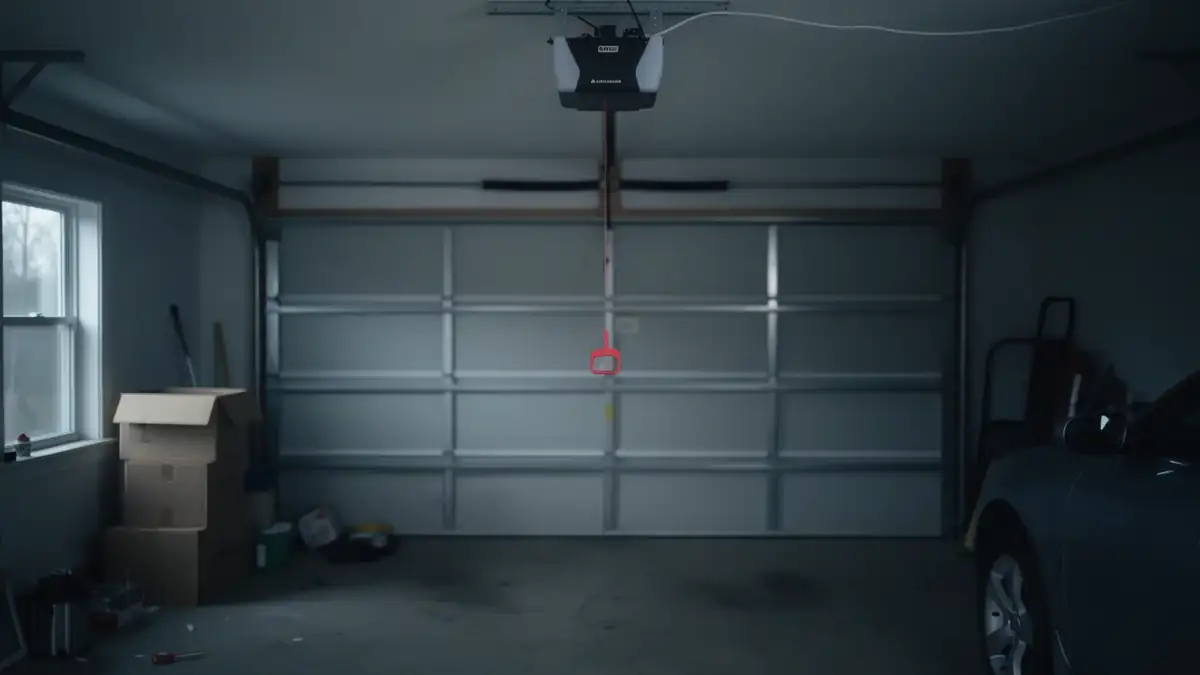
Two separate problems get lumped together under "the opener's broken," and they're not the same job. One is a dead or dying motor unit - board failure, burned-out motor, stripped gear - which heat accelerates on the older stock common across this service area. The other is a power cut: the grid goes down, and now a working opener won't move at all because it has no battery backup, or the backup it has is years past its own service life.
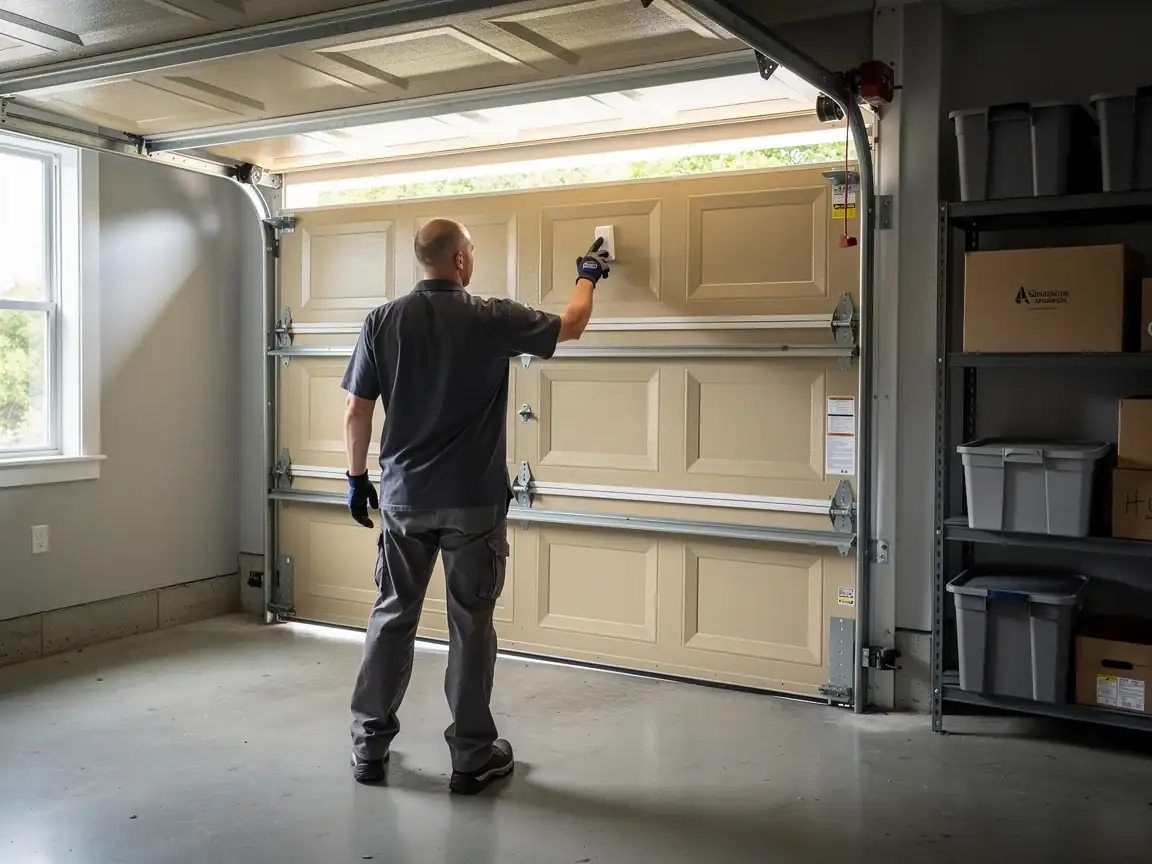
A power cut doesn't damage the opener itself. The motor's fine; it just has nothing to run on. But it does mean the door is stuck wherever it was when the power dropped, which is a real problem if a car's inside or the door was mid-cycle. With 37,612 owner-occupied houses across this area, a lot of them built in the same twenty-to-thirty-year window, we see both issues show up together more than people expect - an aging unit that finally fails during the same heat wave that's straining the grid.
What It Costs
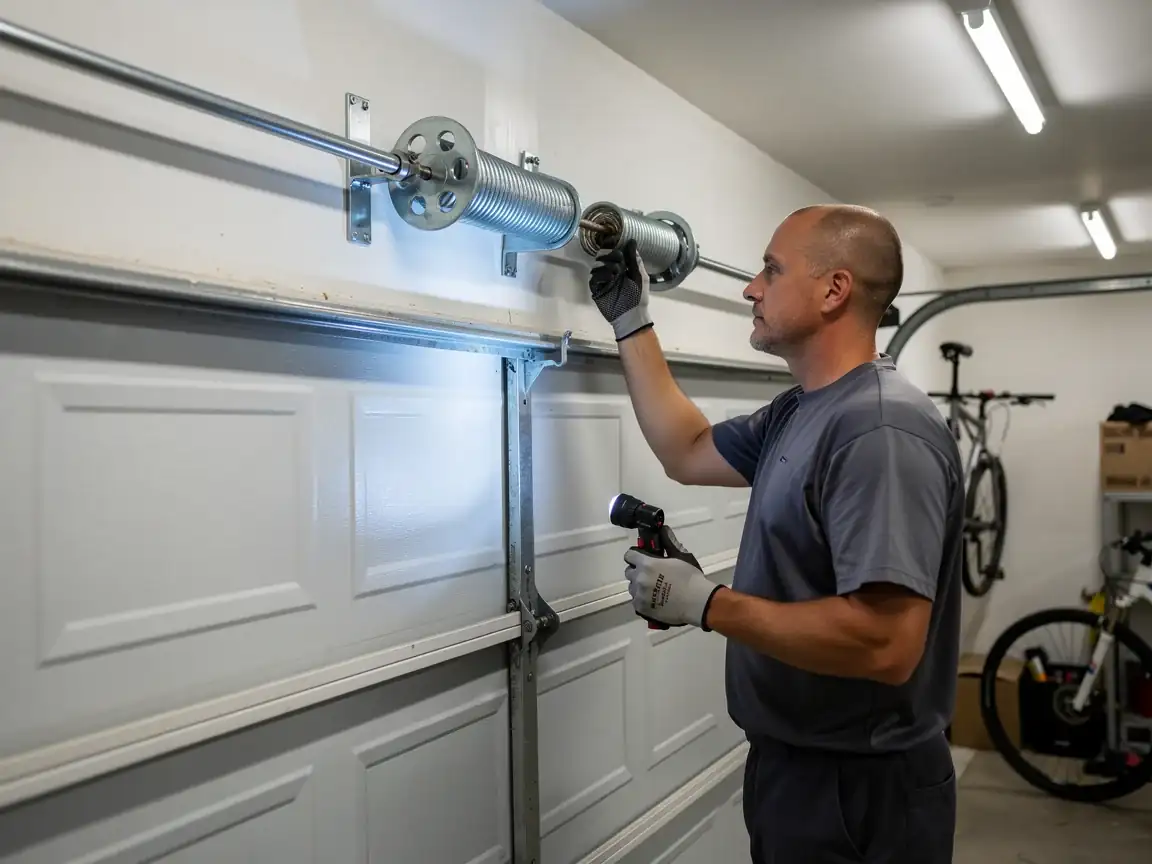
I'm not going to put a flat number here, because opener work splits into jobs that cost very differently: a board swap on an otherwise sound unit, a full opener replacement, or just adding battery backup to a unit that already works fine on power. The honest answer is it depends on which of those three you actually need, and we won't know for sure until we're looking at the unit.
What I can tell you is that the area's median household income of $86,676 puts most owners in a position to replace rather than patch a motor that's already near the end of its life - and on units from the 1980s/90s stock that's common here, replacement is usually the better call than chasing parts for a board that's been baking in a hot garage for thirty years. If your opener is newer and just lost a battery, that's a much smaller job than a full swap.
Where People Go Wrong
The most common mistake is treating a power cut like an opener failure
People hear the motor isn't responding, assume it's broken, and book a replacement they didn't need - when all that happened is the power dropped and there's no backup battery in the unit. Check whether the wall switch and any smart-home hub also lost power before you assume the opener itself is at fault.
The second mistake is ignoring heat as a factor until the opener fails outright
If your unit is original to a house built anywhere in that 1945-2000 window, and especially if it's from the 1980s/90s construction that makes up most of this area's stock, the summer heat here has been working on it the whole time. Waiting for total failure during the hottest week of the year, when everyone else's aging opener is failing too, isn't a plan - it just means a longer wait for parts and a service slot.