How Local Conditions Play In
Most of the housing stock around Modesto went up between 1945 and 2000
With the bulk of it dating to the 1980s and 90s across the twenty or so named areas we work in, from Airport and West Modesto out through Ceres, Salida, and Riverbank. Doors and track hardware from that era are now 25 to 45 years old, and metal track doesn't age gracefully.
- 45 years
The other factor is heat
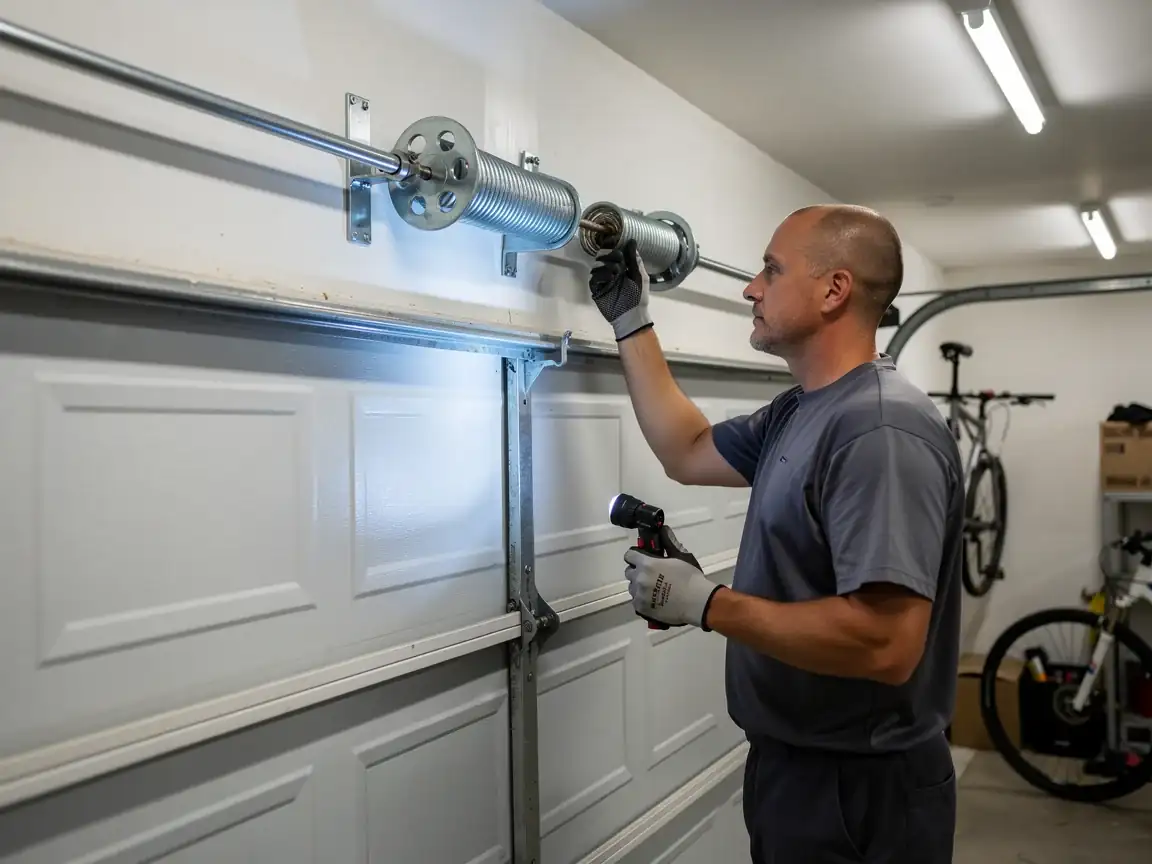
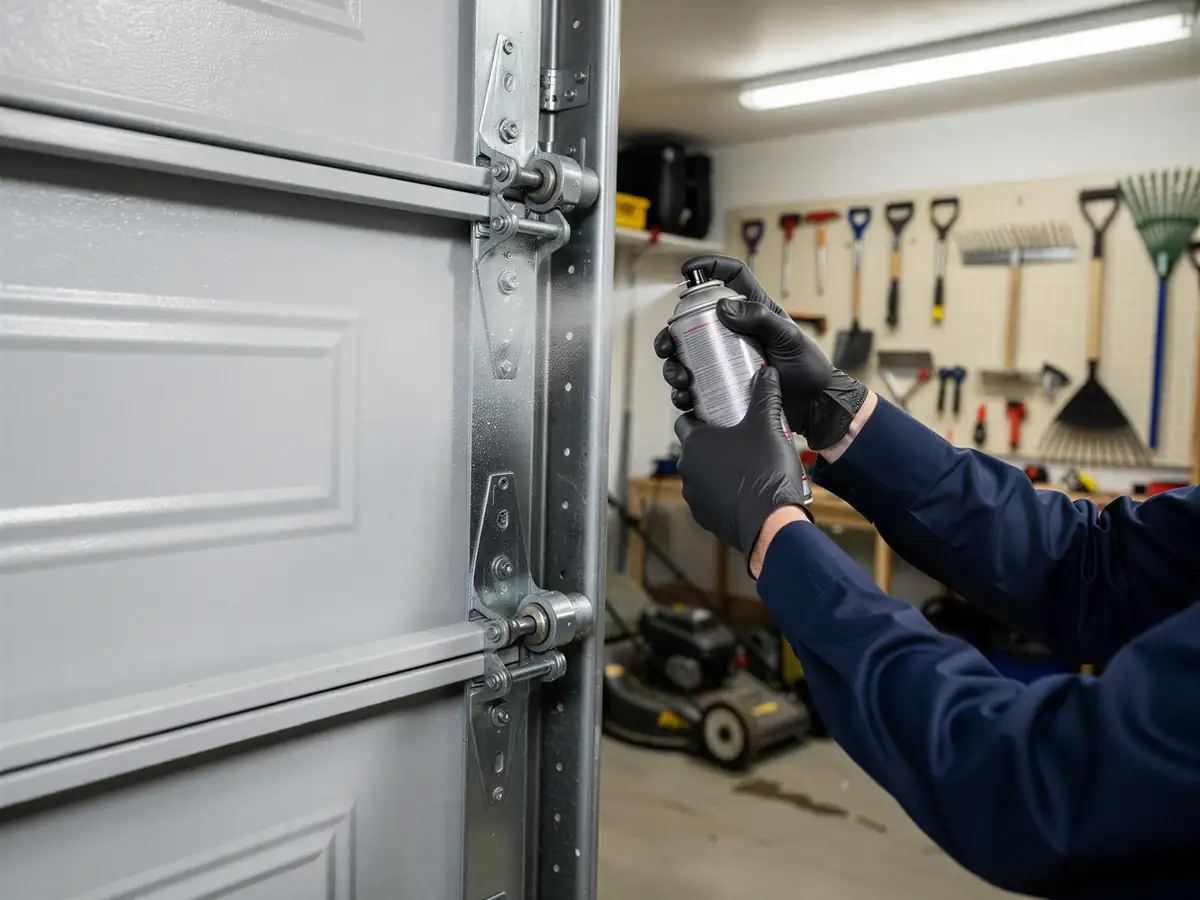
Modesto sits in a severe-heat climate band, and summer temperatures swing a steel garage door panel and its track brackets through a wide daily range. Aluminum and steel expand under direct afternoon sun, then contract hard once the door is in shade or the sun drops. That cycle, repeated for decades on original 1980s track hardware, loosens the lag screws holding the track to the jamb. Once a bracket works loose a quarter inch, the roller rides the edge of the track instead of the center, and that's the start of a door walking off its rail. Newer installs with heavier-gauge track and better fasteners handle this cycle fine. Original builder-grade hardware from the median 1987 construction year often doesn't.
The Situation
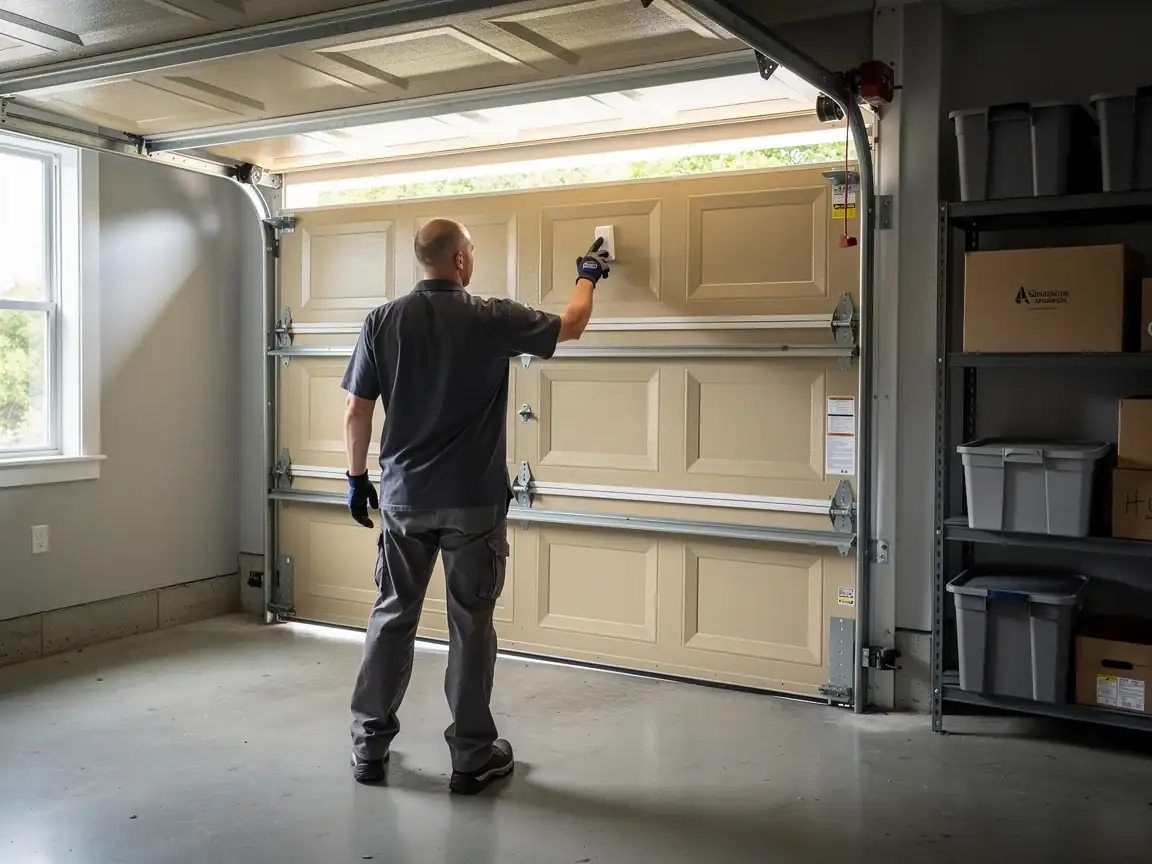
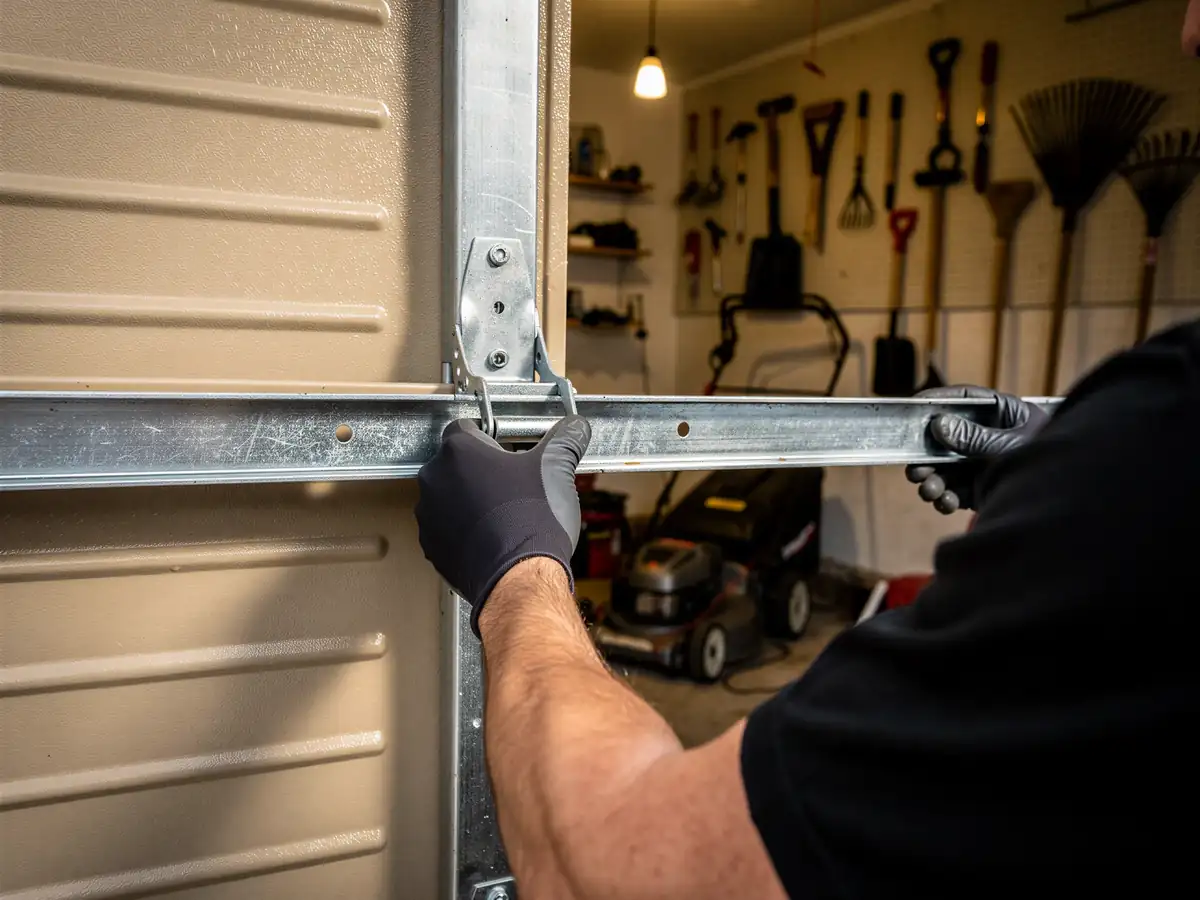
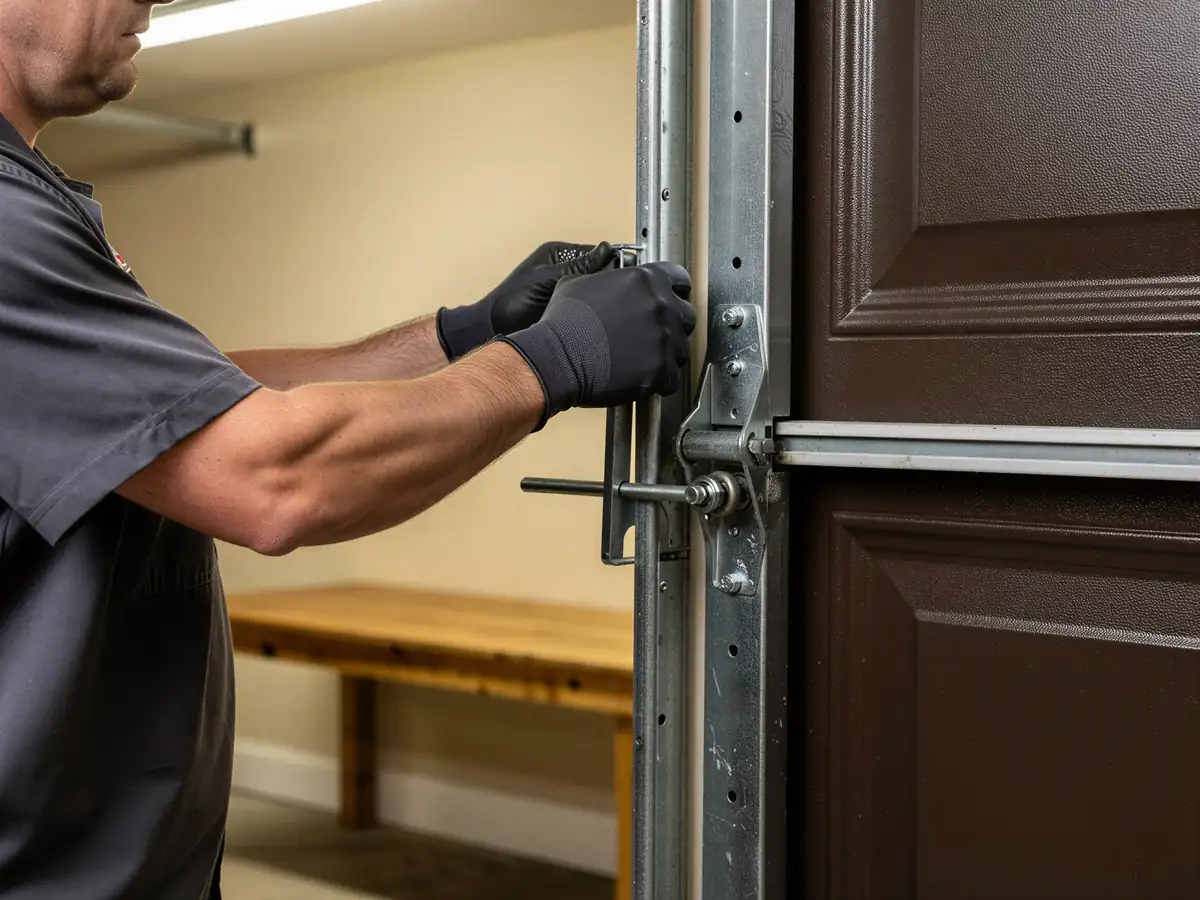
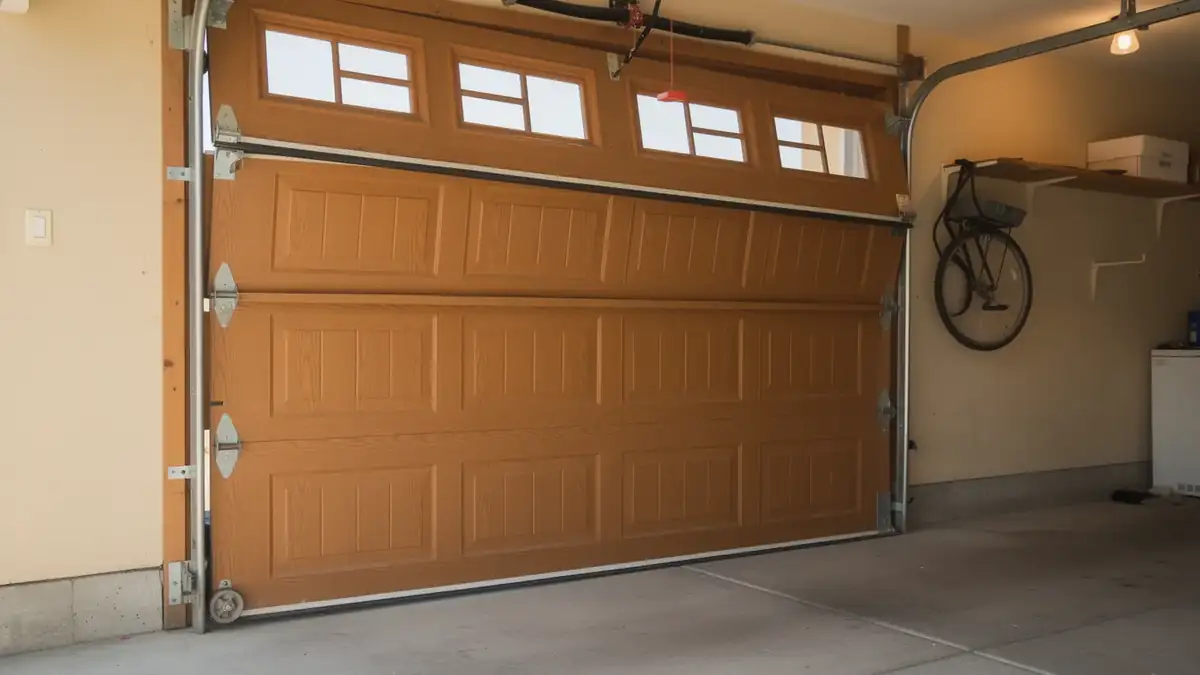
A door that's gone off track rarely does it in one dramatic moment. It's usually a slow drift: a roller that's been riding rough for months finally jumps the lip of the track, often on the bottom panel where the door takes the most stress opening and closing. On older 1980s and 90s builds we see loose track brackets, bent rail from a bump or a slipped cable, and worn rollers that have egg-shaped grooves instead of round ones.
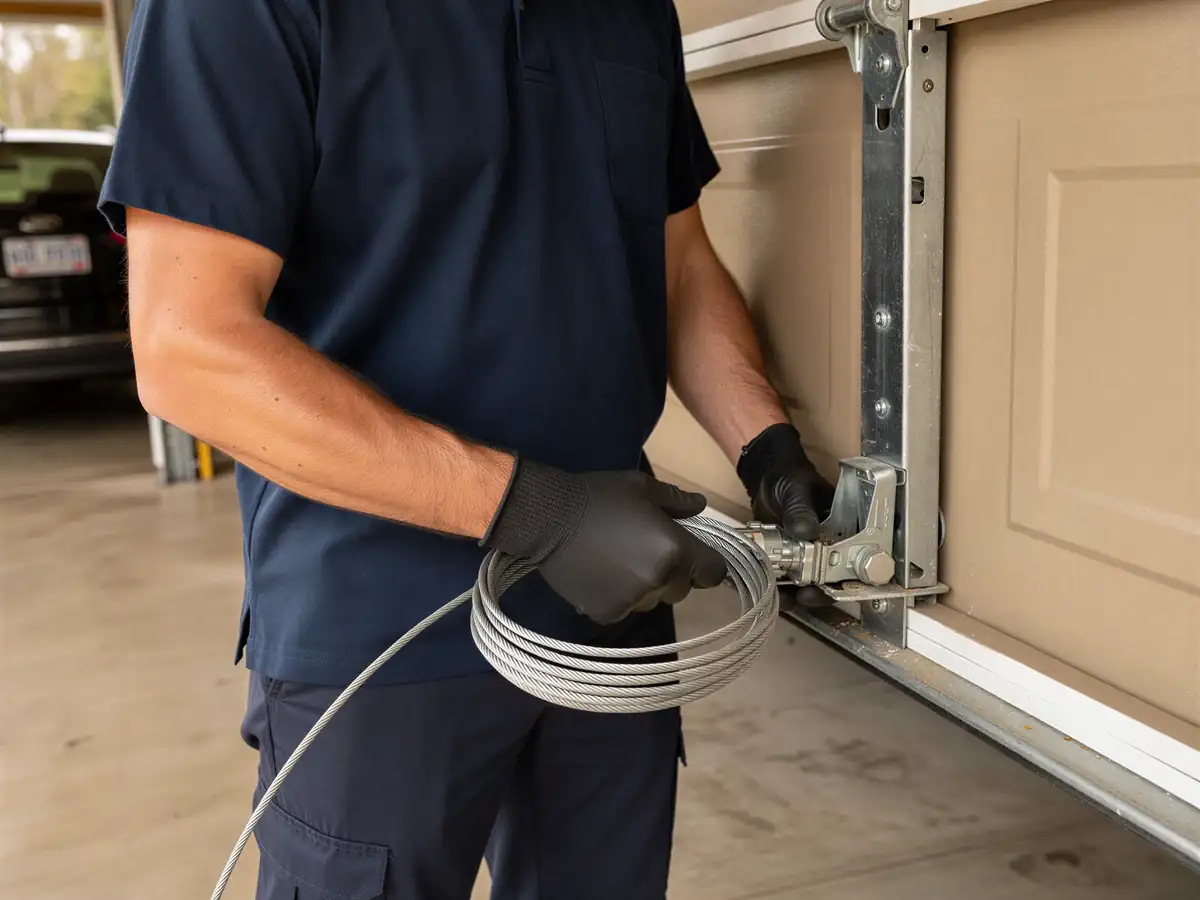
Once a door is off track, do not run the opener. Pulling a jumped roller back and forth with motor power can bend the track further or snap a cable under load. If the door still moves by hand without binding, leave it where it is and call. If it's jammed solid or one side has dropped lower than the other, that's usually a spring or cable problem riding alongside the track issue, and that combination needs a hands-on look before anyone touches the opener again.
What It Costs
We don't have a flat number to post here, and honestly, anyone who quotes one over the phone without seeing the door is guessing. A door that's simply walked off a loose bracket is a straightforward re-seat and re-tighten. A door with bent track, a broken roller, or a cable involved costs more because parts get replaced, not just adjusted.
What we can tell you is what drives the number up: how much track needs replacing versus just re-anchoring, whether rollers are nylon or the older steel ones original to 1980s construction, and whether the spring system took damage when the door jumped. A service area with a median household income of $86,676 and a strong share of owner-occupied houses means most calls we get are homeowners who want it fixed right the first time, not patched. We'll give you a real number after we look at the track, not before.
Where People Go Wrong
The most common mistake is forcing the door with the opener after it's already jumped track
Which turns a bracket job into a track-and-roller job. The second is ignoring a door that's been rattling or riding rough for weeks because it still technically opens and closes. On original hardware from the 1980s and 90s stock common across this area, that rattle is almost always a loosening bracket, and it gets worse under repeated heat-cycle stress, not better.
The third mistake is treating a DIY track realignment as a quick fix
Track has to sit plumb against the jamb and parallel on both sides, or the door binds again within weeks. We've seen homeowners shim a bracket back into place with it slightly off, and the door walks right back off track the next hot week. If your house falls in that 1945-2000 build range common to this area and the track hardware looks original, replacing worn brackets and rollers while we're already in there usually costs less than a second service call.