How Local Conditions Play In
Most houses in this service area went up between 1945 and 2000
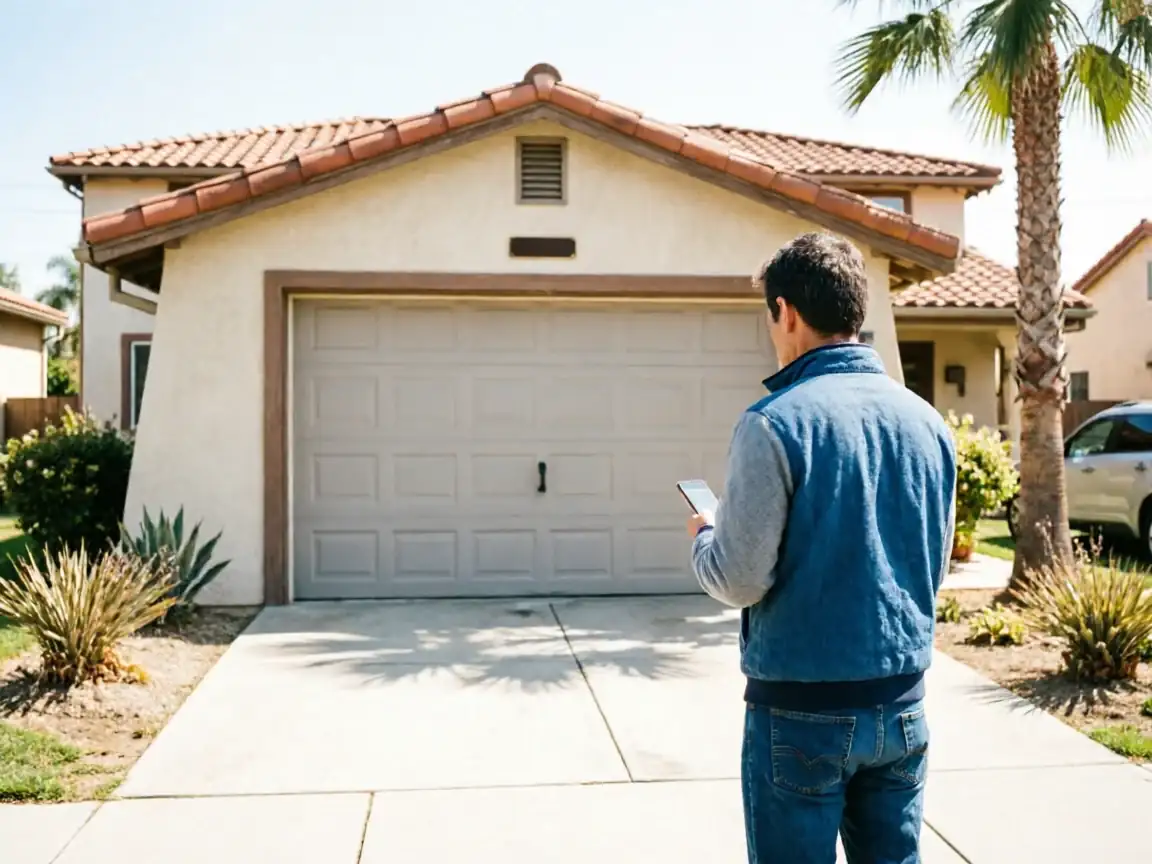
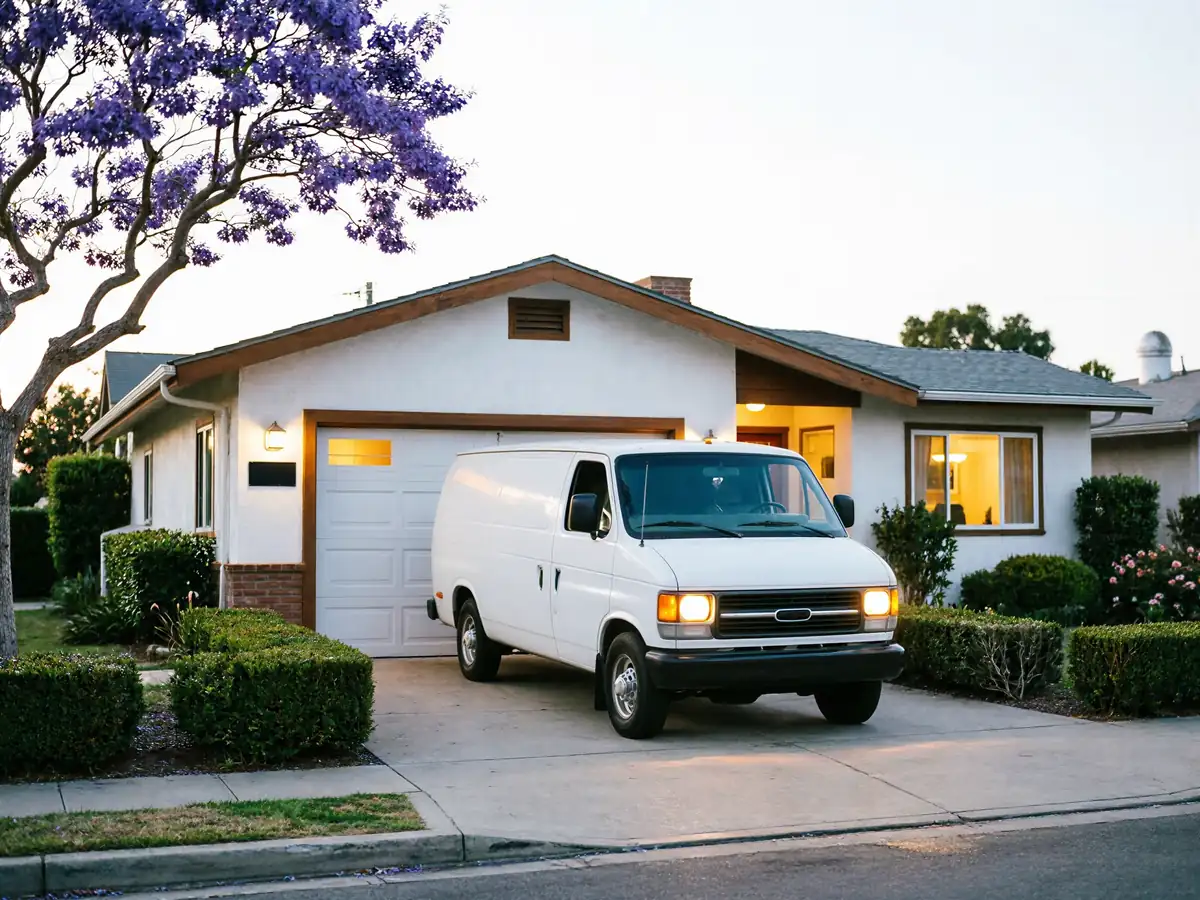
With the median landing around 1987. That means a technician walking up your driveway in Modesto, Ceres, or Salida is usually looking at a door and opener system that's 25 to 40 years old, built to the standards of that era rather than today's. Springs, cables, and rollers from that window weren't engineered for the stretch of hot months this region gets - and F3 puts our climate band at severe heat. That matters because heat is hard on garage door hardware in a specific way: steel springs lose temper faster when they cycle through repeated high-heat expansion, nylon rollers crack and go brittle, and the lubricant on older galvanized rails gums up or burns off sooner than it would in a milder climate. A service call here has to account for both the age of the equipment and what the heat has already done to it, not just whatever the door happens to be doing that day.
- 40 years
Across the twenty named areas in this service footprint
Modesto, Airport, West Modesto, Empire, Riverbank, and the rest - the stock is consistent enough that a tech can usually guess the decade of a house from the driveway before ever touching the door.
The Situation
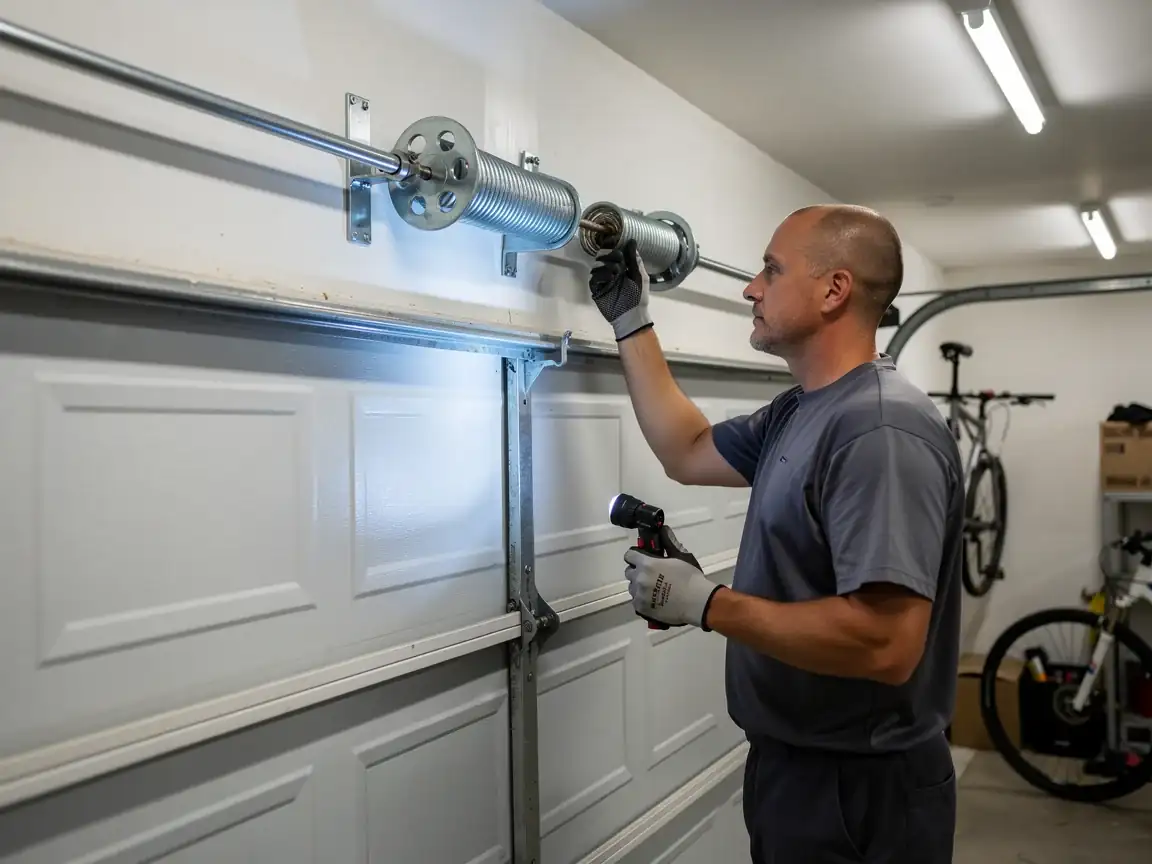
When we get a call, the first job isn't fixing anything - it's figuring out what's actually wrong versus what the homeowner thinks is wrong. On a house from the 1980s or 90s, a door that's "stuck" is very often a torsion spring that's lost enough tension from years of heat cycling that the opener is straining to lift weight it was never built to carry alone. A door that's "noisy" is usually rollers that have gone from nylon-and-grease to bare metal-on-metal because the lubricant cooked off months ago.
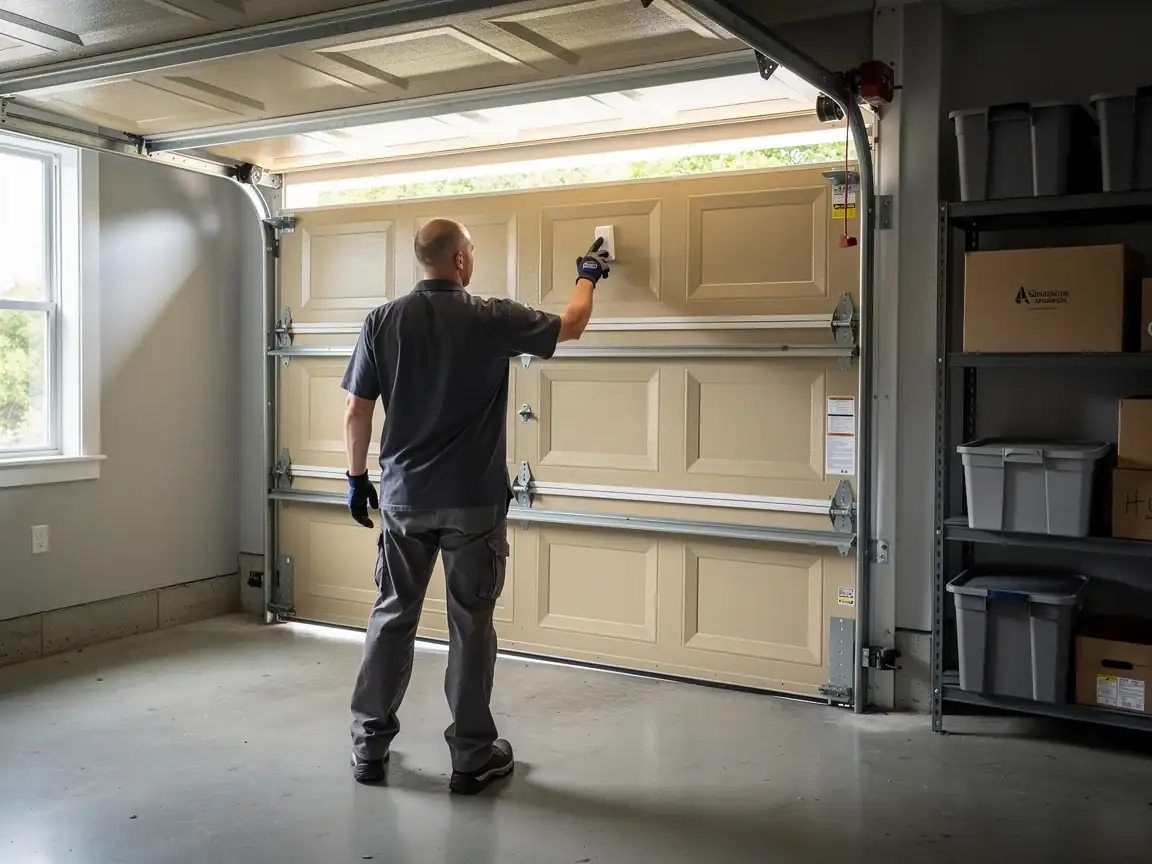
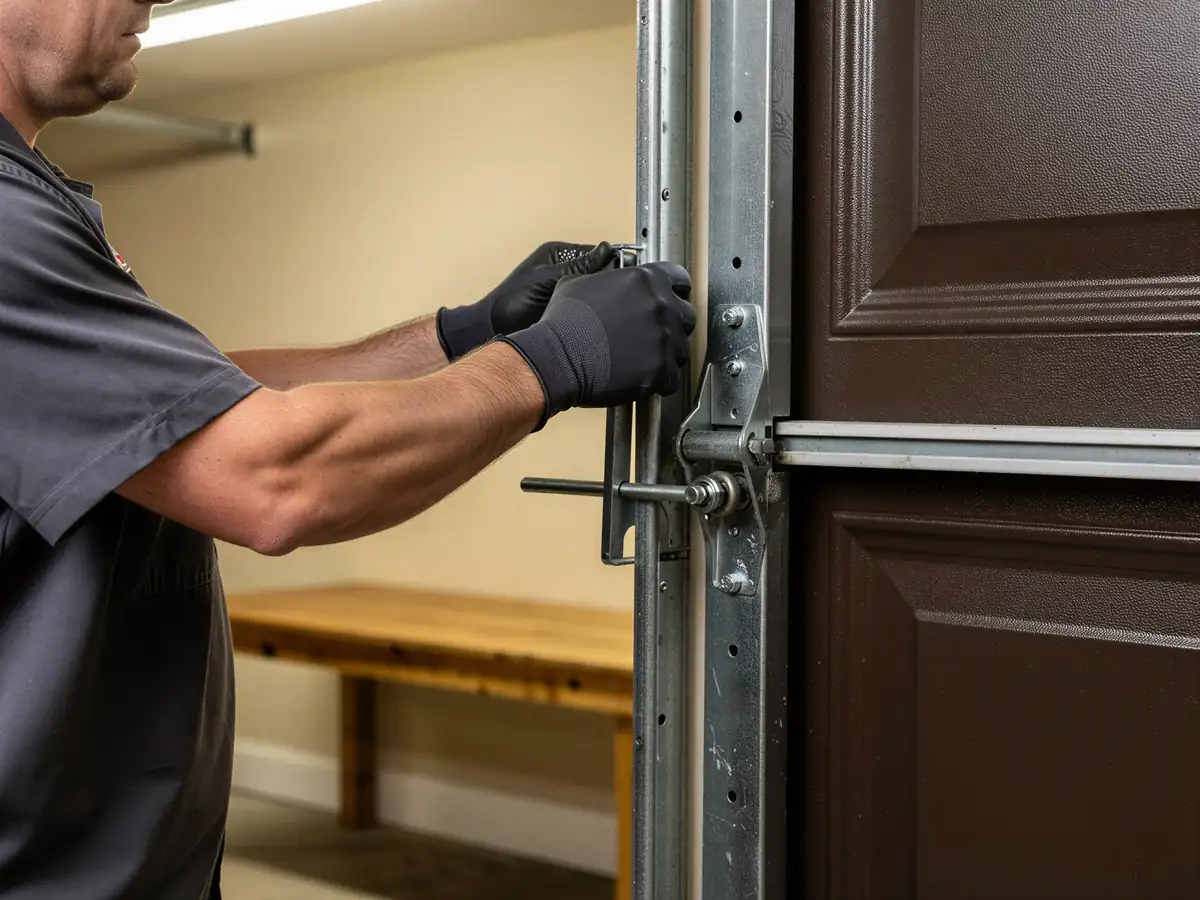
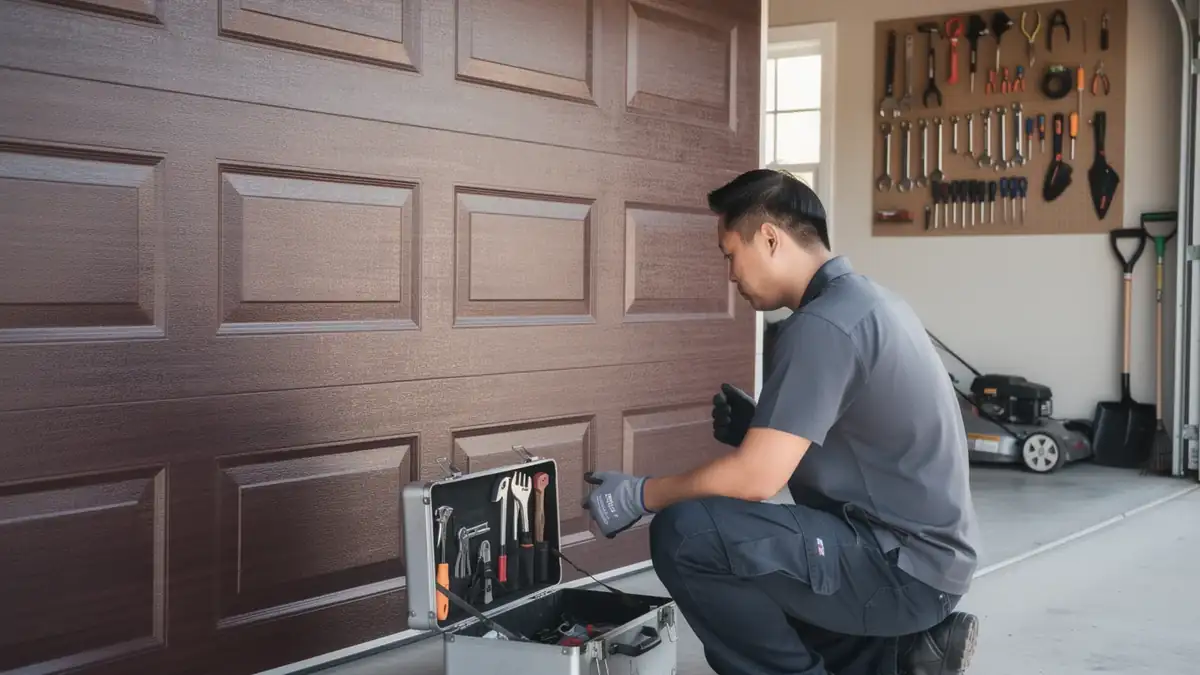
We check the spring winding and balance first, because an unbalanced door puts stress on everything downstream - the opener motor, the drive gear, the track alignment. Then we look at the track and rollers, the cables, and the bottom brackets, since those are the parts that take the most abuse from daily heat-cold cycling even in a region that doesn't see hard freezes. Last, we run the opener itself: force settings, limit switches, the safety reverse. On a lot of these older Modesto-area houses, the opener has been swapped once already but the door hardware underneath it never was, so the two don't always match up the way they should.
What It Costs
We don't post a flat number here because what a job costs depends entirely on what's actually failed, and on a house built in the 1980s-90s range that can mean anything from a $20 roller to a full spring and cable replacement. What we can tell you is how the estimate gets built: parts, labor, and whether the fix is a patch or a proper replacement.
One honest limitation - if your springs, cables, and rollers are all original to a house from that median 1987 build year, patching one part often just means the next part fails in six months. We'll tell you straight when a repair is the better call and when it's throwing good money after a system that's simply at the end of its service life. We'd rather lose a small repair ticket than have you call us back twice.
Where People Go Wrong
The most common mistake in this area is treating a heat-stressed spring like a lubrication problem
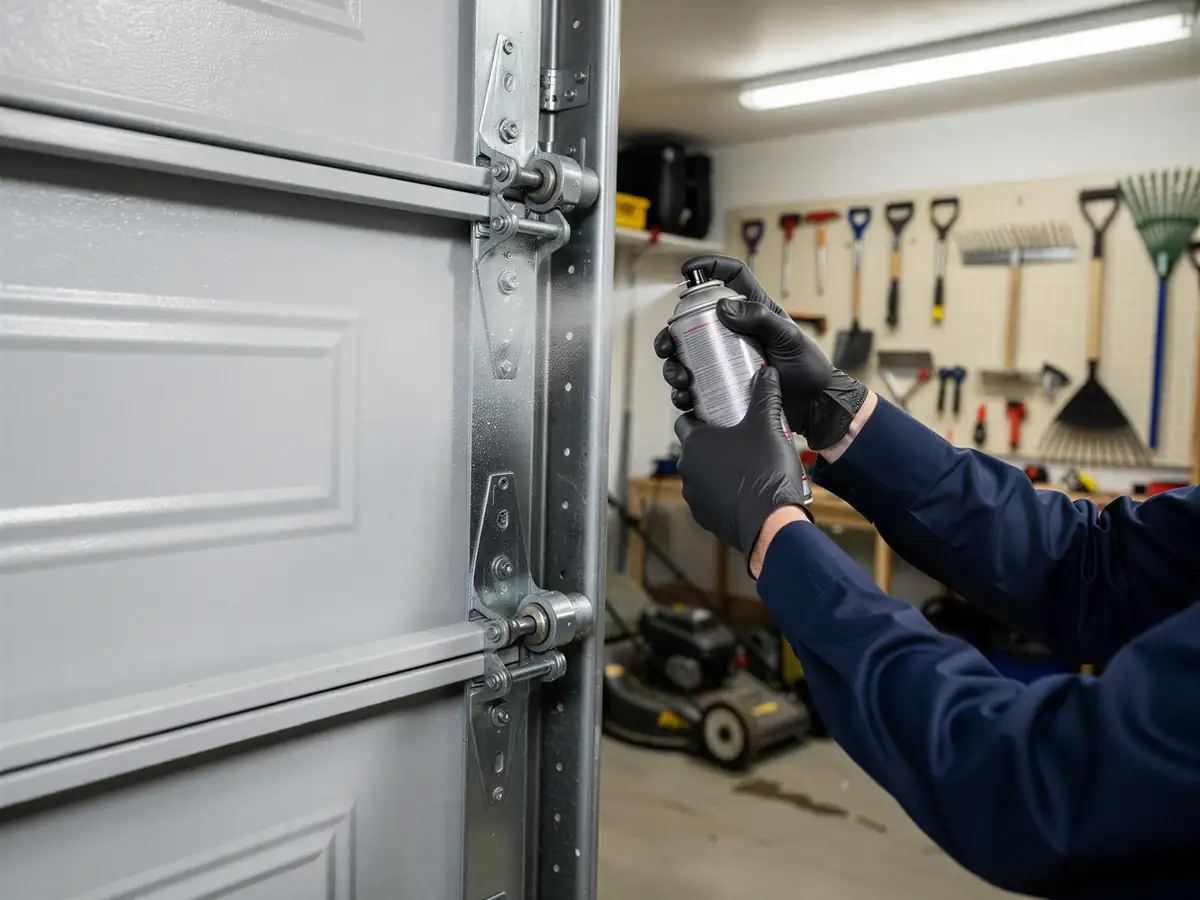
Spraying WD-40 on a torsion spring that's lost tension doesn't fix tension - it just masks the noise for a week or two. The second mistake is assuming an opener replacement solves a door problem, when the opener was never the issue - the door hardware underneath it, often original to the house, is what's actually failing.
The third mistake, and it's specific to this climate band
Is ignoring how much more often lubrication and rollers need attention here than in a cooler region. A maintenance schedule copied from a generic home-improvement article isn't built for severe heat cycling, and skipping a check for a year or two here does more damage than it would somewhere milder. If you're not sure which of these applies to your door, that's exactly what a service call is for - get it looked at before a small issue turns into a dead spring on a Saturday.