Modesto's housing stock runs mostly 1945-2000, median build year 1987. Here's how to tell if your door's worth repairing or replacing given our heat and that age.
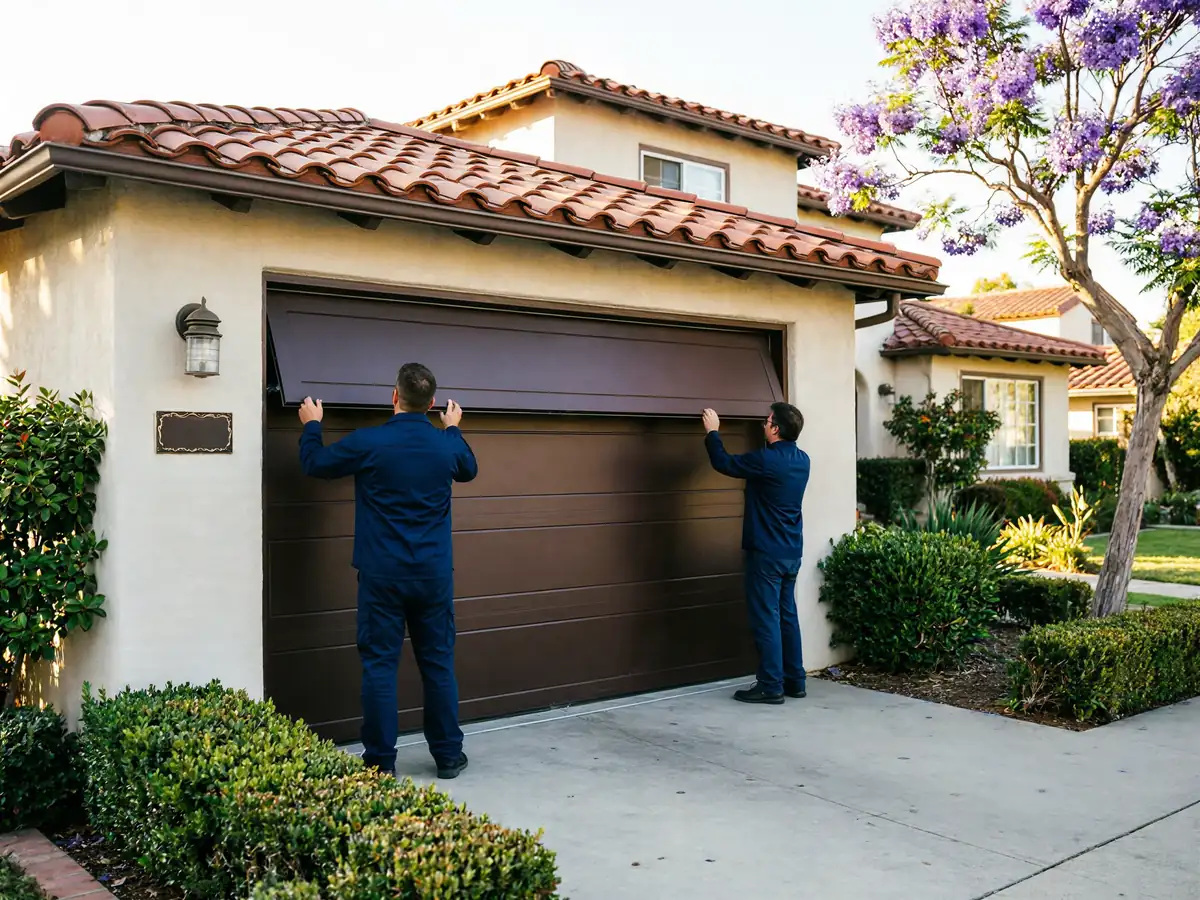
Most of the housing across this service area went up between 1945 and 2000, with a median build year around 1987. That means a huge share of the doors we look at are original or close to it - steel sectional doors from the late 80s and 90s, often still running the springs and openers that came with the house. Age alone doesn't condemn a door. What does the damage here is the heat. This is a severe heat climate band, and that matters more for garage doors than people think. Summer temperatures swing a wood or steel door through expansion and contraction all season, which dries out weatherstripping, warps panels that aren't insulated, and cooks the lubricant out of hinges and rollers faster than it would in a milder climate. An opener from 1990 wasn't built with today's heat load in mind, and the gear sets in those units wear out from thermal stress as much as from use. So when we're deciding whether something's worth fixing, we're not just asking how old it is - we're asking how many summers like this one it's already been through.
The Situation
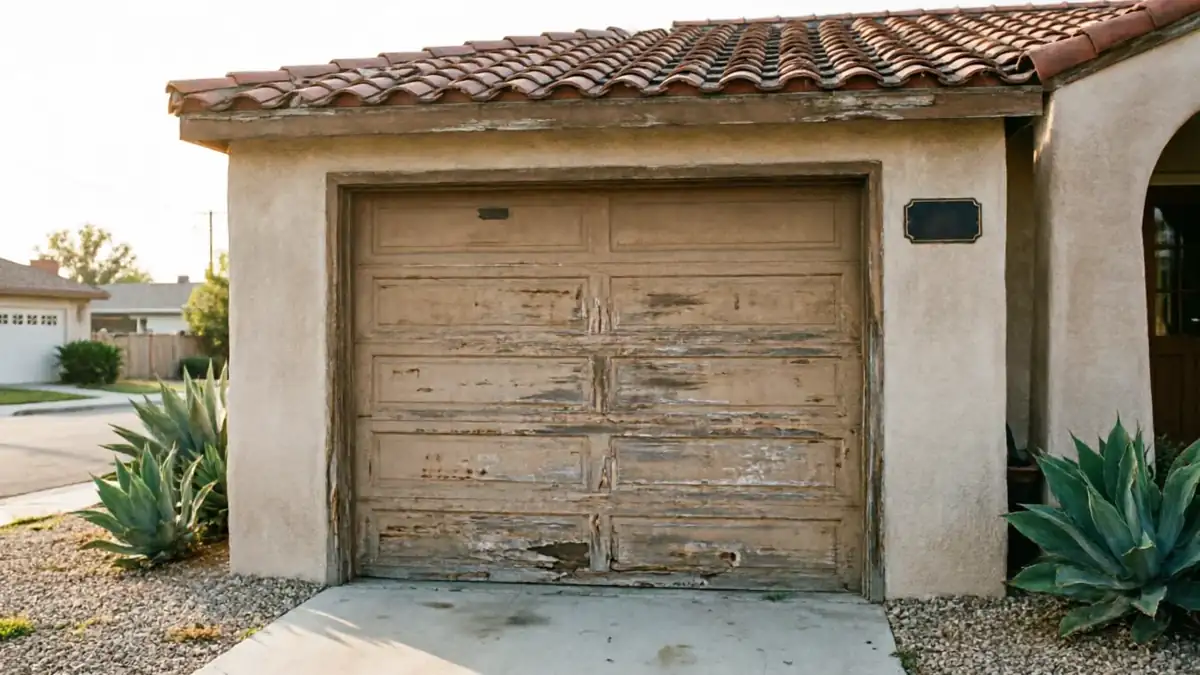
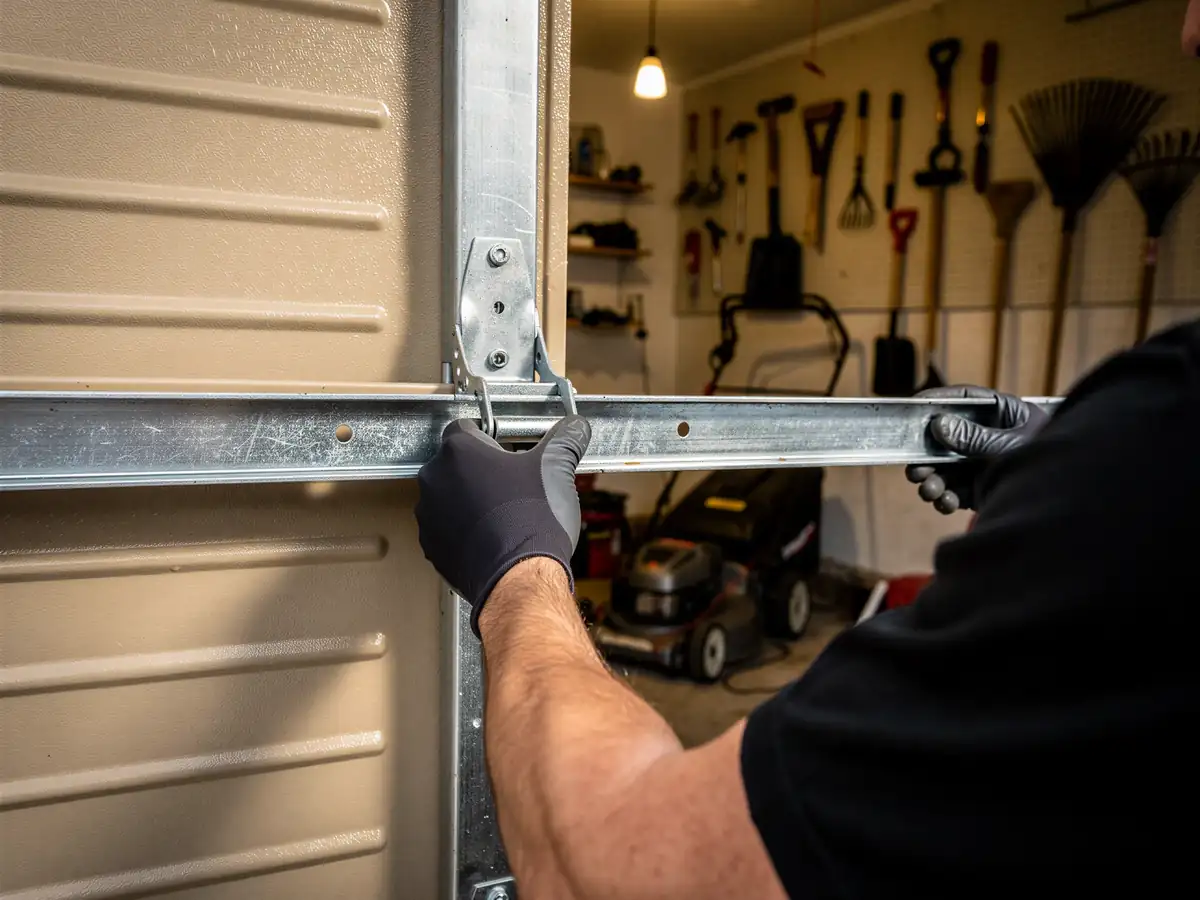
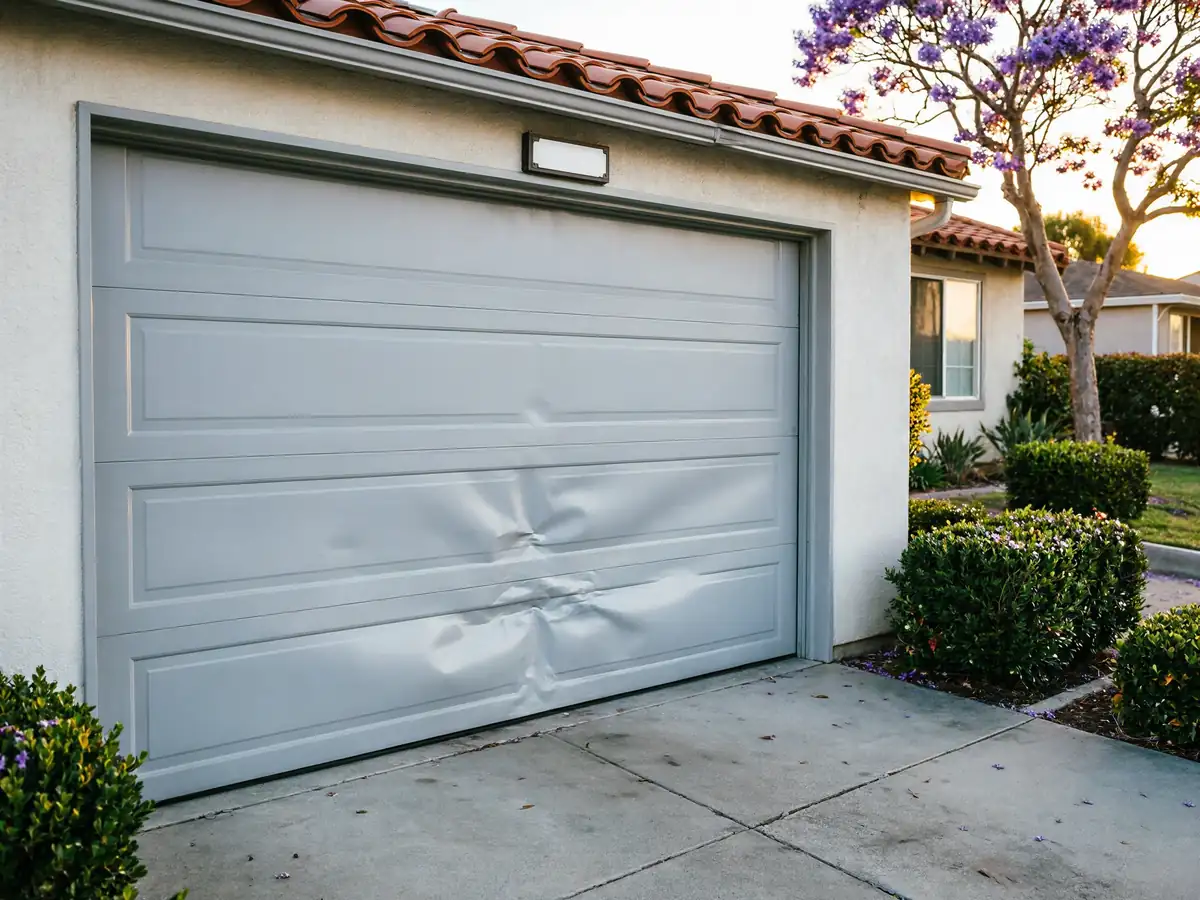
Across the 20 named areas in this service territory, the housing stock leans heavily 1980s and 90s. That's the sweet spot where a door is old enough to have real wear but usually not so old that parts are extinct. A torsion spring from a house built in 1987 has probably been replaced once already, maybe twice - springs are rated for cycles, not years, and heat shortens that lifespan. Tracks on houses from that era are mostly galvanized steel, which holds up fine if it hasn't been hit by a car bumper or bent by someone trying to force a stuck door. The panels are the real tell. If they're the thin, uninsulated steel common in 80s construction, they've likely taken some denting and the finish has probably chalked out from UV and heat exposure. A door like that can still be structurally sound even if it looks rough. The opener is usually the weaker link - chain-drive units from that period are mechanically simple and often repairable, but the circuit boards don't always survive 30-plus summers of attic heat, and once the board goes, repair stops being the cheaper option.
What It Costs
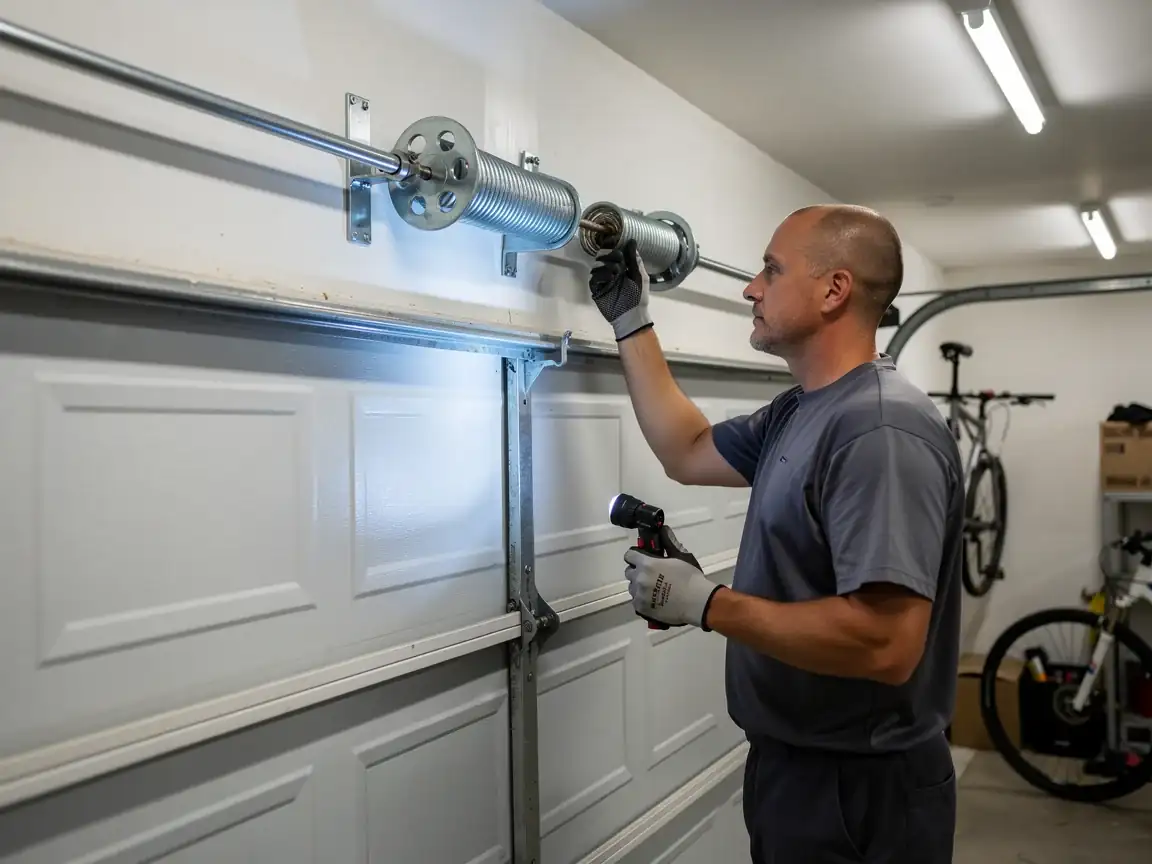
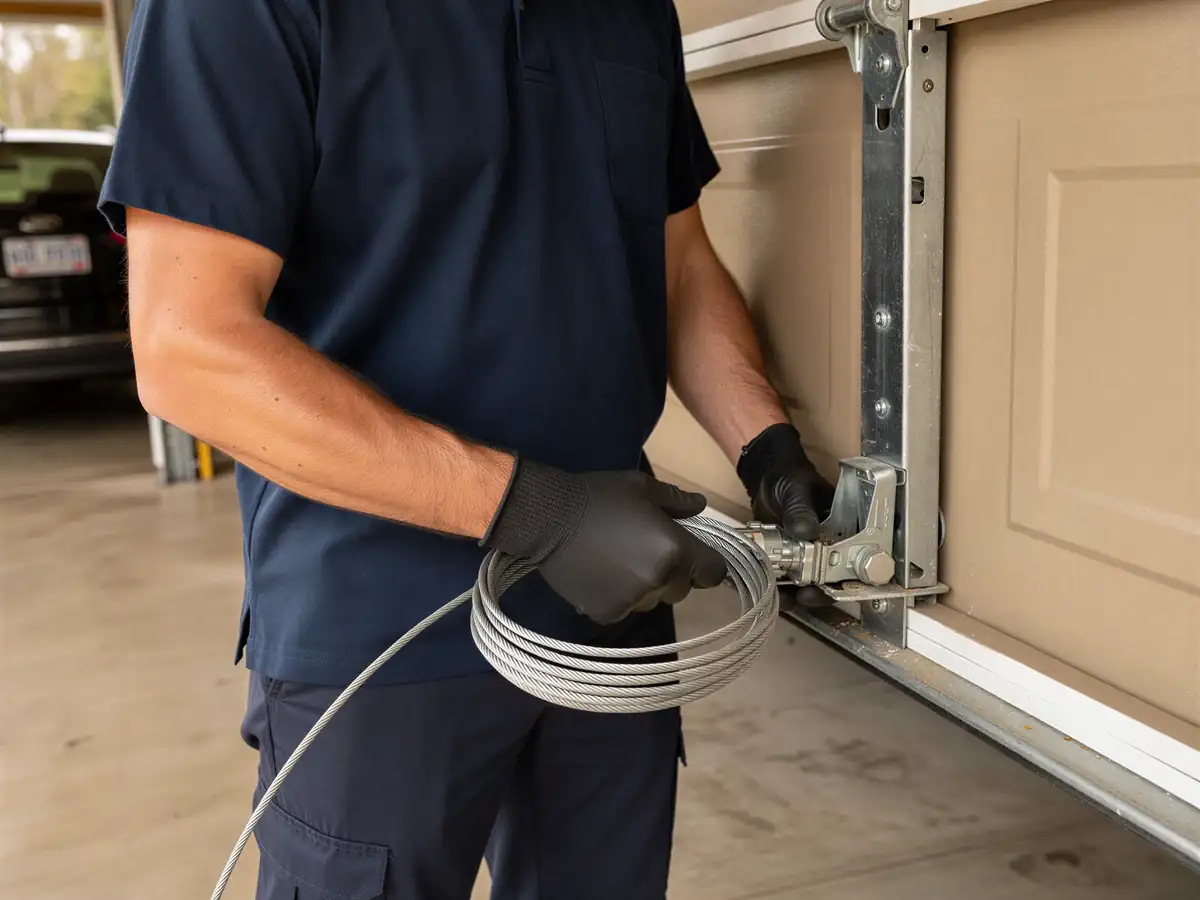
We don't have a flat answer for what a repair runs versus a replacement, because it depends on what's actually wrong and what's still available for that door. What we can tell you is how we think about it. A spring, a few rollers, a cable, a sensor - those are generally worth fixing on a door that's otherwise sound, regardless of its age. A warped panel, a cracked bottom section, or an opener with a dead board is where the math gets harder, because you're paying labor either way and the parts for a 30-year-old opener may need to be special-ordered or substituted with a modern equivalent. With median household income in this area at $86,676 and most homes built well before today's insulation standards, a lot of owners are weighing a repair against upgrading to an insulated door that handles our heat better long-term. That's a reasonable thing to weigh. It's just not a price we can quote without seeing the door.
Where People Go Wrong
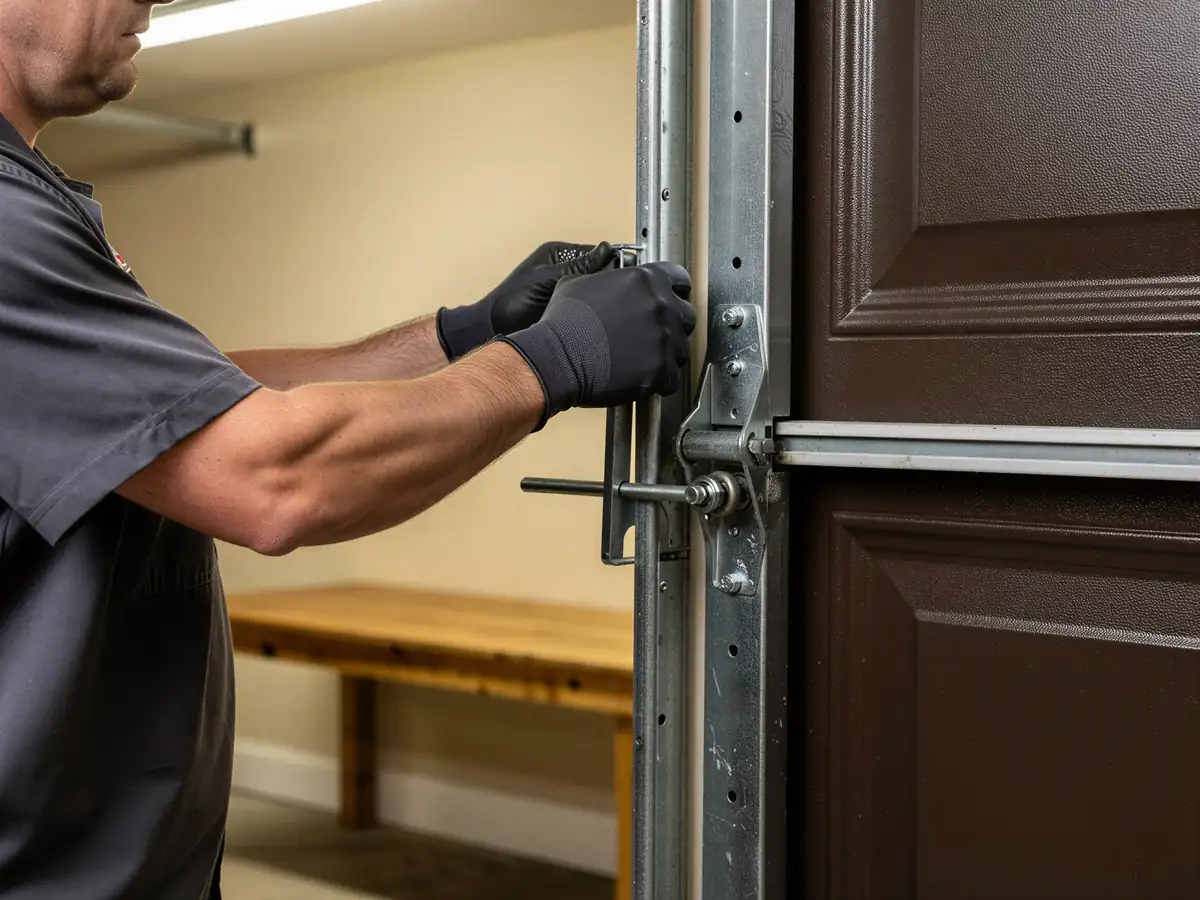
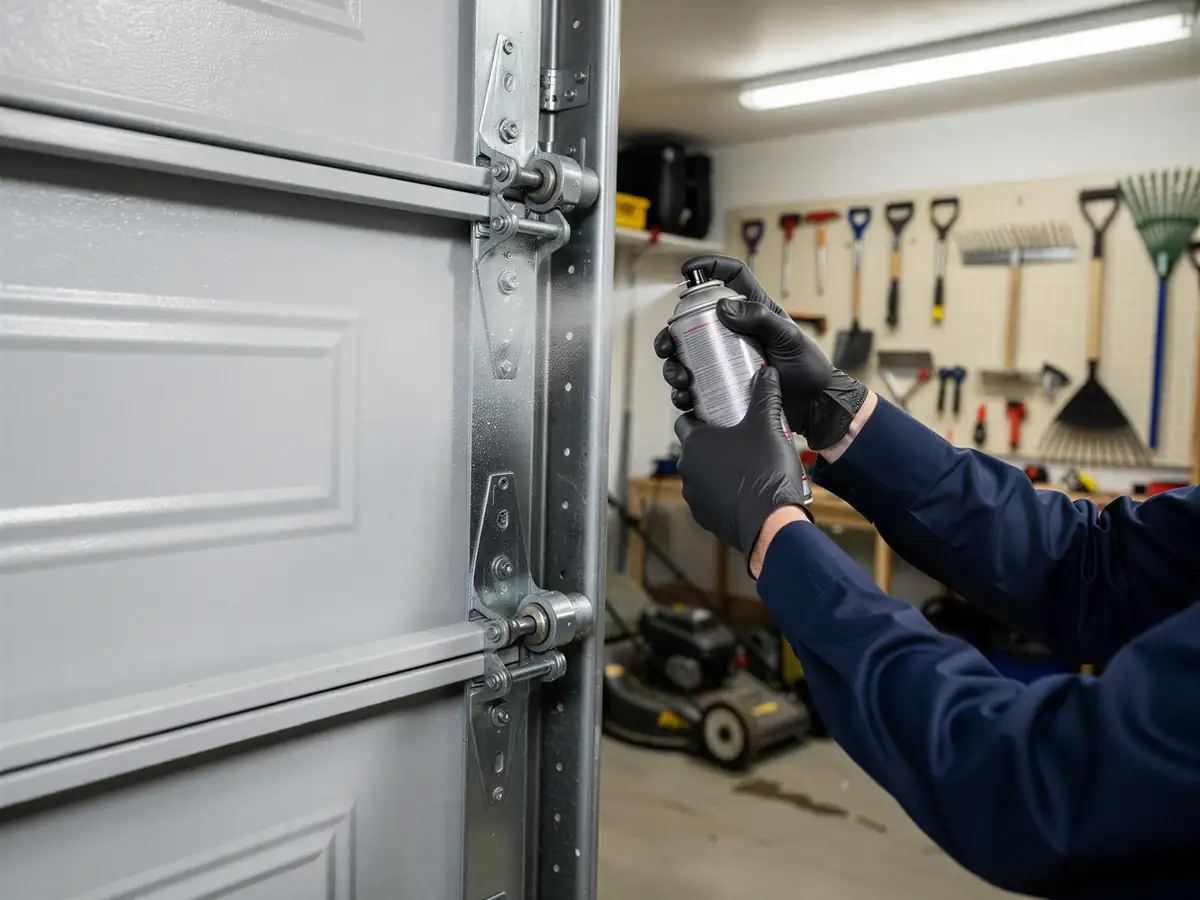
The most common mistake we see on older doors here is treating every noise as an opener problem when it's actually a roller or hinge problem made worse by heat-dried lubricant. People replace openers that didn't need replacing. The second mistake is ignoring a bent track because the door still opens - on a house from the 1980s or 90s, the track is original and once it's bent enough to bind, you're putting uneven strain on a spring system that's already decades old. The honest limitation here: we don't recommend fixing a badly rusted or structurally cracked panel on a door that's otherwise near the end of its service life. At that point you're paying to patch something that will need full replacement in a year or two anyway, and that's not a good use of anyone's money. With 37,612 owner-occupied houses in this area, a lot of them sitting in that 1945-2000 build window, this is a judgment call we make on-site, door by door, not something we can answer in general terms.
How do I know if my garage door is too old to fix?
Age by itself doesn't tell you much. A steel door from the 1980s or 90s with a bent track, cracked panel, or heat-fatigued opener board is usually past the point where repair makes sense. One with worn springs or rollers on an otherwise straight door is almost always worth fixing.
Why does my opener keep failing even though I replaced parts?
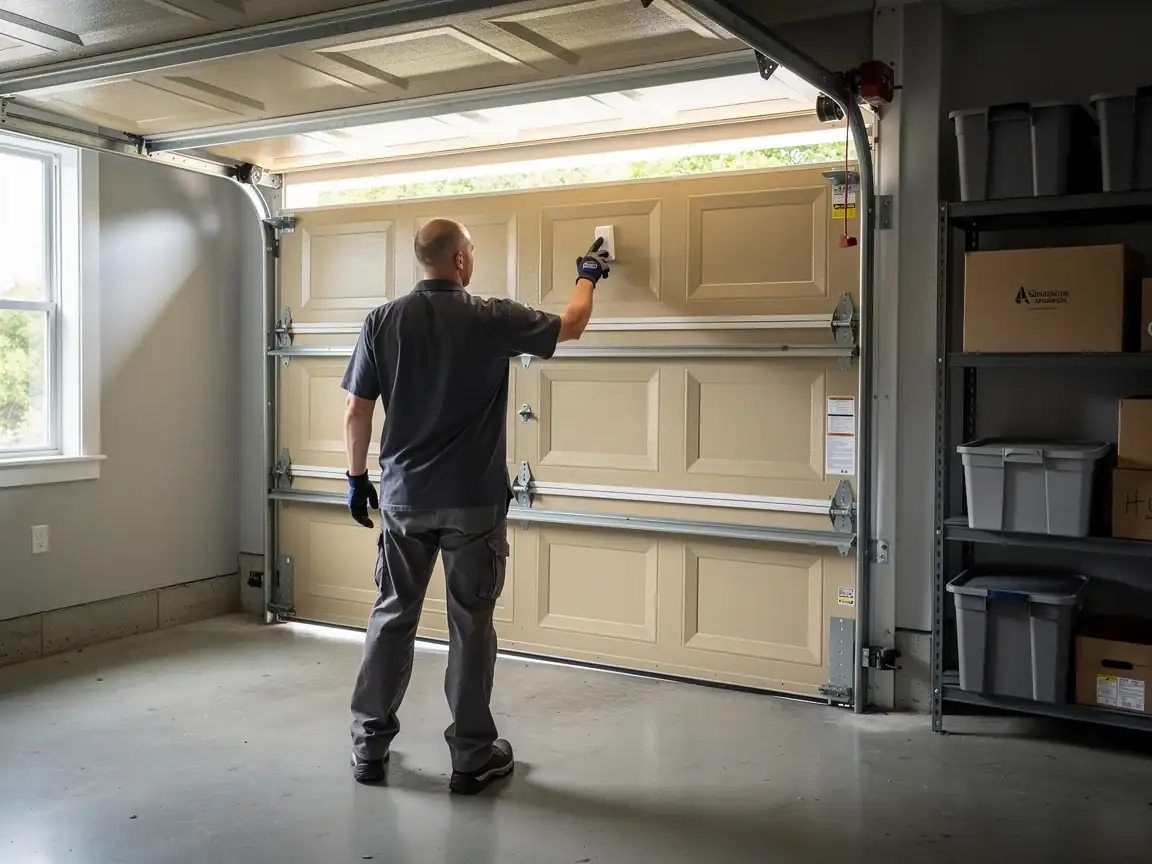
In a severe heat climate like this one, attic-mounted openers take a beating from thermal cycling. If the circuit board is original to a house built decades ago, replacing belts or gears won't fix a board that's degrading from heat exposure. That's usually when full opener replacement makes more sense.
Are original springs from the 1980s still safe to use?
Torsion springs are rated by cycle count, not calendar years, and heat accelerates metal fatigue. A spring original to a house built in that era has almost certainly outlived its rated cycles and should be inspected, even if it hasn't broken yet.
Ready to get your garage door sorted?
Tell us what it’s doing and where you are in Modesto - we’ll take it from there.