How We Get to You
Riverbank sits about 7 miles from our shop in Modesto
Close enough that a morning call doesn't eat the whole day. We don't keep a crew stationed in town - every truck rolls out from Modesto, so when you call, you're getting a scheduled visit, not a walk-in. That's worth knowing up front: if you need something same-hour, say so when you call, and we'll tell you honestly what the drive and the day's schedule allow. We'd rather be straight about timing than promise a window we can't hit.
- 7 miles
The drive itself is short enough that parts runs aren't a problem
If your opener needs a part we don't have on the truck, going back to Modesto and returning the same day is realistic at 7 miles, which isn't always true for the areas farther out like Oakdale or Waterford. That matters when a spring job turns into a parts job mid-repair.
- 7 miles
We serve the rest of the area too
Empire, Salida, Ceres, and points beyond - but Riverbank's distance means less dead time between the call and the fix, and less dead time between a diagnosis and having the right part on hand.
What the Housing Means for Your Door
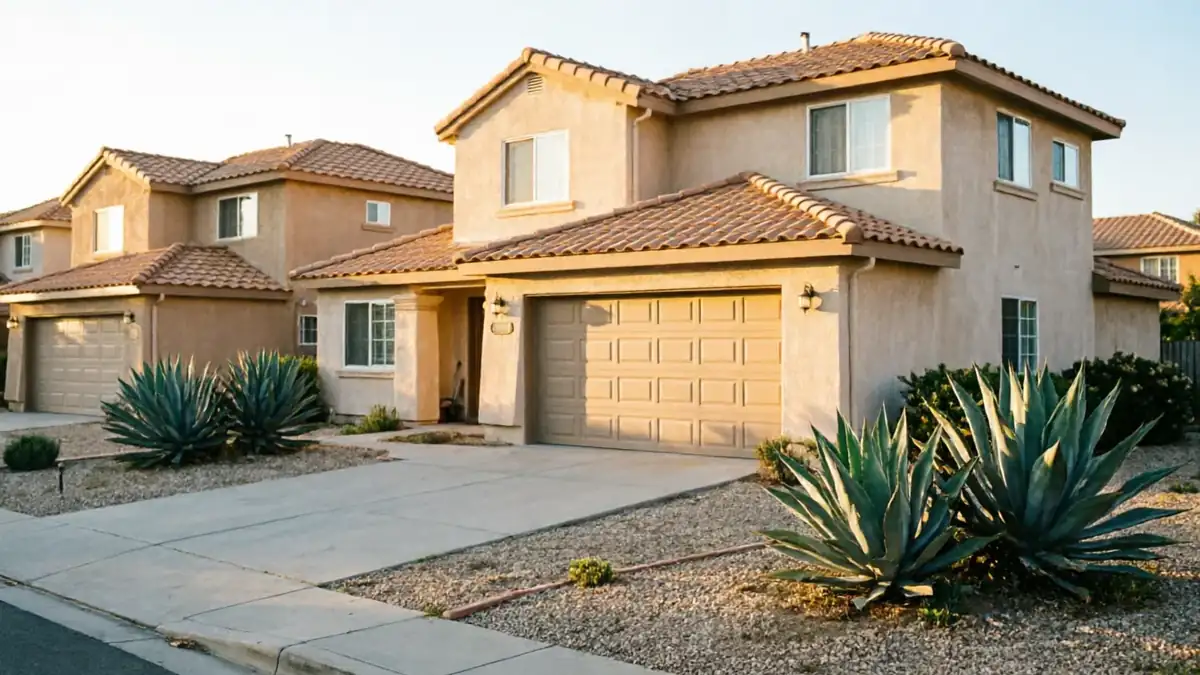
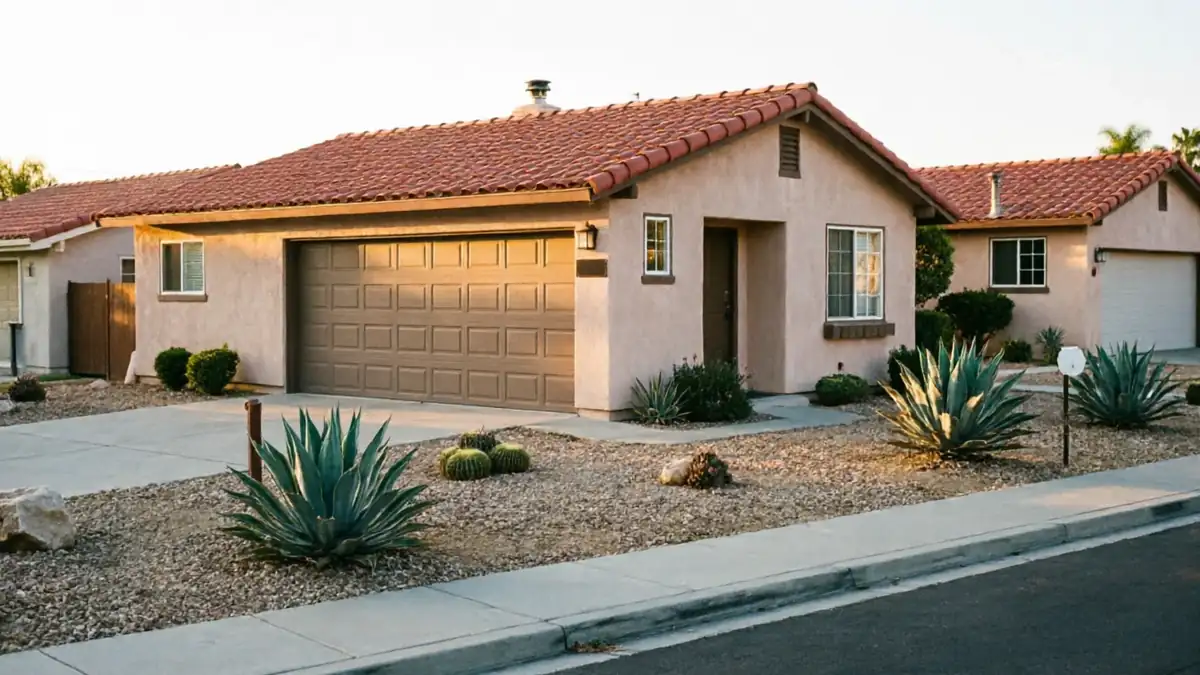
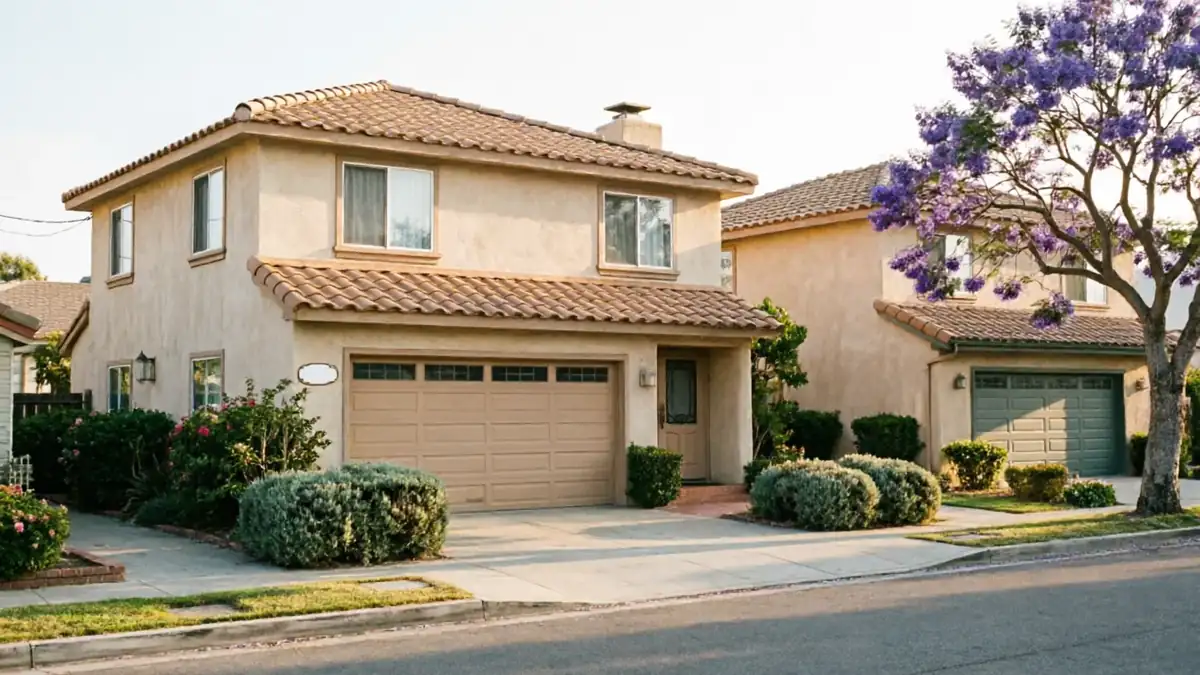
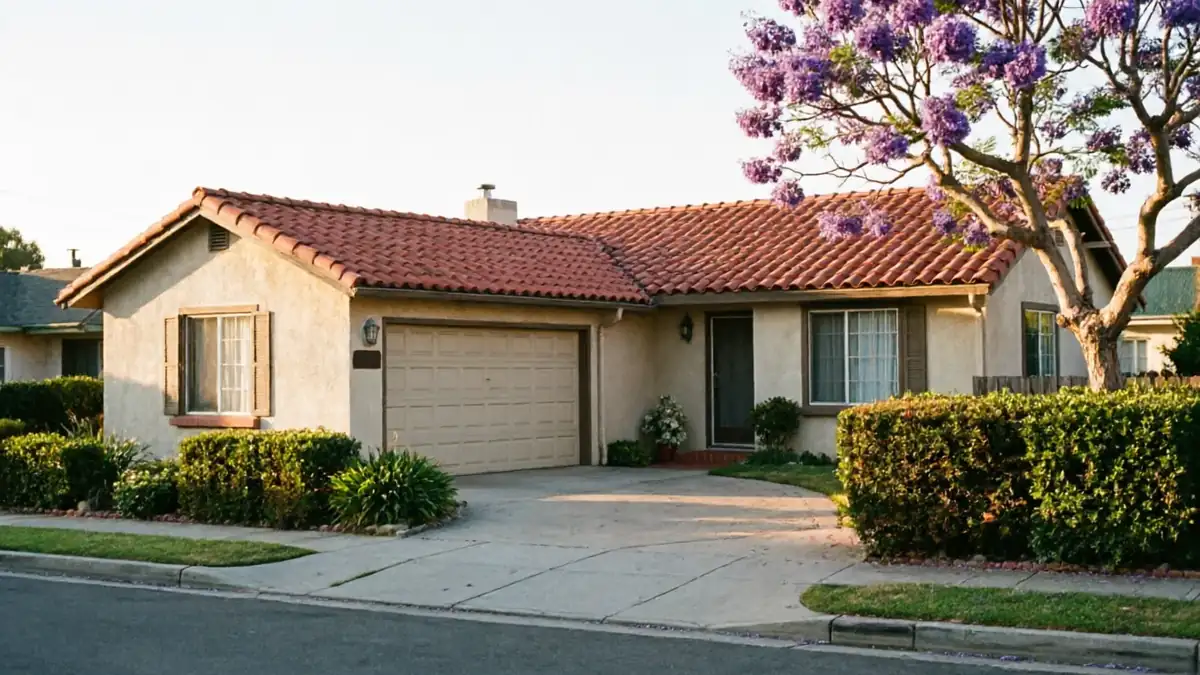
Here's the thing about Riverbank that doesn't hold for the service area as a whole: the median year built here is 1996, roughly a decade newer than the 1987 median across the wider coverage area. That gap changes what we expect to find when we open your garage.
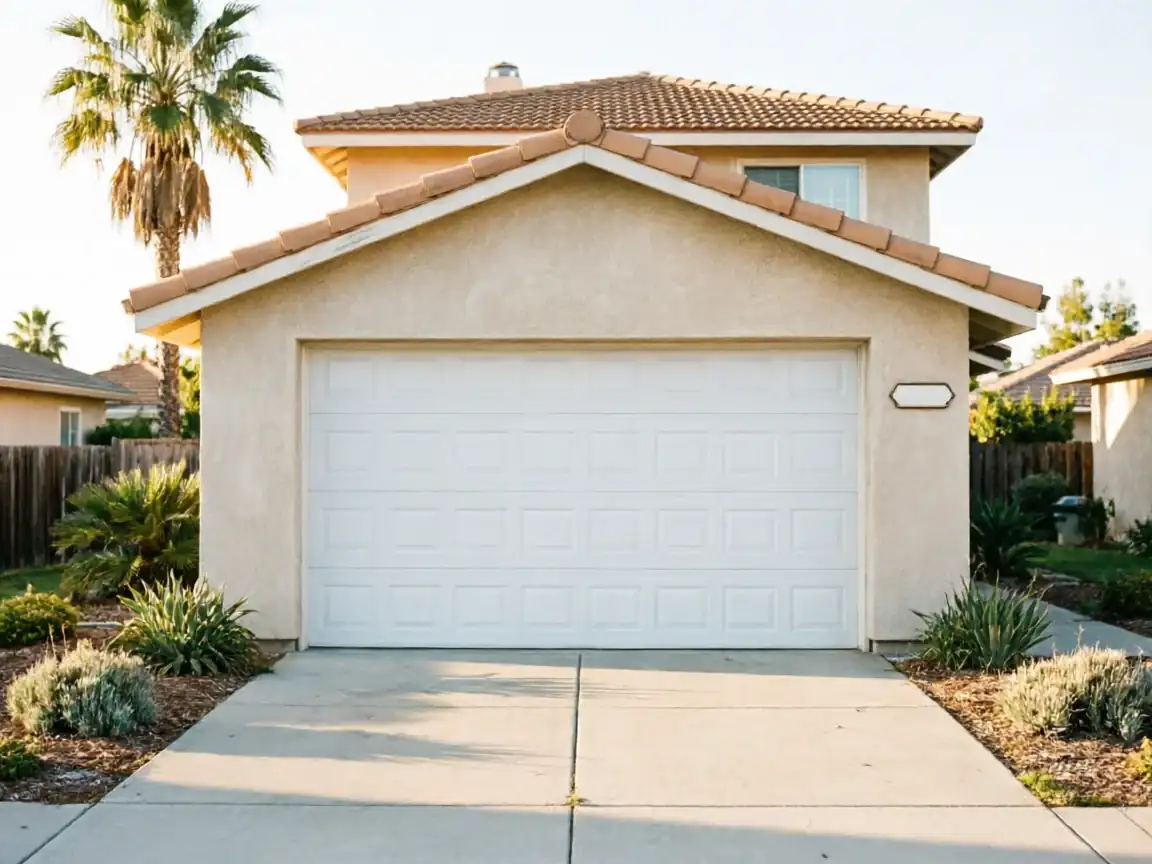
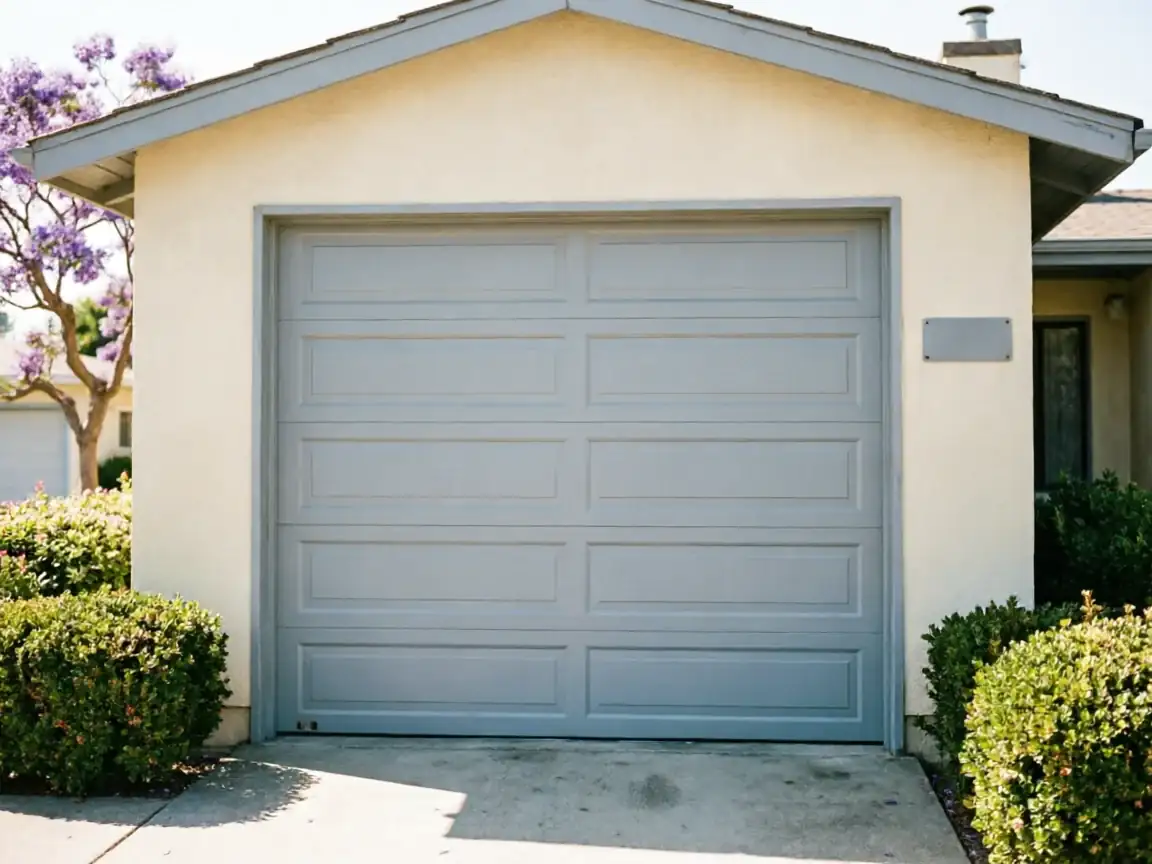
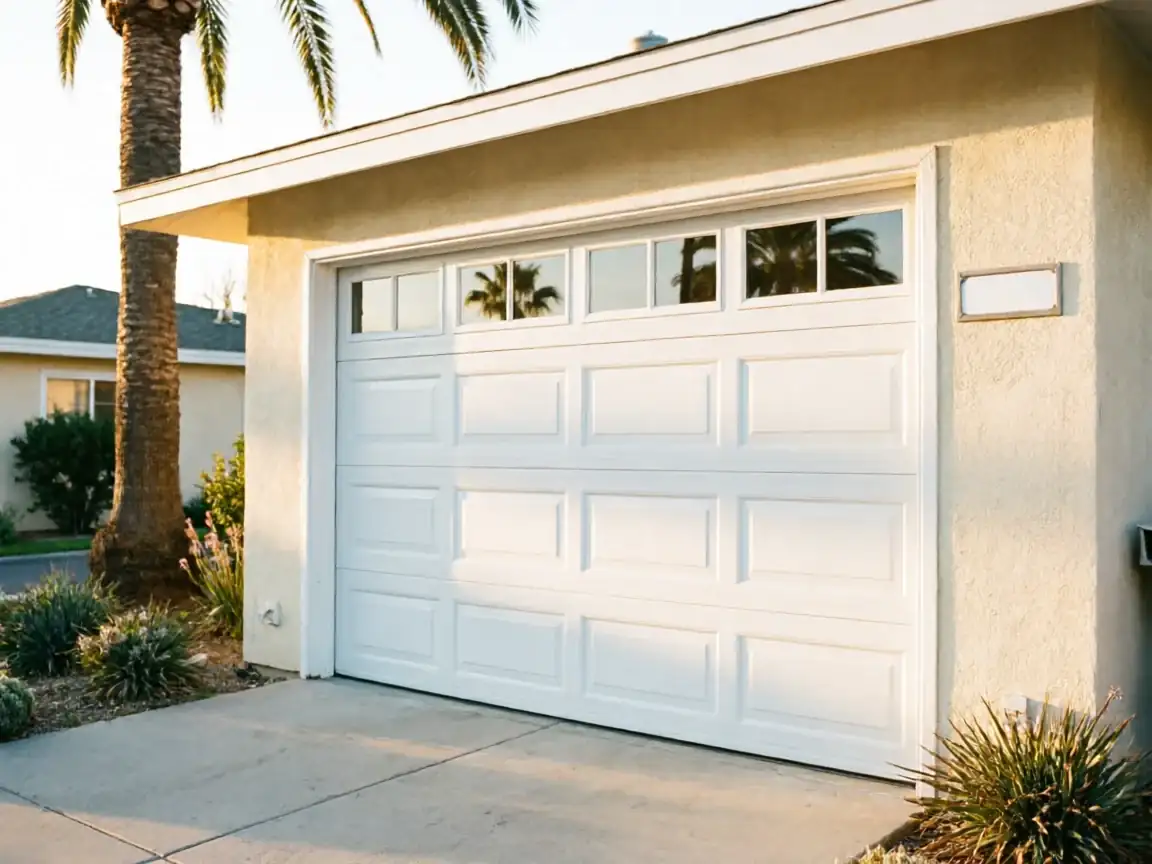
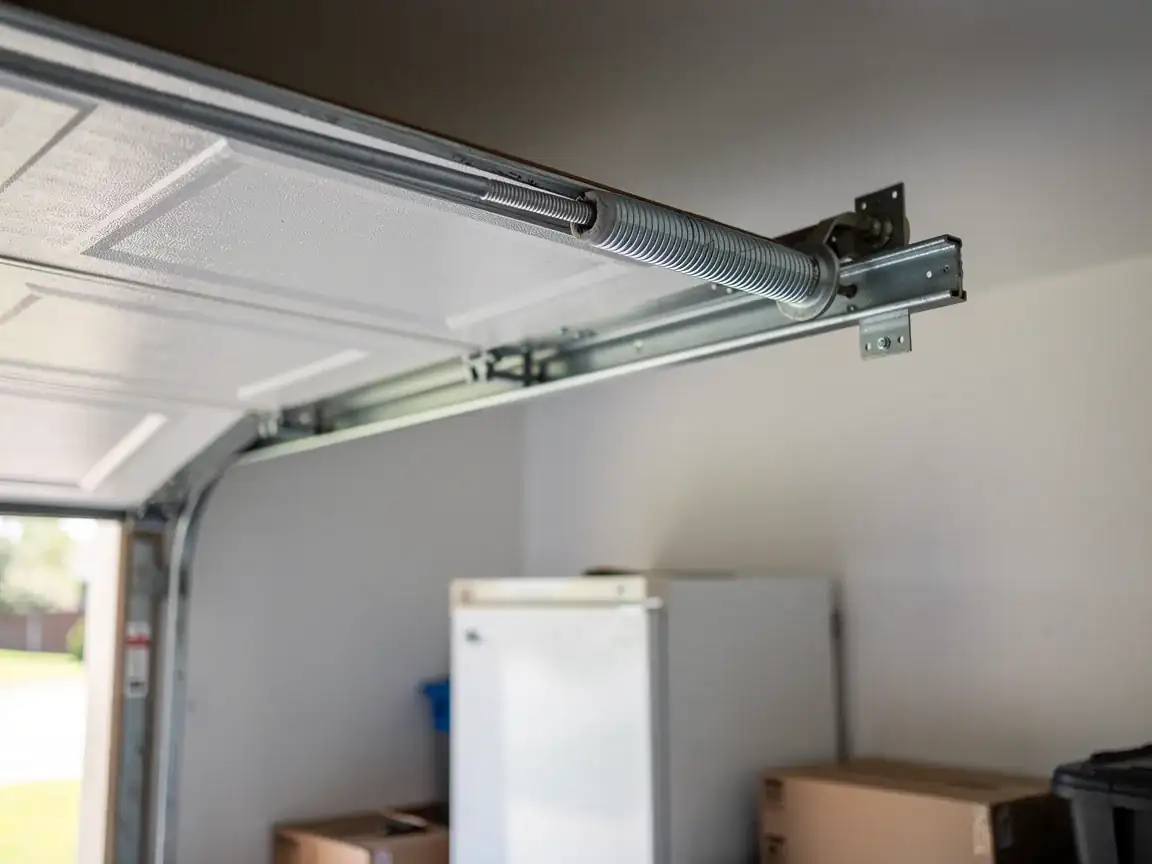
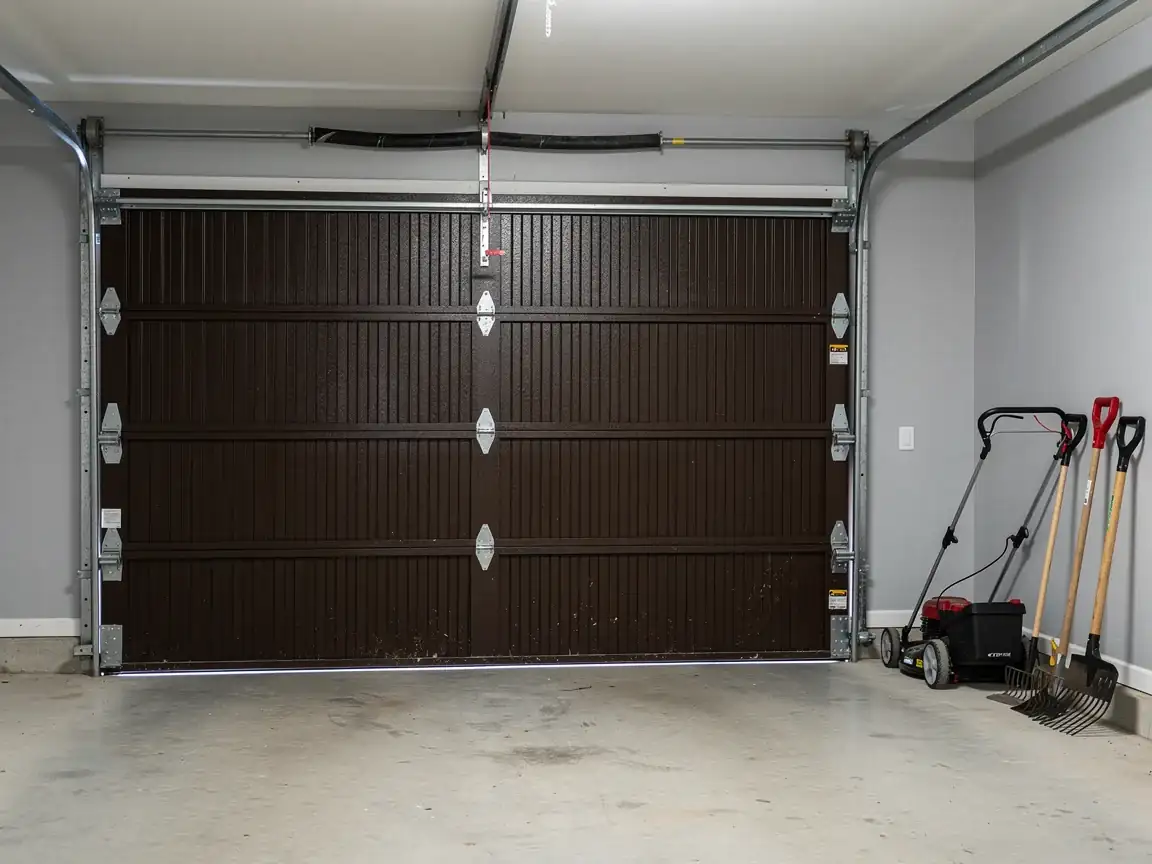
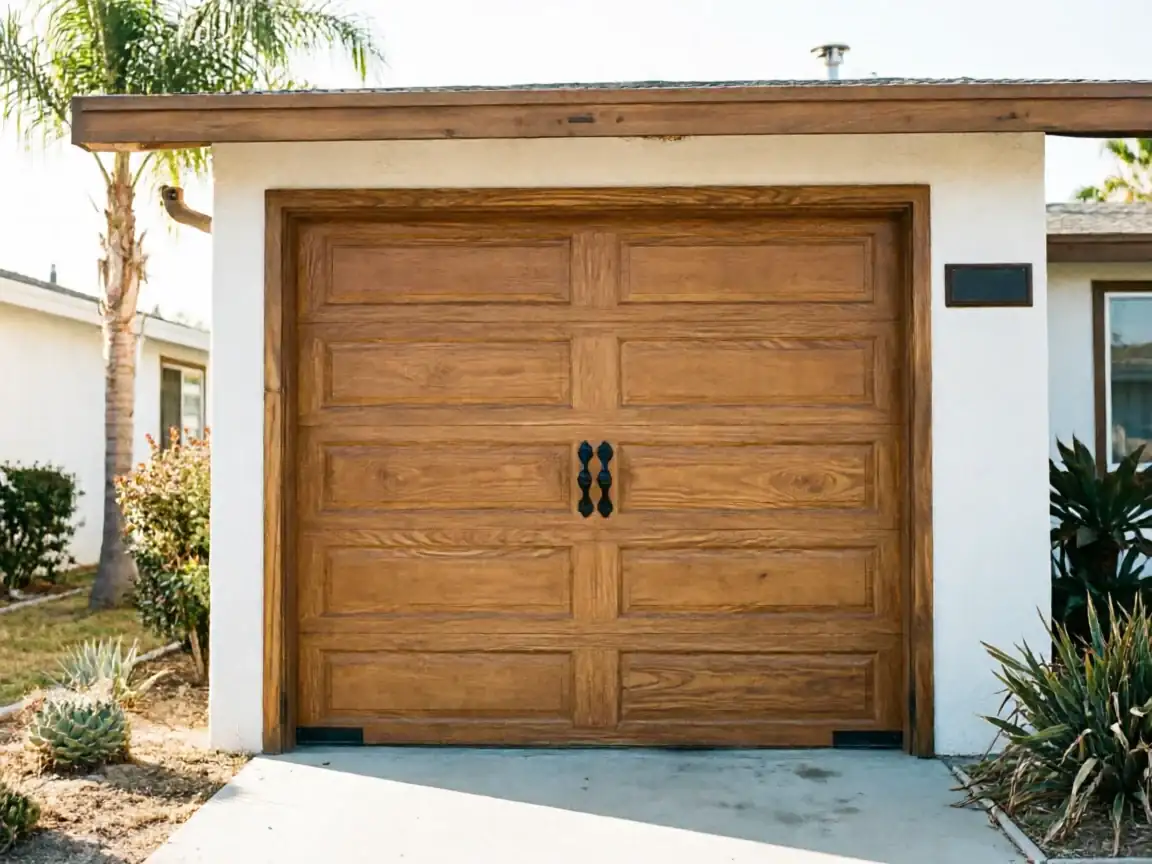
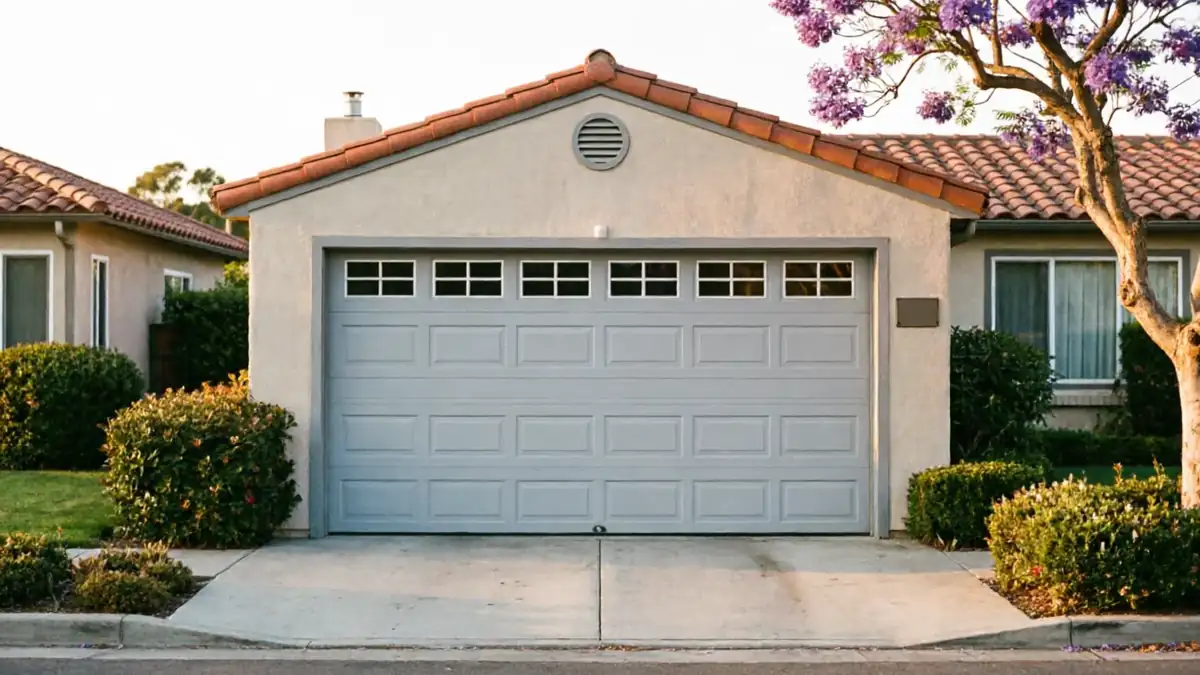
A house built in the mid-90s almost always came with a factory steel sectional door and a chain or belt-drive opener from that generation, not the one-piece slab doors or older extension-spring setups you'll still find on the 1960s and 70s streets elsewhere in the area. The springs are torsion, the track is standard 2-inch, and the hardware is the kind parts stores actually still stock. That's good news for repair cost and turnaround.
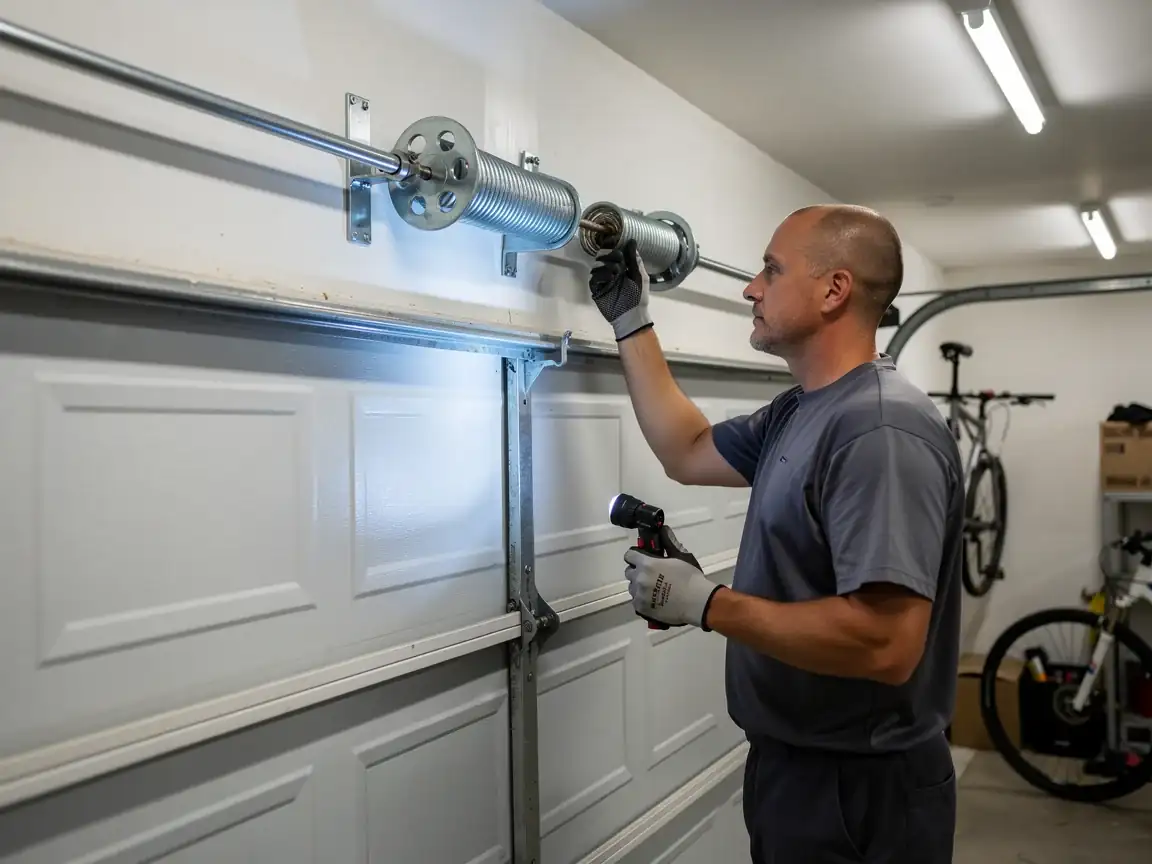
What does go wrong in a 1990s door at this point is age catching up with original parts - the opener motor nearing the end of its duty cycle, nylon rollers worn oval, torsion springs reaching the end of their cycle count. None of that is exotic. It's just a door old enough to need its first or second full round of maintenance, not a door old enough to need parts nobody makes any more.
What Was Built Here
With a median build year of 1996, most Riverbank garage doors are pushing toward 30 years old, which is right in the window where torsion springs and original opener motors start failing without much warning. Add the region's severe heat - summer temperatures that put real stress on opener circuit boards and dry out lubrication on rollers and hinges faster than a mild climate would - and you get a fairly predictable failure pattern: spring snaps in the hot months, opener logic board goes first on the oldest units, weatherstripping cracks and lets dust in.
We don't see much of the original-door-nobody-stocks-parts-for problem here the way we do in older corners of the wider area. What we do see is doors that were never serviced after the builder left - no spring balance check, no roller replacement - because they didn't need it for fifteen years. They need it now.
Income in the area runs higher too, a median household income around $90,216 against roughly $86,676 across the broader service footprint, and in practice that shows up as more owners choosing a full opener upgrade or insulated panel replacement over a patch repair, once a tech lays out the real condition of a 25-plus-year-old system.
Older vs Newer Streets
Not every block in Riverbank dates to the same stretch
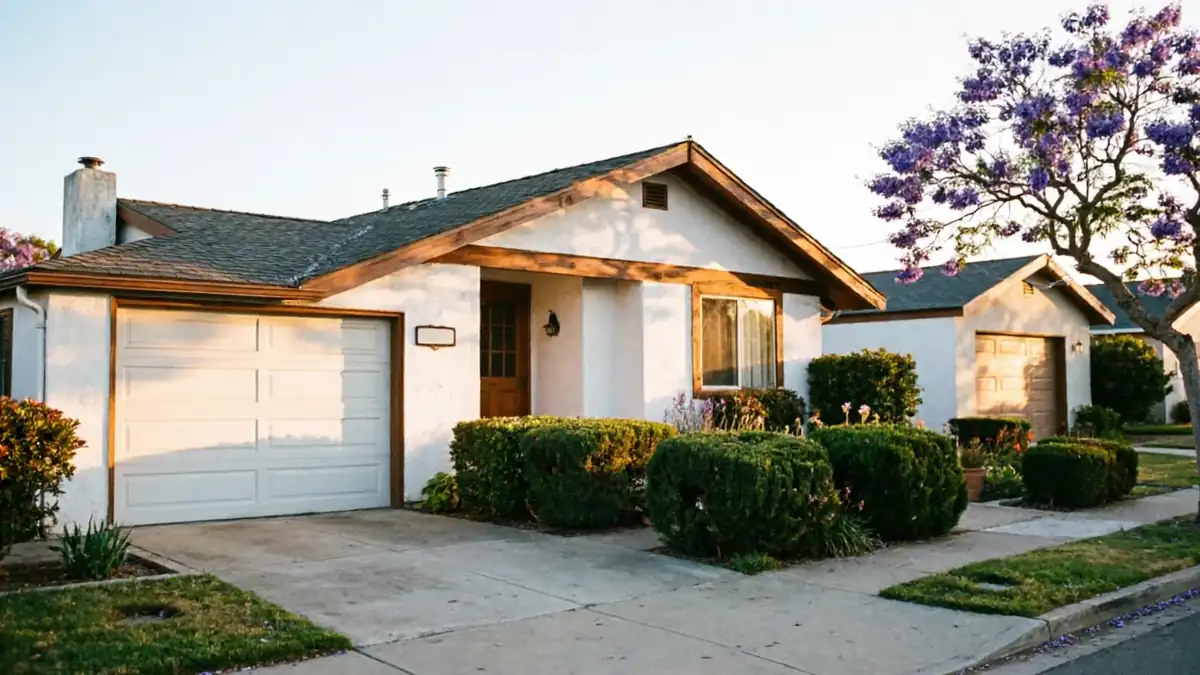
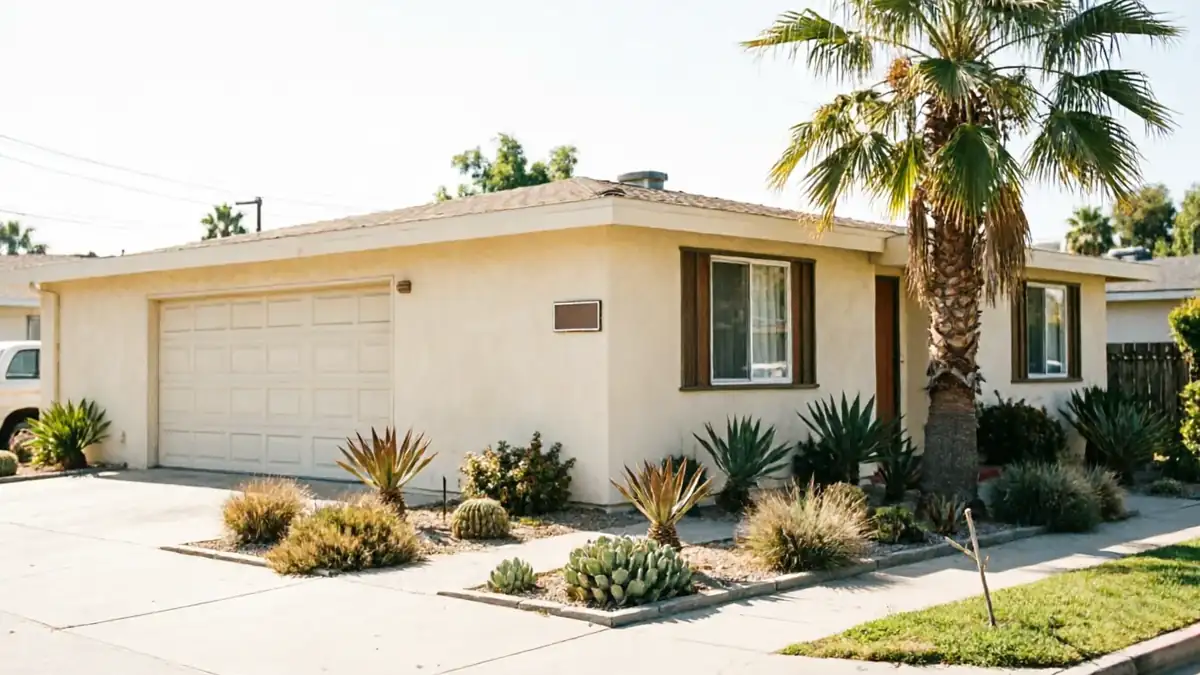
The area's median sits at 1996, but that's a median, not a wall - some streets went up earlier, closer to the wider service area's 1987 median, and those houses are more likely to carry an older extension-spring setup or a first-generation chain-drive opener that's genuinely due for replacement rather than repair.
The newer streets, built closer to and after 1996, are the ones where a service call is more often a tune-up
Lubricate, rebalance, replace a roller or a worn bottom seal, check the opener's force settings. The older pockets are where we're more likely to recommend swapping the whole spring system or the opener outright, because patching a 35-year-old unit often costs close to what a new one does.
If you're not sure which category your house falls into, the opener itself is a decent clue
A chain-drive unit with a visible manual release cord and no battery backup usually points to the older end of the range. A belt-drive with a keypad built into the wall console usually points newer. Either way, we'll tell you plainly whether a repair is worth doing or whether you're better off replacing before it fails on you.