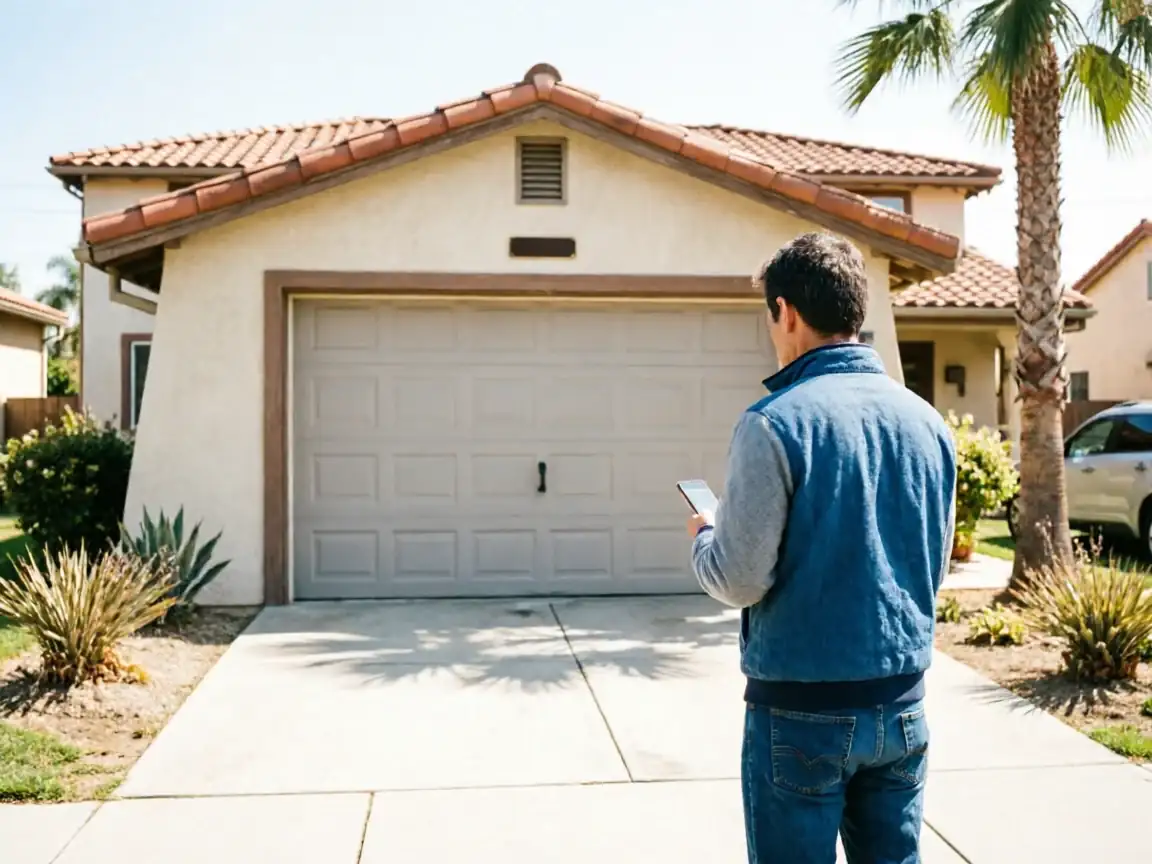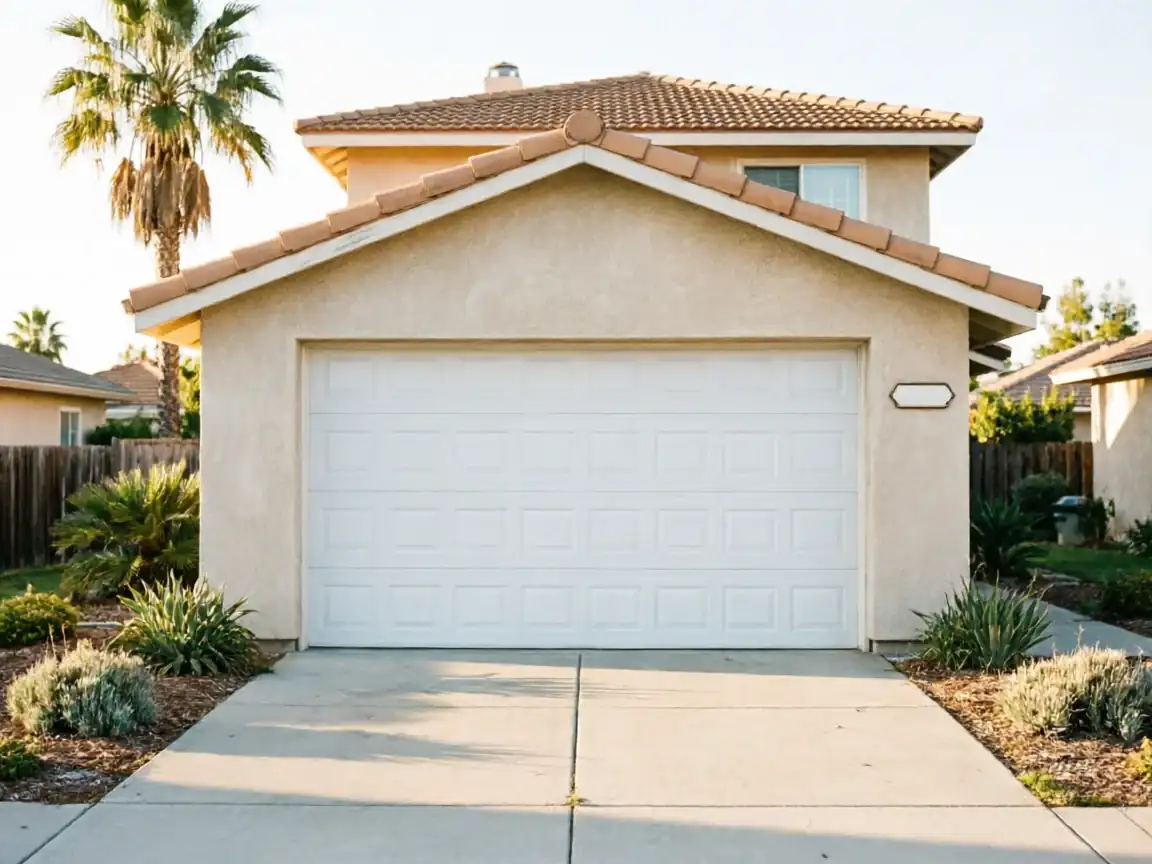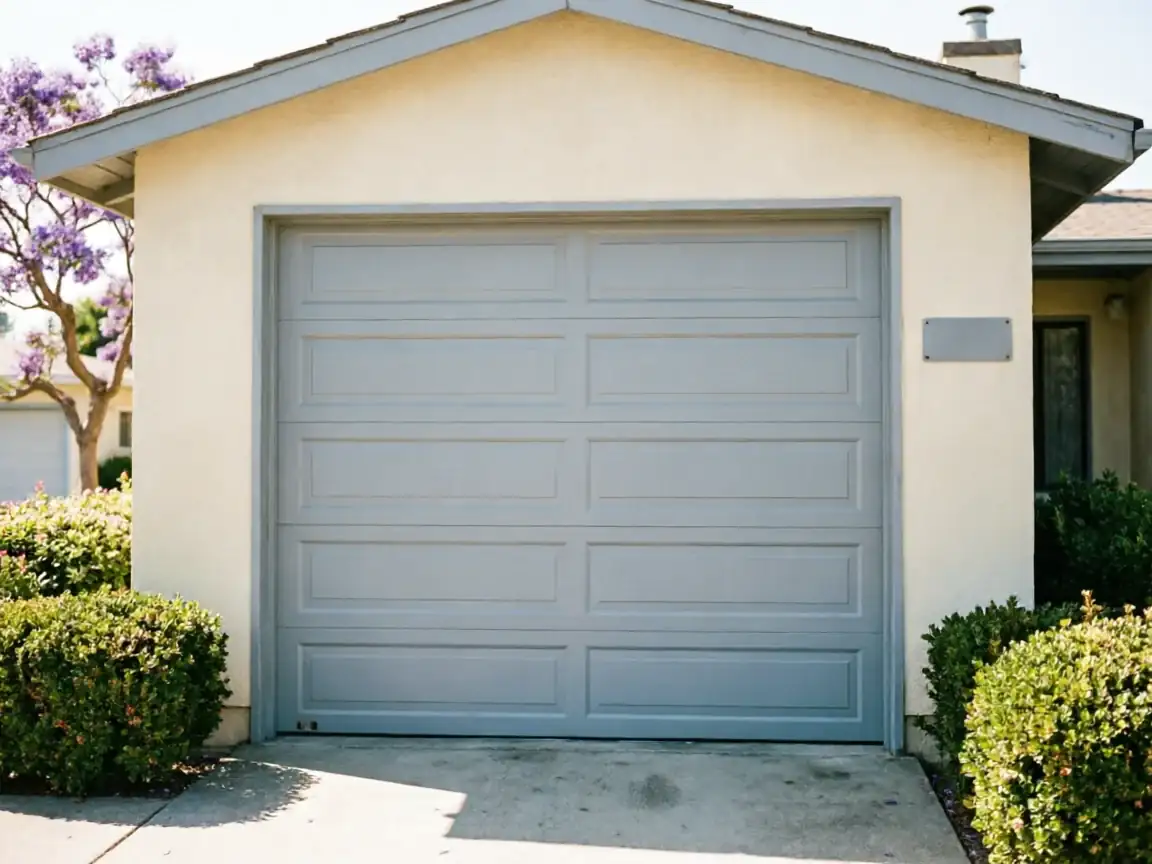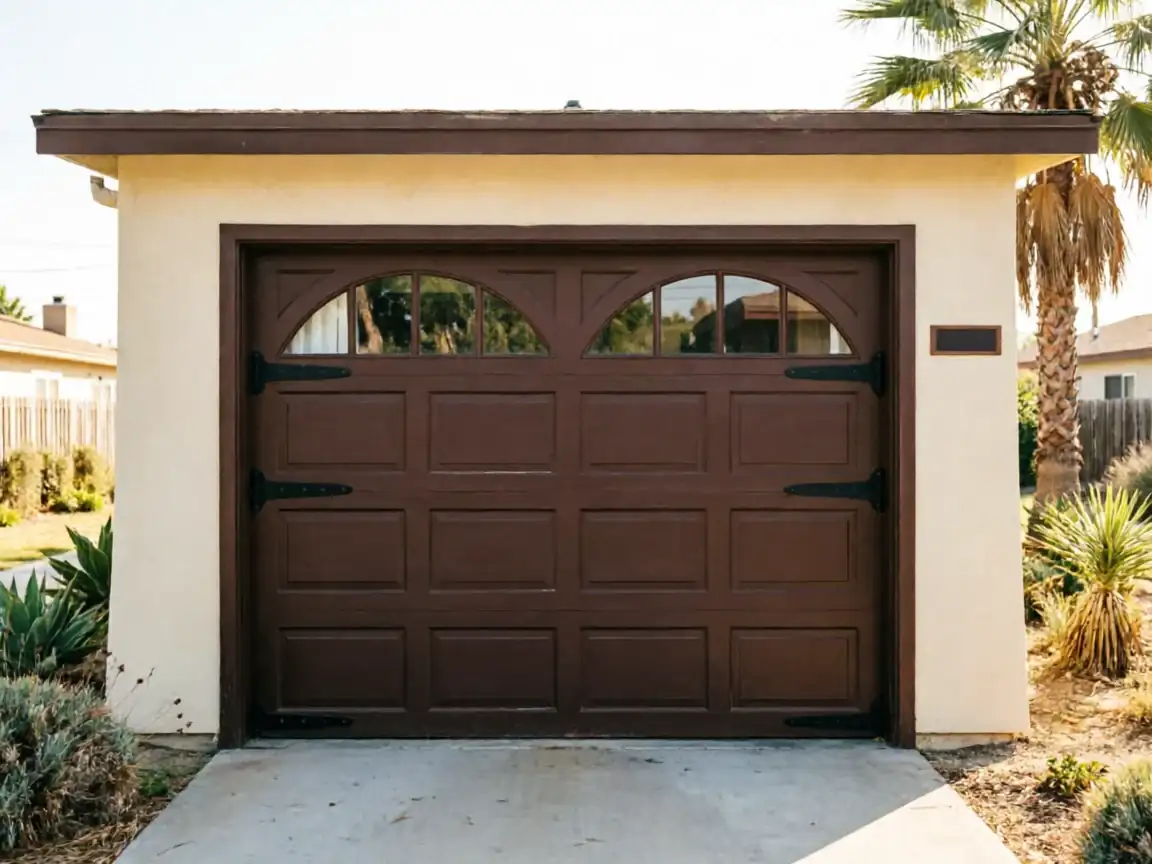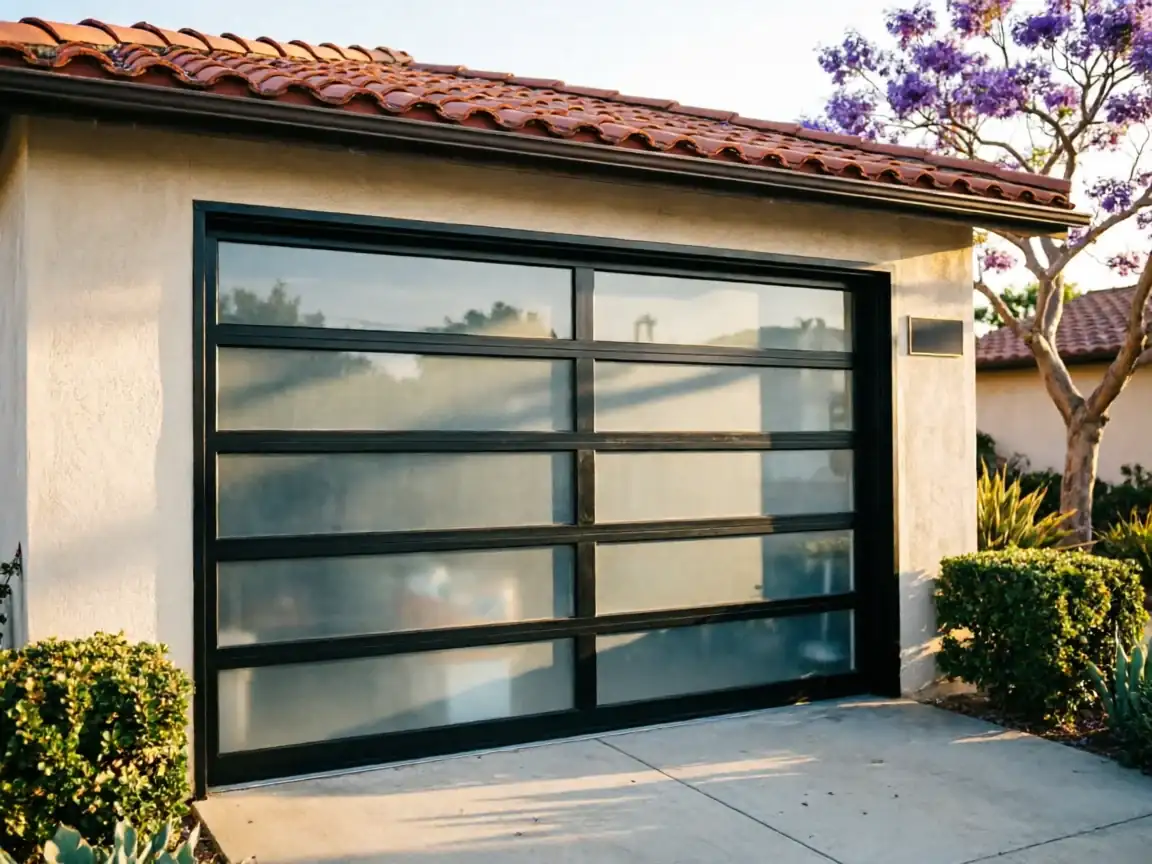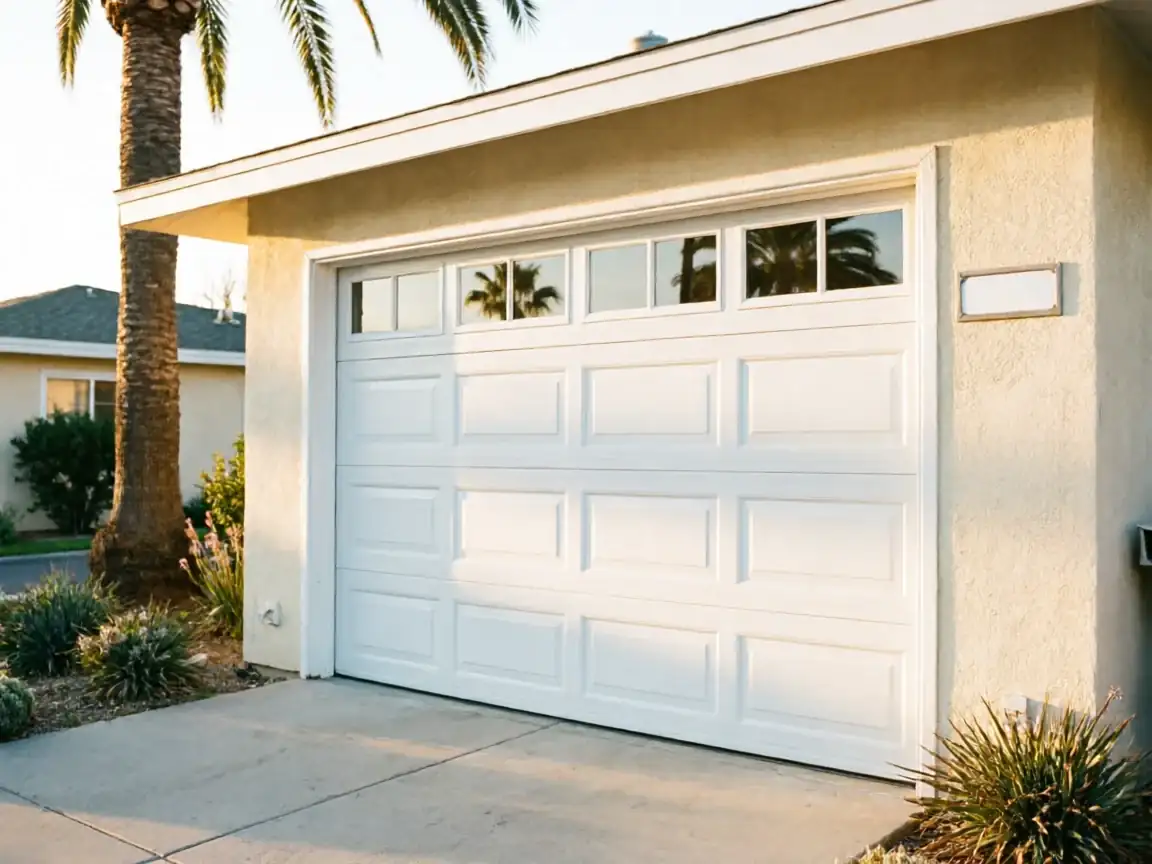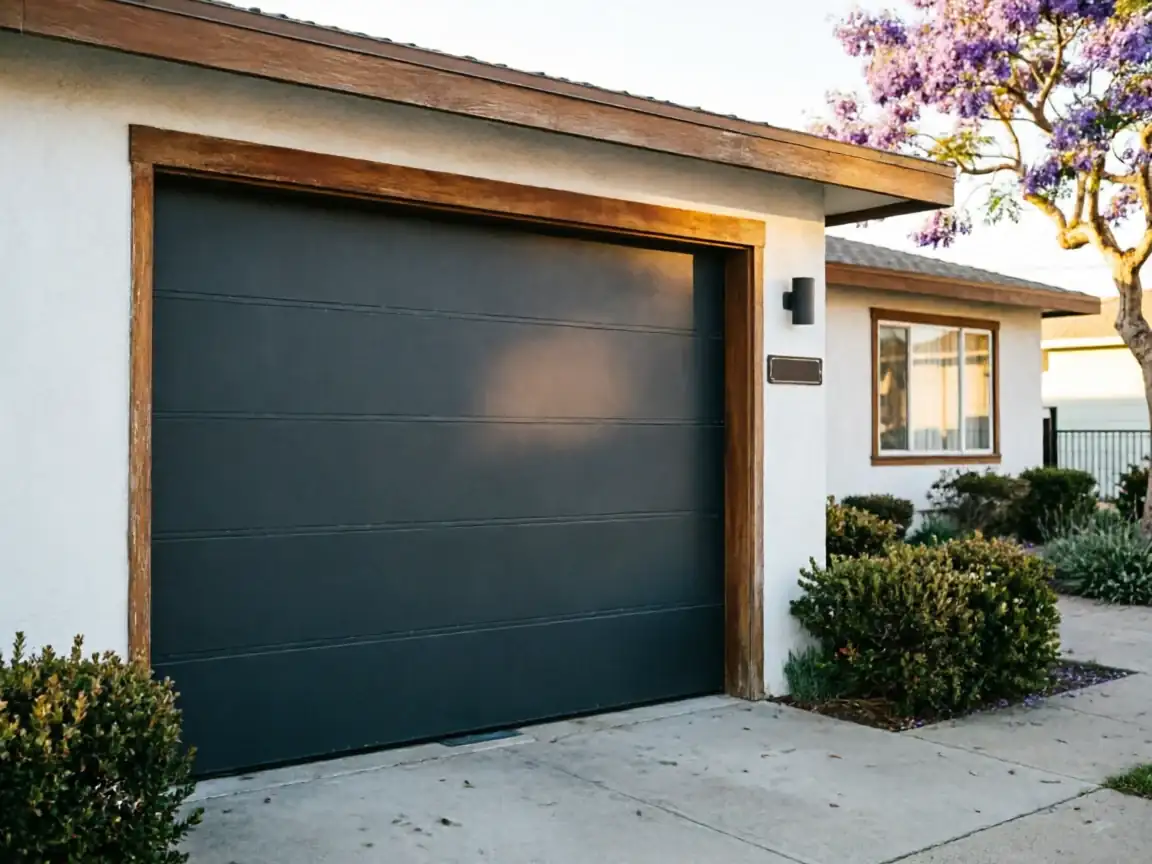
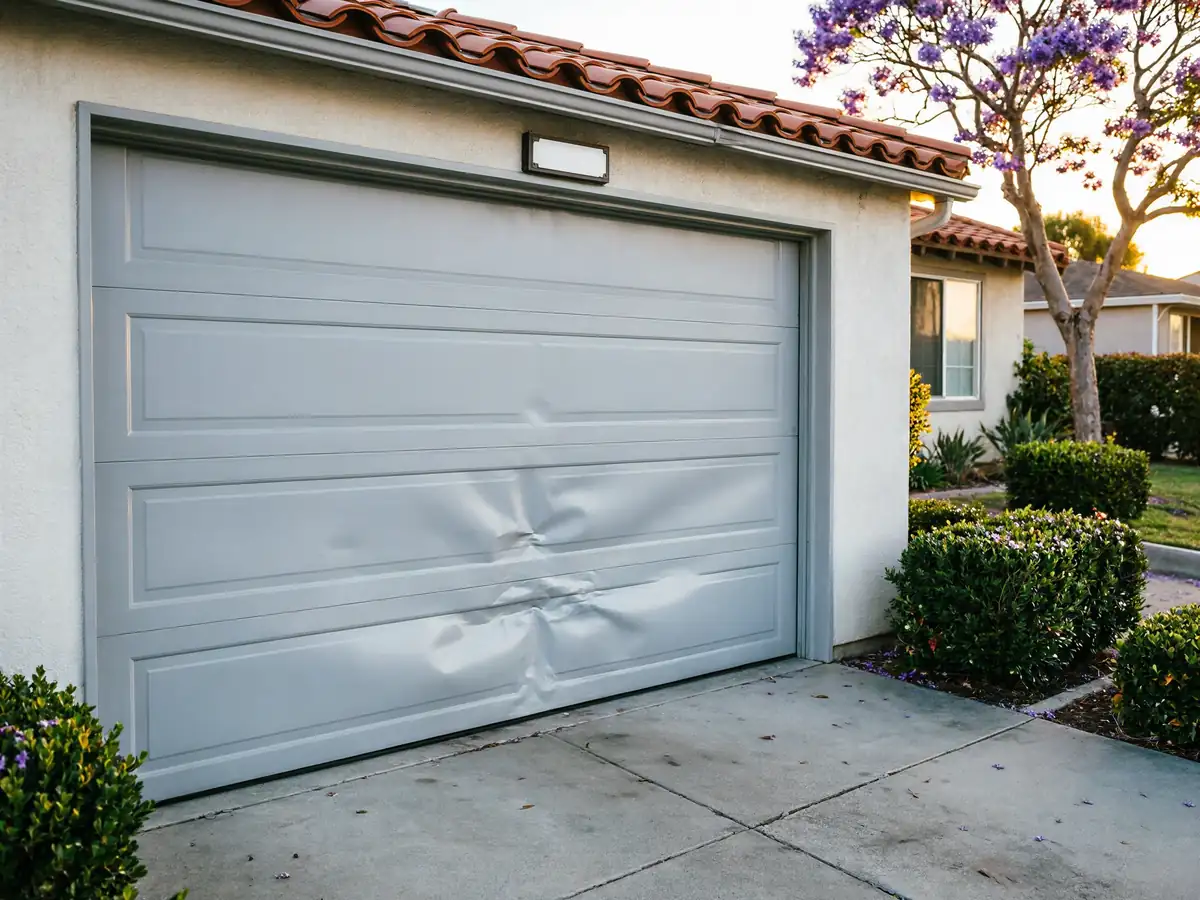
What You Are Seeing
A single panel with a dent from a bumper tap, a crack running along a seam
Or a bottom section gone soft and bowed where water sat against it for years. Sometimes it's one section out of four or five that's visibly off - darker, lighter, or sitting at a slightly different angle than the rest of the door. On a lot of the doors we look at, the gap between panels has widened enough that you can see daylight through it when the door's down.
Because Modesto's housing stock runs from 1945 through 2000
With the median build year landing around 1987, a good share of the doors we're called out to are originals or first replacements on houses that age. The steel gauge used on doors from that era is thinner than what's sold today, and the panel profiles - the ridge pattern, the screw spacing, the exact width of each section - often don't match anything currently in production. That's the first thing we check before we talk about fixing anything: can this panel be matched at all, or are we looking at a different kind of job.
What the Fix Involves
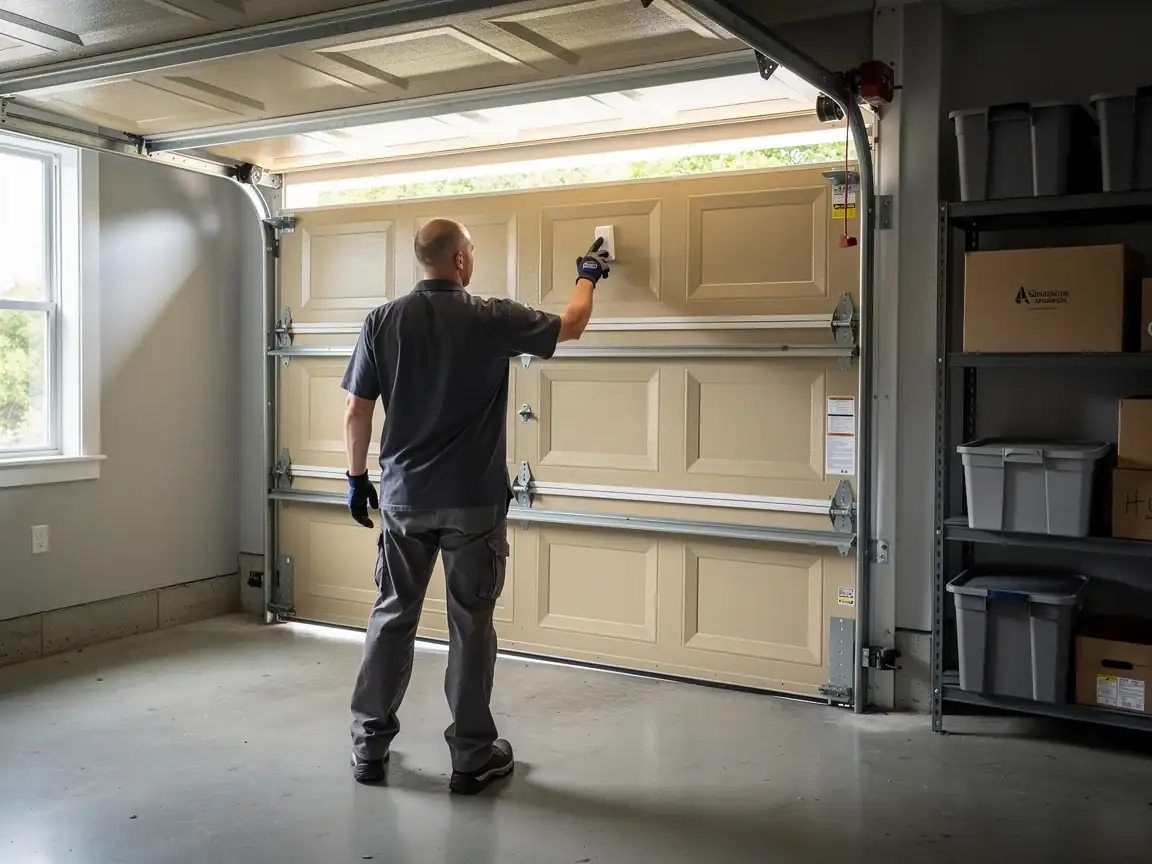
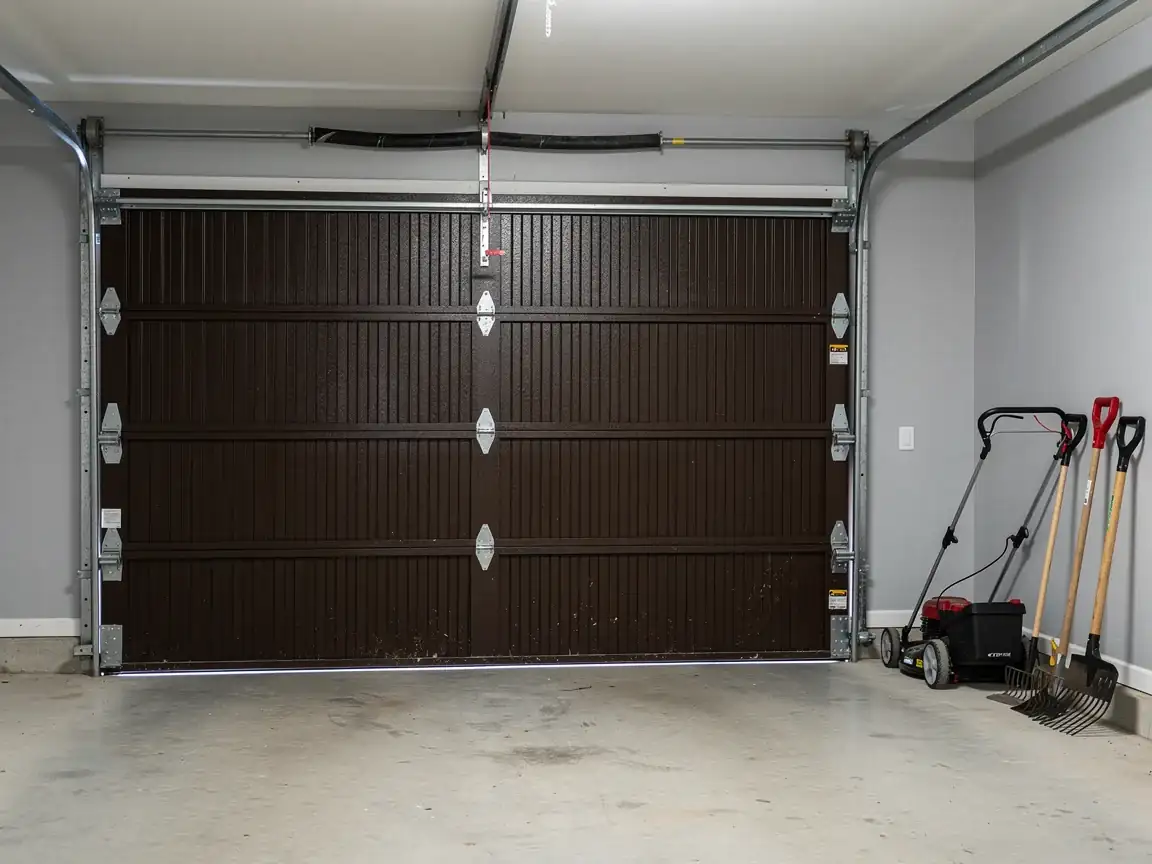
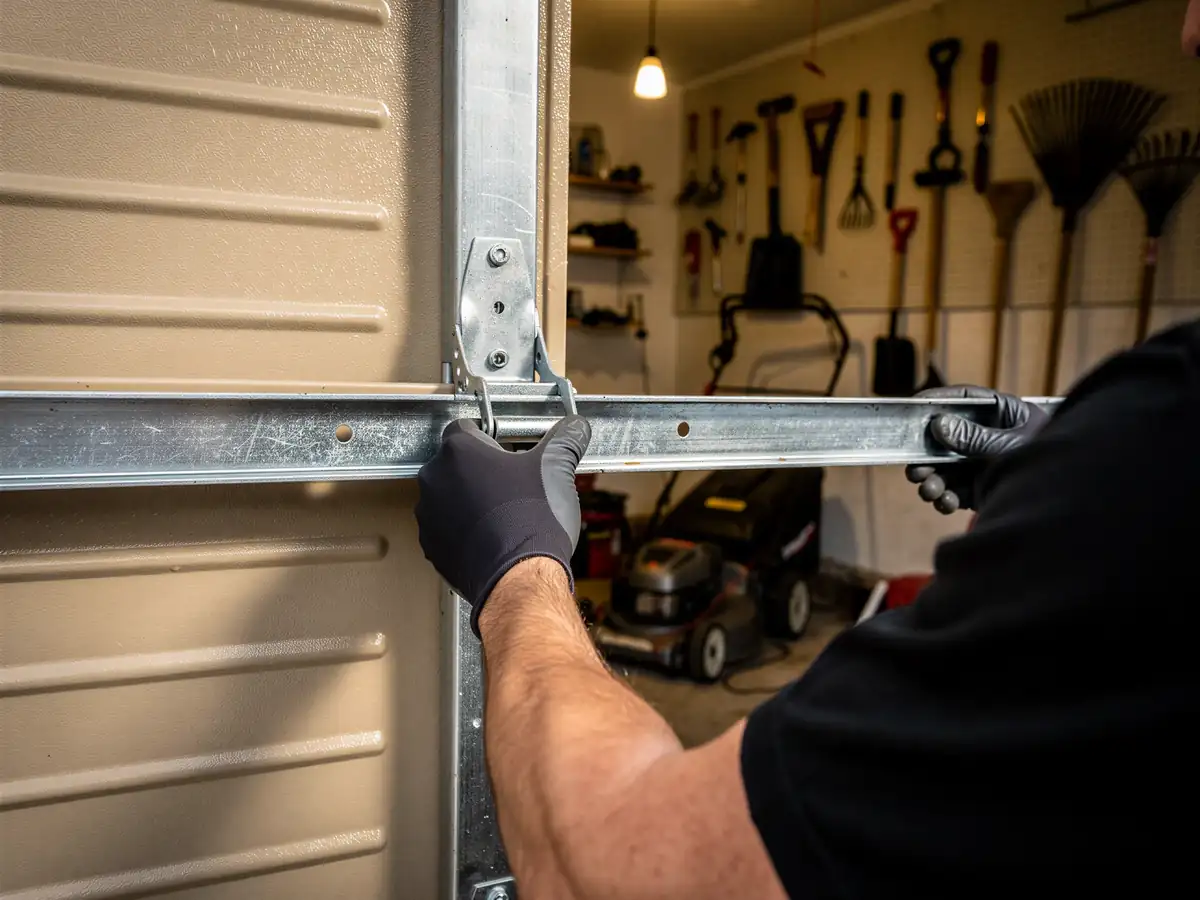
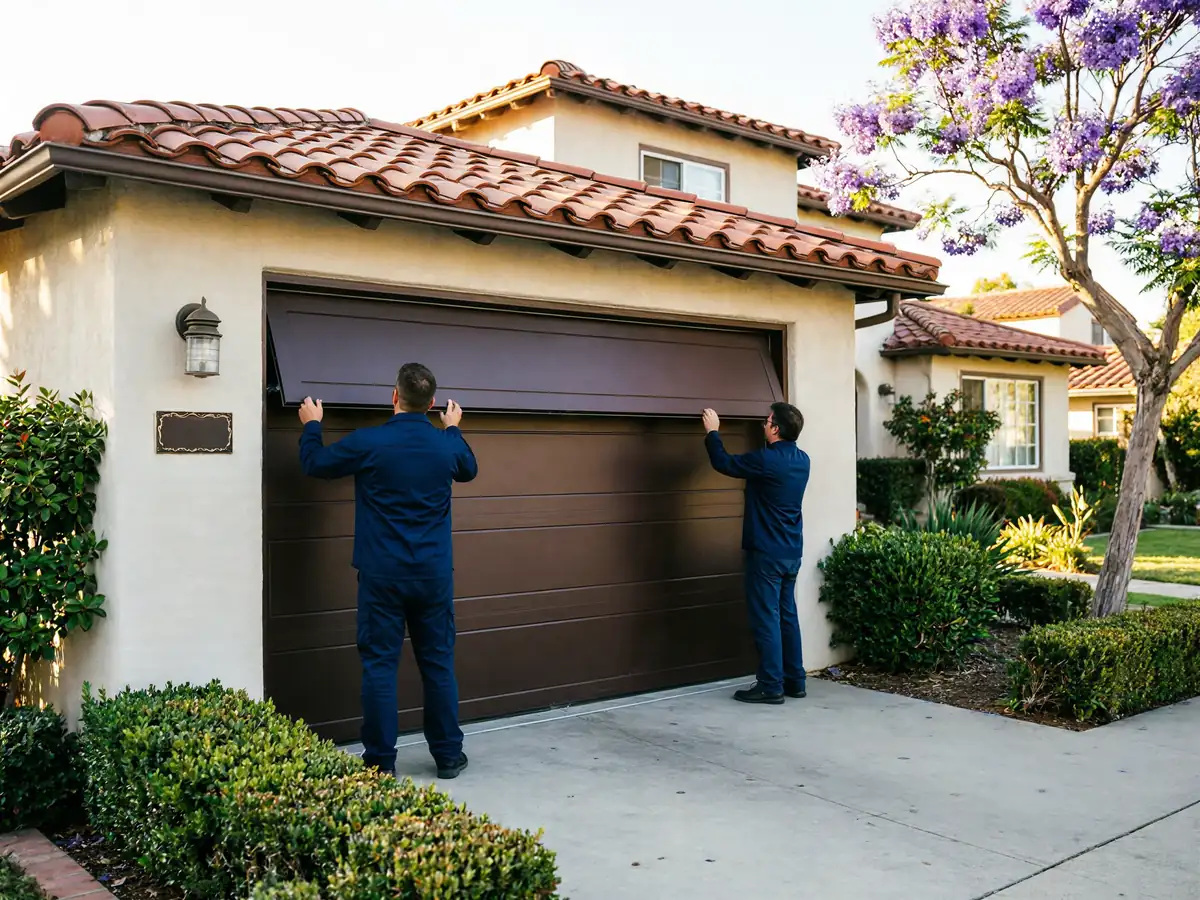
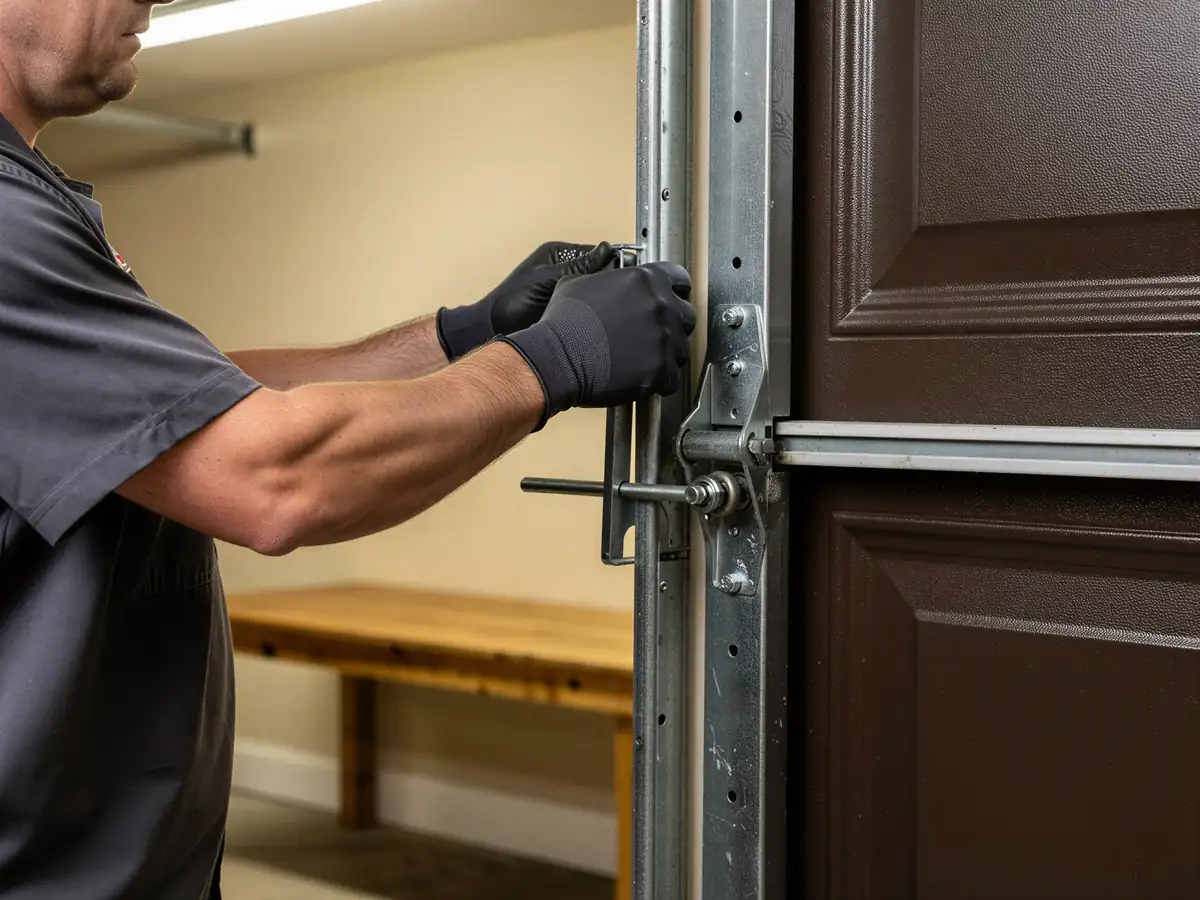
If the door still makes a matching panel, we order it, pull the damaged section off the hinges and end stiles, and set the new one in without touching the rest of the door - spring tension and track alignment stay as they were. That's the clean version of this job and it's usually a single visit once the part's in hand.
The harder version is when the panel profile is discontinued, which happens more than you'd think on doors from the 1980s and 90s that make up most of what's out there. In that case we're either sourcing a close match and accepting a visible seam in finish or texture, or we're telling you straight that panel-matching isn't worth it and a full door replacement will look better and cost less in the long run than chasing a part that barely exists anymore. We'd rather say that up front than sell you a patch that looks patched.
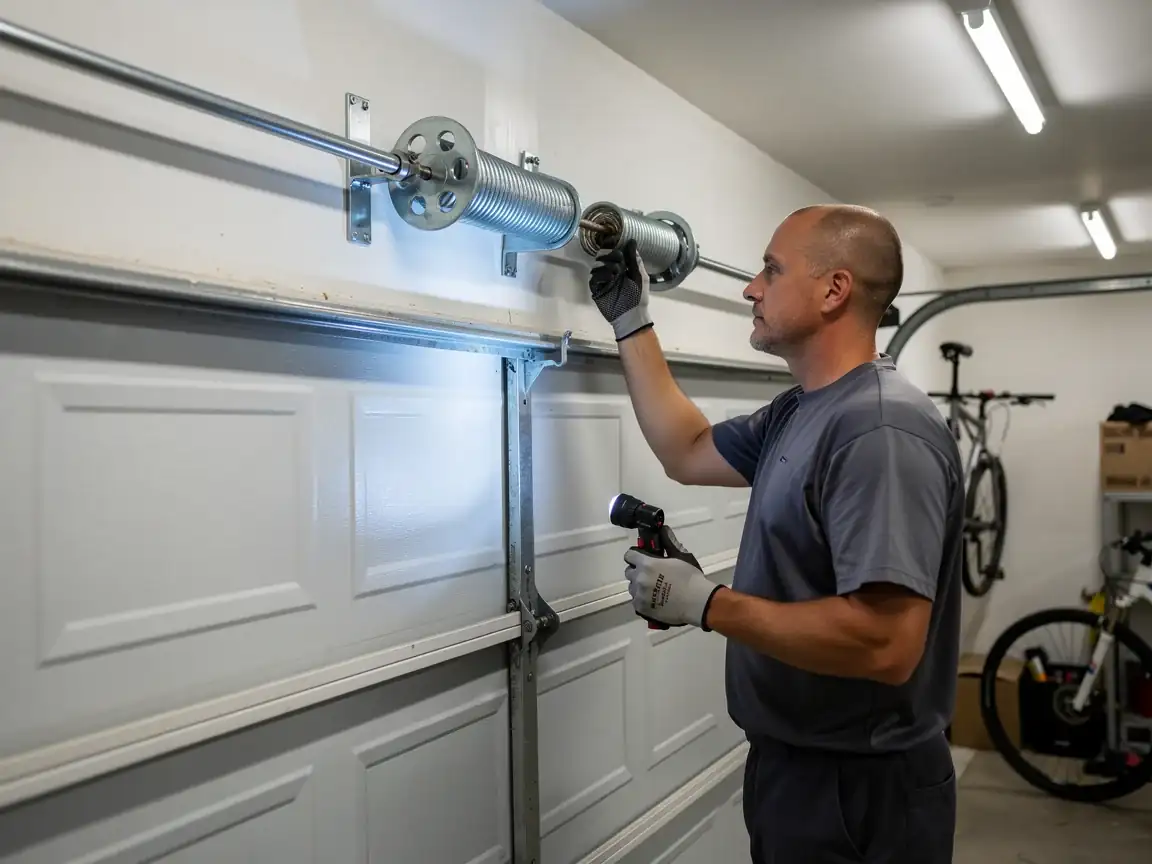
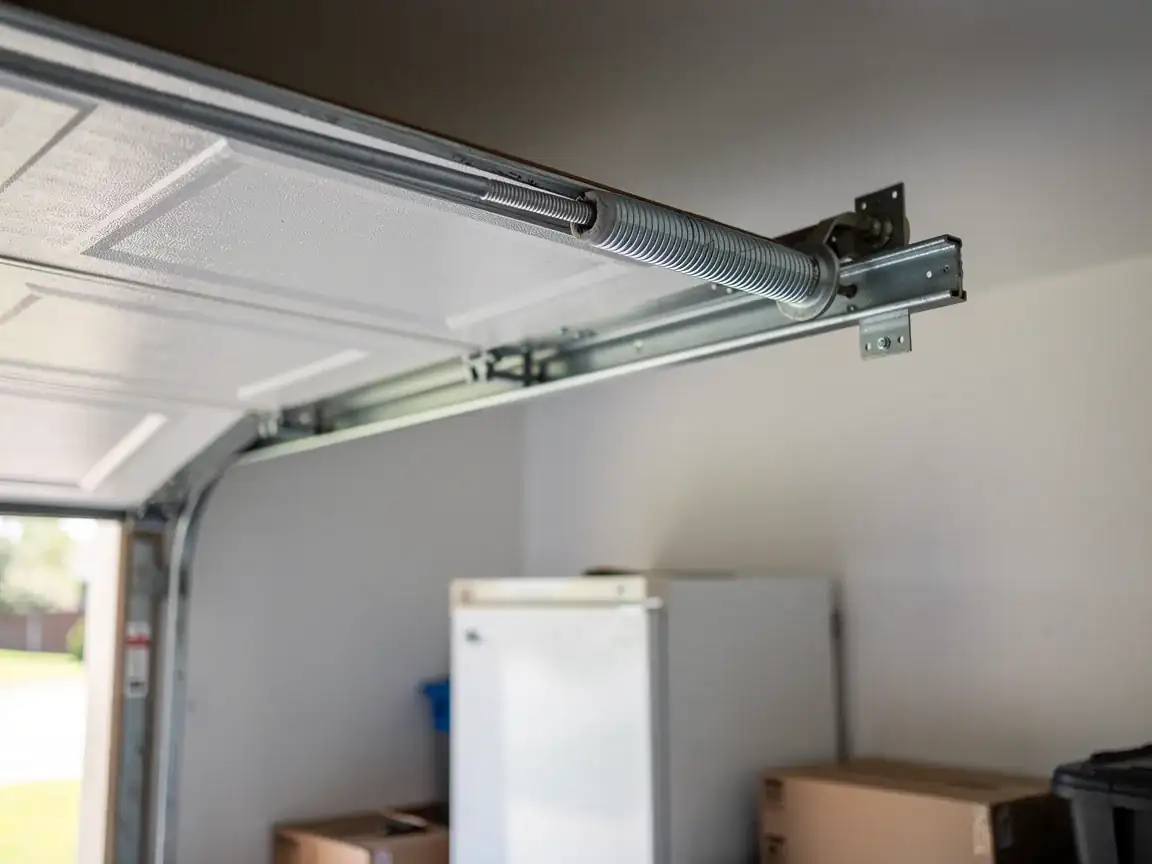
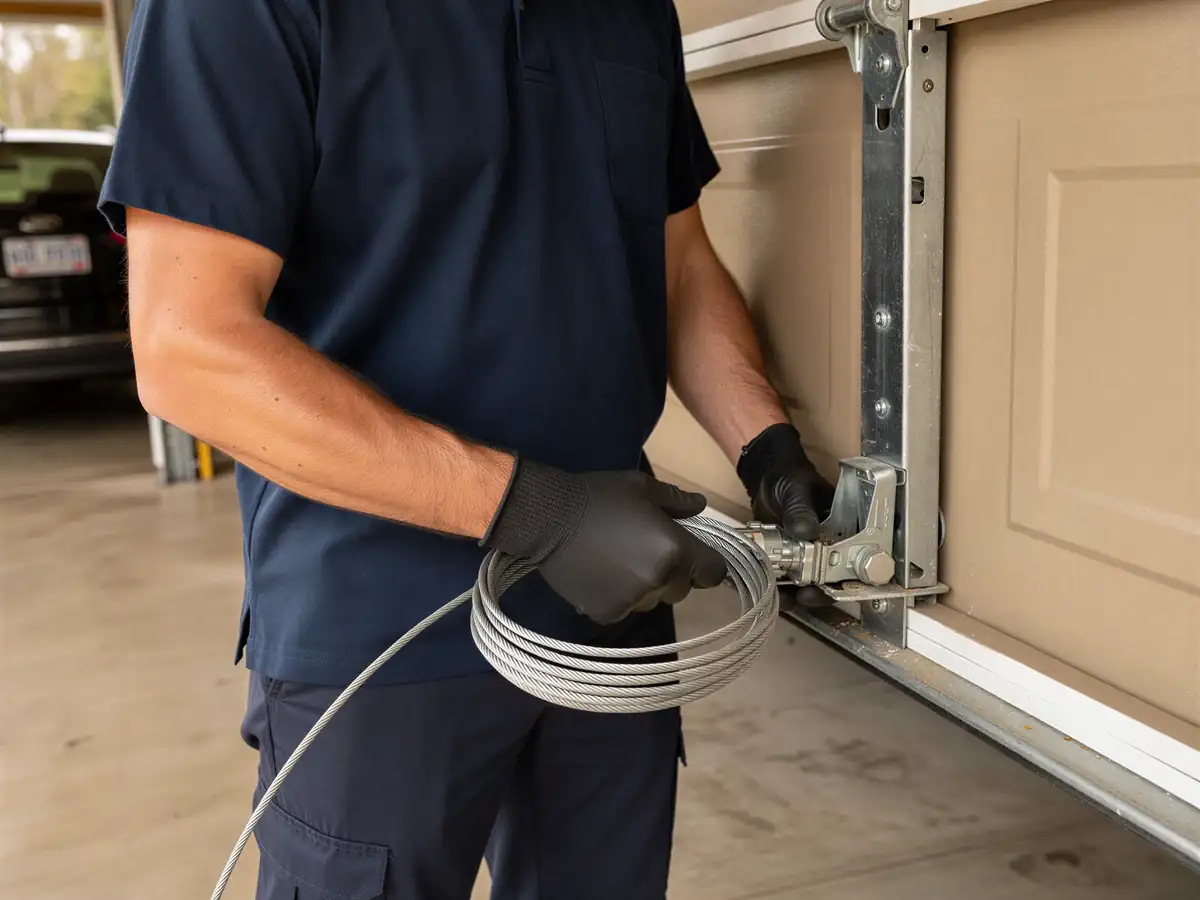
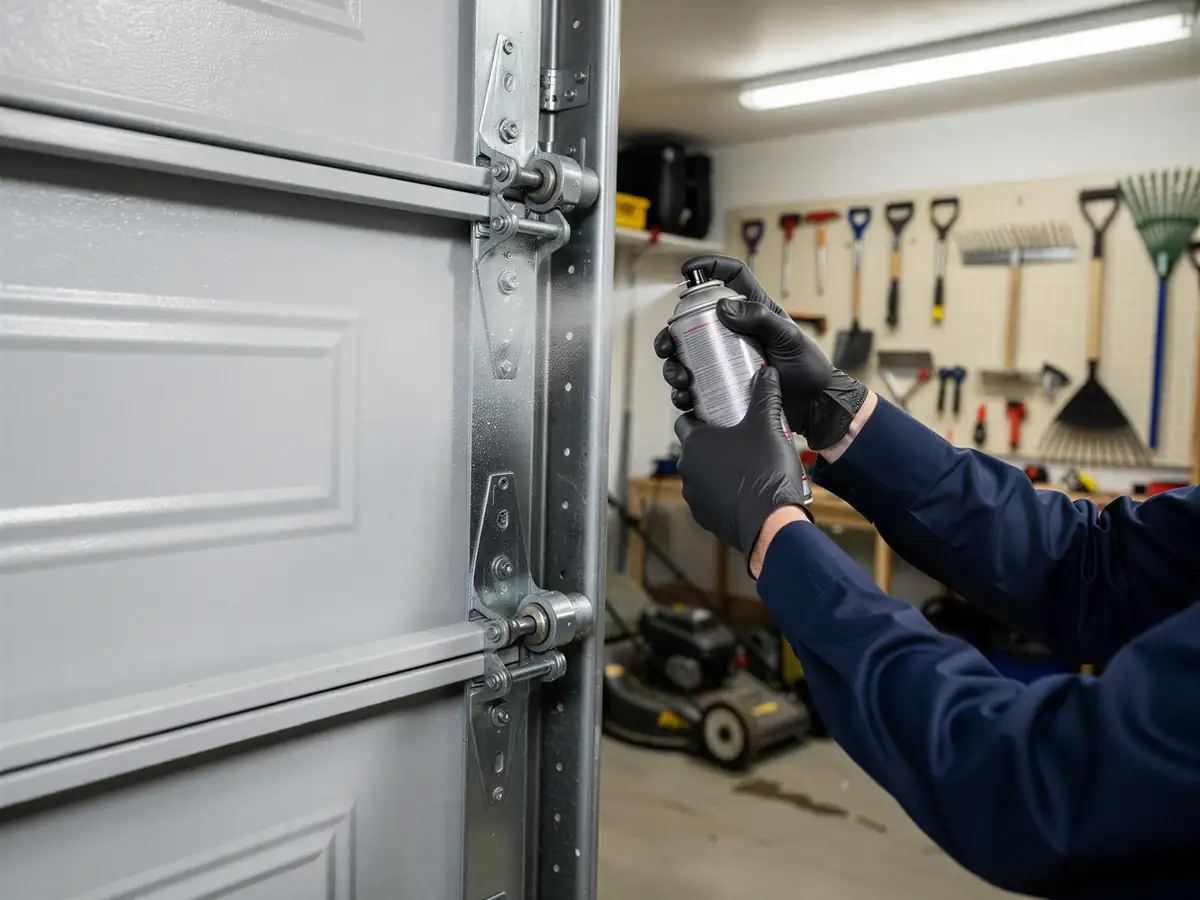
Either way, we check the hinges and rollers tied to that section while we're in there, since a cracked panel on an older door often means the hardware around it has taken the same years of wear.
Why It Happens Here
Two things drive panel failure on this side of the valley: age and heat. The age part is straightforward - doors installed anywhere from 1945 to 2000, with most of the stock dating to the 1980s and 90s, are well past the point where steel fatigues at the seams and hinge points, especially on sections that took a hit early on and were never quite flat again.
The heat part is specific to this climate band, which runs severe. A steel panel facing full sun through a Central Valley summer expands during the day and contracts overnight, over and over, year after year. That cycling works on the seams between sections and on the screws holding hinges to the panel face. On a newer door with heavier gauge steel it's a slow process. On an older, thinner panel it shows up as a hairline crack that eventually becomes a visible split, usually along the bottom one or two sections where the sun hits hardest and moisture collects at ground level.
Booking a Visit
We cover the Modesto service area out to about a 19-mile radius
Airport and West Modesto are two miles out, Ceres and Empire follow, then Salida, Riverbank, Del Rio, Keyes, and Hughson in the 7-8 mile range, and further out to Ripon, Escalon, Oakdale, Westley, Waterford, Denair, Hickman, Patterson, East Oakdale, Crows Landing, and Delhi. Each of those areas has its own page with local detail; this one covers the panel work itself, wherever you're calling from in that range.
- 8 mile
When you call, tell us roughly how old the door is, how many sections are affected
And whether you can see the brand or model stamped on the end of a panel or the back of the opener rail. That one detail - a model stamp - can save a wasted trip if the panel's been out of production for a decade. We'll tell you on the phone whether this looks like a one-panel job or something bigger before a truck ever rolls.