What the Fix Involves
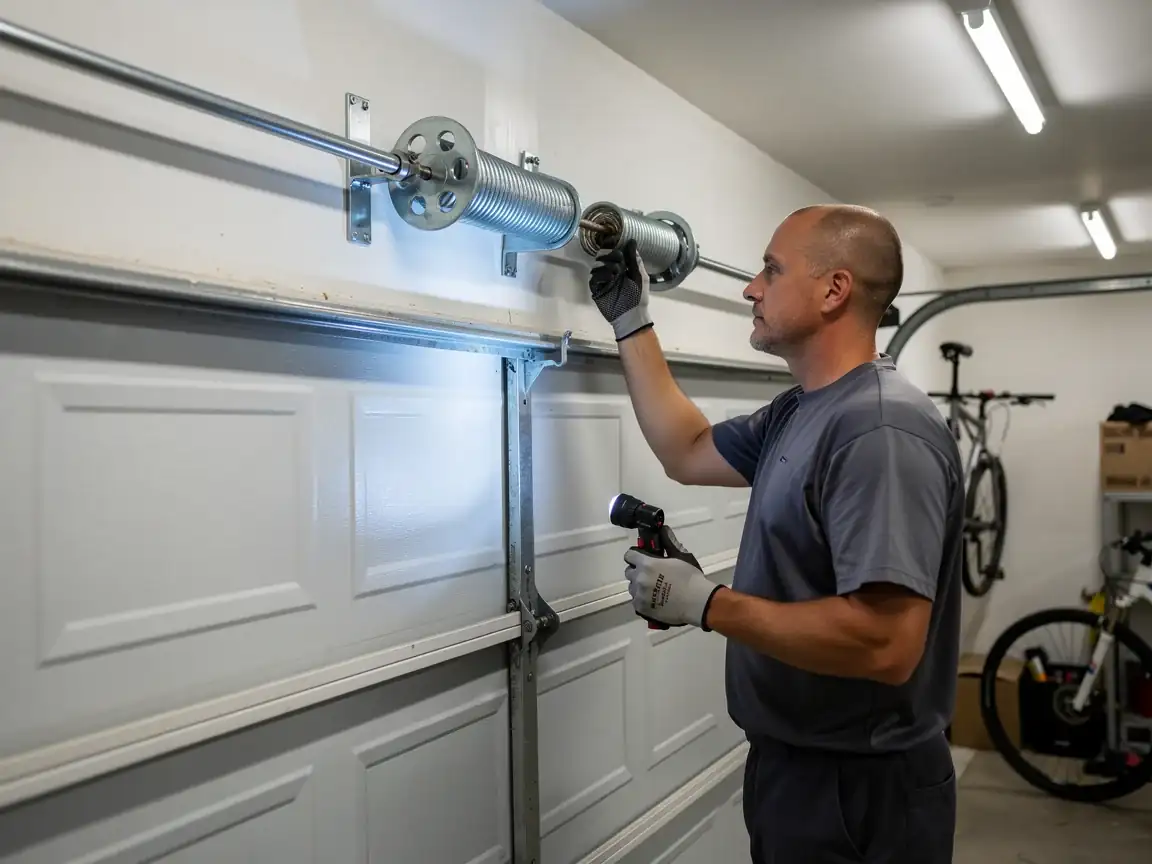
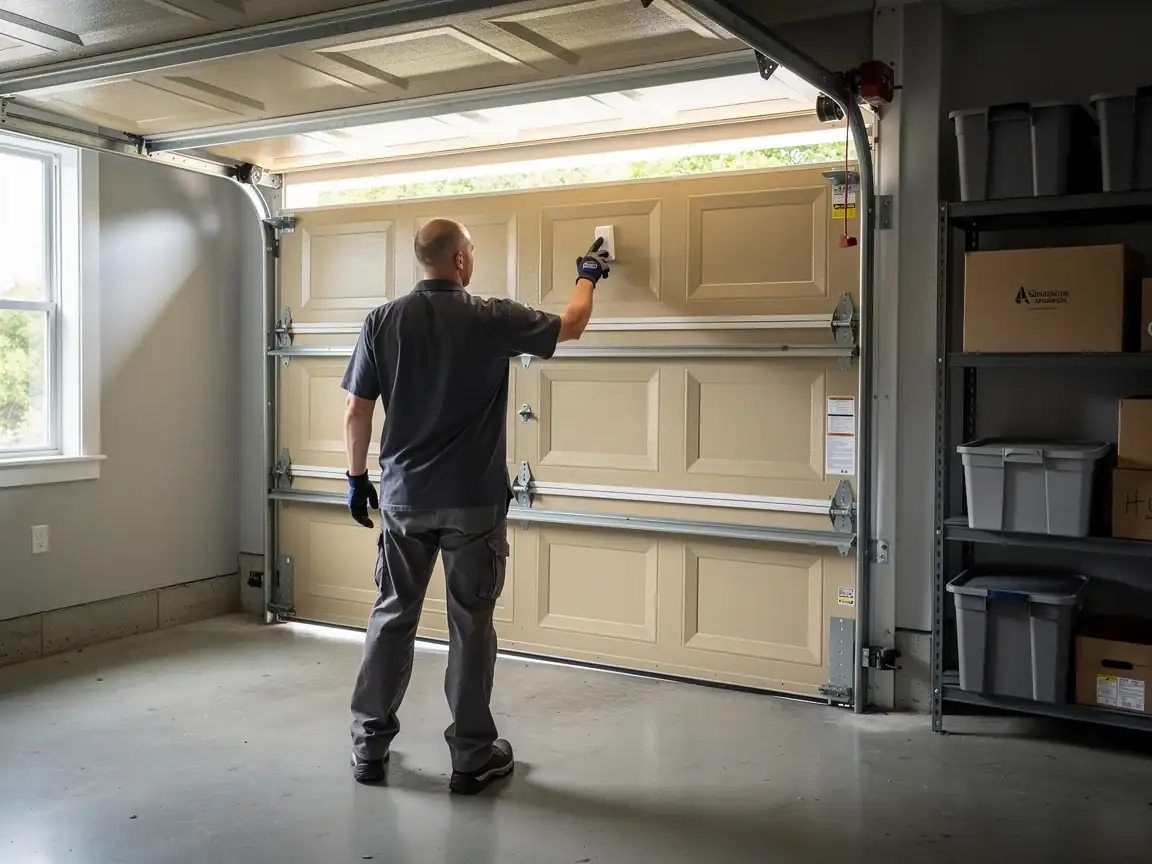
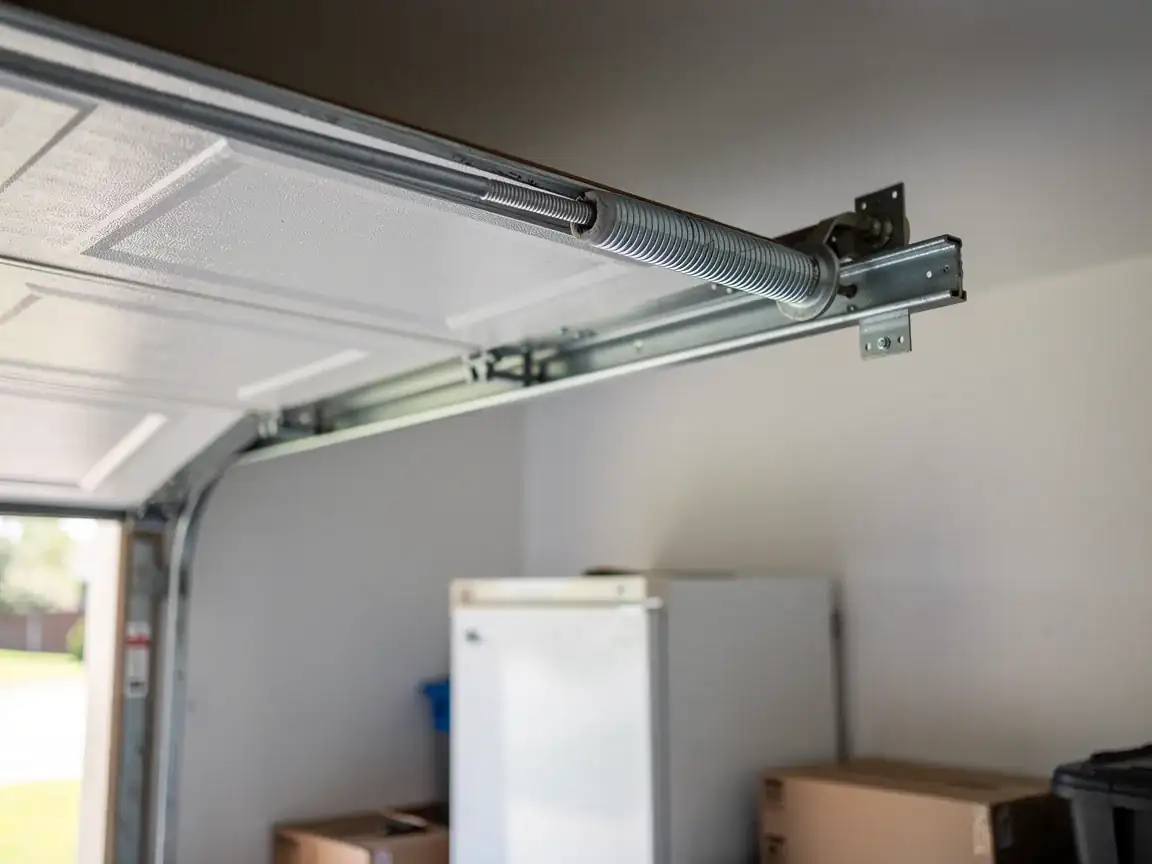
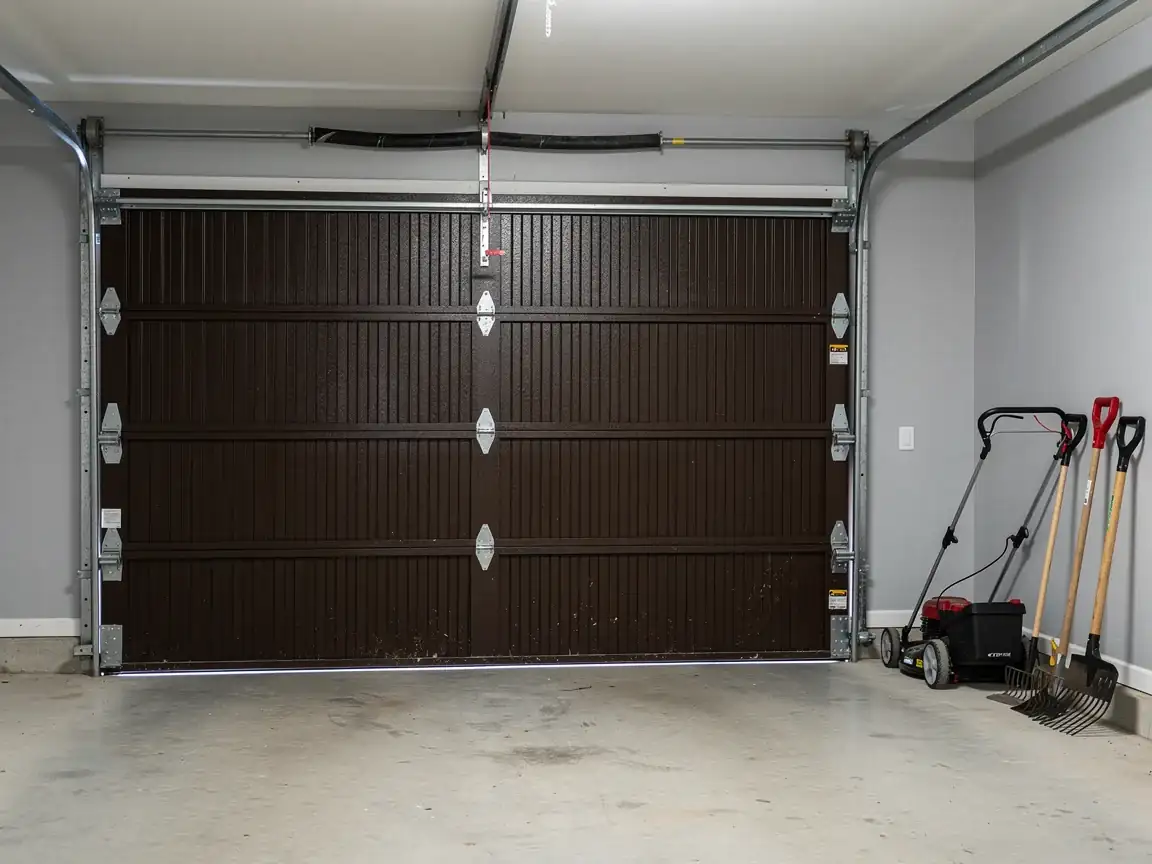
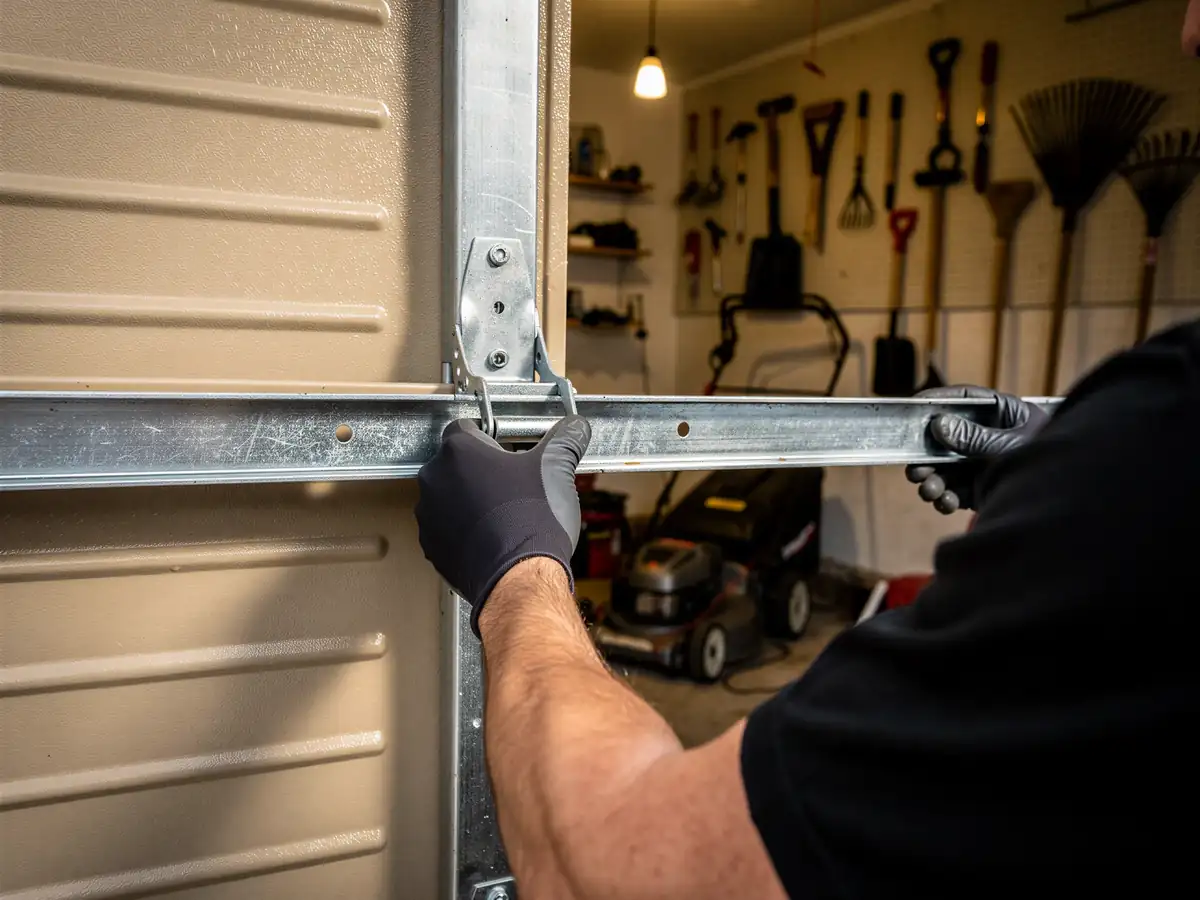
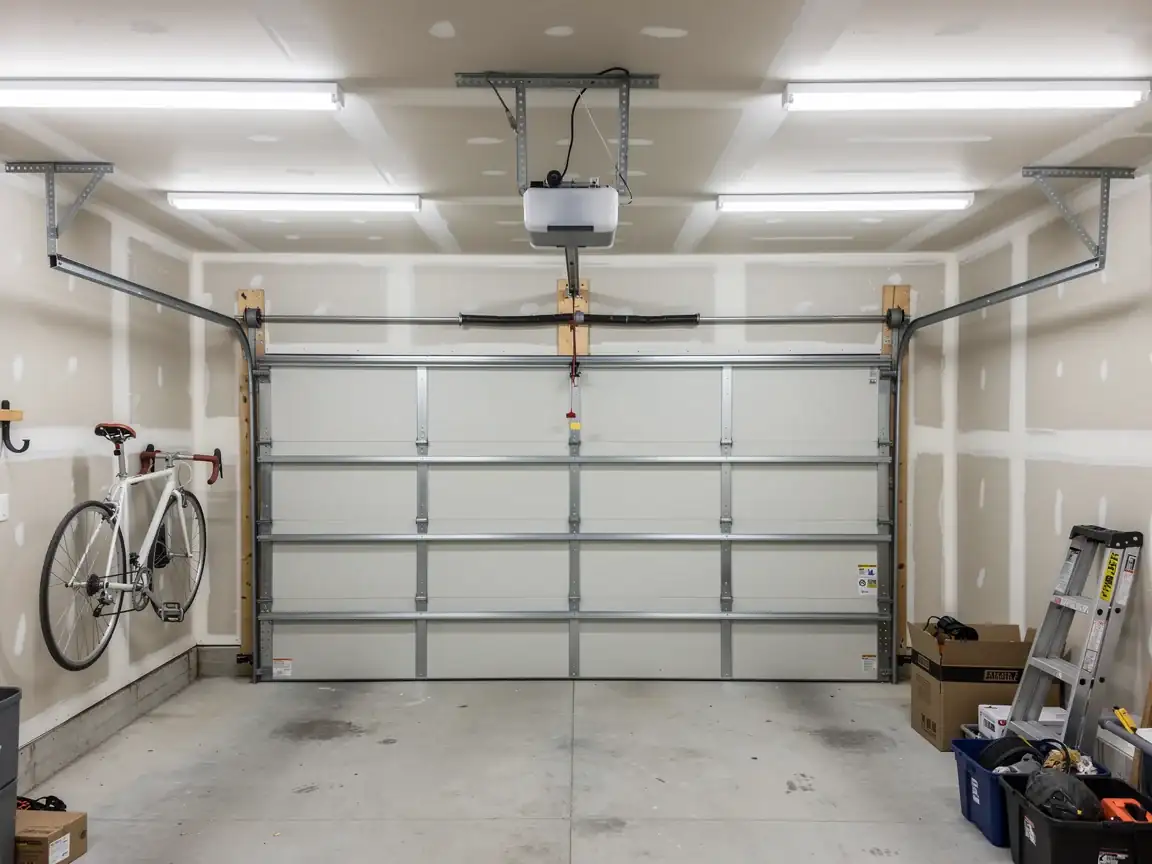
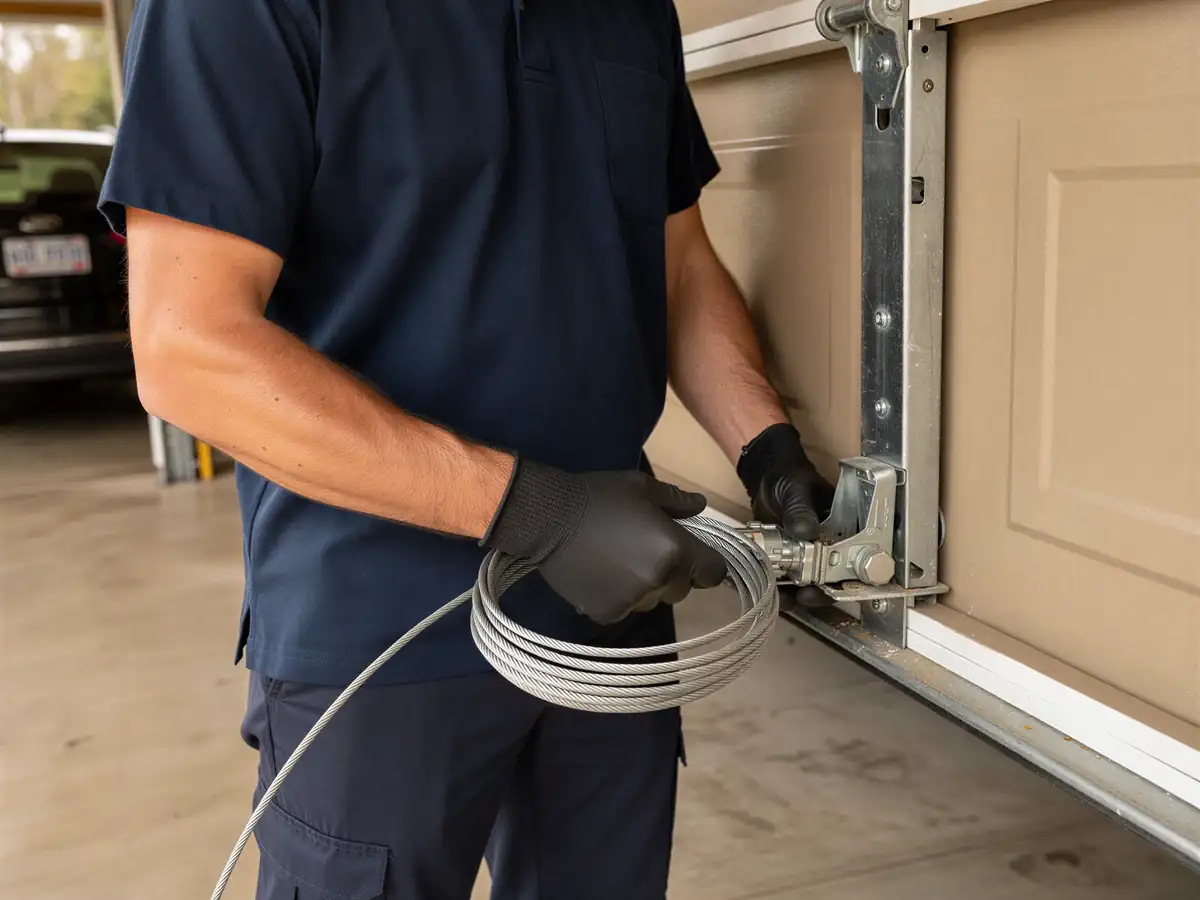
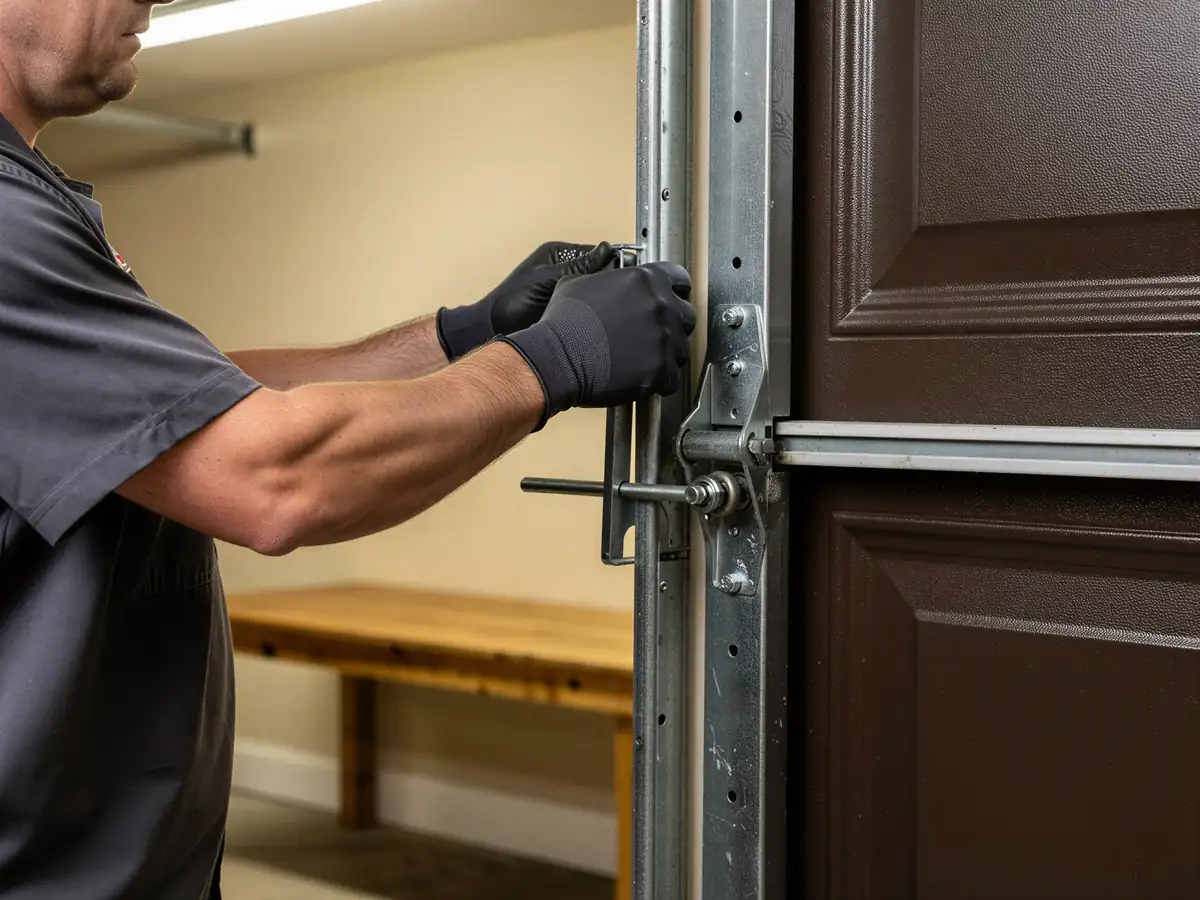
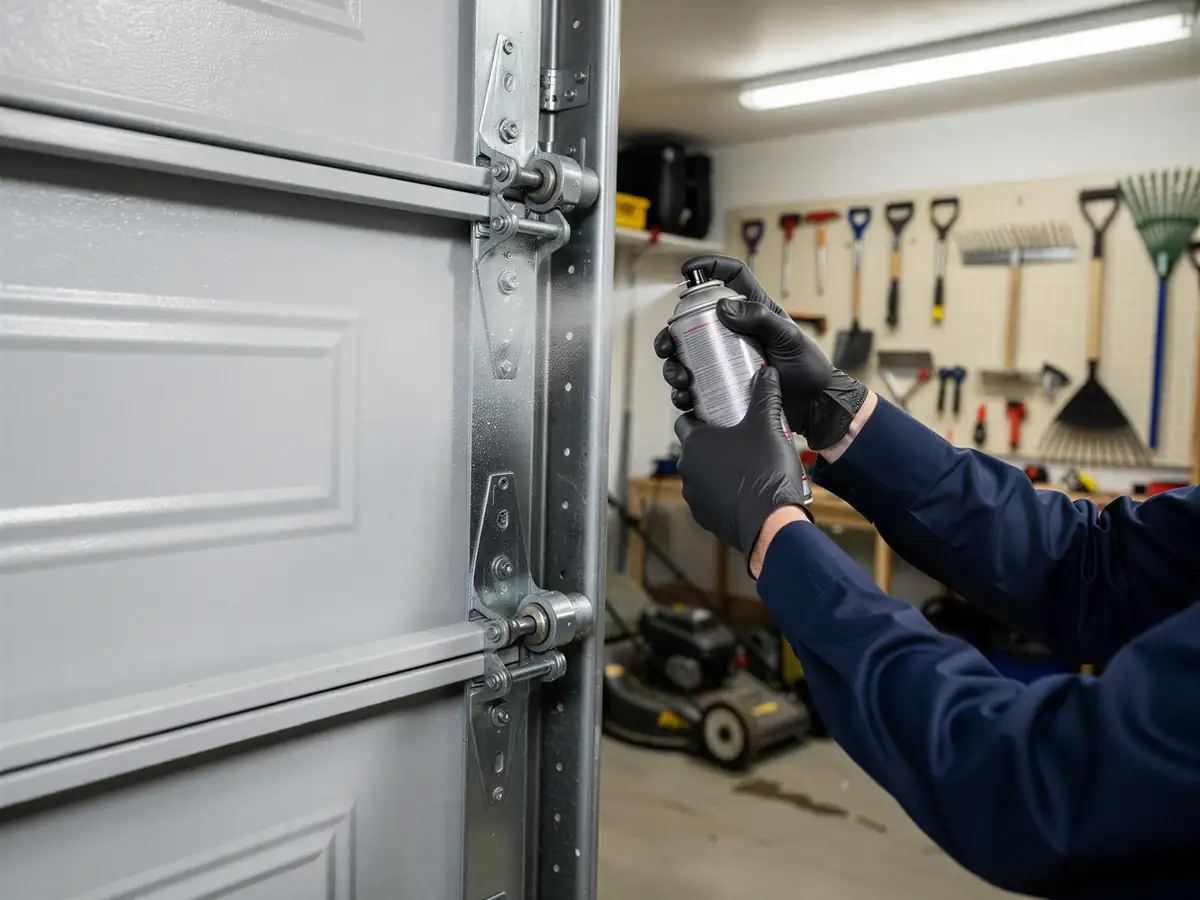
Real maintenance here isn't a five-minute spray job. We check spring tension and winding cones for fatigue, since original torsion springs on 1980s and 90s builds are well past the cycle count they were rated for. We pull and inspect rollers - plastic rollers from that era get brittle and crack under the heat we see most of the year, and steel rollers without sealed bearings seize up when old grease cooks off in a hot garage. We check track alignment, since a garage that bakes all day and cools all night puts real expansion and contraction stress on the mounting brackets. We test the opener's force settings and safety reverse, tighten hardware that's vibrated loose, and lubricate the parts that actually need it - not everything, since over-lubricating rollers and hinges just collects grit. One honest limit: if the spring is already showing flat spots or the cable strands are frayed, that's not a maintenance fix. That's a repair, and we'll tell you so instead of patching it and sending you off with a ticking clock.
Why It Happens Here
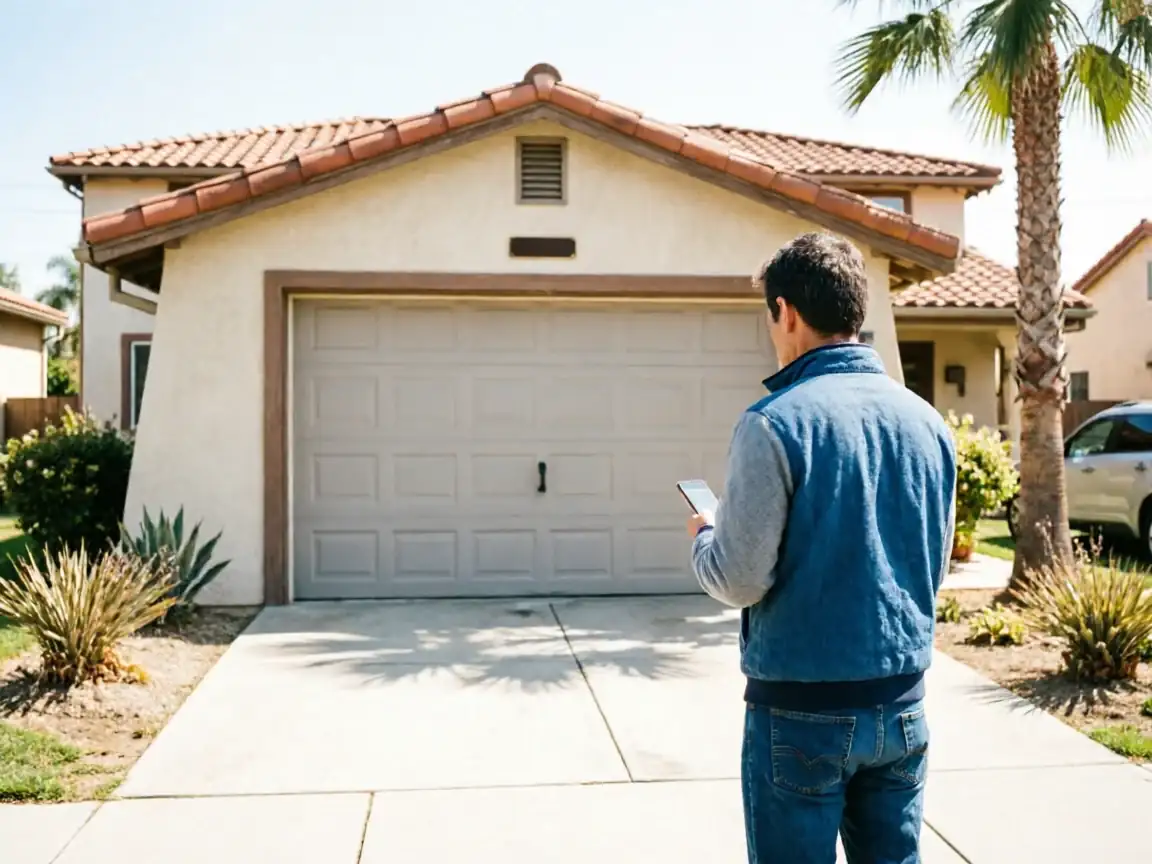
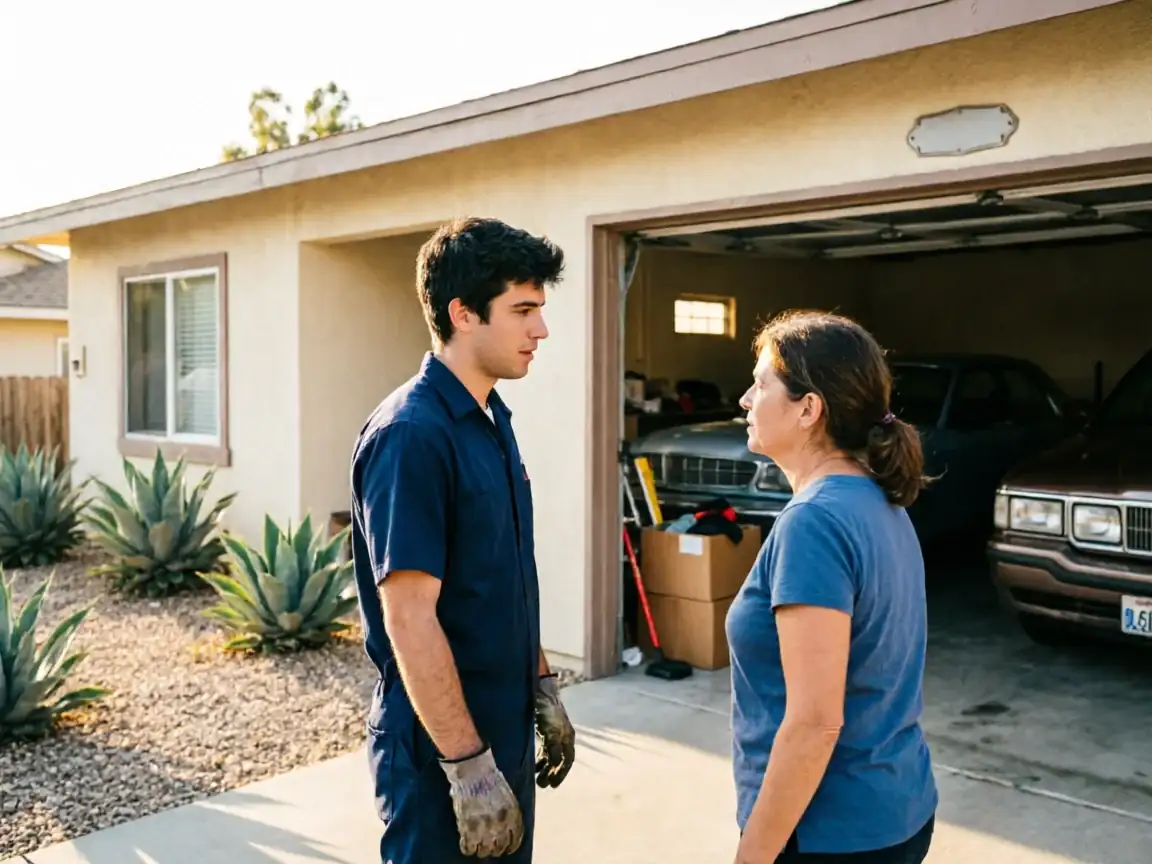
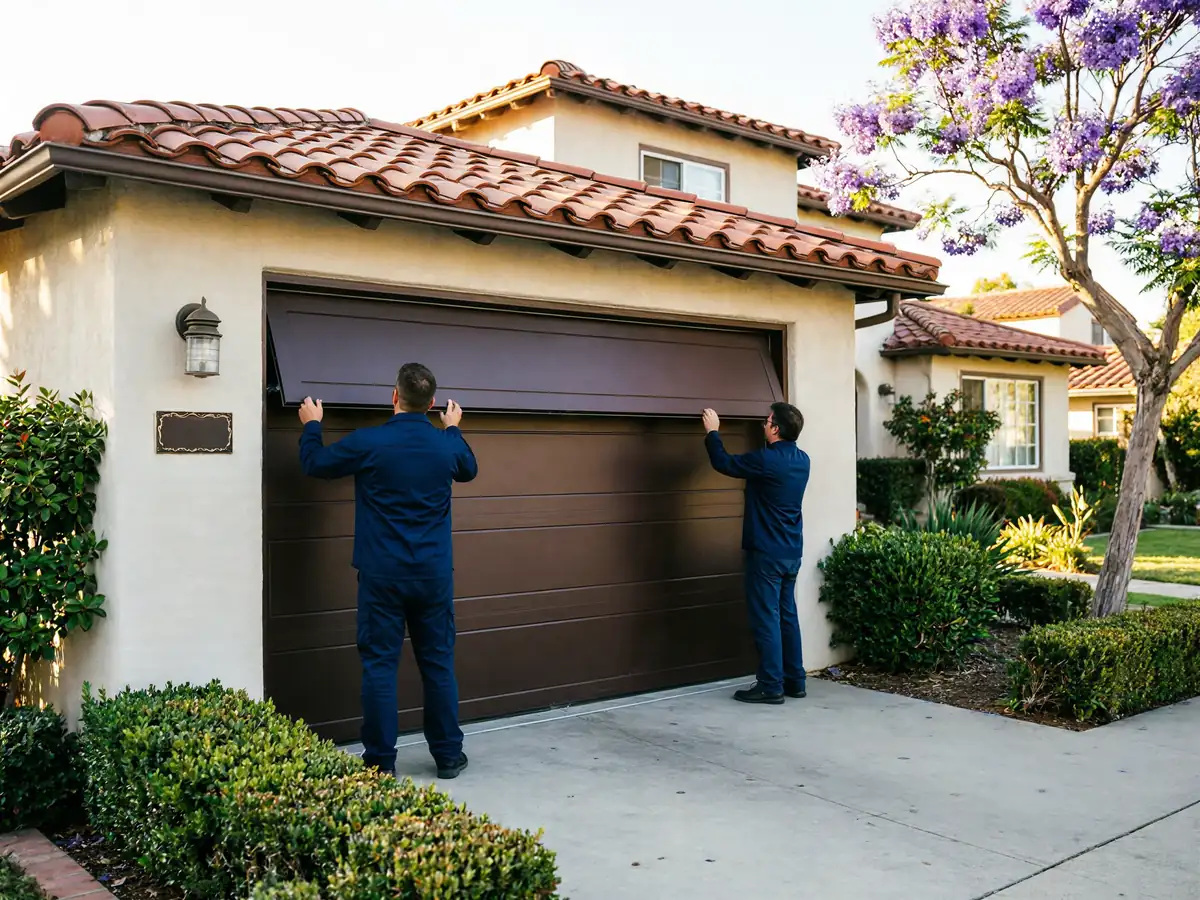
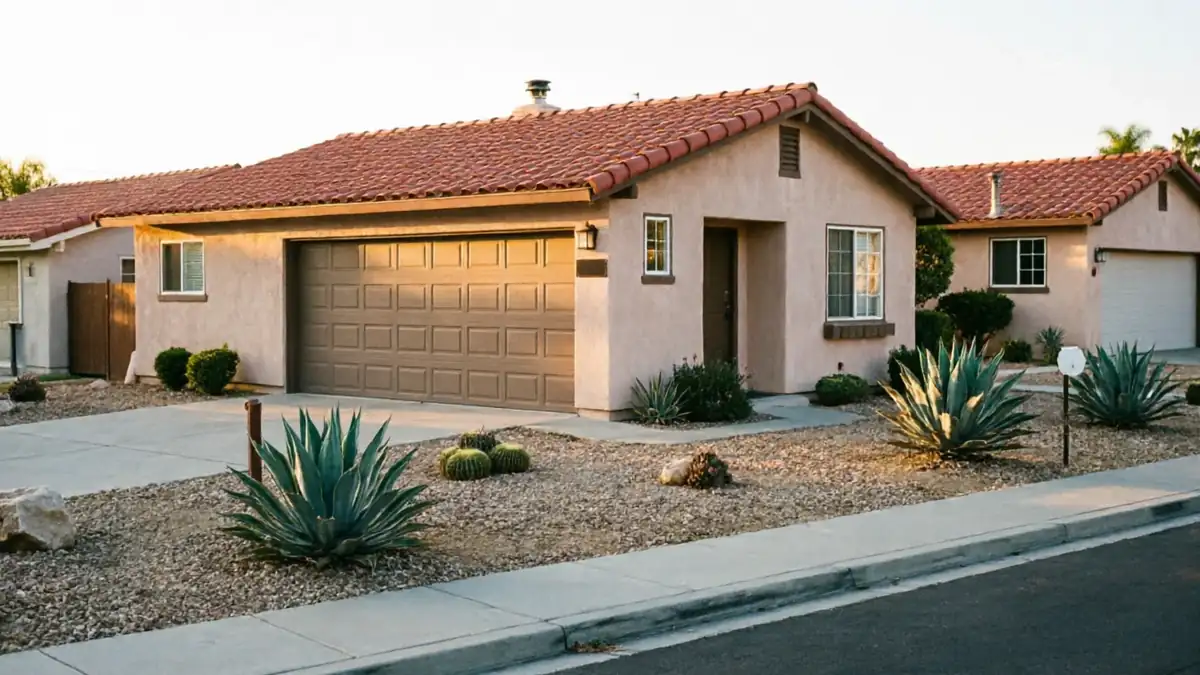
This service area sits in a severe heat climate band, and that matters more for garage doors than people expect. A garage with a south- or west-facing door can swing 40 degrees or more between morning and late afternoon through the hottest stretch of the year. Steel panels expand, torsion springs lose temper faster under repeated heat cycling, and factory lubricant on rollers and hinges breaks down and gums up instead of staying slick. Pair that with housing stock that's mostly 1945 to 2000, median build year 1987, and you've got hardware that was engineered for a normal duty cycle but has been running in a climate that shortens that cycle. It's not that Modesto homeowners neglect their doors. It's that the heat does the aging faster than a spring sheet ever accounted for. Owner-occupied houses across the area - there are roughly 37,612 of them in the broader service footprint of 64,569 households - mostly share this same exposure, which is why we see the same failure patterns block after block rather than one-off cases.