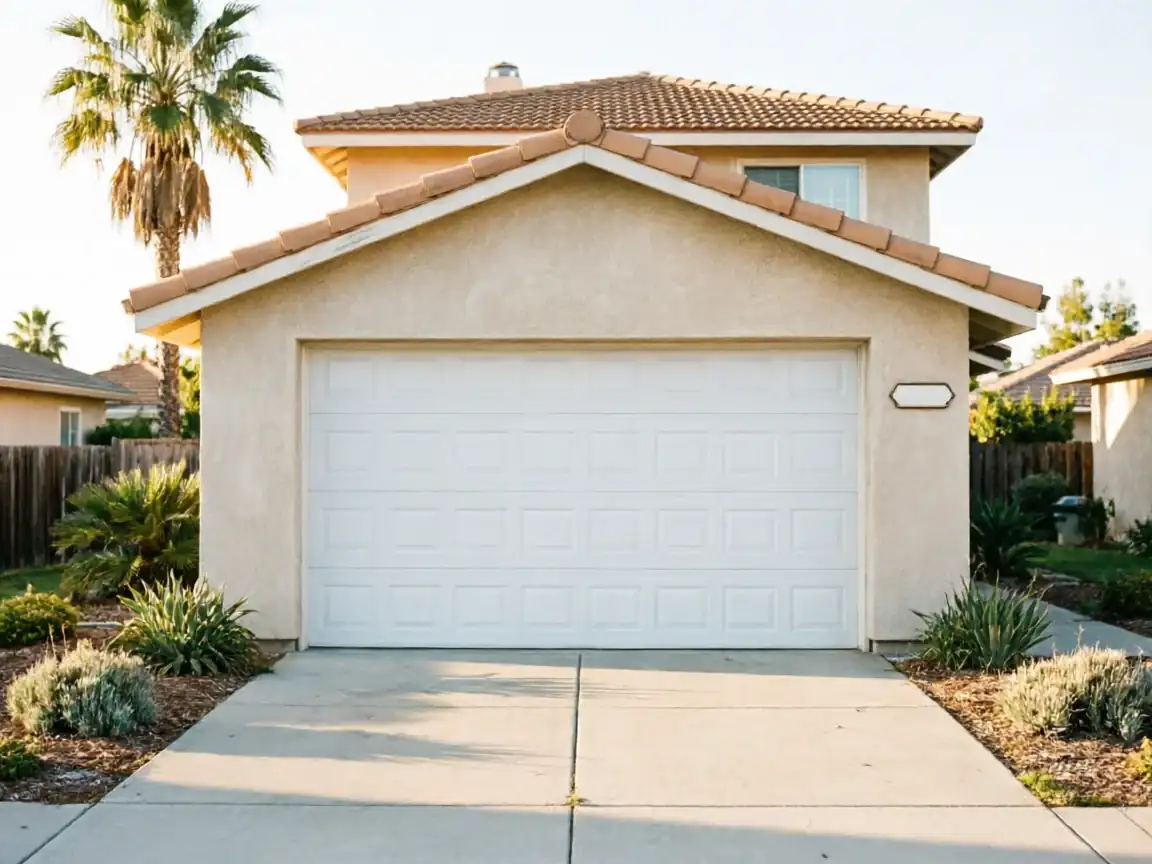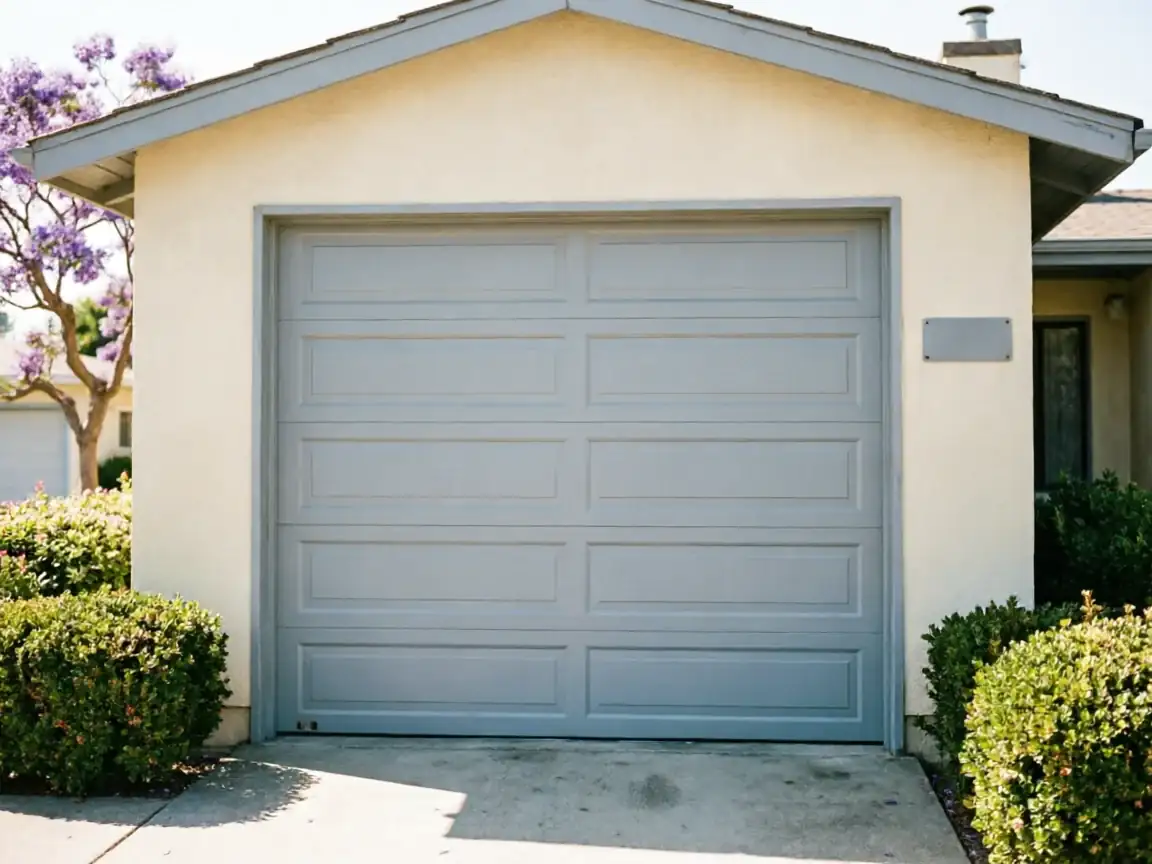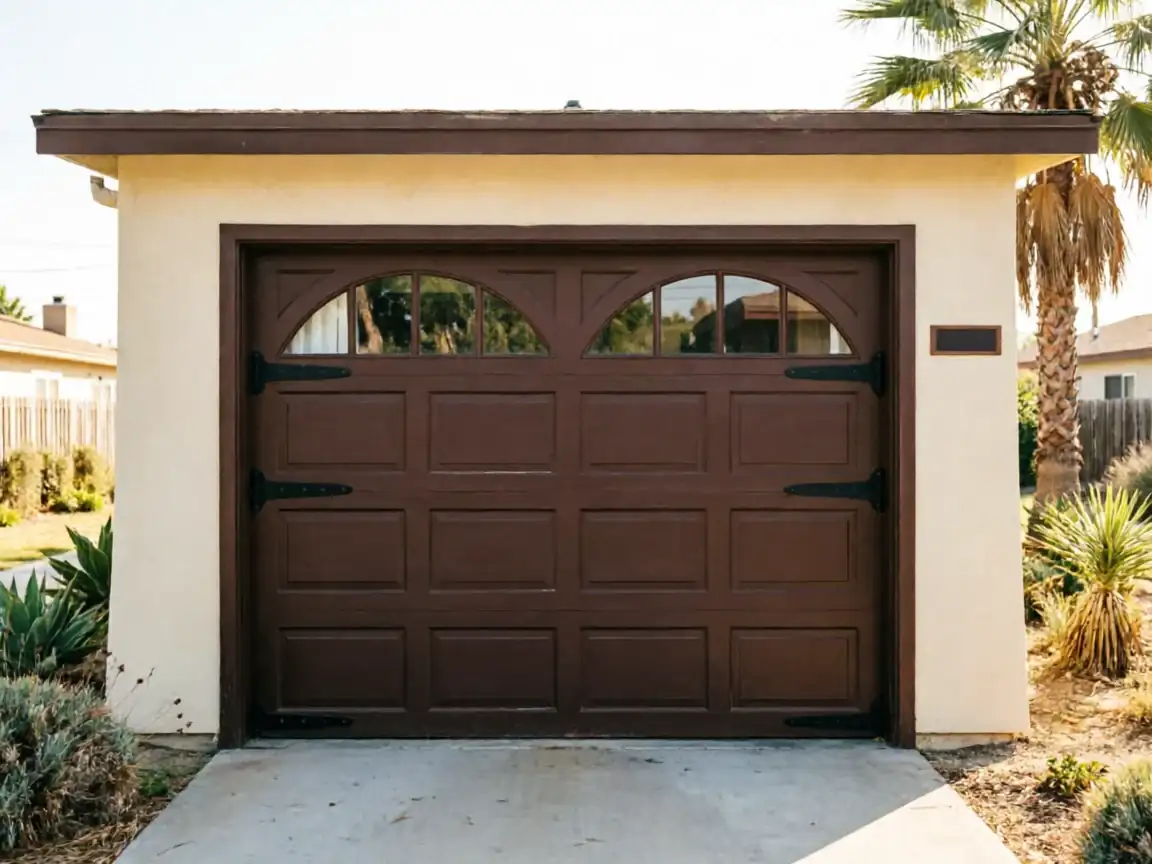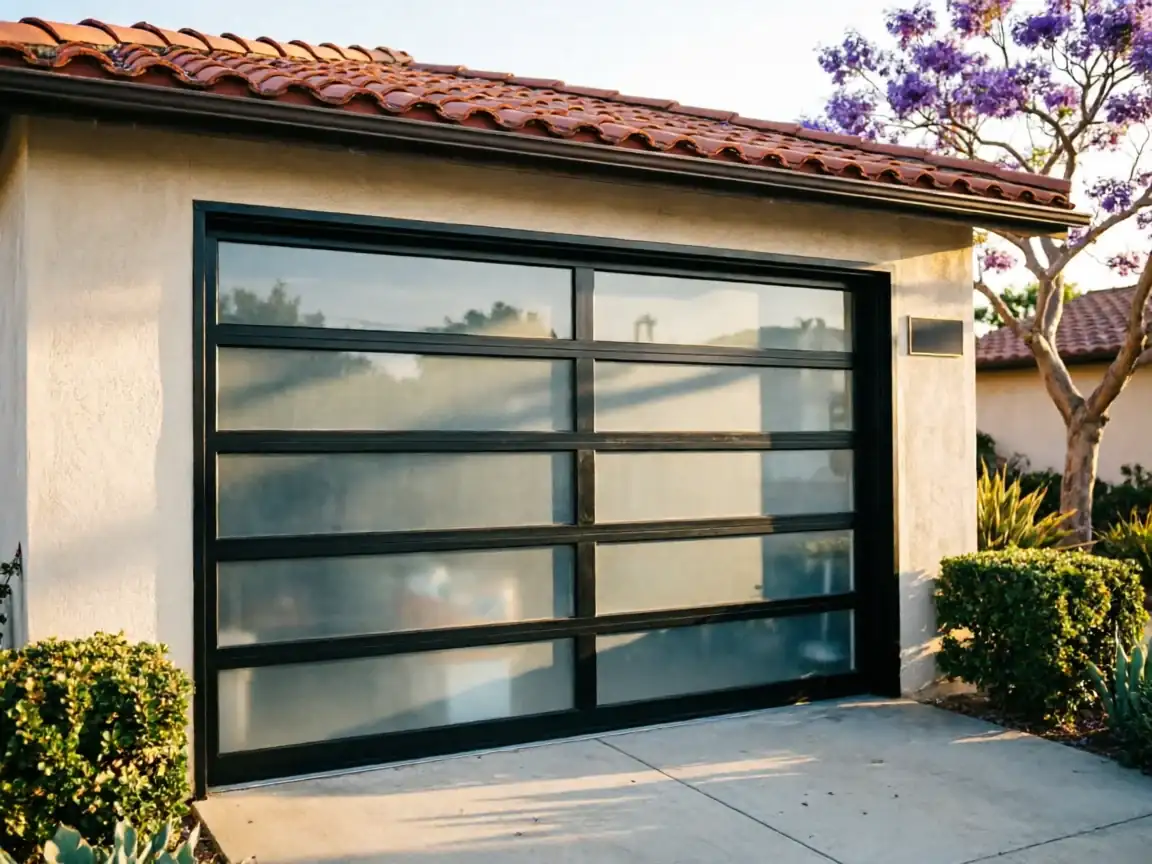
Where This Job Goes Sideways
The failure pattern in Ceres tracks its own numbers, not Modesto's broader averages. With 13,757 households here and a median income of $76,862 - noticeably below the $86,676 median across the full service area - more owners are running original hardware longer rather than replacing a door outright. That's not a knock on the town, it's just what the income gap does to repair-versus-replace decisions. The job goes sideways when a torsion spring snaps on a door that's also carrying a worn bottom bracket or a rusted end bearing plate, because fixing only the spring leaves the door imbalanced and headed for a second failure within weeks. Add the severe summer heat this area sits in, and nylon rollers and plastic idler bearings get brittle faster than they would in a milder climate, so a spring call often turns into a roller and bearing call too once the door is actually opened up on the truck.
What the Fix Involves
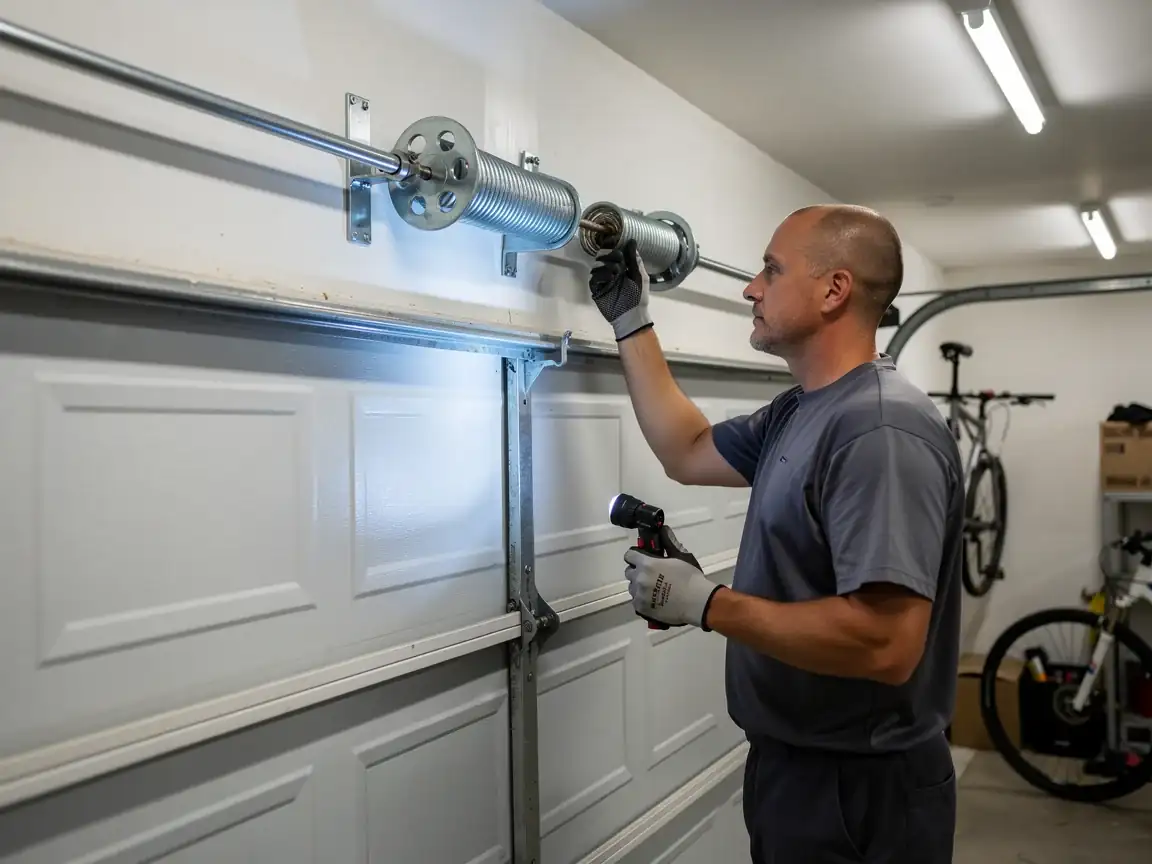
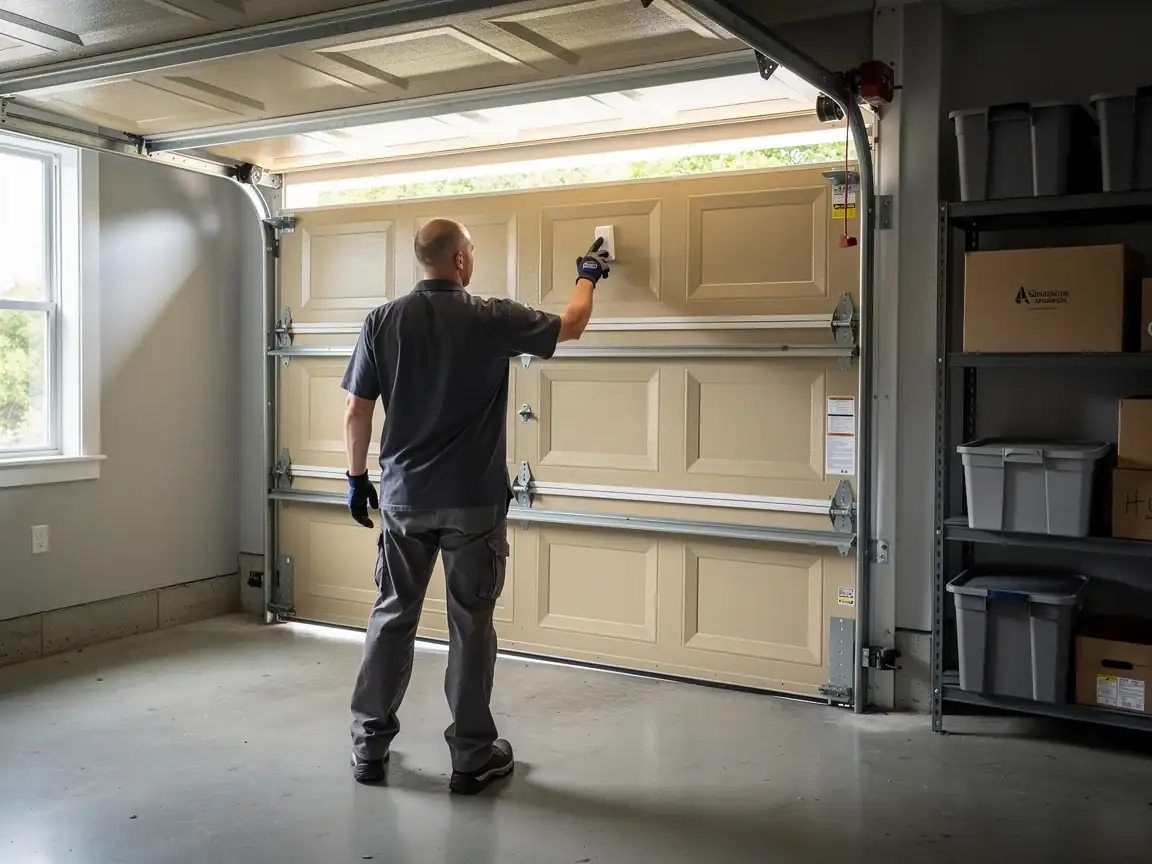
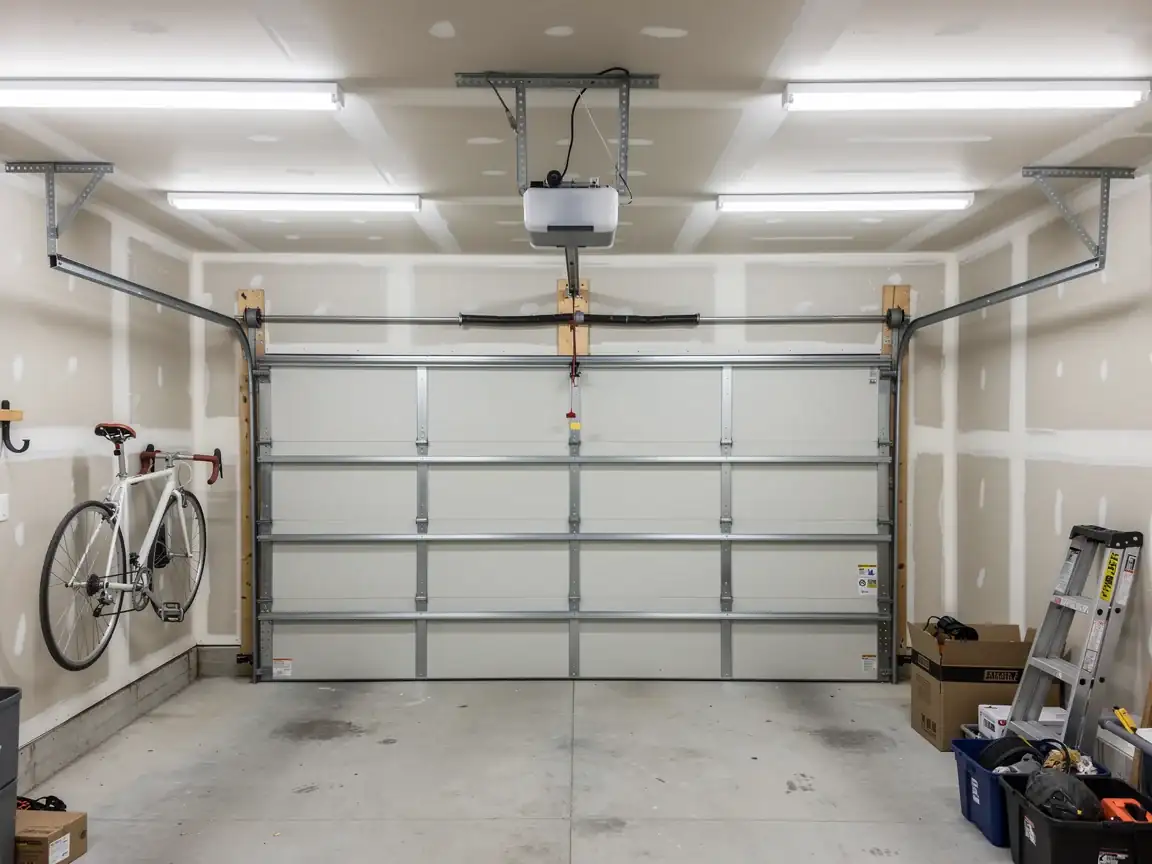
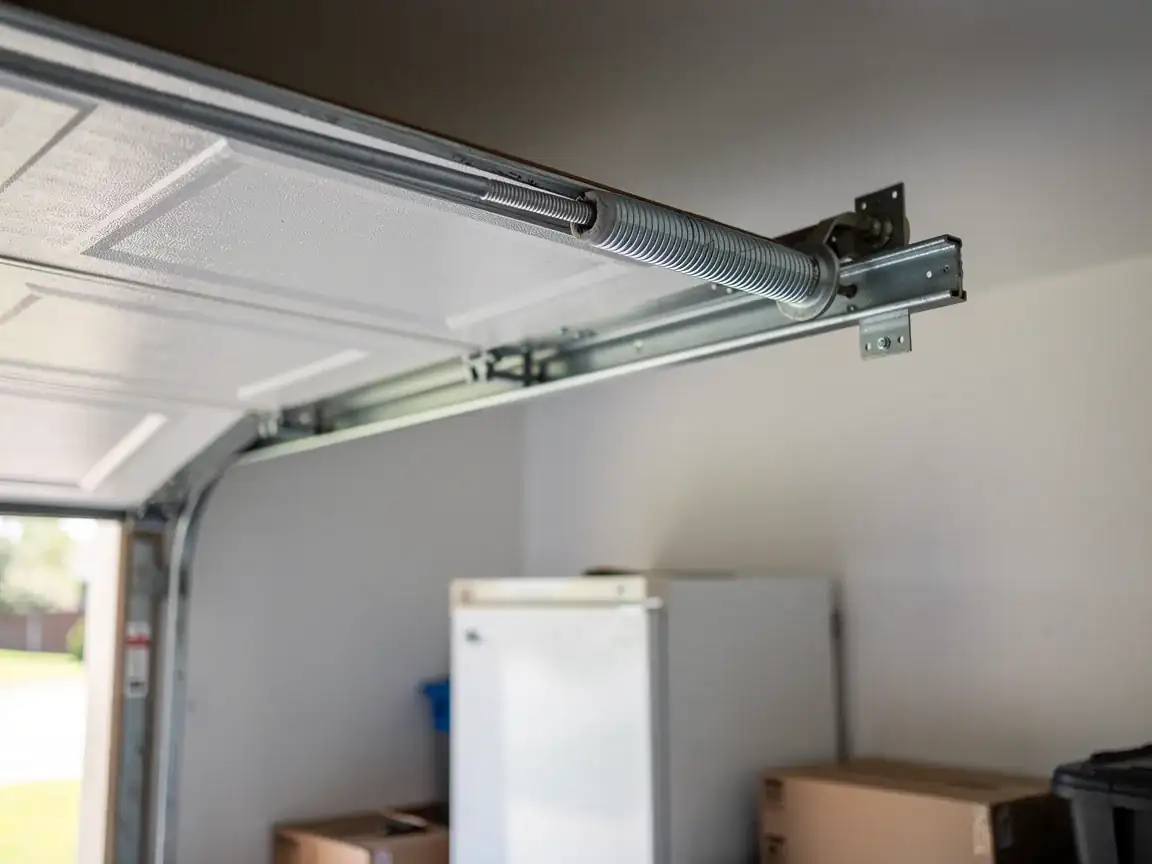
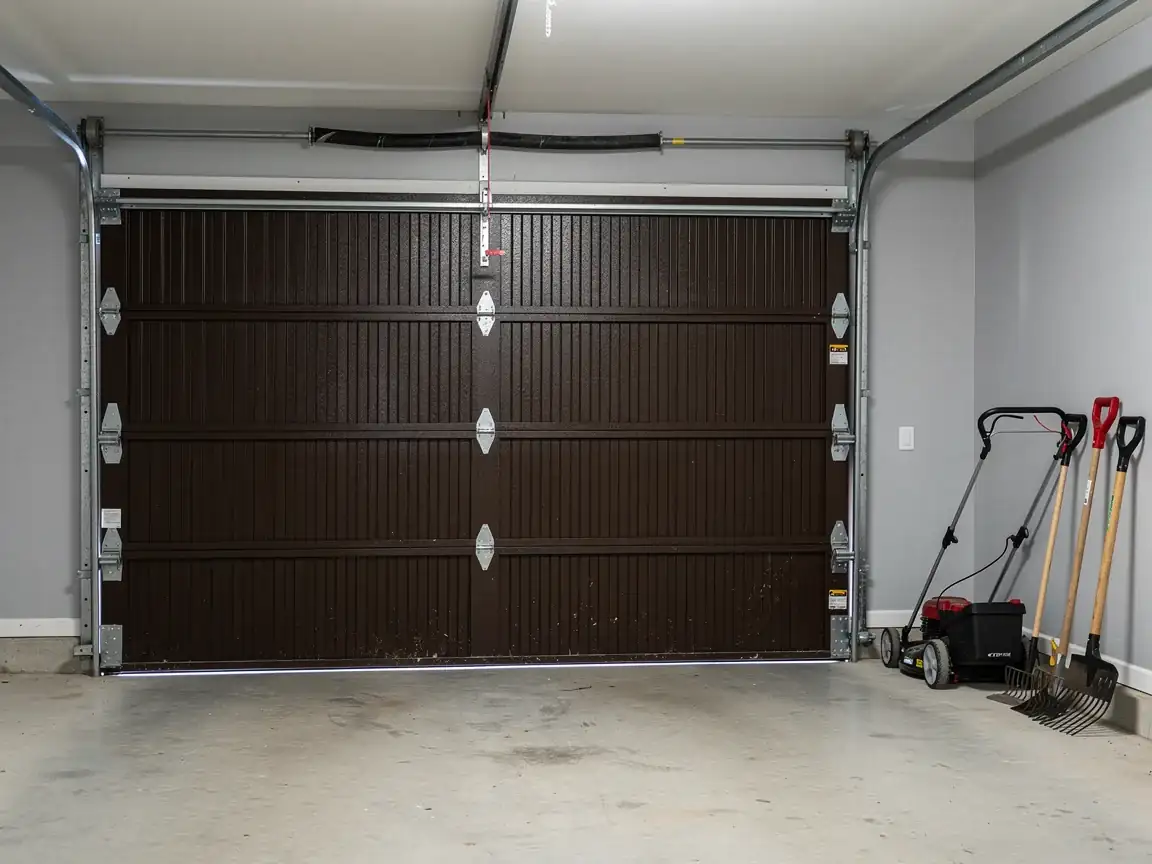
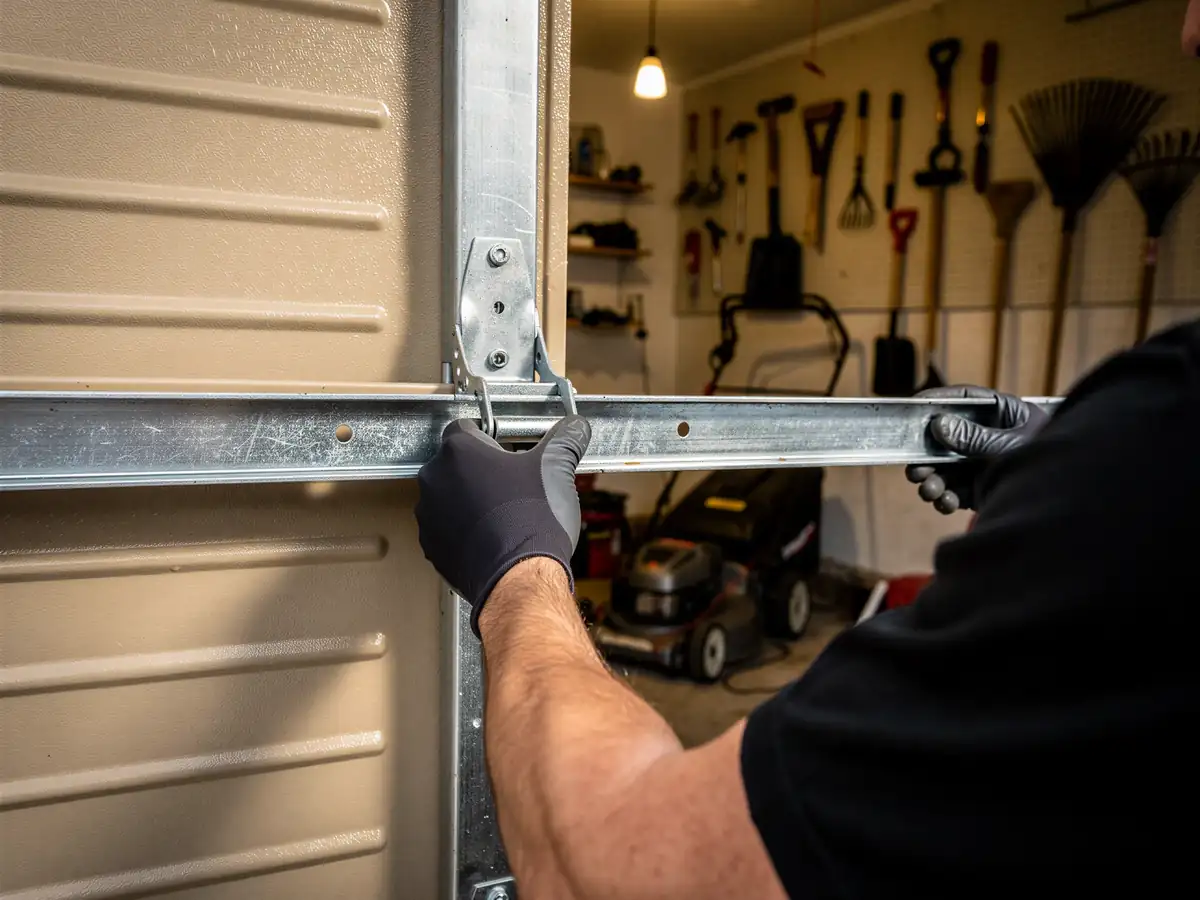
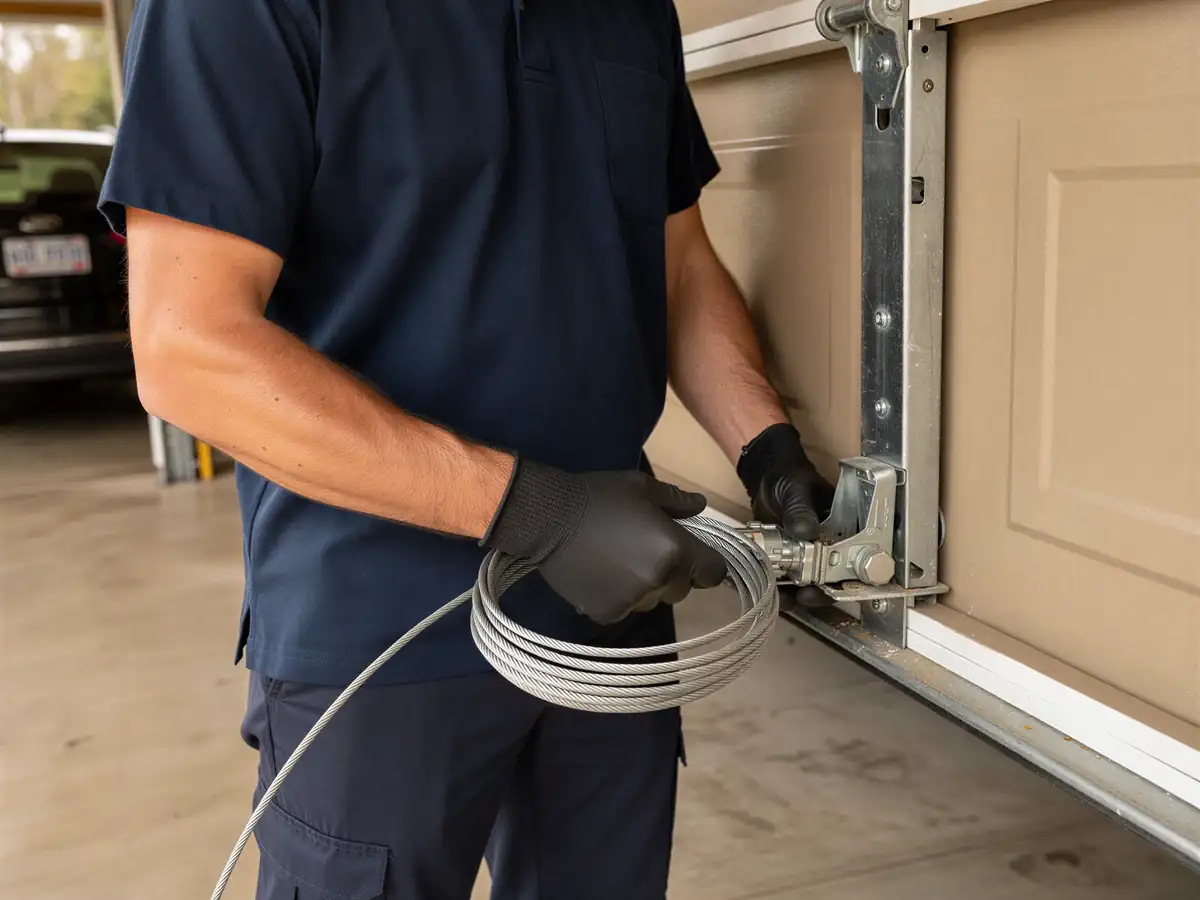
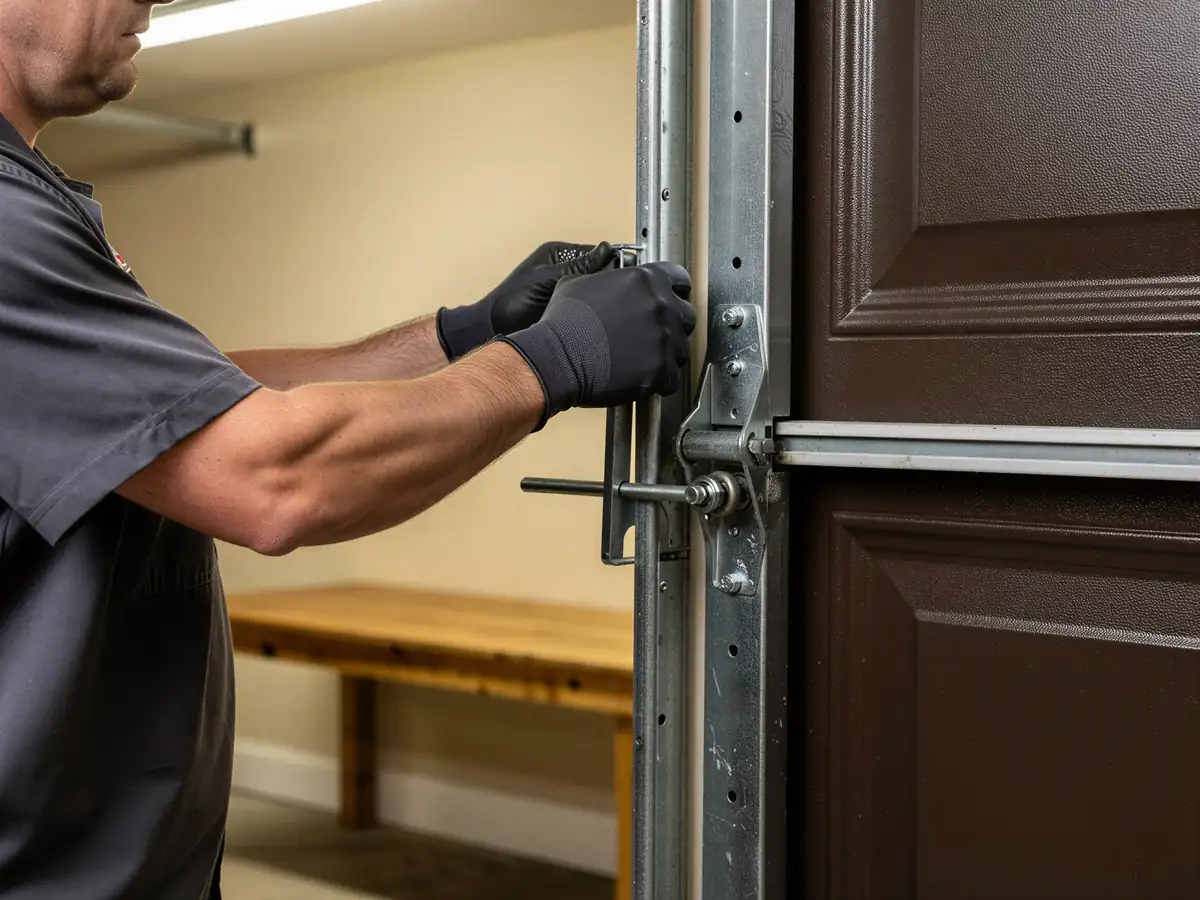
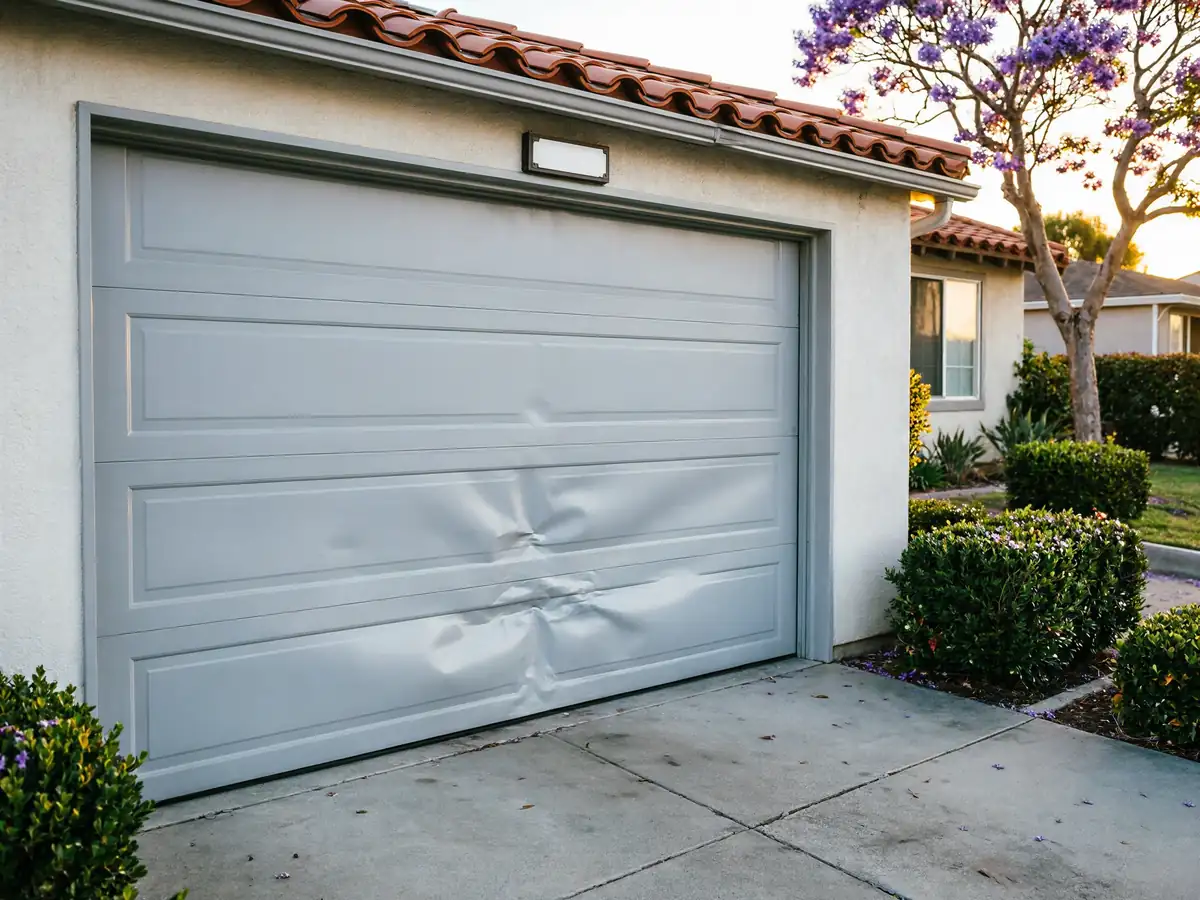
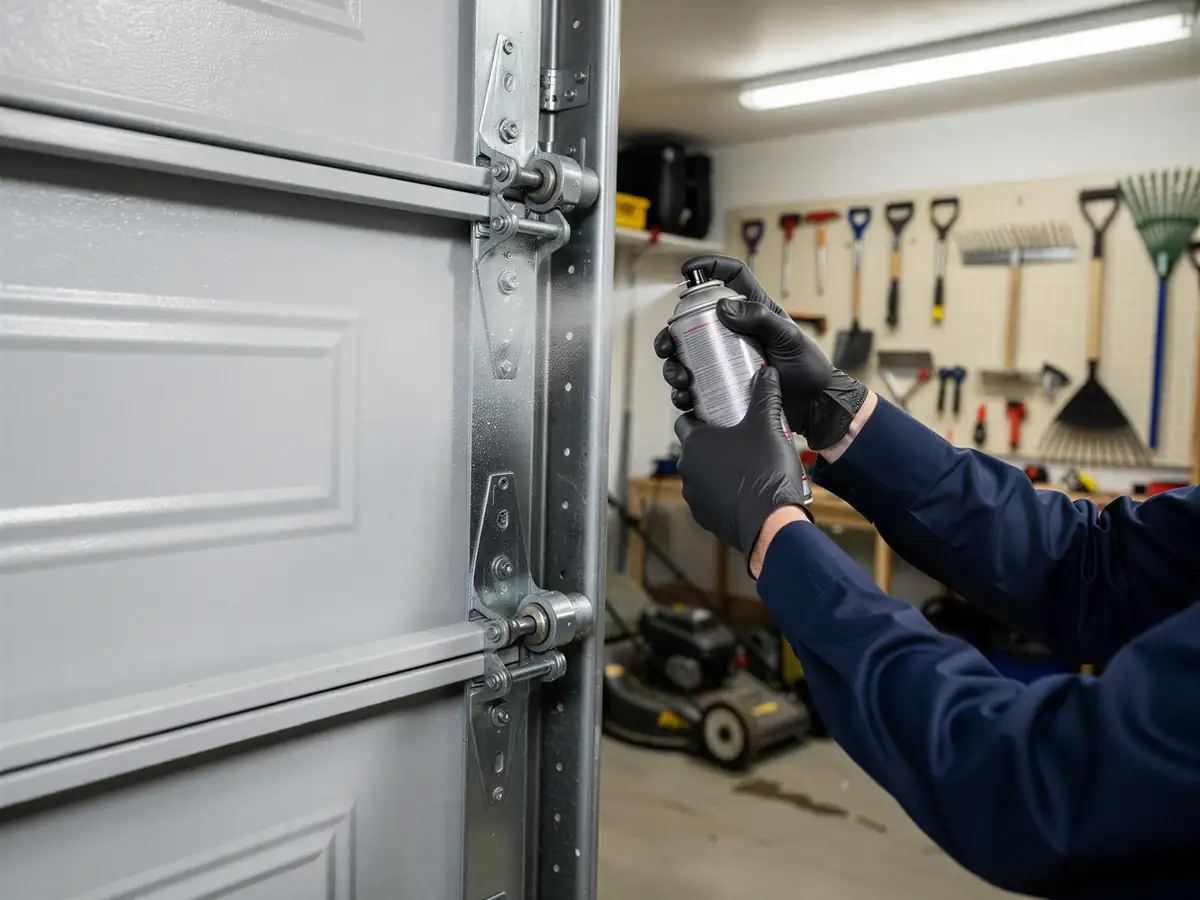
For a broken torsion spring, the job starts with unwinding and removing the dead spring, checking the shaft and center bearing for wear, and installing a replacement sized to the actual door weight - not just whatever was on there before, since plenty of 1986-era doors in Ceres have been upgraded to heavier insulated panels without anyone re-rating the spring. We check cable drums and lift cables at the same time, since a snapped spring under tension is a common way to fray or snap a cable too. Once the new spring is set, we balance the door by hand, checking it holds at waist height with the opener disconnected. If the opener's travel limits or force settings were masking a balance problem, we reset those too. We don't replace a full door section on site - that part has to come from a supplier, so if a panel is dented or split beyond patching, we'll tell you that up front rather than pretend it's a same-visit fix.
Booking a Visit
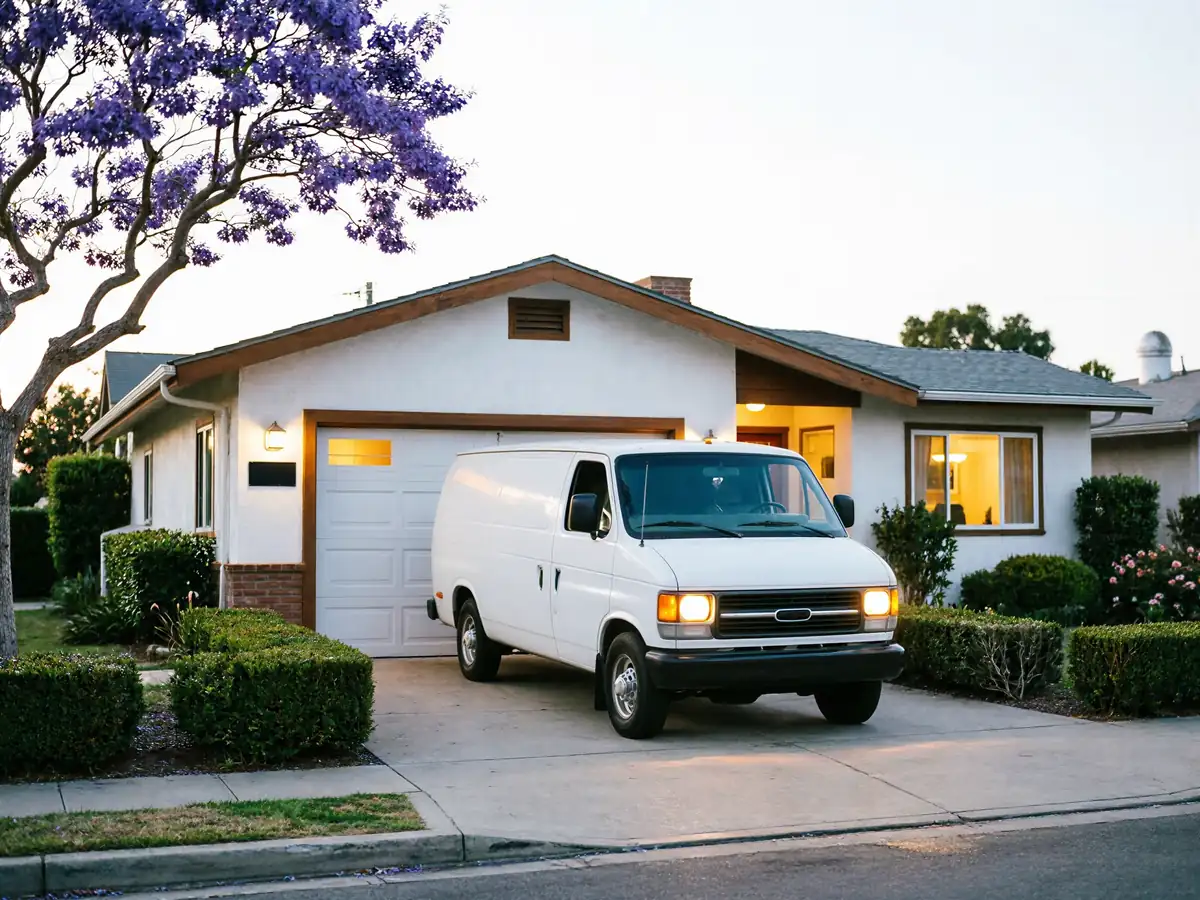
We cover Ceres as part of the Modesto service area, roughly 3 miles from where the truck runs out of. When you call, tell us what the door is doing - won't open, opened partway and stopped, cable hanging loose, spring visibly split - because that tells us what to load before we leave. If you know roughly when your garage was built or whether the door's been swapped for a heavier insulated model, mention that too; it changes which spring we bring. You can see what else we cover for this area on the <a href="/service-area/ceres/">Ceres service area page</a>, and if what you're dealing with isn't an emergency, the full rundown of repair work is on the <a href="/emergency-garage-door-repair-modesto-ca">Modesto emergency repair page</a>.
What You Are Seeing
Most emergency calls from this part of the service area start the same way: the door was fine yesterday and now it won't budge, or it opened a foot and reversed itself. On a 1986-era door, that's almost always a torsion spring that let go - you may hear a bang from the garage before it happens, which is the spring itself cracking under tension. Less dramatic but just as common is a door that's gotten heavier to lift by hand each week for months before it finally fails; that's usually a spring that's lost tension gradually rather than snapped outright, and it's worth a call before it strands a car inside. If the opener motor is running but the door isn't moving, that's a different problem - often a stripped gear from months of fighting an unbalanced door, not the spring itself.