Where This Job Goes Sideways
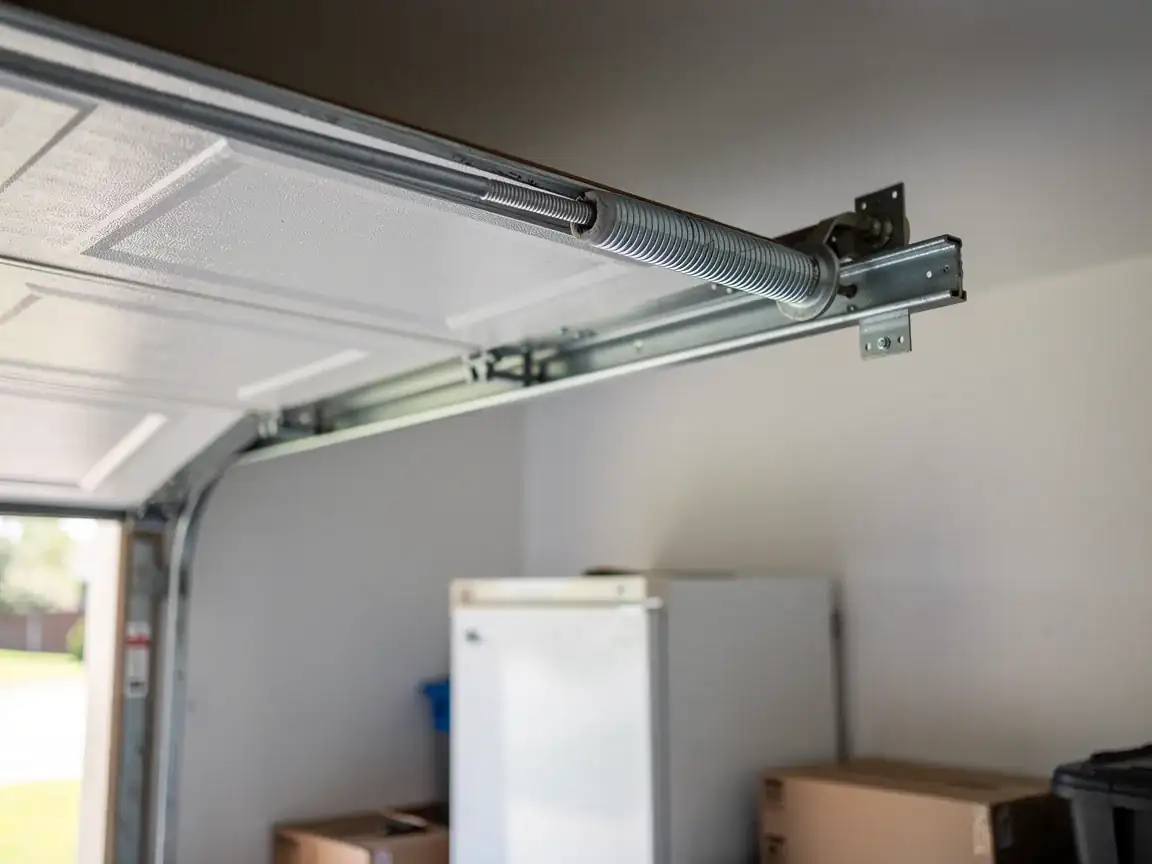
Heat is the recurring problem in this climate band, and it's a severe one. Builder-grade torsion springs installed in the mid-80s through the 90s were never rated for decades of summer expansion and contraction, and in Ceres that cycle has been running since before most of the housing stock existed. What we see is a spring that looks fine on a cool morning and snaps on a 105-degree afternoon, because the metal fatigue was already there. The second place it goes sideways is the opener's logic board, which doesn't love being baked in an attached garage all day - start-stop failures get misread as a sensor problem when the real issue is heat-stressed electronics. Neither of these is a Ceres-specific defect, but the housing age and the climate band together mean it shows up here on a predictable timeline rather than as a random fluke.
What the Fix Involves
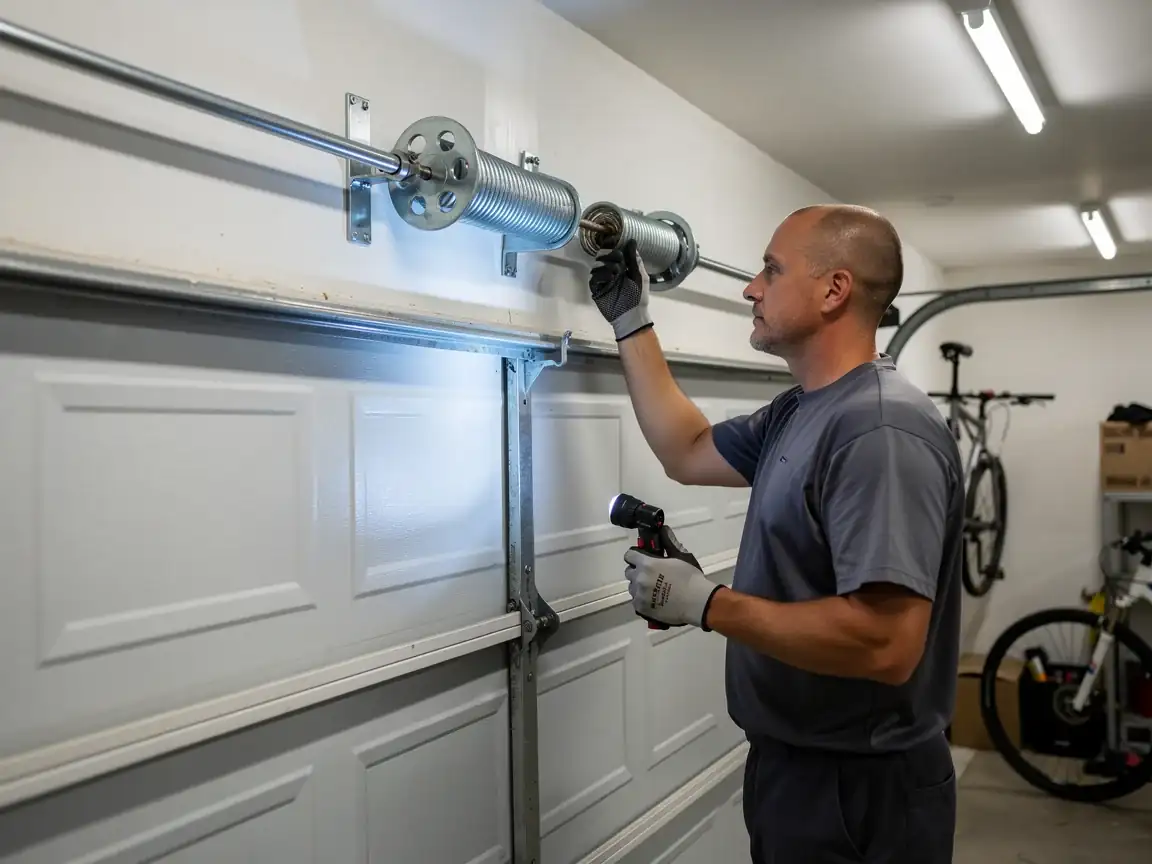
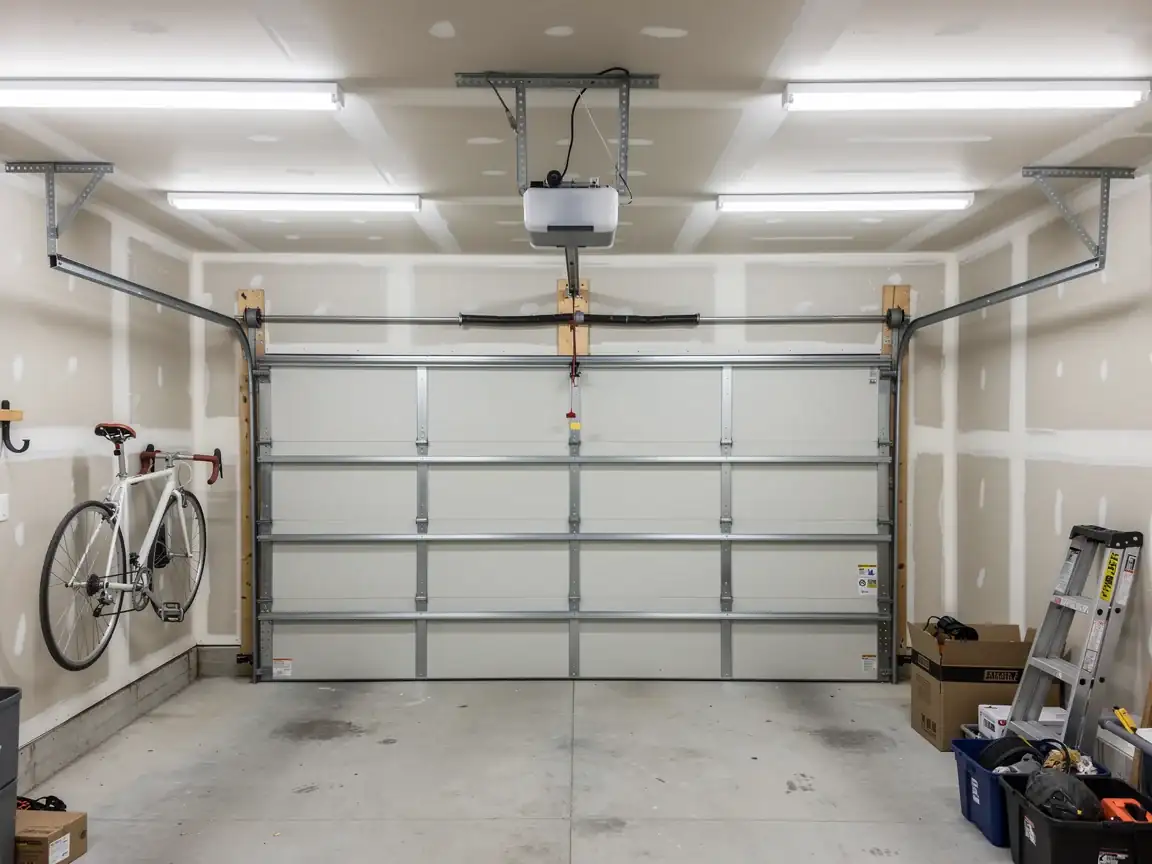
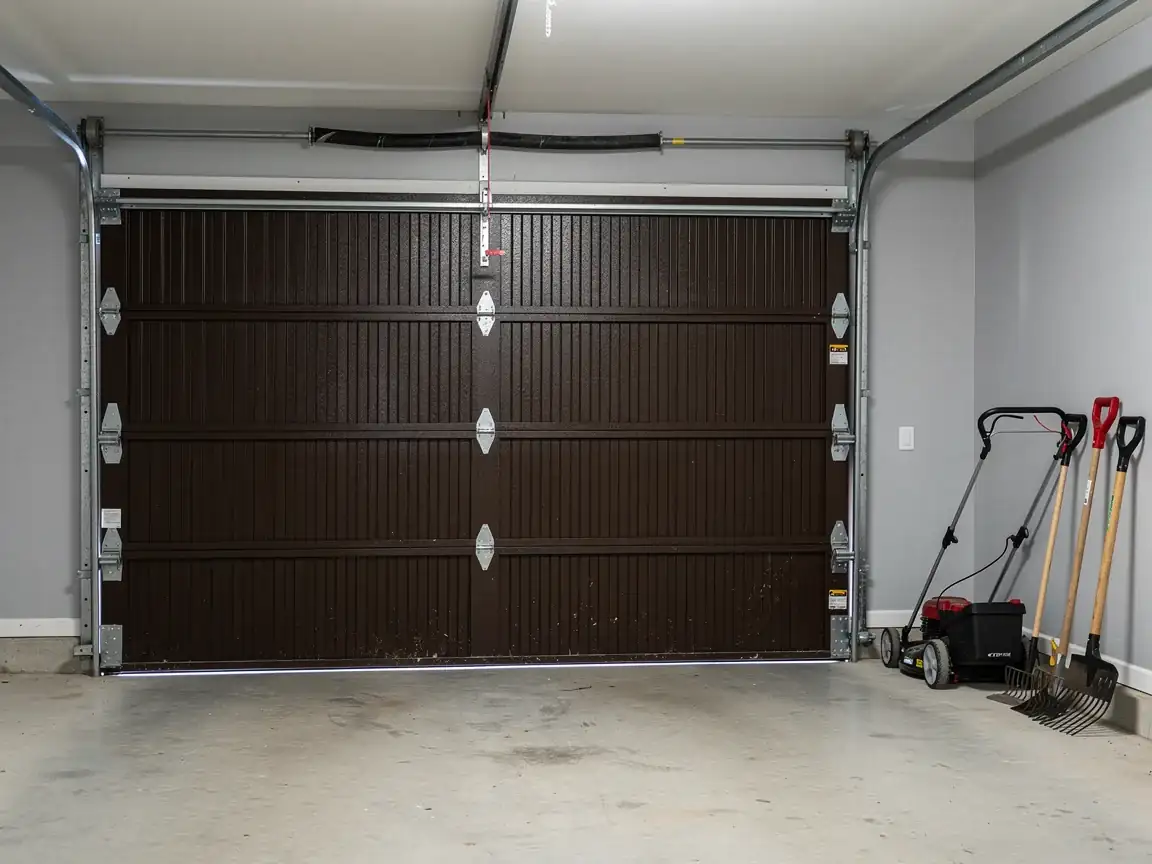
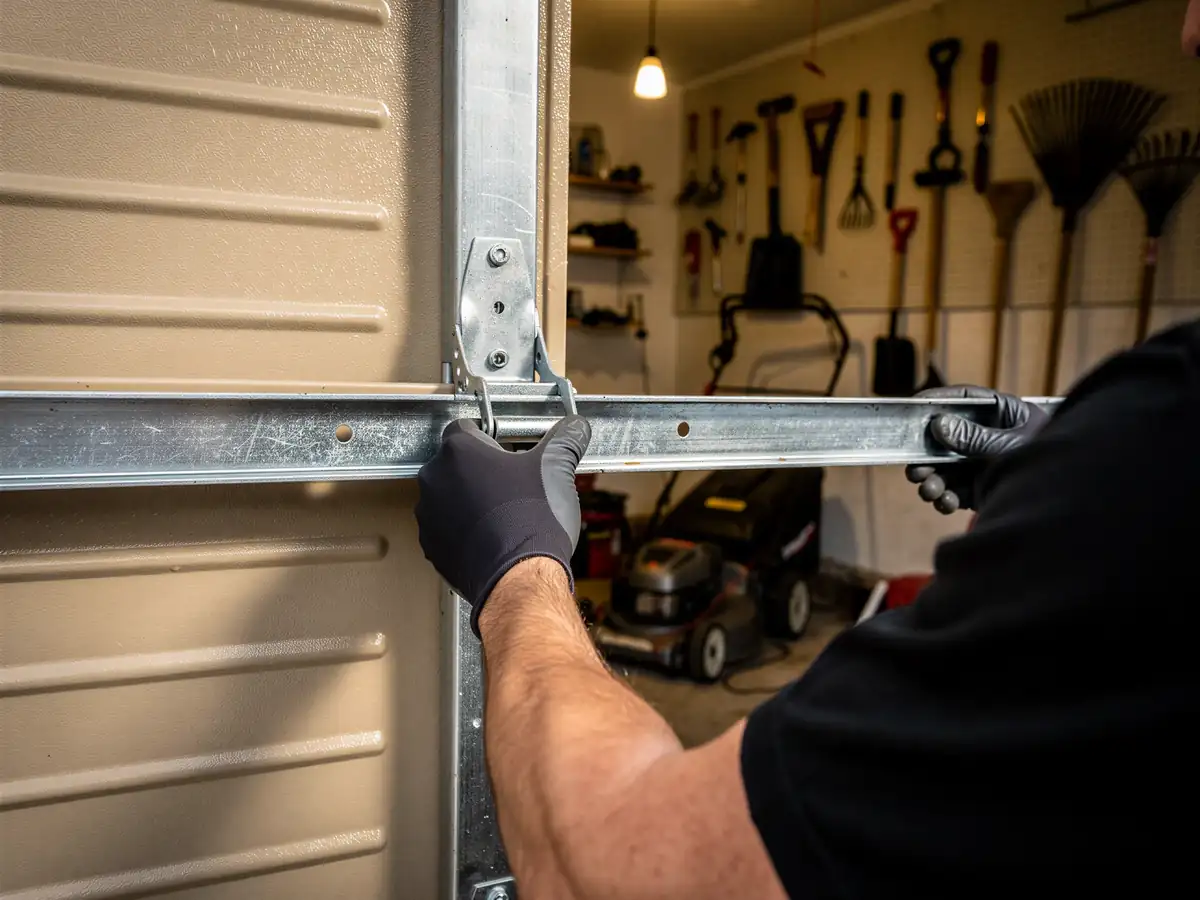
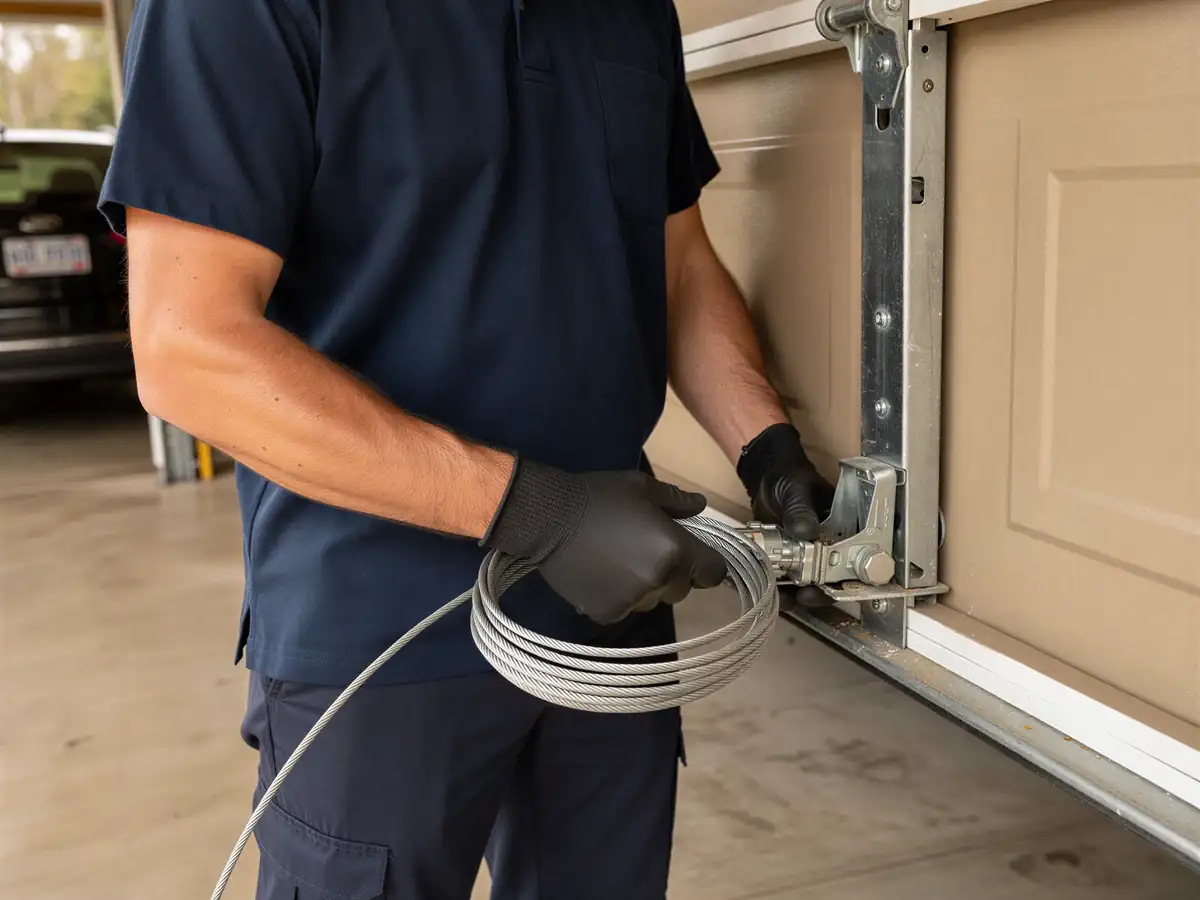
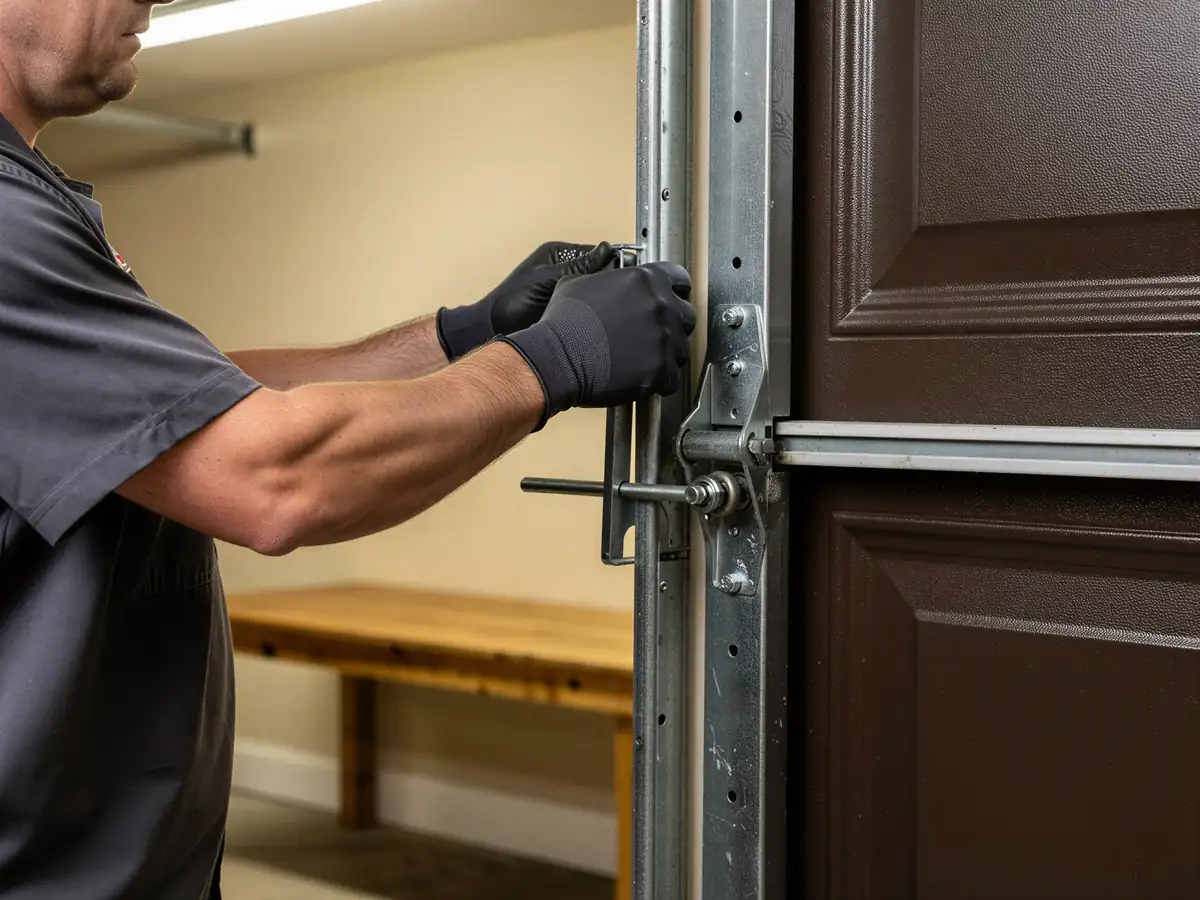
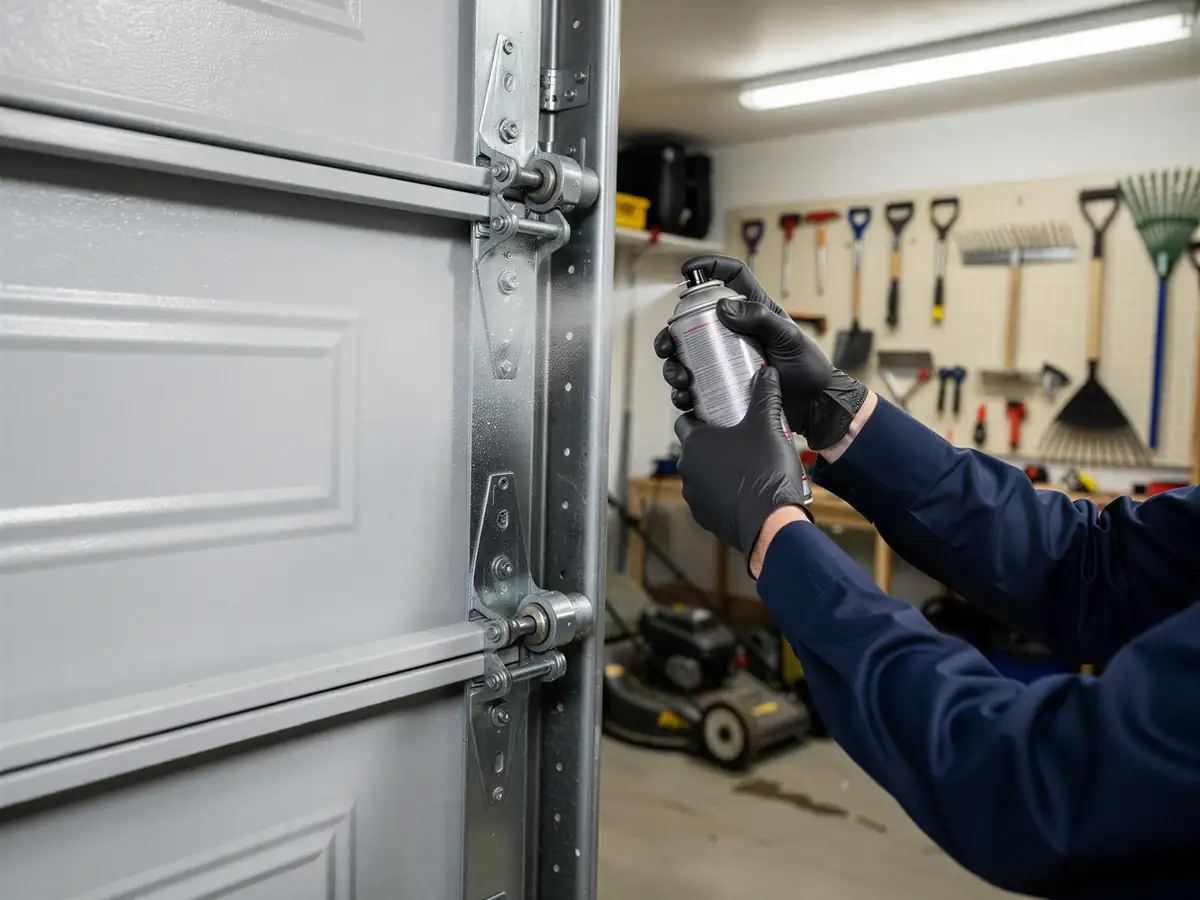
A spring job means your door is disconnected from the opener, the broken spring removed, and a correctly sized torsion or extension spring installed and wound to balance the door's actual weight - not a generic size off a shelf. We check the drums and cables at the same time, since a spring failure on an older door often means the cables are near the same age and near the same fatigue point. If the opener's the problem, we test the logic board and the sensors before replacing anything; heat stress doesn't always mean the board is dead, sometimes it means a connection has cooked loose. One honest limit here: if a door's track is bent or the panels are rusted through, a spring swap won't fix the underlying issue, and we'll tell you that instead of billing you for a repair that won't hold.
Booking a Visit
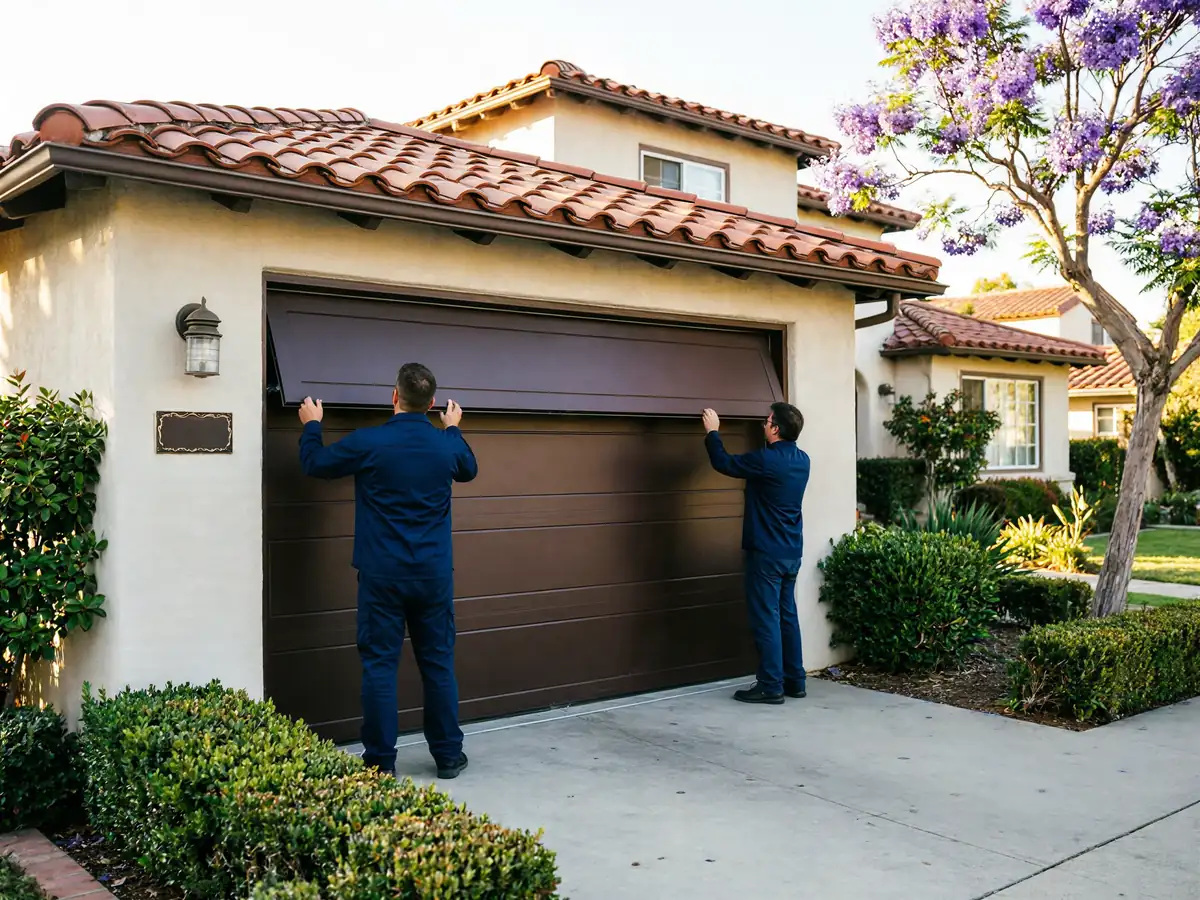
Since Ceres sits about 3 miles out from our Modesto base, scheduling here works the same as anywhere close in the service area - we're not routing around a long drive or blocking out extra travel time to reach you. Tell us what the door is doing (stuck, off-track, noisy, won't close) and roughly the age of your house if you know it; given that most homes here were built within a few years of the 1986 median, that detail alone tells a tech a lot about what springs and opener he's likely to find before he even loads the truck.
What You Are Seeing
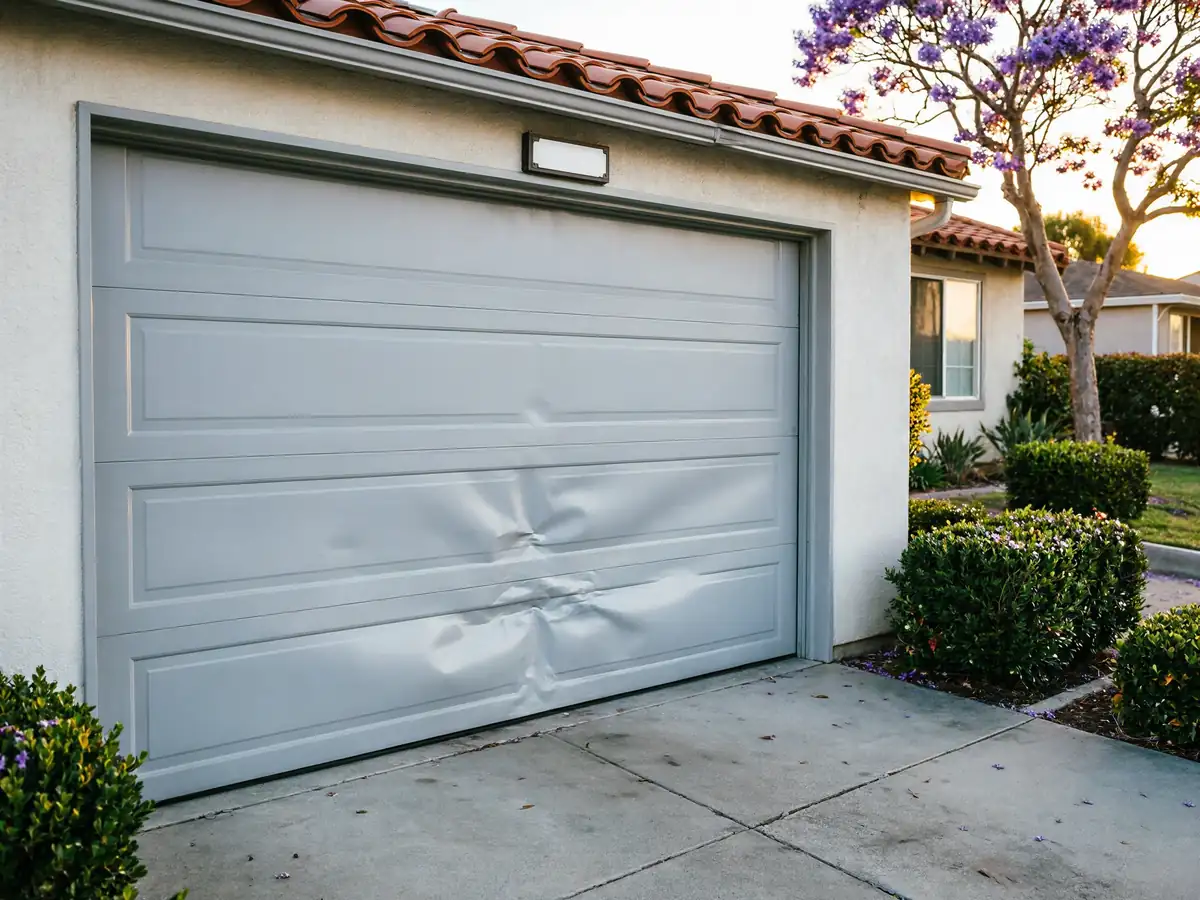
If your door is sagging on one side, slams the last foot of travel, or the opener strains and reverses, that's consistent with a spring that's lost tension rather than one that's fully snapped - and on a torsion setup from this era, losing tension gradually is the more common failure than a clean break. A door that's noisy on the way up but fine coming down usually points to rollers, not springs. With Ceres's median household income at $76,862 - noticeably below the wider service area's $86,676 - we try to be upfront early about whether a repair is worth doing versus whether the door's old enough that replacement parts are getting harder to match, rather than running up a bill on a door that's near the end of its useful life anyway.