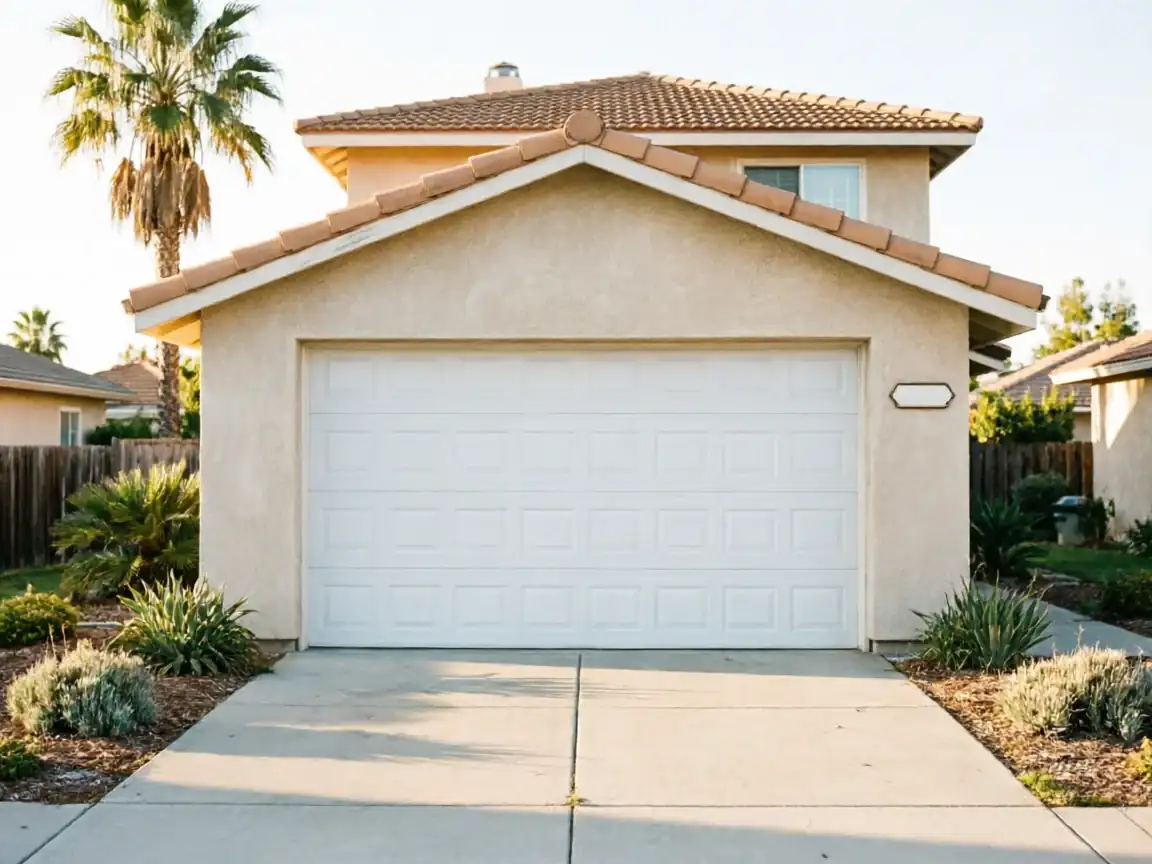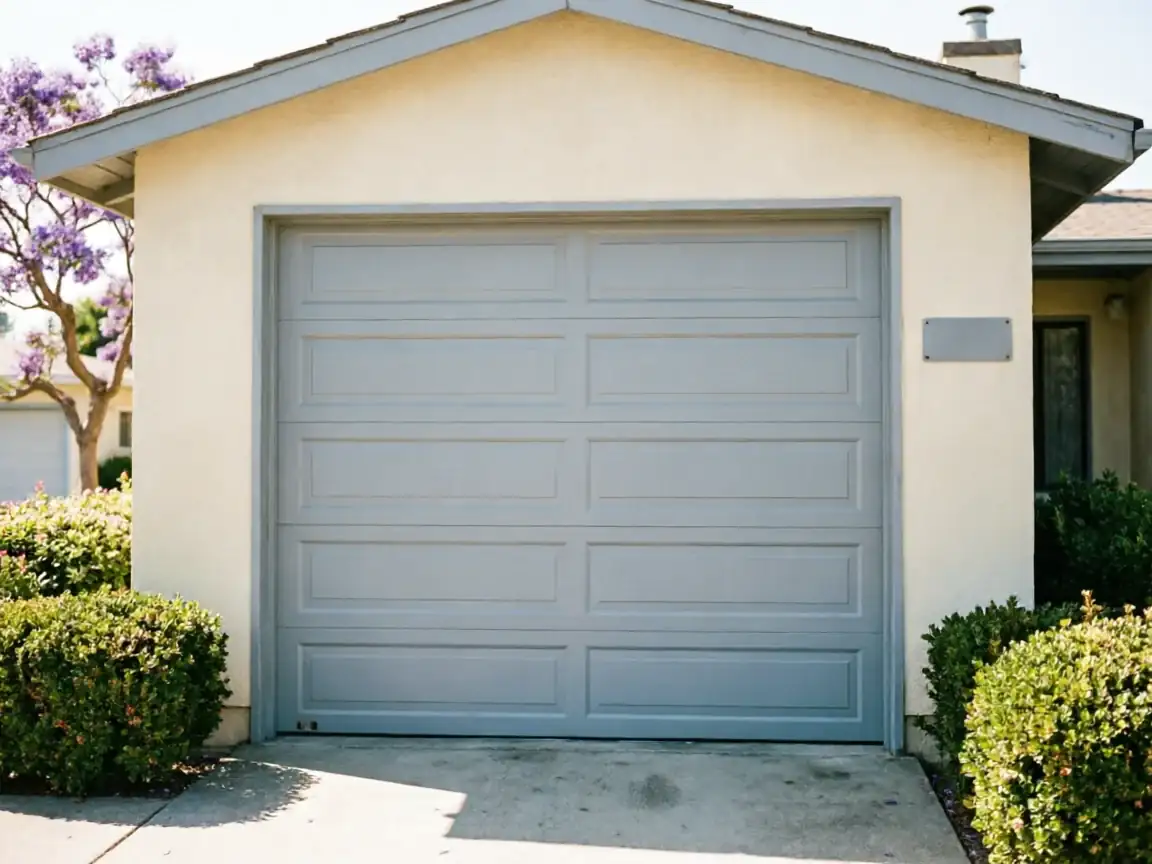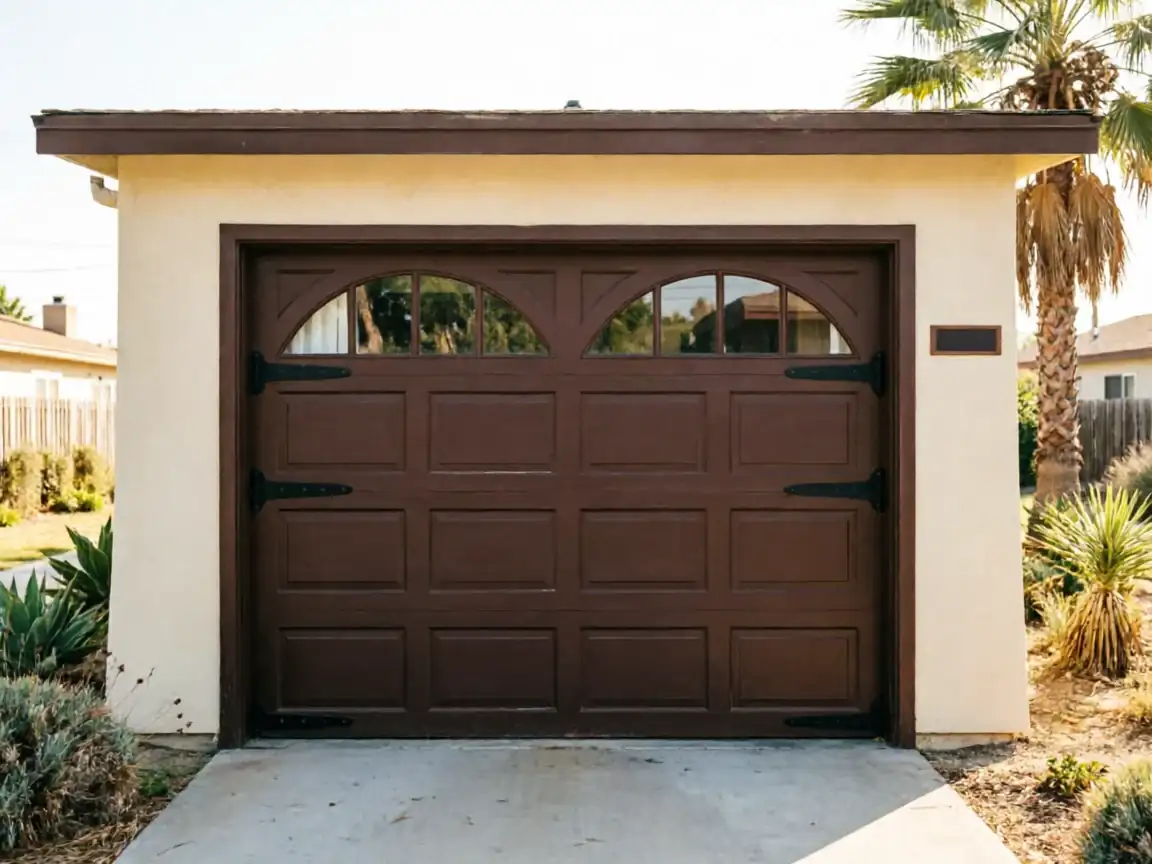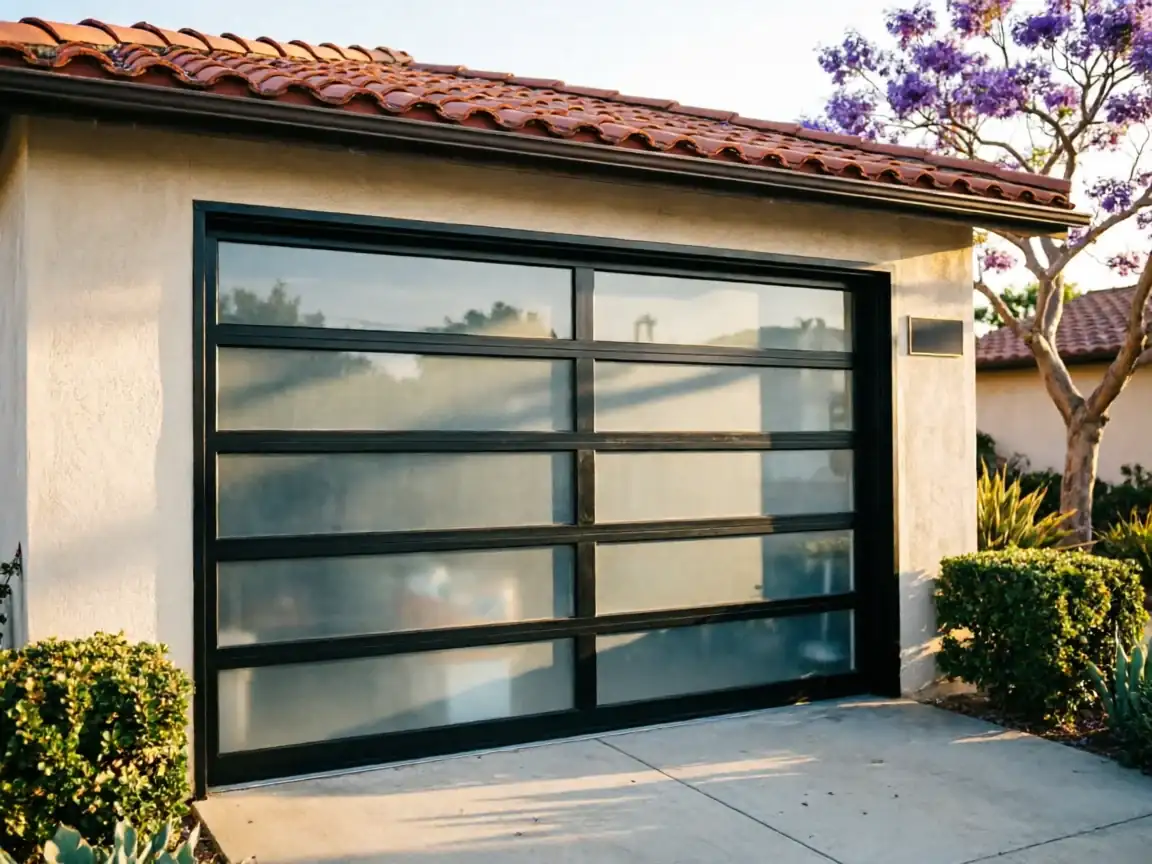
Where This Job Goes Sideways
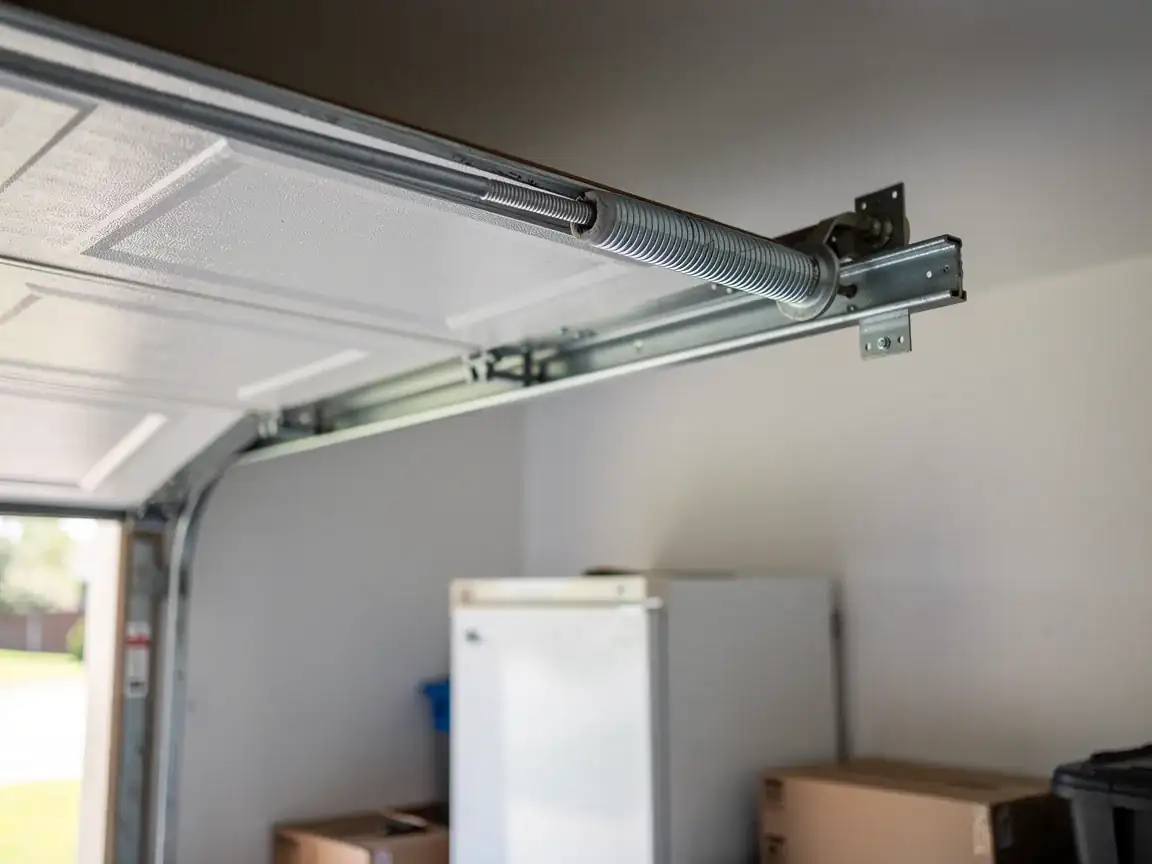
The service area sits in a severe heat climate band, and that matters more for a new install than people expect. A garage attached to the house heats up hard through the afternoon, and an opener motor working against a door that's binding - even slightly - runs hotter and fails sooner. On 1986-era construction, the header and track are usually sound, but the weatherstrip and bottom seal have usually baked and cracked by the time a homeowner is ready to replace the door itself, which changes what we need to re-fit. The other place this goes sideways is headroom: some garages from this build era were framed tight to code minimums, and a new door with a thicker insulated panel can crowd the spring assembly if we don't check clearance before ordering.
What the Fix Involves
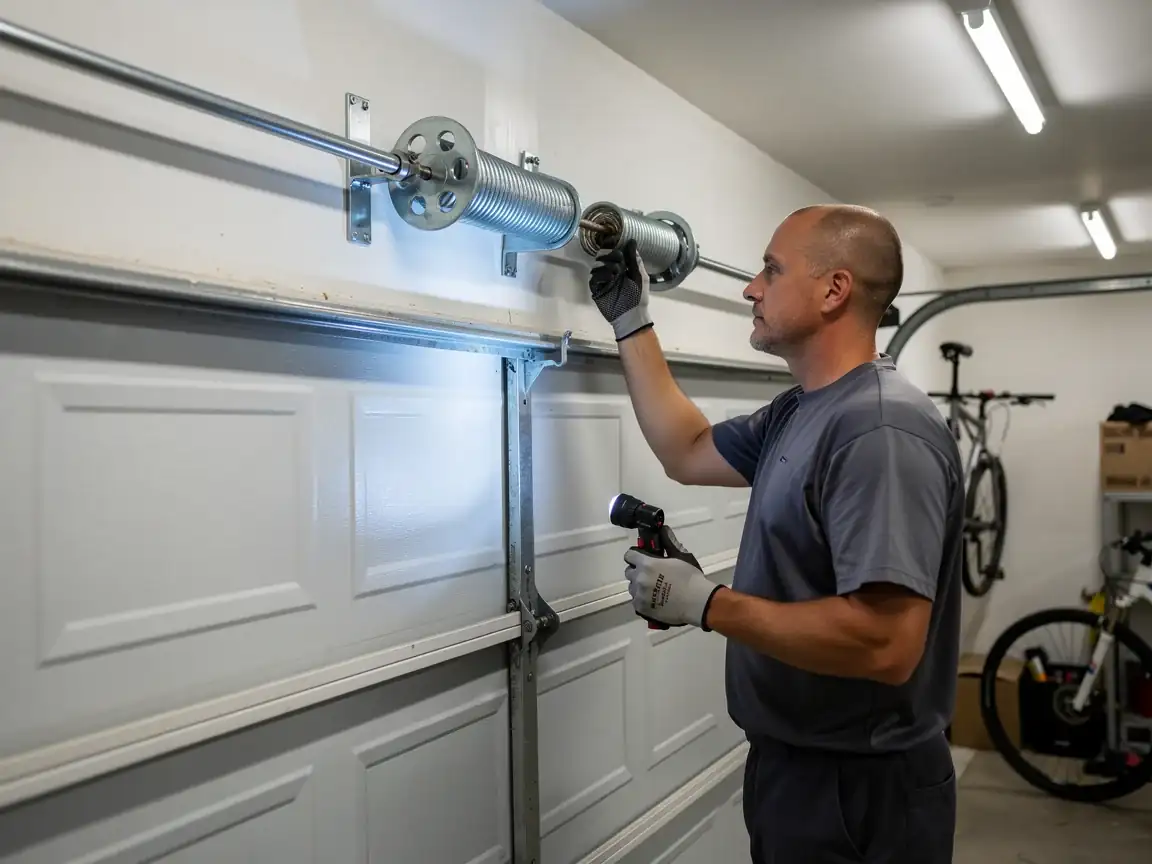
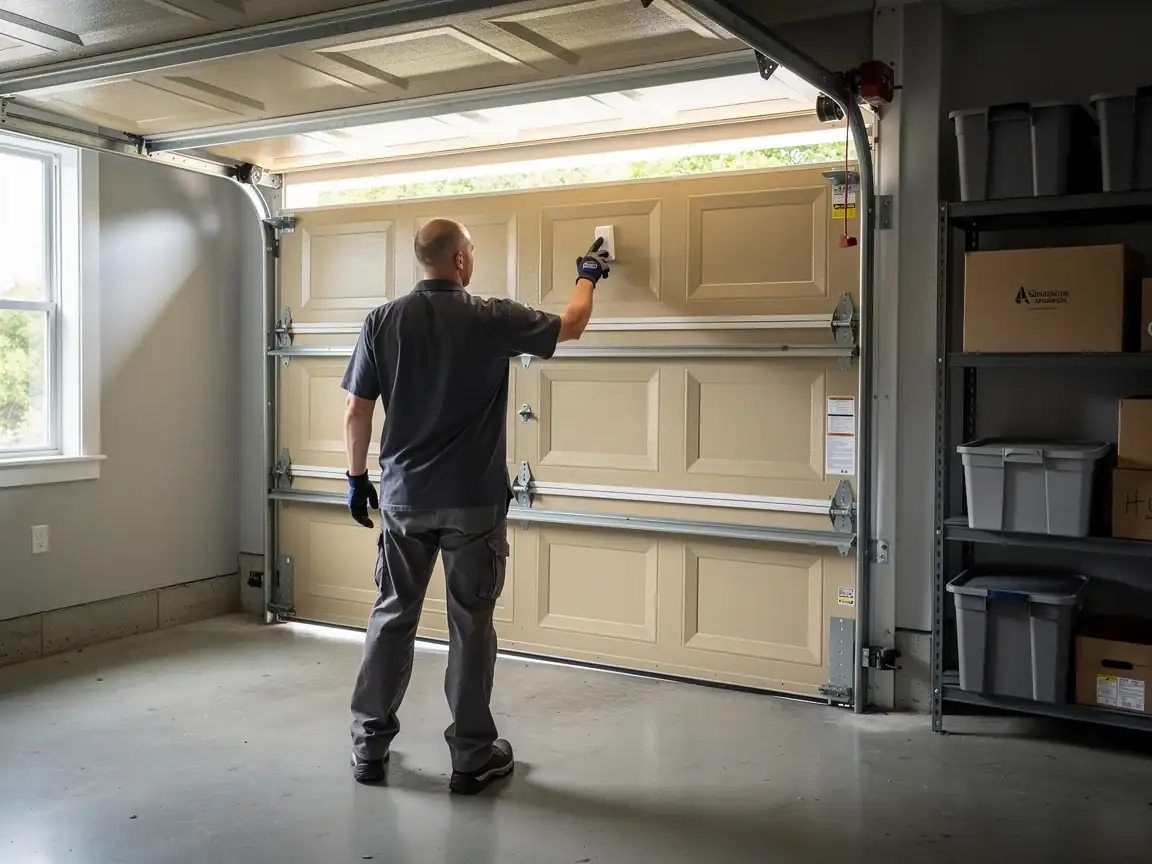
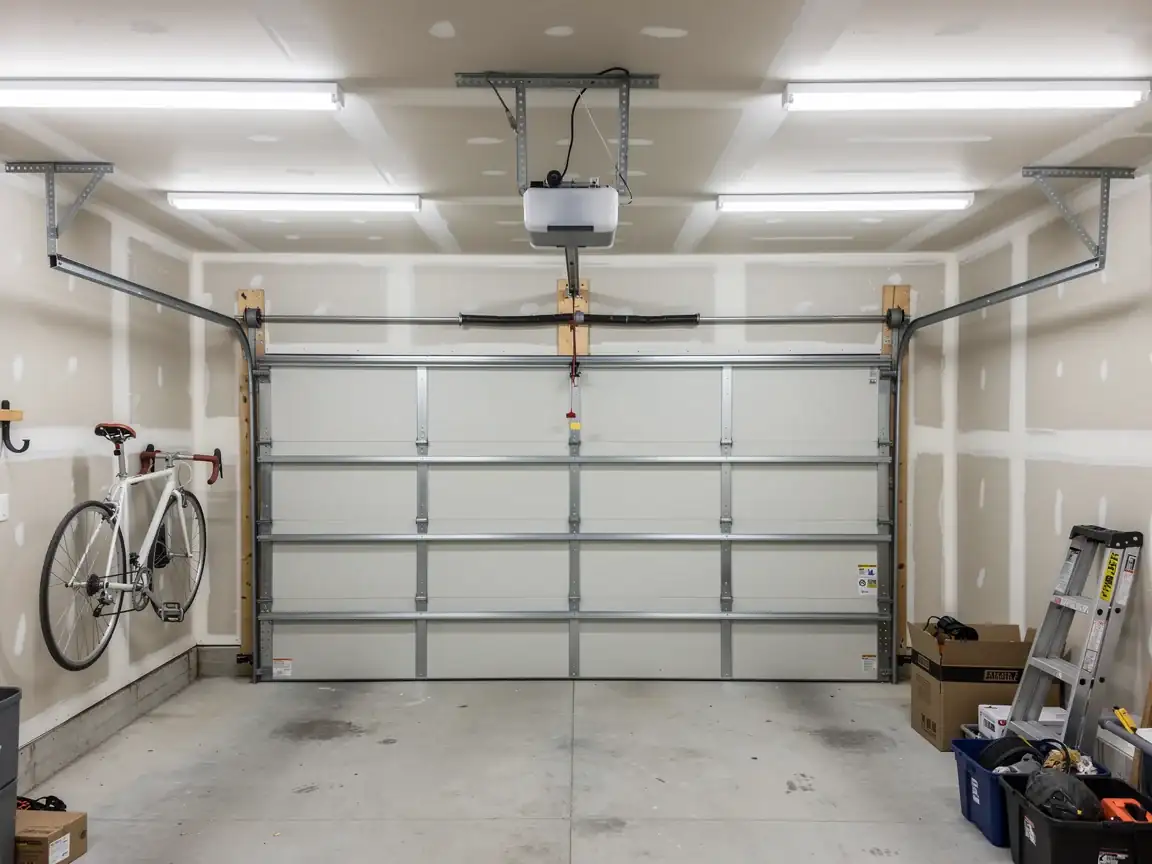
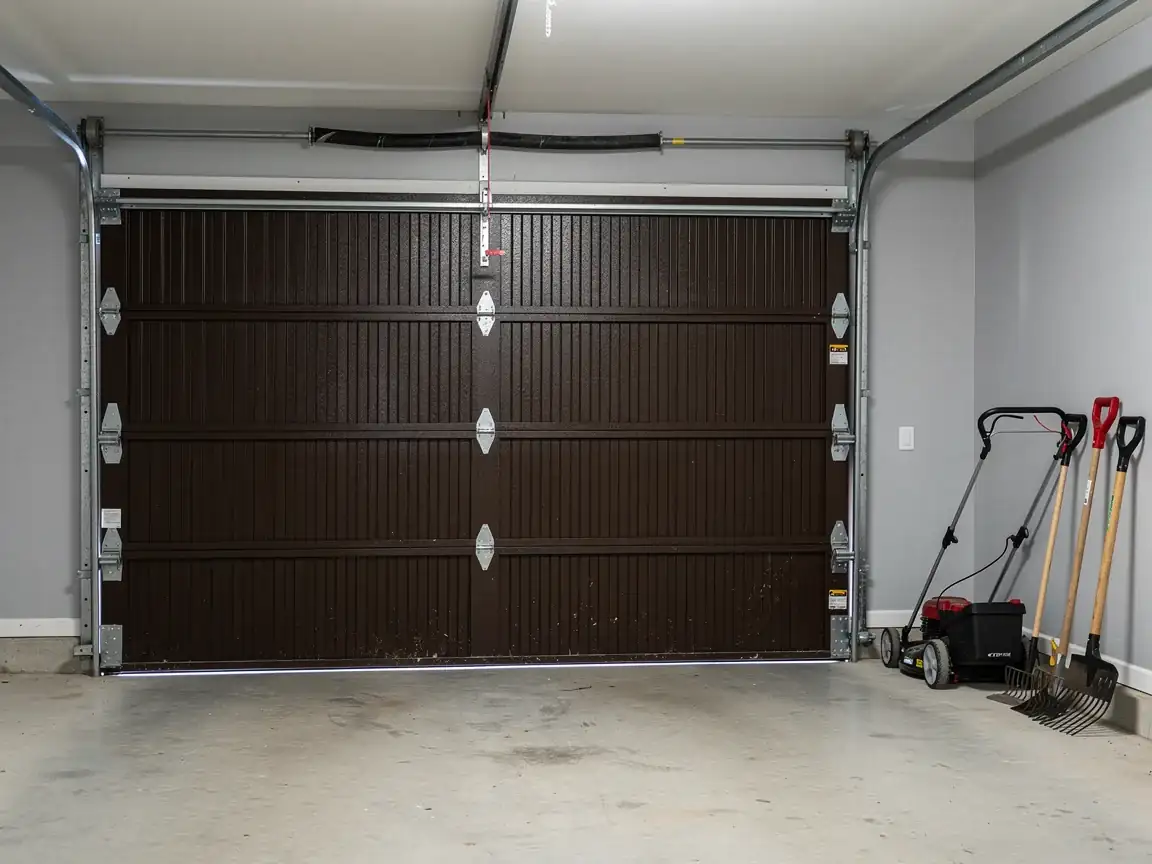
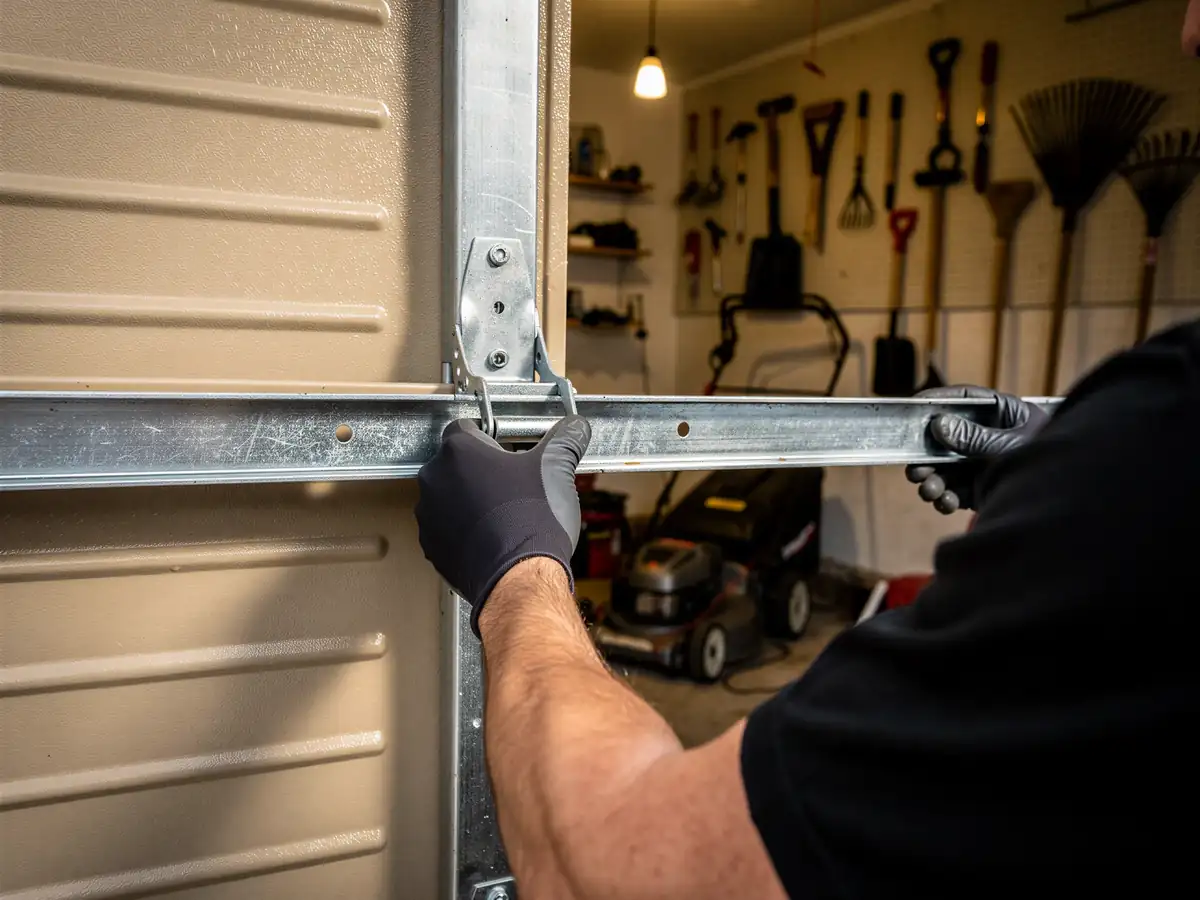
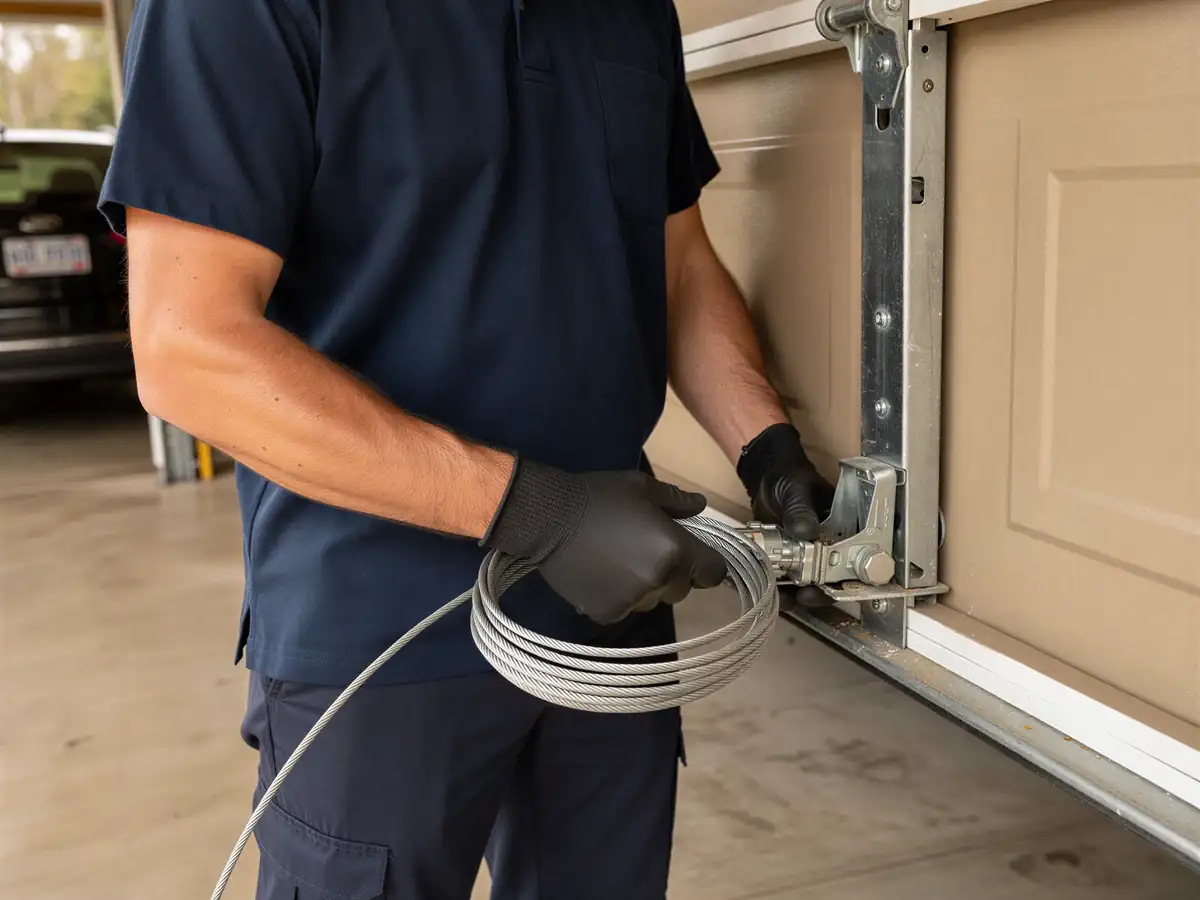
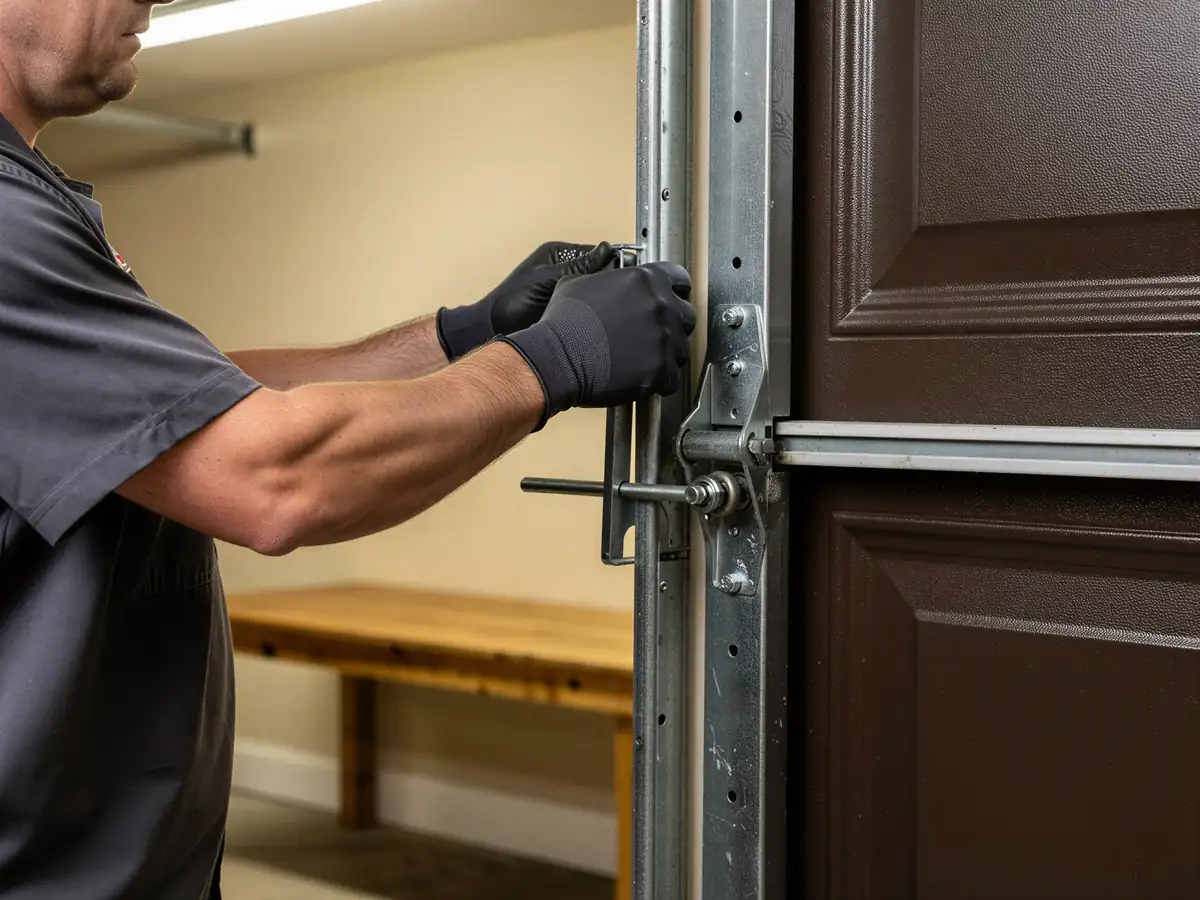
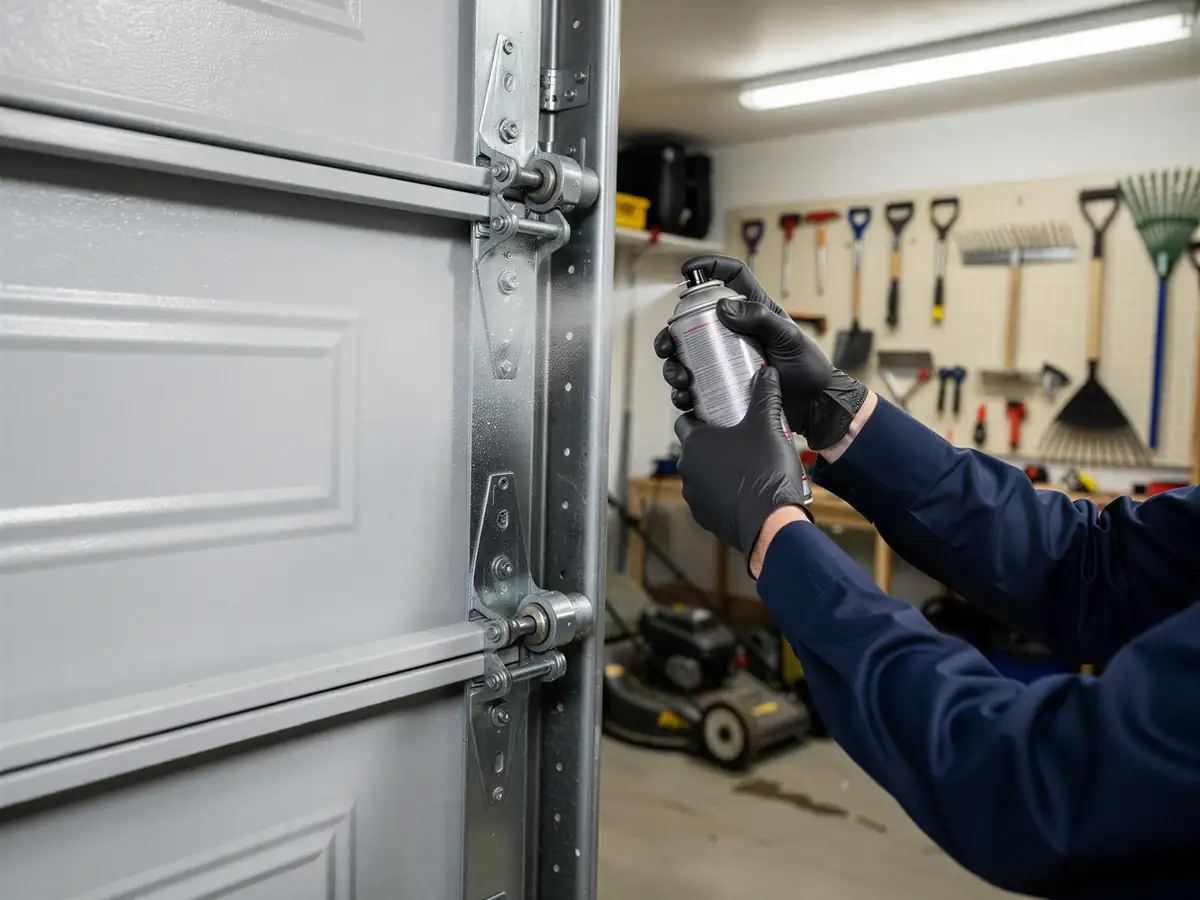
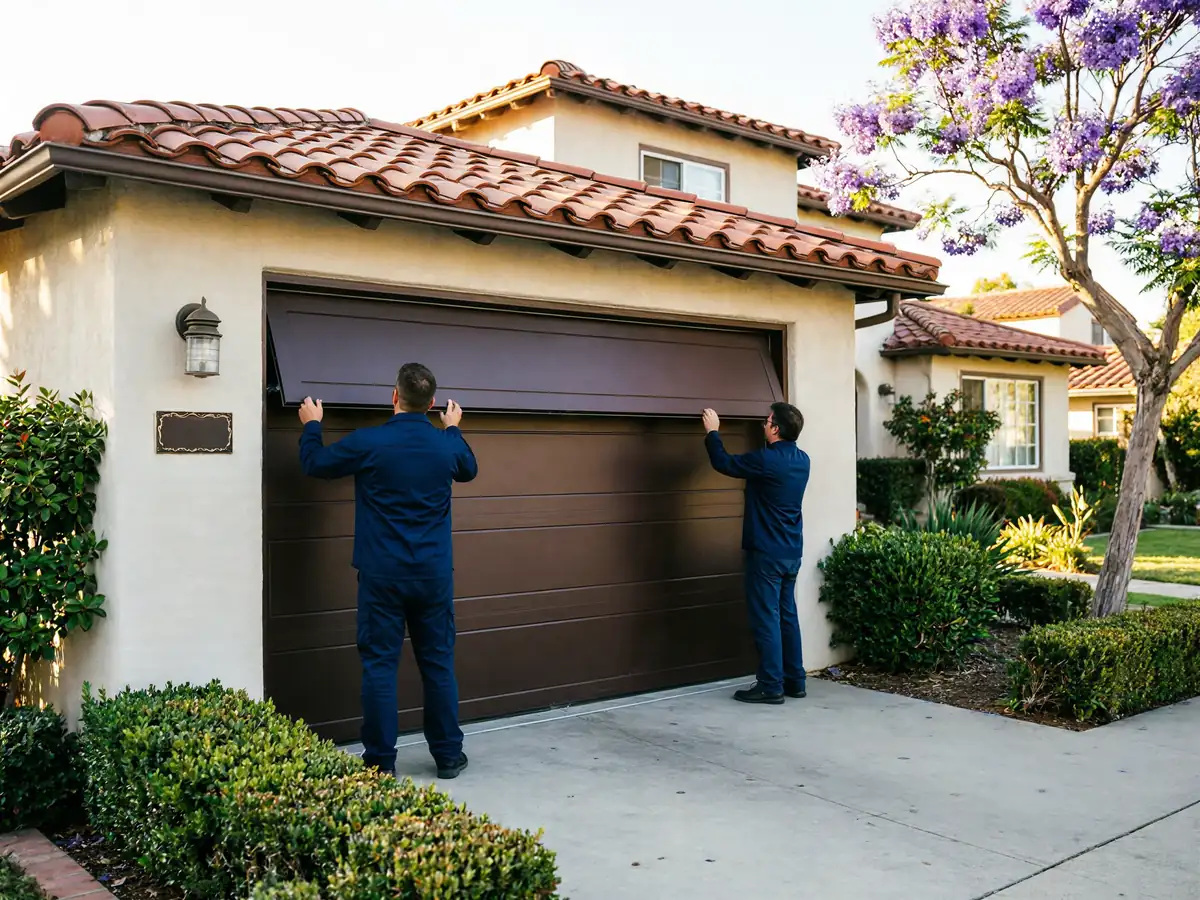
A full install starts with pulling the old door, panels, track, and springs, and checking the header and jamb for square - on a house from the mid-80s that's usually fine, but we've opened up enough of these openings to know it's worth five minutes before the new door goes in. We set new track to match the opening, hang the panels, balance the torsion spring to the door's actual weight rather than a generic chart number, and fit a new opener if the old one is past matching to the new door's travel and lift. We also replace the bottom seal and weatherstrip as a matter of course on these jobs, since original rubber from a house this age is almost always shot. What we won't do is reuse a spring rated for the old door's weight on a heavier insulated replacement - that's a comeback waiting to happen, and we'd rather lose the upsell than send someone back out on a spring that snaps in six months.
Booking a Visit
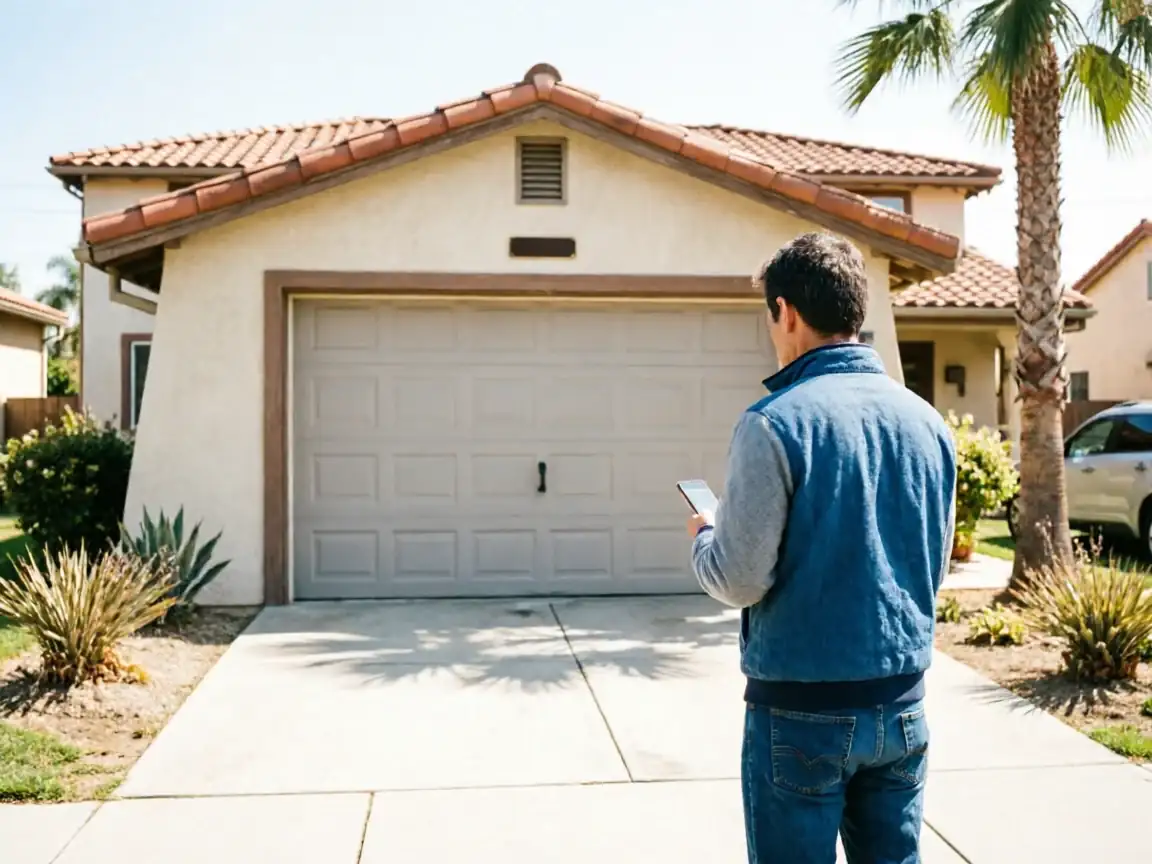
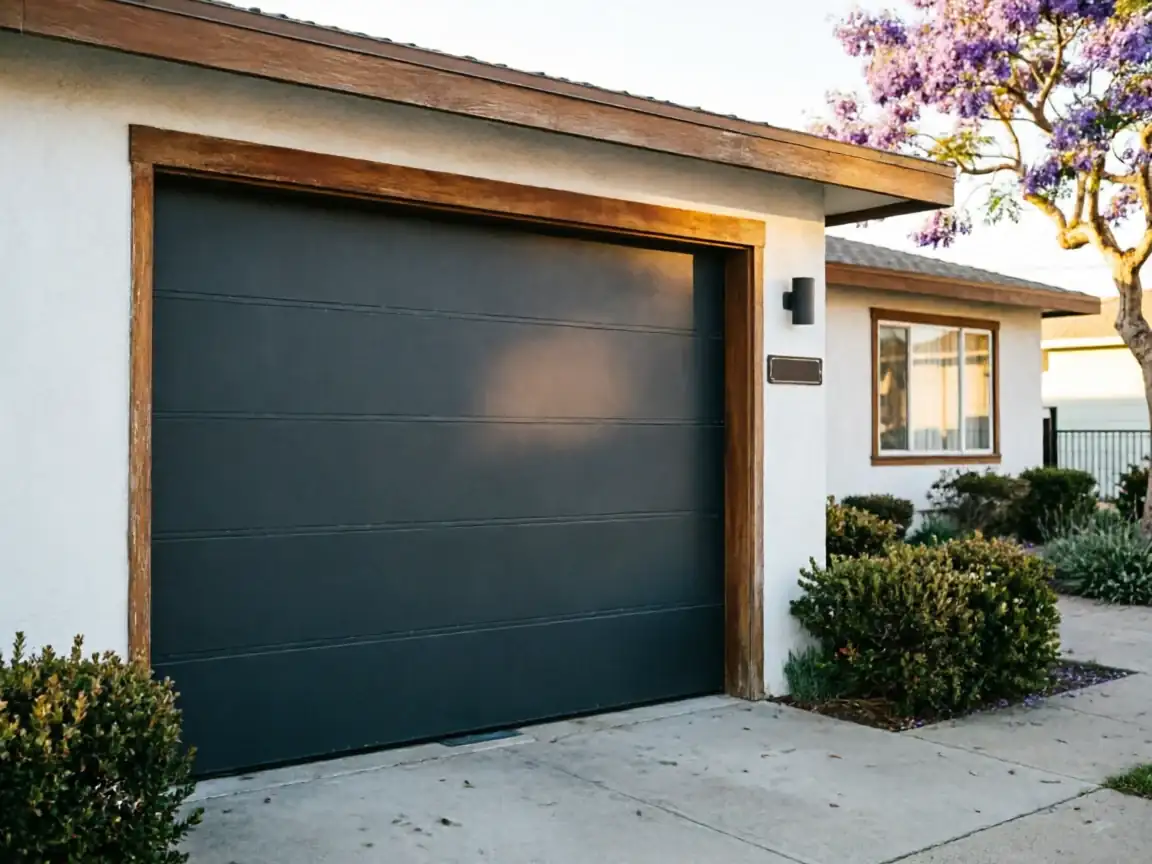
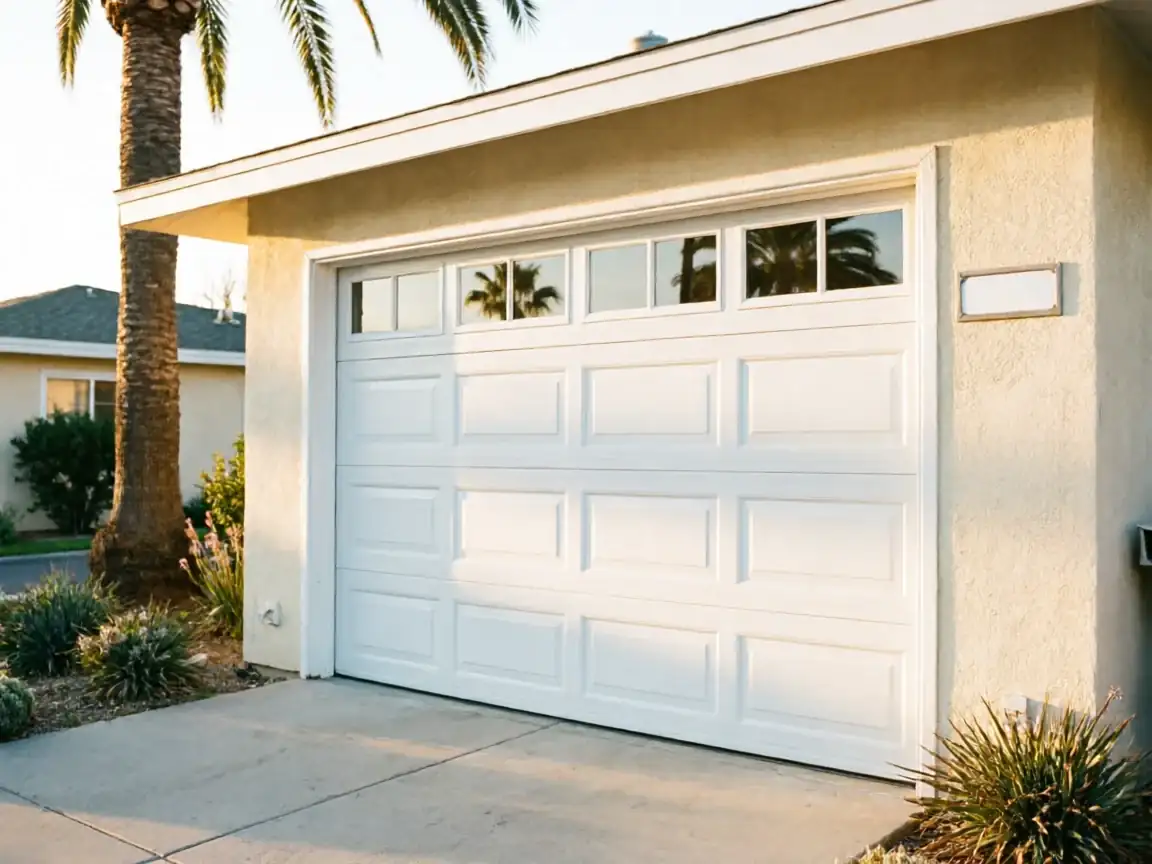
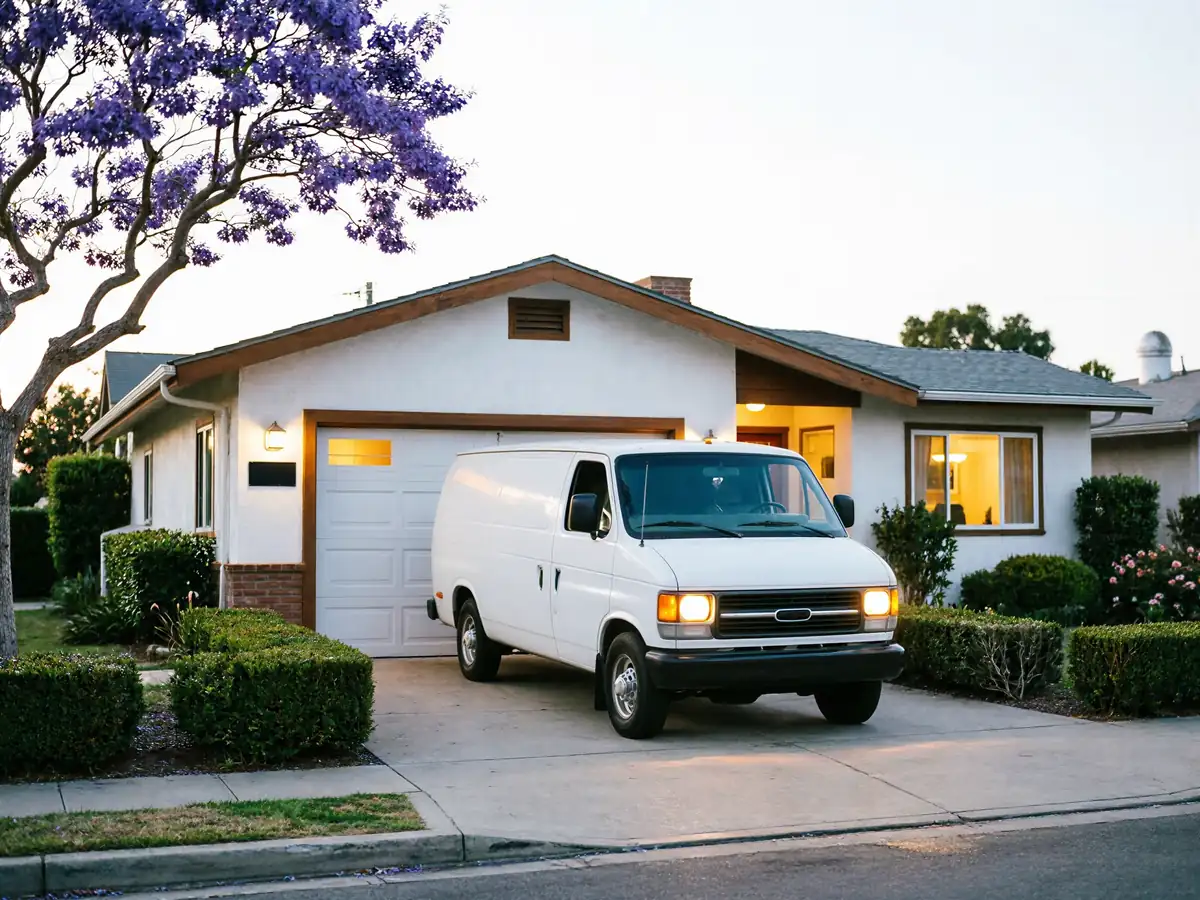
We run installs in Ceres out of Modesto, about 3 miles away, so getting a crew and a loaded truck to a job here doesn't mean a half-day drive before work even starts. Because we cover the whole stretch of towns around Modesto, we schedule installs in blocks by area rather than one truck per town, which keeps the trip efficient without padding the quote. If you want to see what else falls under this area or compare notes with how we handle Modesto itself, the service area page and the Modesto installation page cover the broader picture; this page is just the Ceres install job.
What You Are Seeing
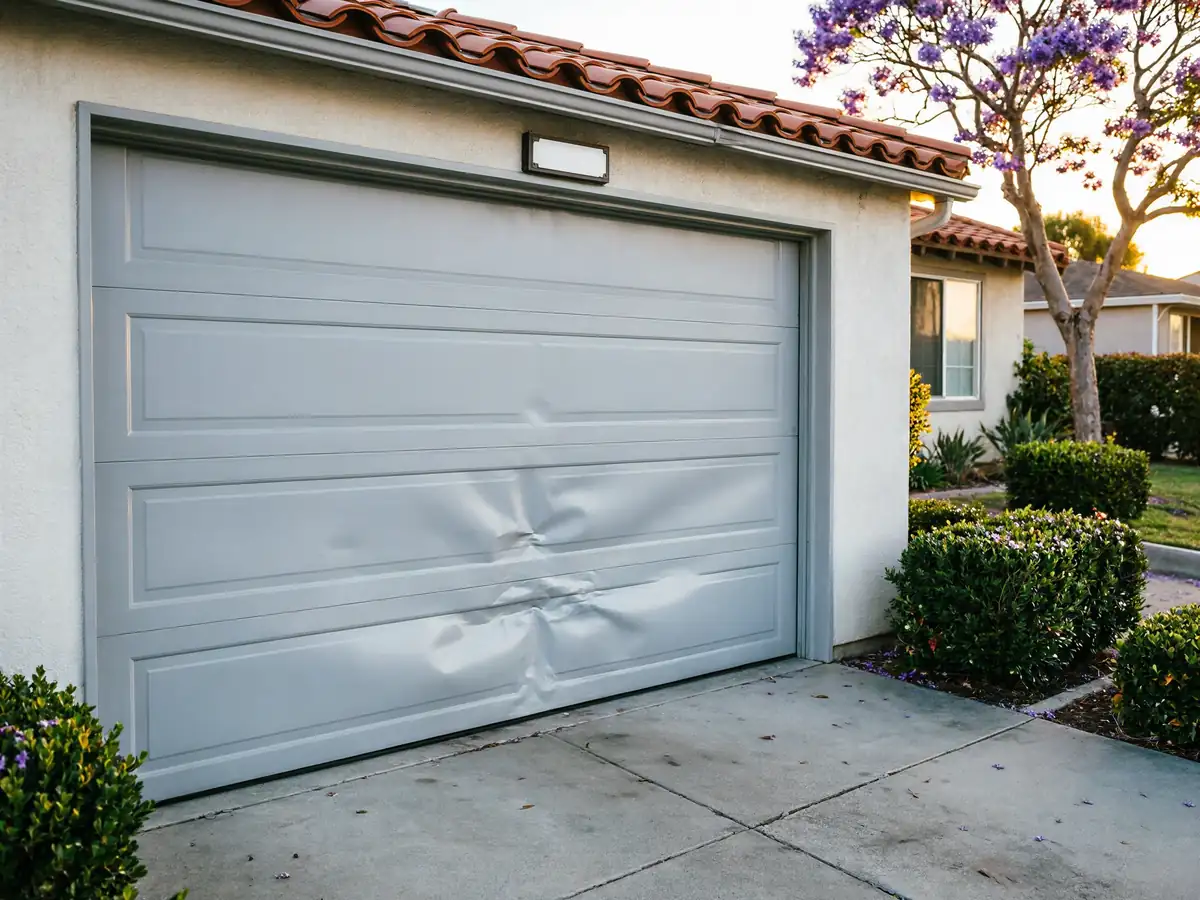
If your door is original to a house built around 1986, the symptoms are predictable: the panels have started to dent or bow, the bottom seal is cracked or missing chunks, and the opener strains or reverses partway up because the spring has lost tension over three-plus decades of summer heat cycling. Some owners also notice the door is just noticeably heavier to lift by hand than it used to be, which is spring fatigue, not a track problem. None of that means the opener is bad - it often means the door and spring have aged out and the opener is doing its honest best against hardware it was never matched to. A new install resets all of that at once instead of patching one symptom at a time.