How Long It Takes
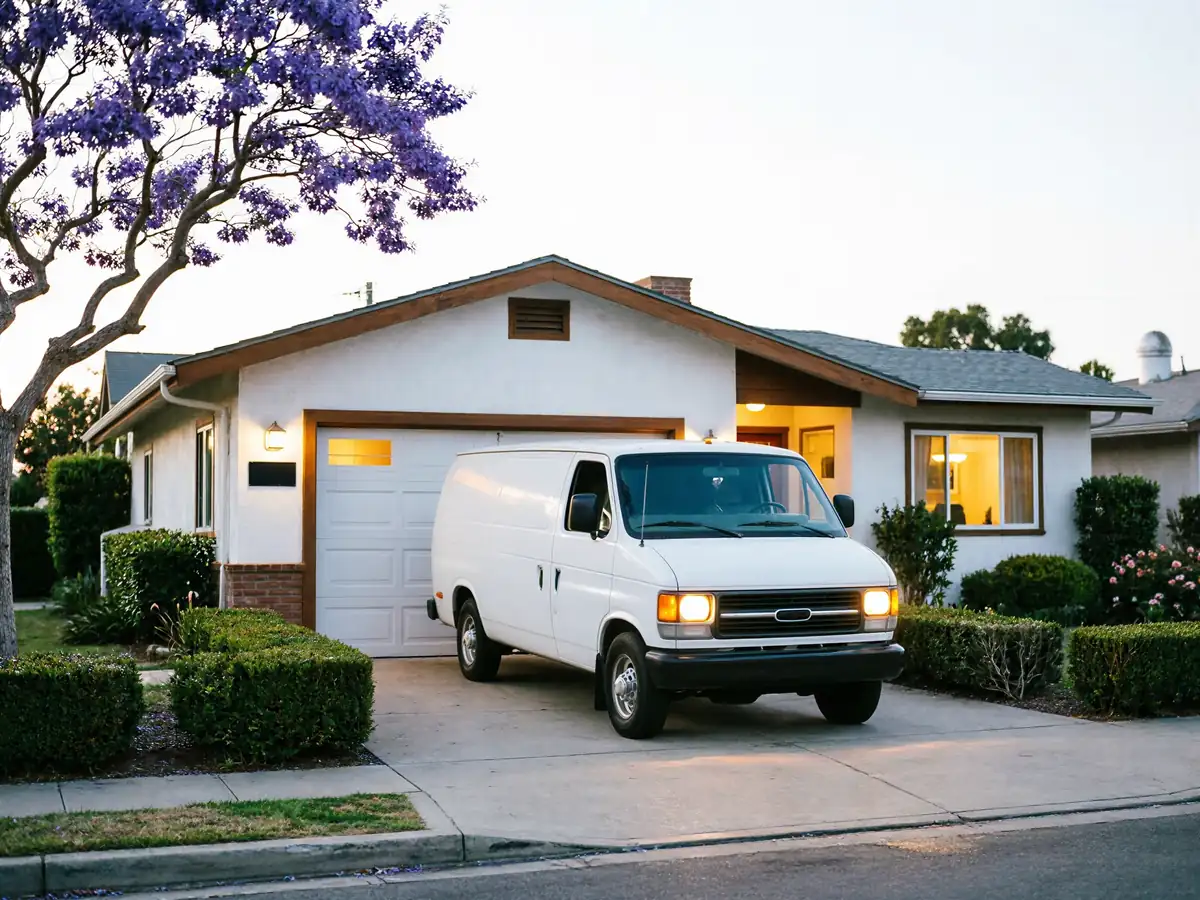
We run this call from Modesto, about 12 miles out
So the first thing to know is that we're not already parked around the corner. That drive adds time you won't see on a page covering a closer suburb. Once we're rolling, most emergency calls here are springs, cables, or openers that quit overnight and leave a car trapped. We won't promise a number we can't back with a fact, but we do prioritize a door that won't close over one that's just noisy.
- 12 miles
What we can tell you is what we're walking into before we knock
Oakdale's housing stock runs mostly 1980s and 90s, median year built 1987, which means a lot of garages still carry the torsion springs and chain-drive openers that shipped with houses in that build era. That's a known quantity for us. We bring spring sizes and drive gears that match that window of construction, not a guess made at the curb.
The DIY Question
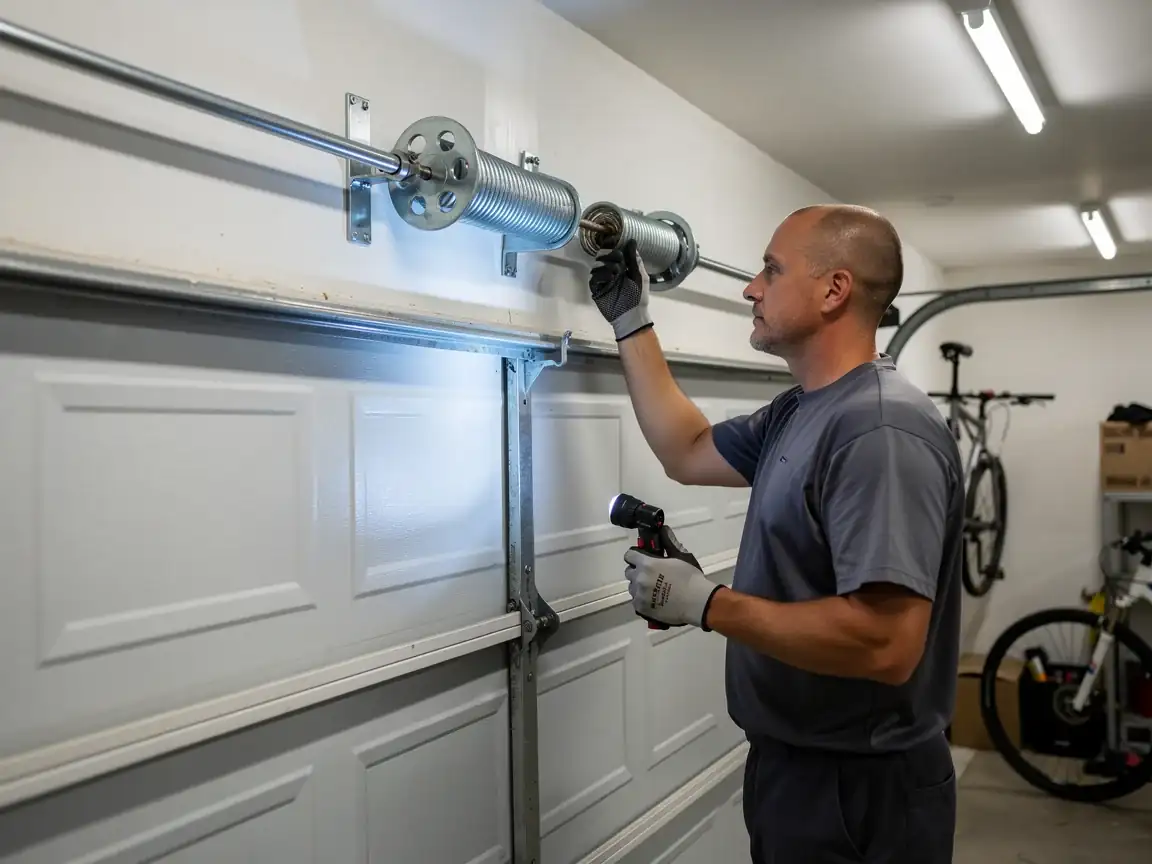
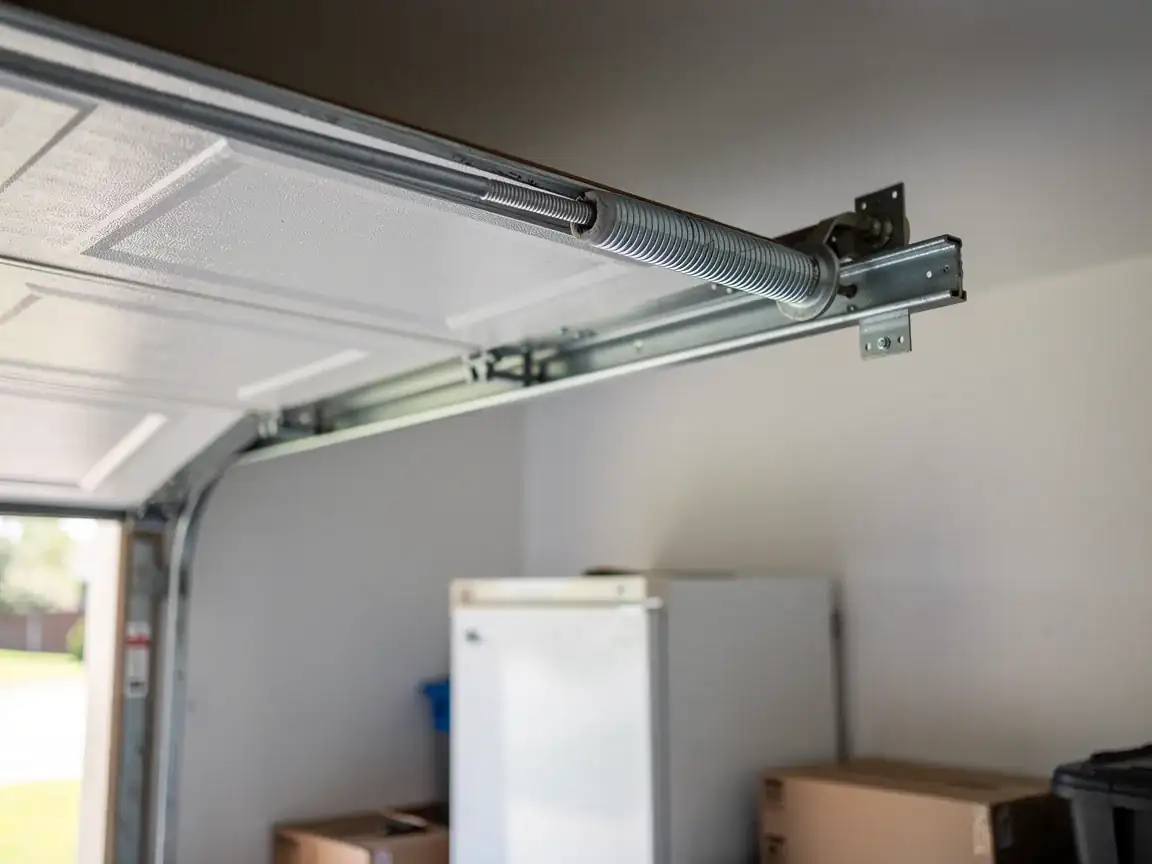
A garage door stuck on a torsion spring from a late-80s build is not a job for a trip to the hardware store. The spring is wound under enough tension to break a bone if it lets go while you're working on it, and the hardware on a house from that era often isn't the same gauge sold today. We'd rather tell you plainly: if the door won't move, or it moves and then drops, leave it shut and call someone who does this daily.
Where a homeowner can actually help themselves is diagnosis before the call. Check whether the opener light blinks a code, whether the door binds on one track more than the other, and whether the trouble started after a storm or just appeared on its own. That tells us more in thirty seconds on the phone than most guesswork does, and it means we show up with the right part instead of a truck full of maybe.
What the Fix Involves
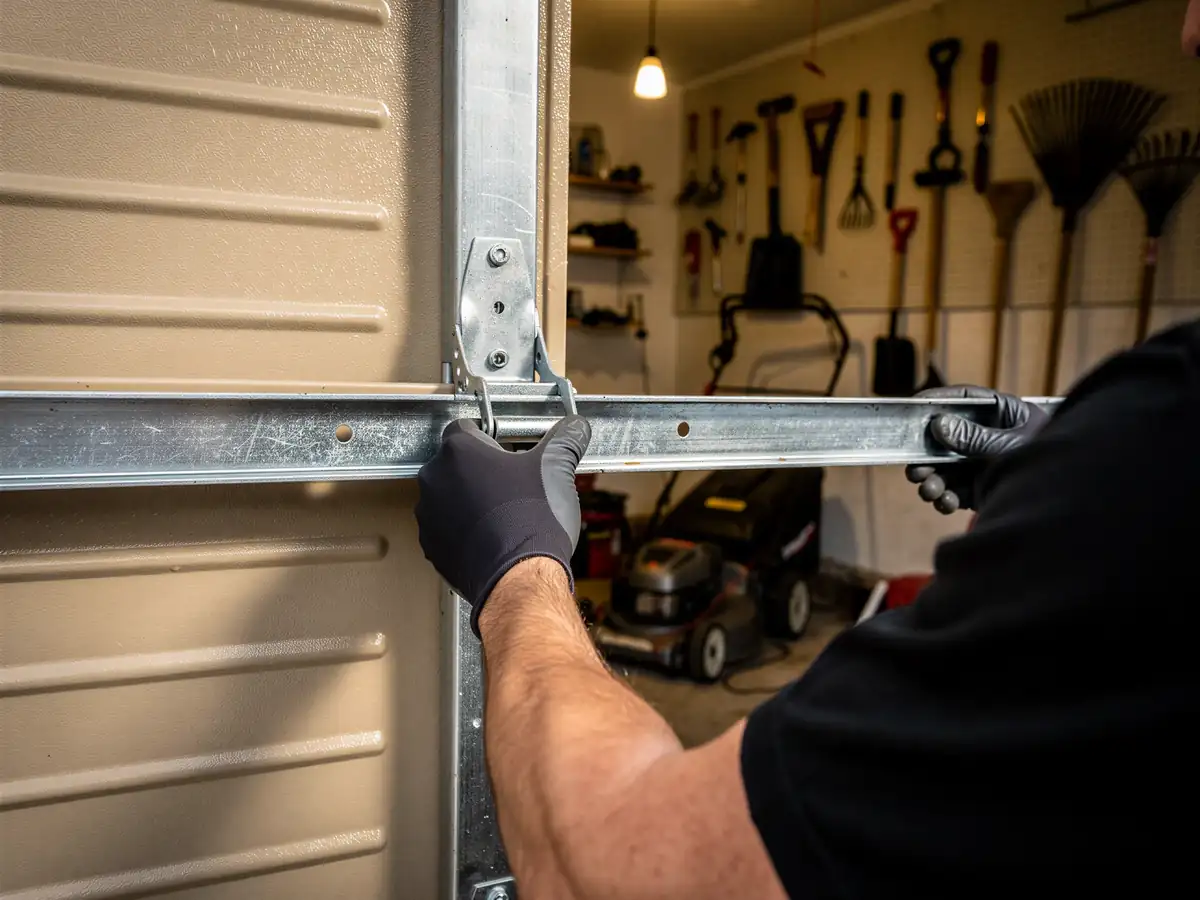
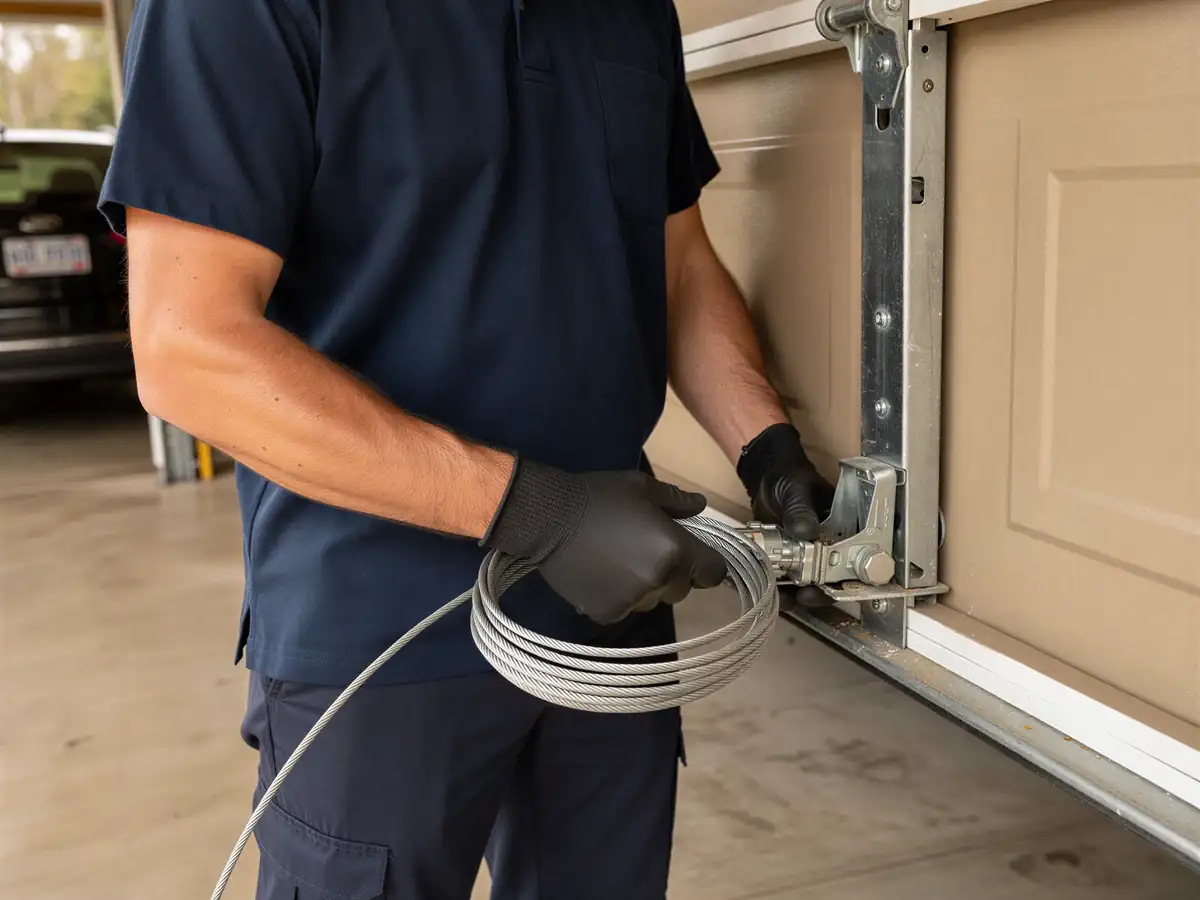
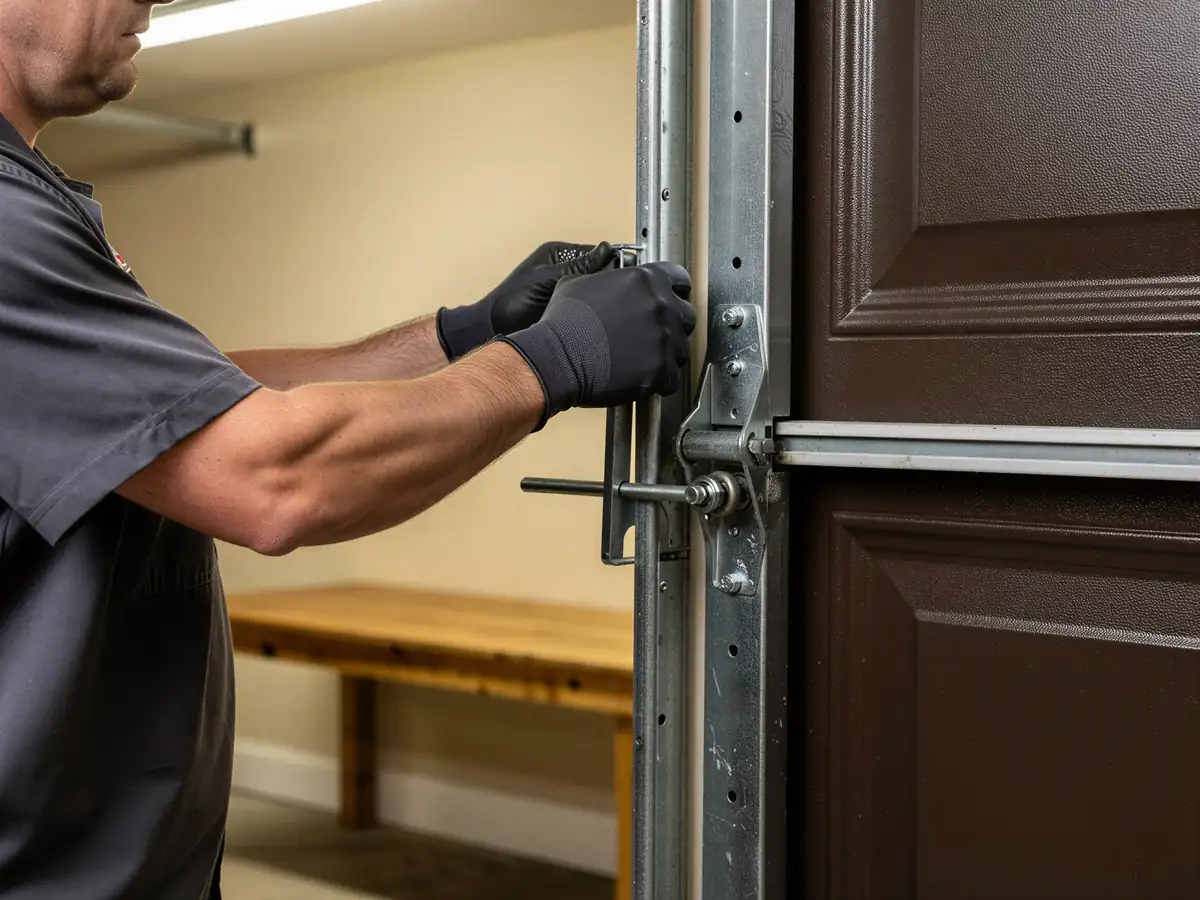
On a house from the 1987 median build year, the repair usually starts with the spring system, since that's the part under the most daily stress and the first to fatigue after three decades. We size the replacement to the door weight and the drum setup already on the track, rather than swapping in a universal part that's close enough. Cables and rollers from that same era often go not far behind the spring, so we check them while we're already in the header.
Openers are the other common call. A chain-drive unit that's run since the late 80s or 90s has earned its retirement, and at some point replacing it costs less than chasing another failed gear or capacitor. We'll tell you straight when a repair isn't worth it anymore rather than billing for a patch that fails again in a season. One limit worth naming here: some older opener models have parts with long lead times, so a same-day fix sometimes means a temporary manual operation until the part arrives.
Why It Happens Here
Oakdale sits in a severe-heat climate band
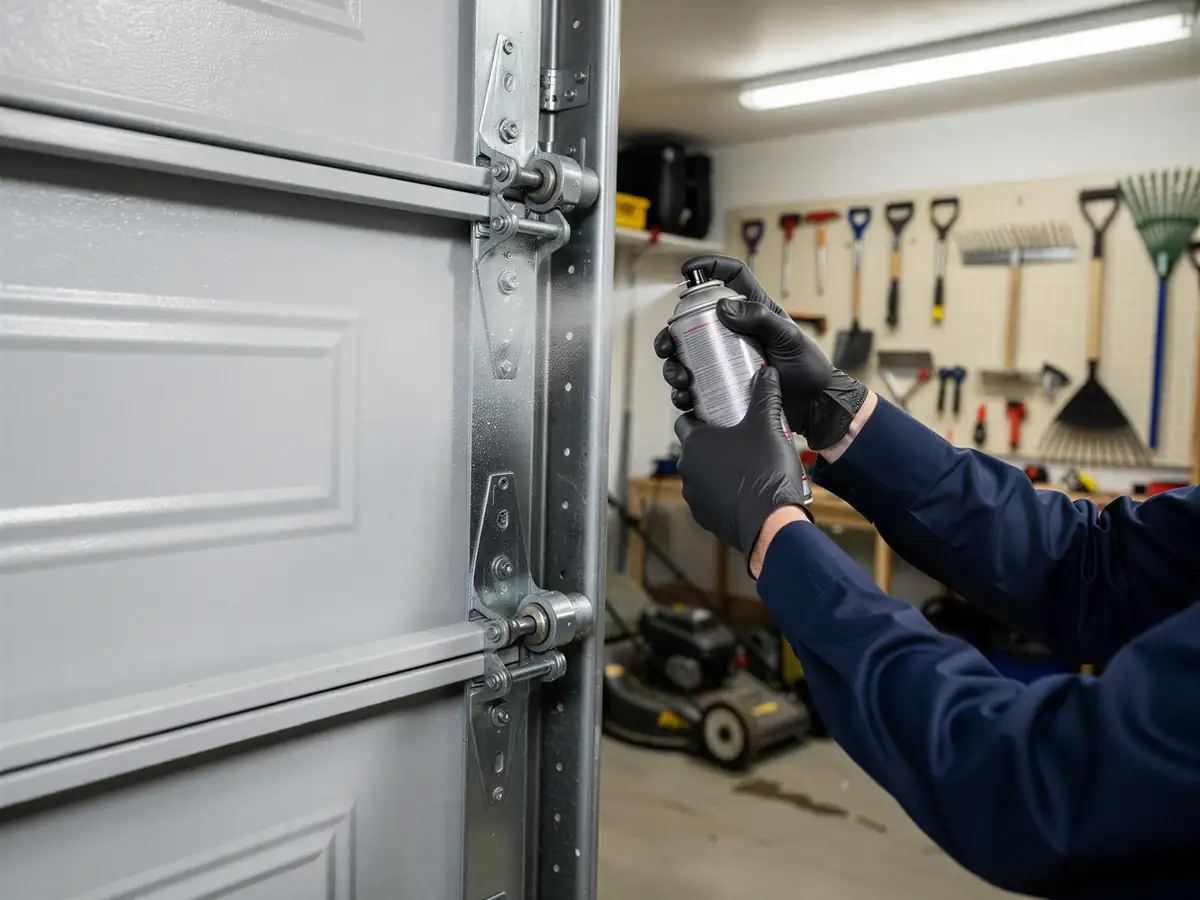
And heat is hard on garage door hardware in ways that aren't obvious until something snaps. Steel springs lose temper faster when they cycle through repeated heat swings, nylon rollers crack, and lubricant on older tracks dries out quicker than it would in a milder climate. Combine that with a housing stock centered on 1987 construction and you get a specific, predictable failure pattern: springs rated for a cooler, shorter service life finally giving out after thirty-plus summers.
With roughly 8,230 households in the area and a median income of $86,478
Most of these are owner-occupied houses where a broken door isn't a minor inconvenience, it's a security gap and often the only way a car gets in or out. That's the setup we expect before we ever get out of the truck.
- 8,230 households
- $86,478 median household income