How Long It Takes
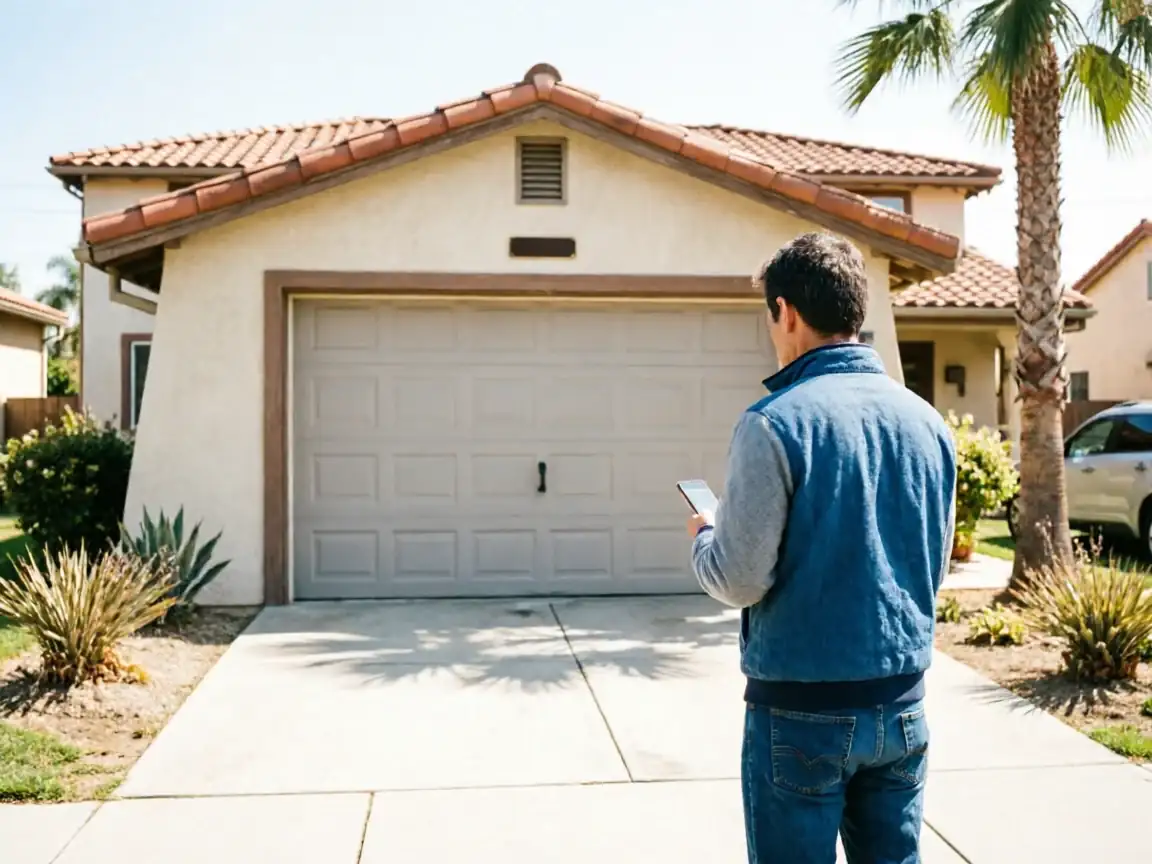
Most houses in Oakdale went up around 1987, and that's the number that shapes this whole job
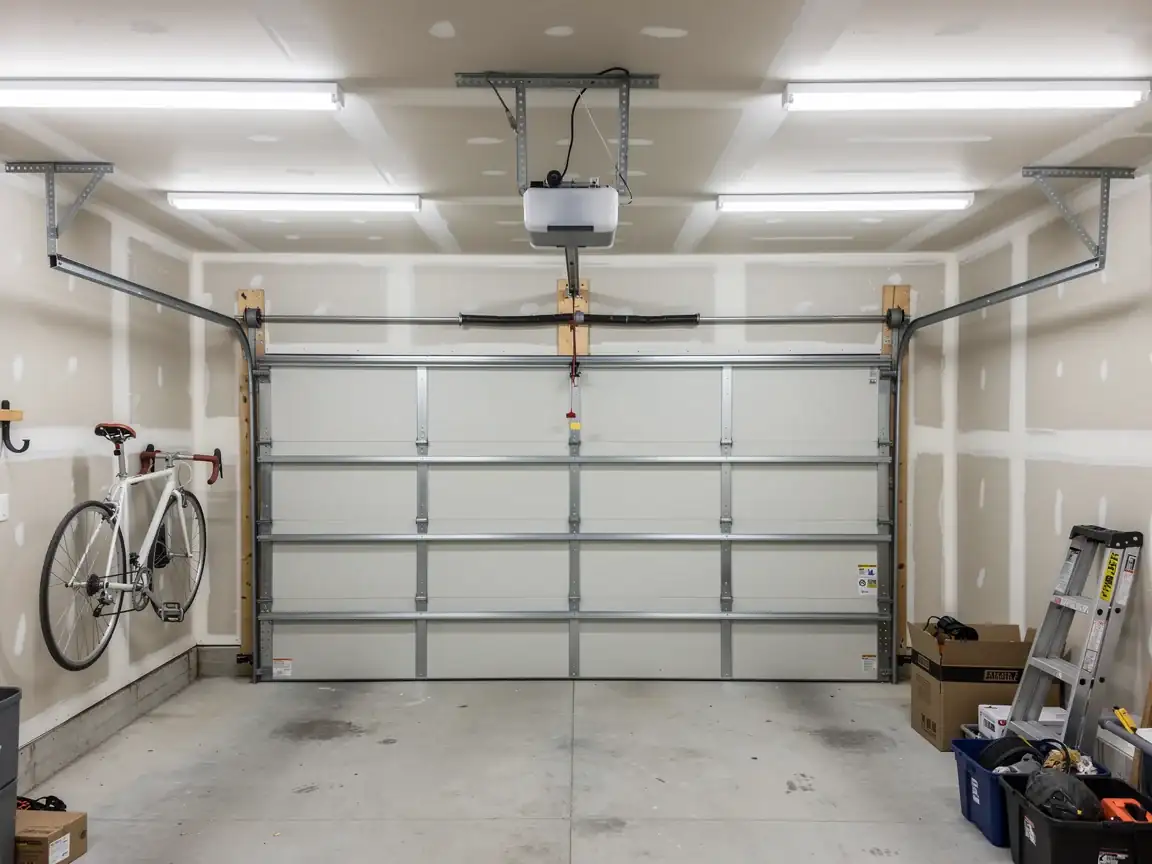
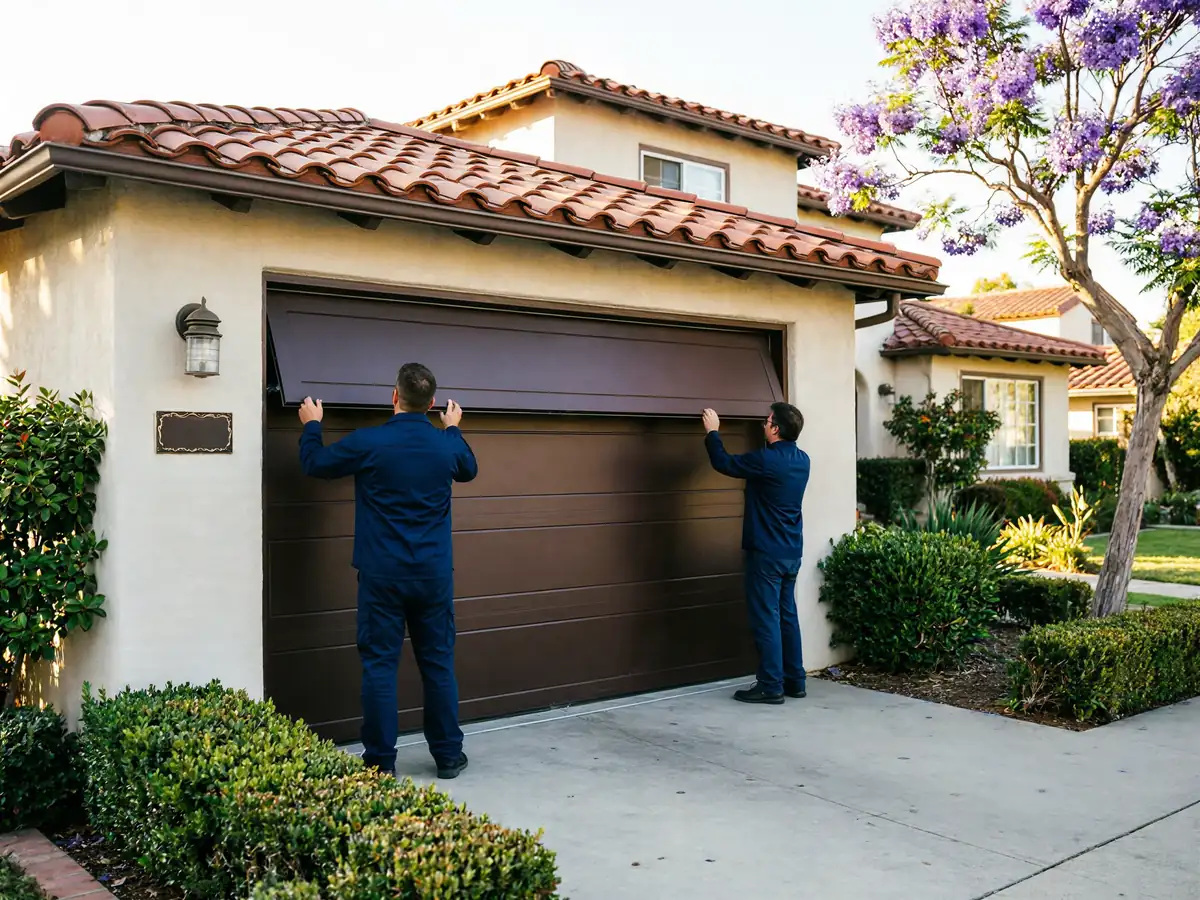
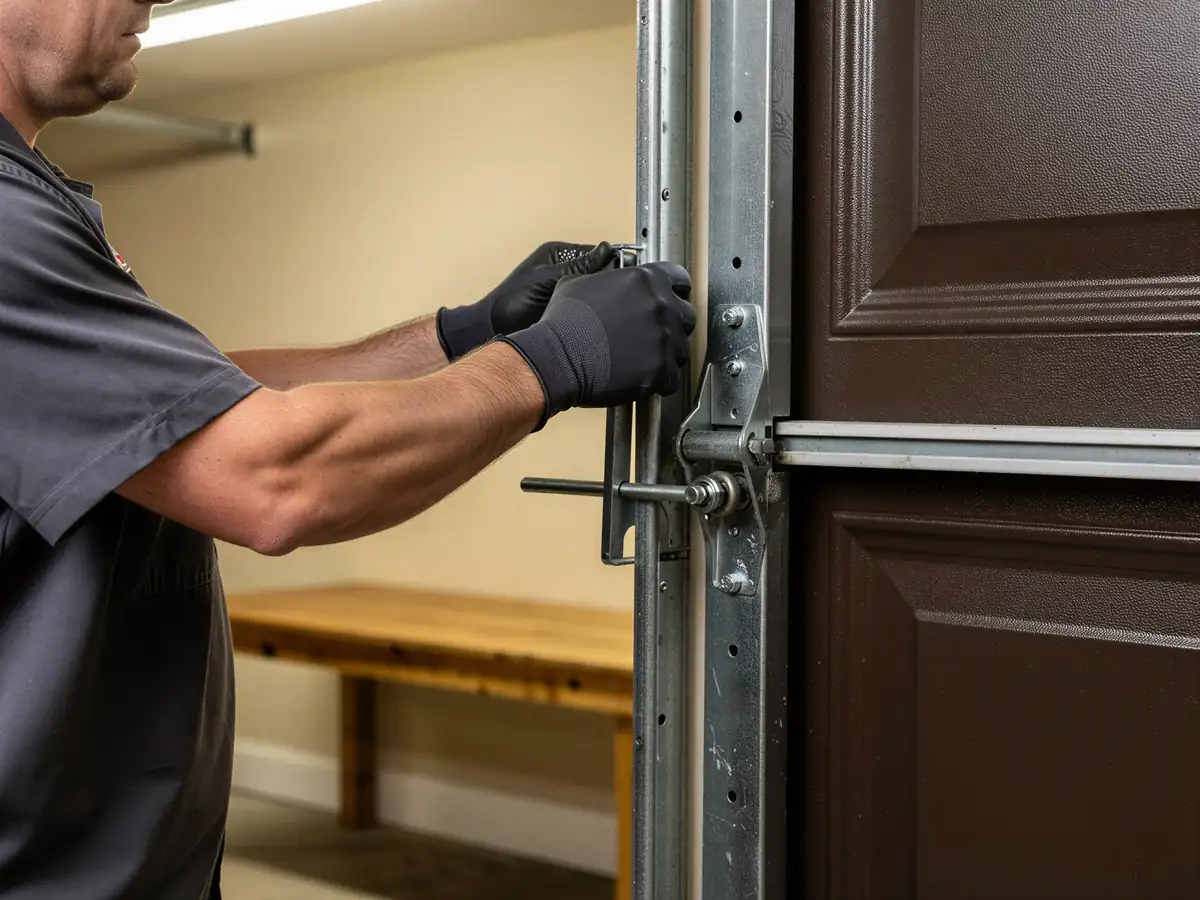
Steel sectional doors on extension-spring hardware were the standard build-out door through the 80s and into the 90s, and that's what's still hanging on the vast majority of garages here. A single panel swap on that kind of door, once the right panel is sourced and on the truck, usually runs a few hours on site - removing the damaged section, matching hinge placement, re-hanging and balancing the door so the springs aren't fighting a door that's suddenly a few pounds lighter or heavier on one side.
The part that actually controls the schedule isn't the labor, it's the panel
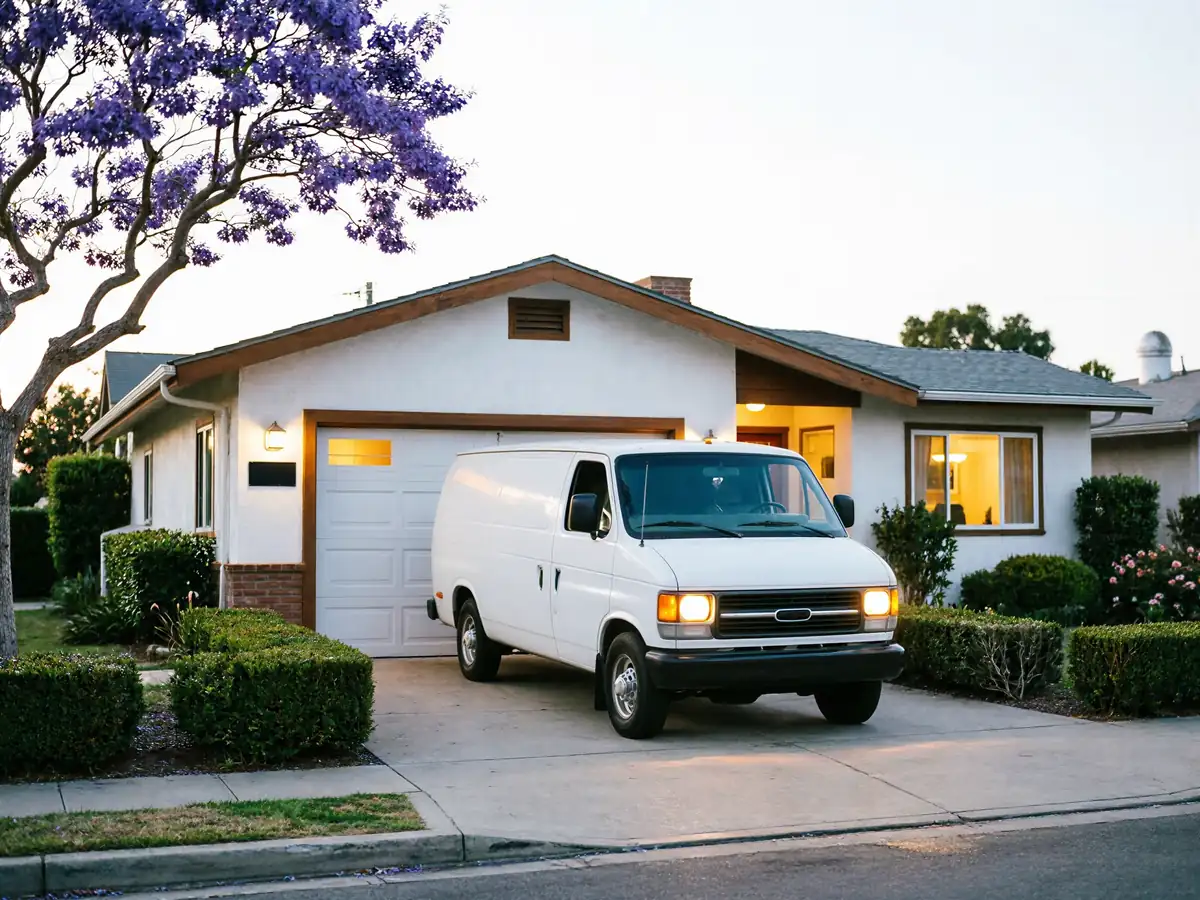
If your door is an original builder-grade model from that era, the exact profile and color may not be sitting on a shelf anywhere nearby, and we're working from Modesto, 12 miles out, so sourcing and travel both factor into when the truck can be there. We'll tell you a real timeline once we've looked at the door and confirmed what we're matching, not before.
- 12 miles
The DIY Question
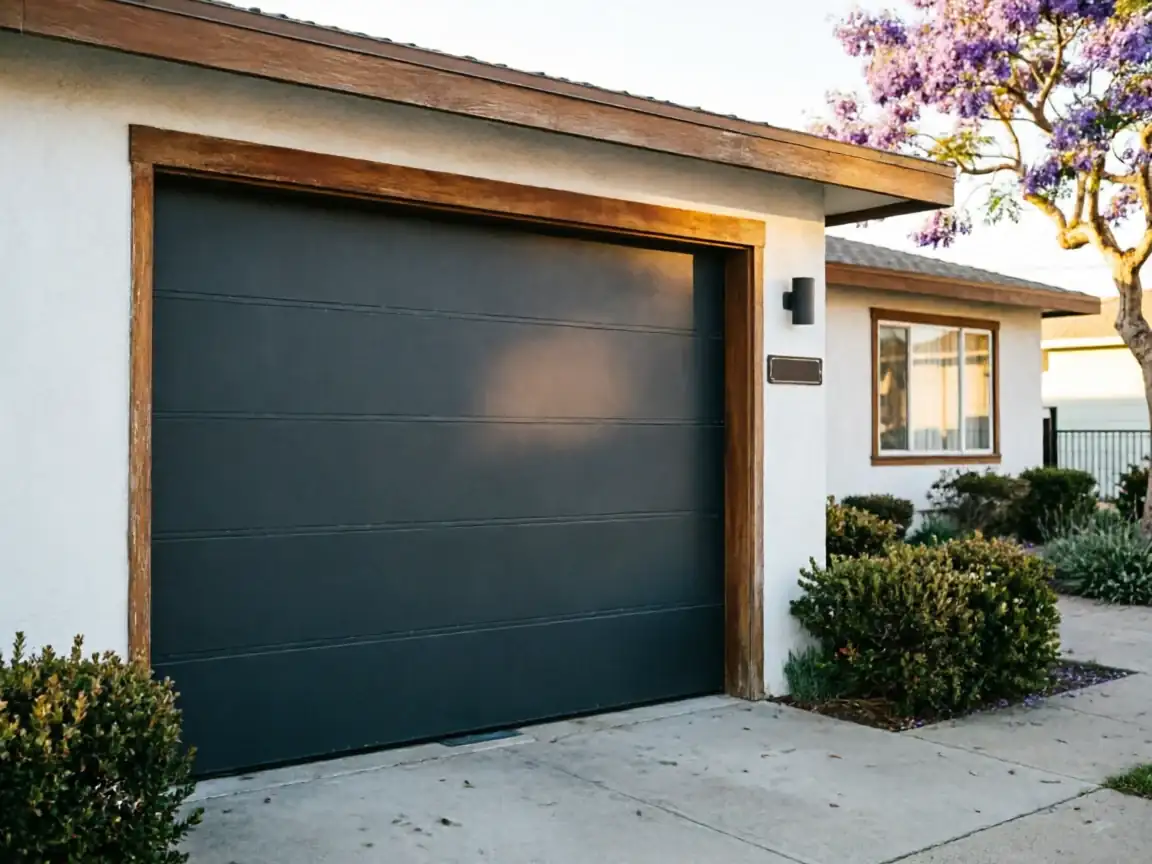
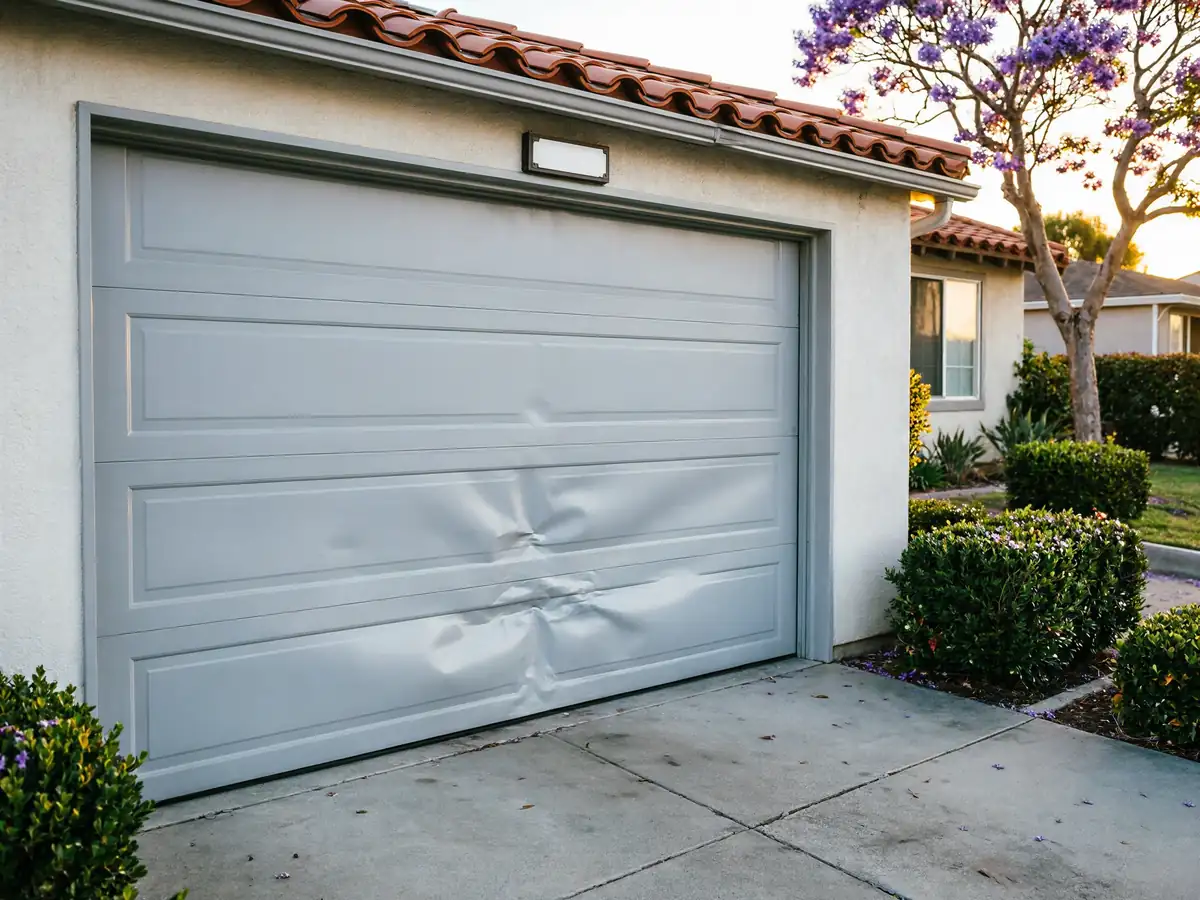
A dented or cracked panel on a sectional door looks like a job you could do yourself, and on some doors it is - if you can find the exact panel. The trouble with Oakdale's 1980s stock is that a lot of those builder-grade doors were installed once, by the subdivision's contractor, in a run that doesn't match what's sold today. Order the wrong width or the wrong hinge spacing and the new panel won't seat against the ones next to it, and now you've got a door that binds on the track or won't latch flush at the bottom.
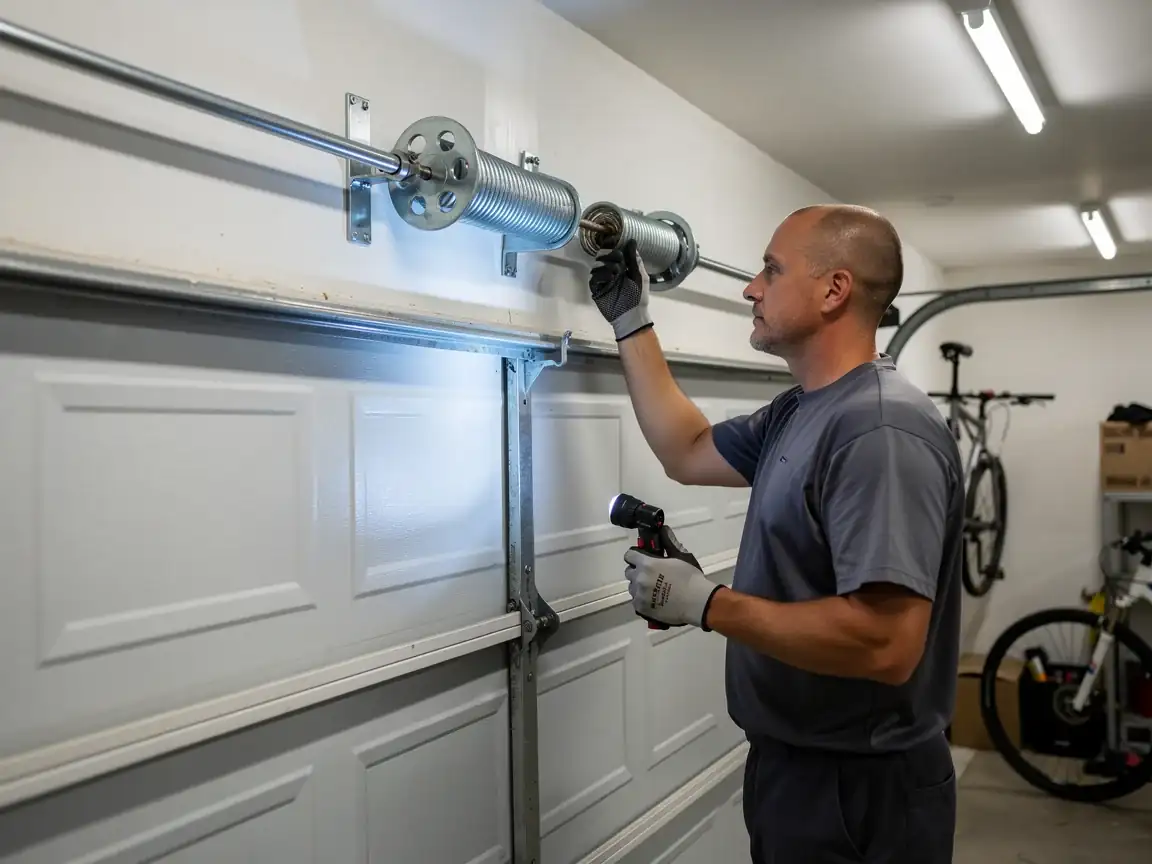
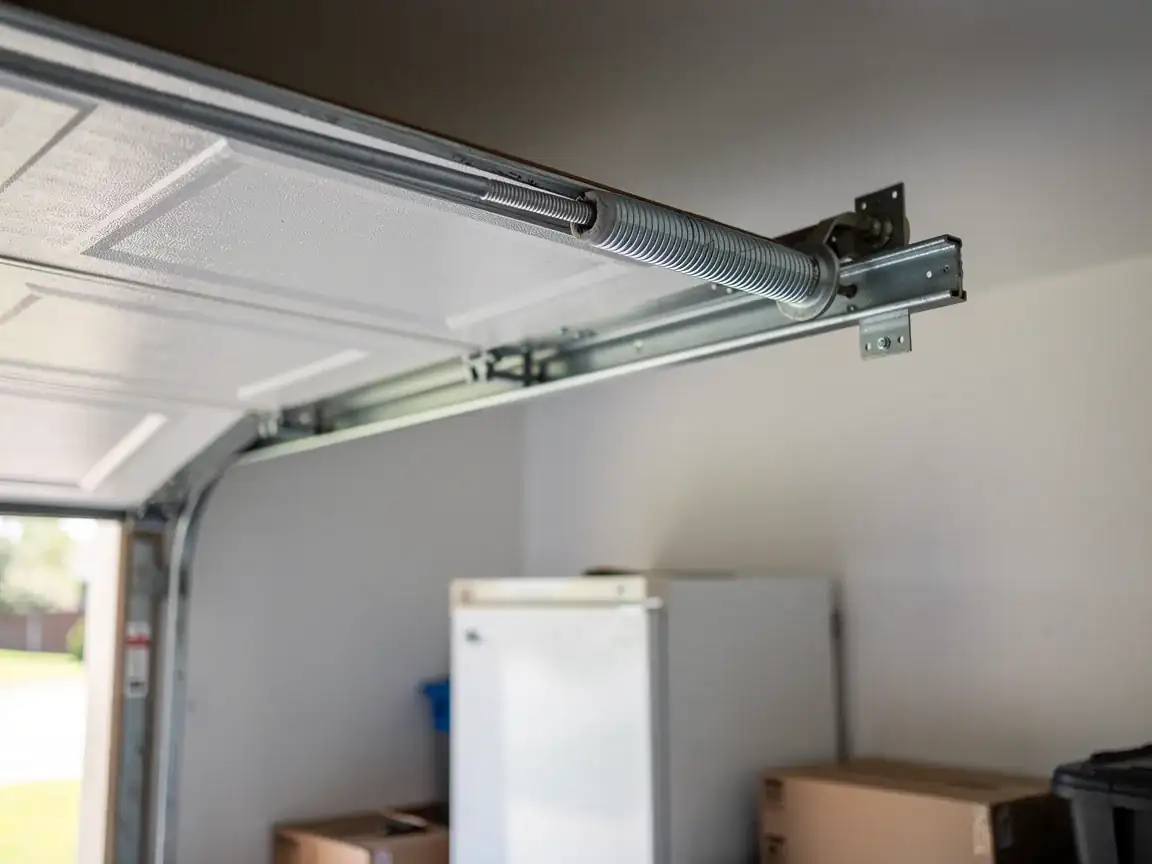
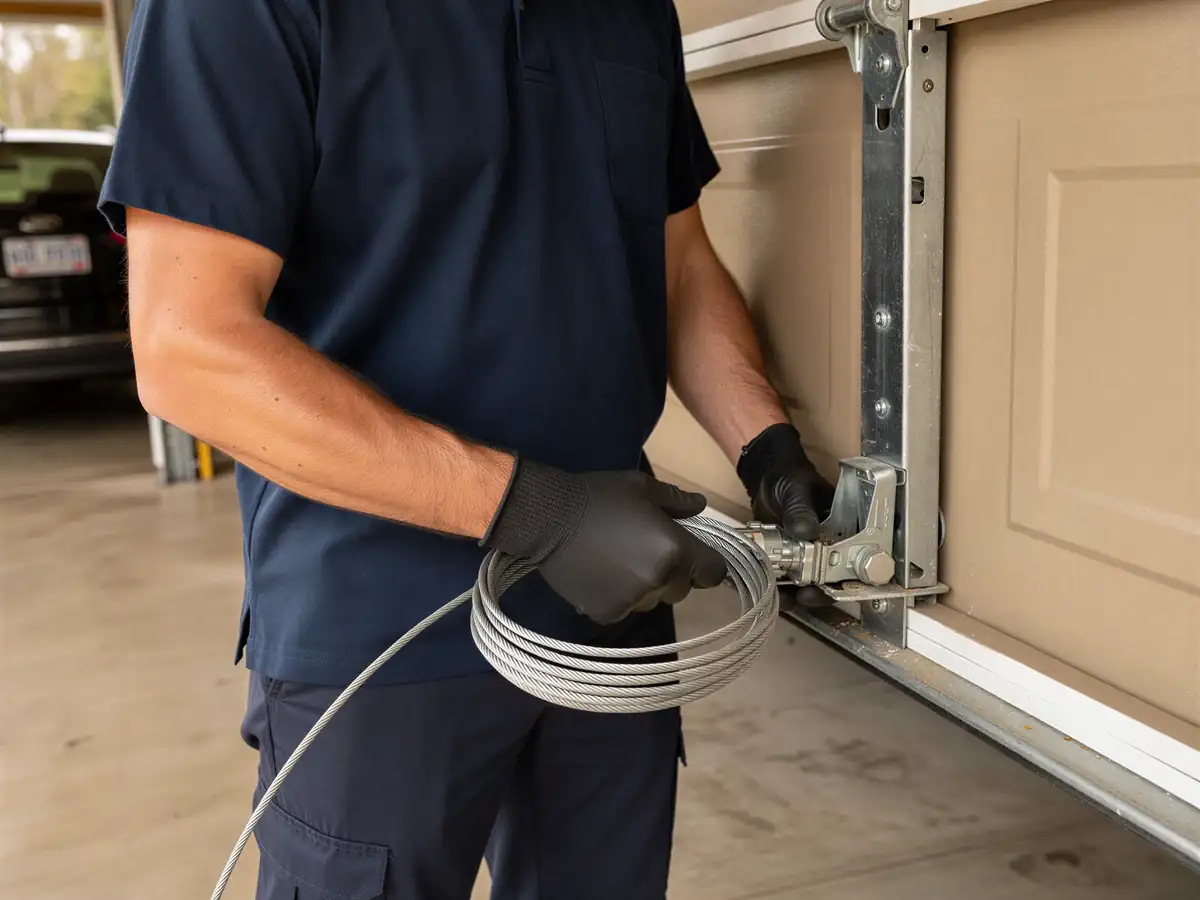
The other risk is the spring. These doors run on extension springs mounted over the horizontal track, and loosening the wrong bolt while you're wrestling a panel into place can let that spring unload fast. If the dent is cosmetic and up high, away from the hinges and the bottom bracket, a careful homeowner can often get away with a DIY swap. If the damage is near a hinge, near the bottom roller, or the door won't sit level anymore, that's not a weekend fix - that's a call.
What the Fix Involves
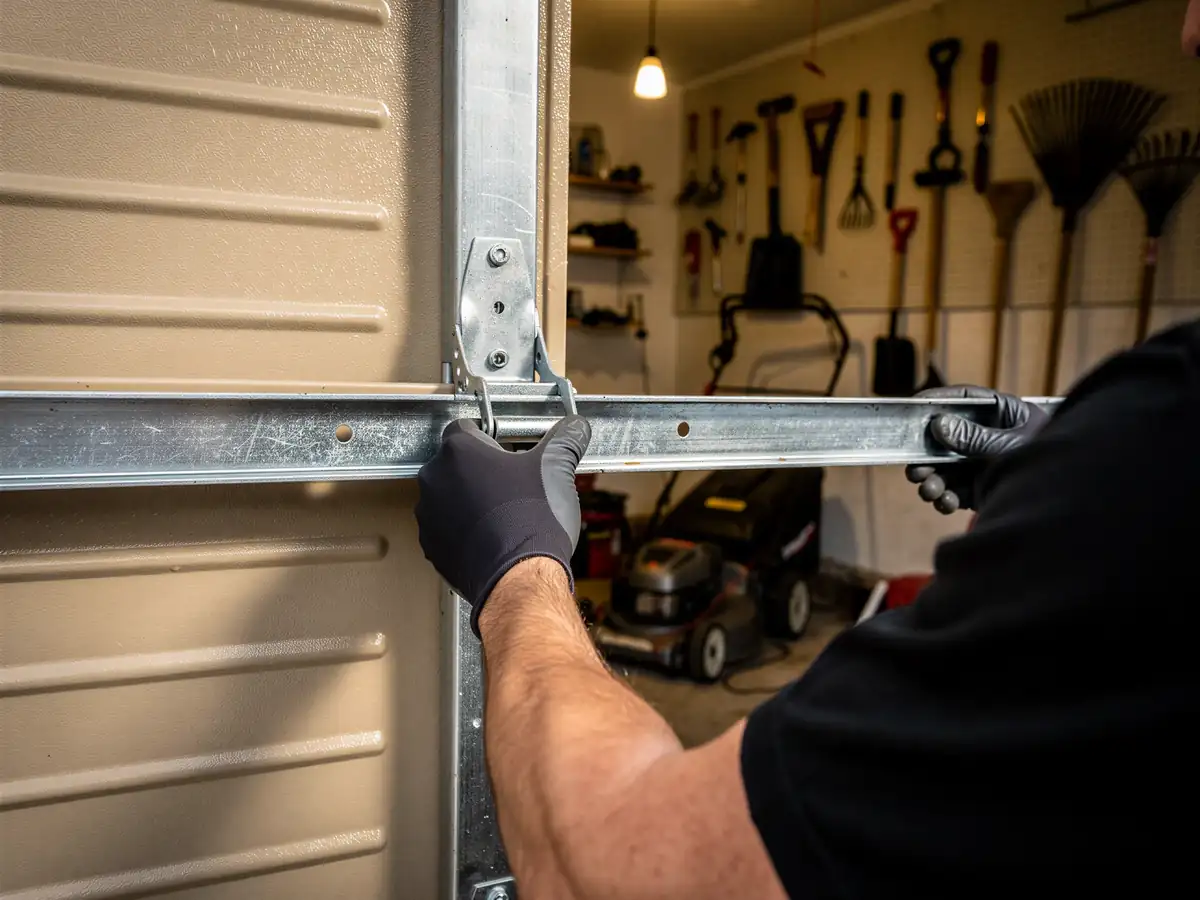
Replacing a panel on an 8,230-household area where most construction clusters in the 1980s and 90s means working with doors that were never designed to be upgraded piecemeal. The process starts with pulling the exact section size, gauge, and color off the existing door - not off a catalog - because builder runs from that era often don't line up with what's currently stocked. Once the panel's confirmed, the job is removing the damaged section's hinges and rollers, swapping in the new panel, and reattaching hardware without forcing anything that's slightly out of true after 35-plus years of use.
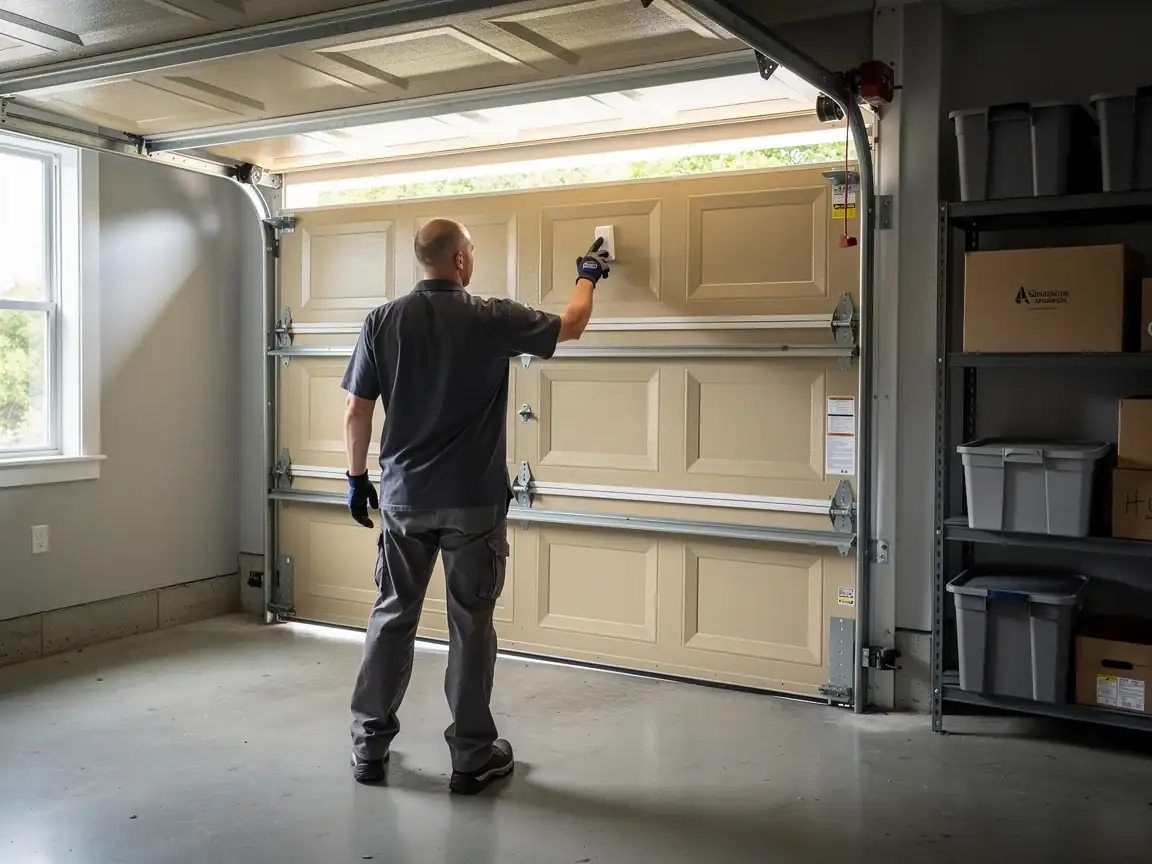
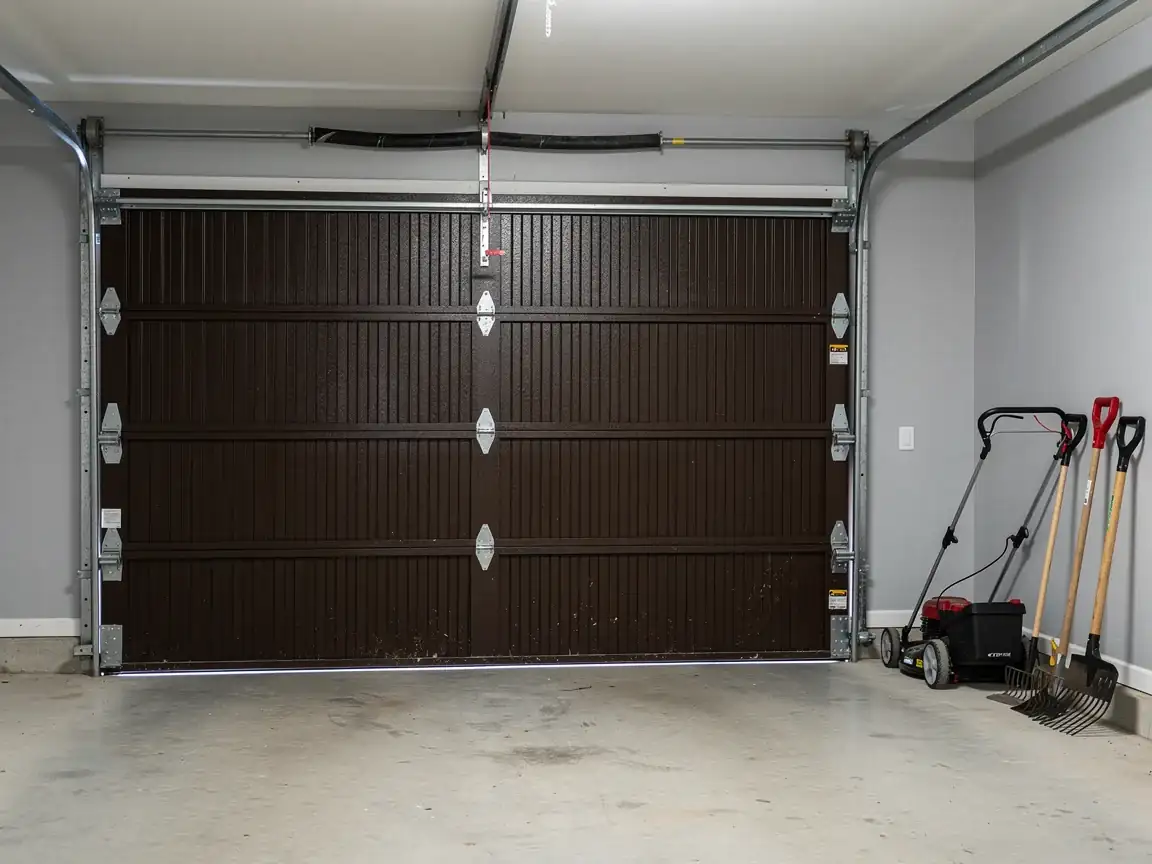
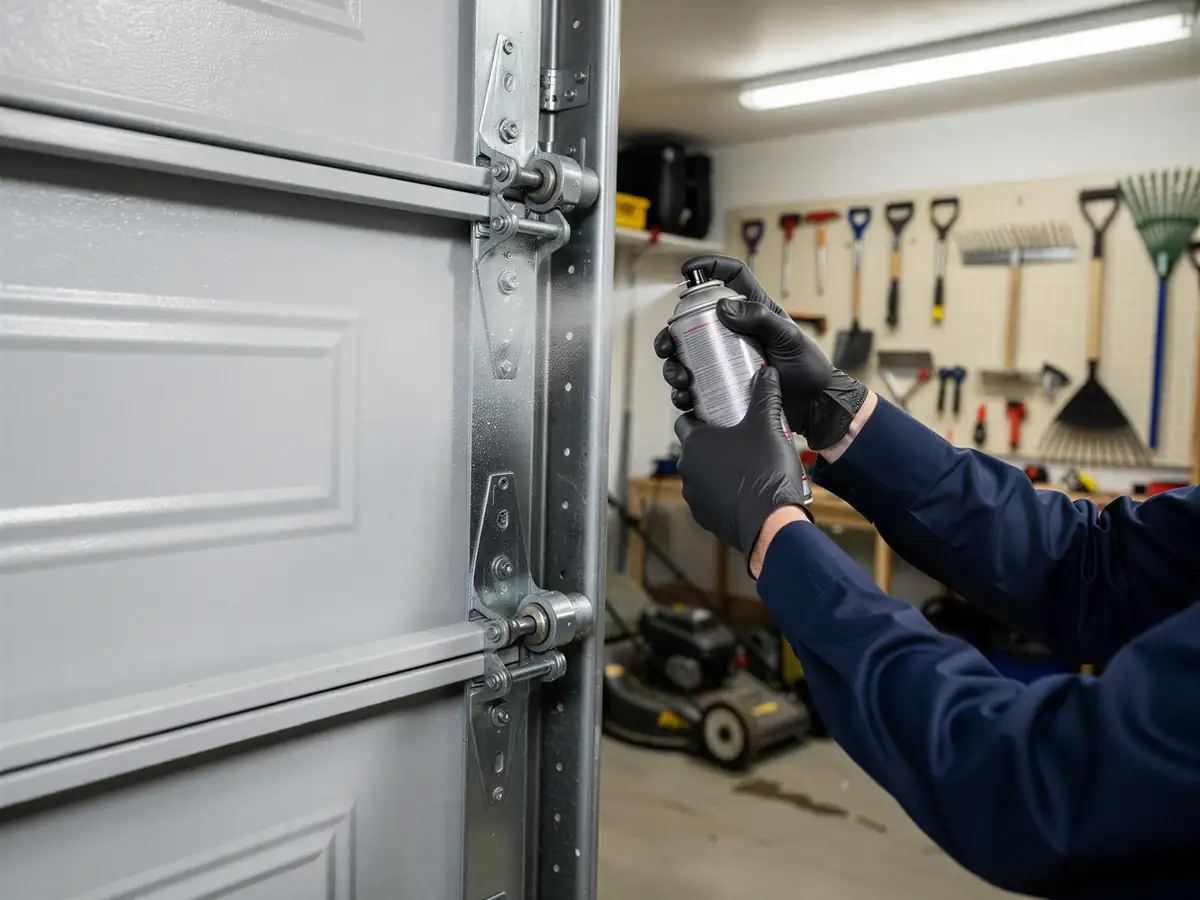
After the panel's in, the door gets rebalanced. A new section weighs differently than a sun-faded, decades-old one, and on extension-spring doors that difference shows up fast as uneven travel or a door that slams the last foot of its close. We check spring tension, track alignment, and that the bottom panel still seals against the floor before calling the job done. One honest limit here: if the door has more than one or two panels showing wear from the same era, a full replacement often costs less over time than chasing down discontinued sections one at a time.
Why It Happens Here
With most of Oakdale's housing built around the same window, 1987 median, you get a lot of doors hitting the same failure points at the same time
Steel panels from that era weren't insulated the way current doors are, and summers here run on the severe end of the heat band - panels that sit facing west or south for a few decades of triple-digit afternoons start to bow, and the paint and seam seals go brittle well before anything mechanical fails.
At a median household income of $86,478, most owners we talk to in this area choose to replace the damaged section rather than live with a mismatched panel on an otherwise sound door, which is the right call on a door that's only got one or two sections showing age
The other common cause is simple impact - a trailer, a bike, a mower clipping the bottom panel - which shows up constantly on doors where the bottom section takes most of the daily traffic. Either way, the fix follows the same path: match the panel, swap it, rebalance the door.
- $86,478 median household income