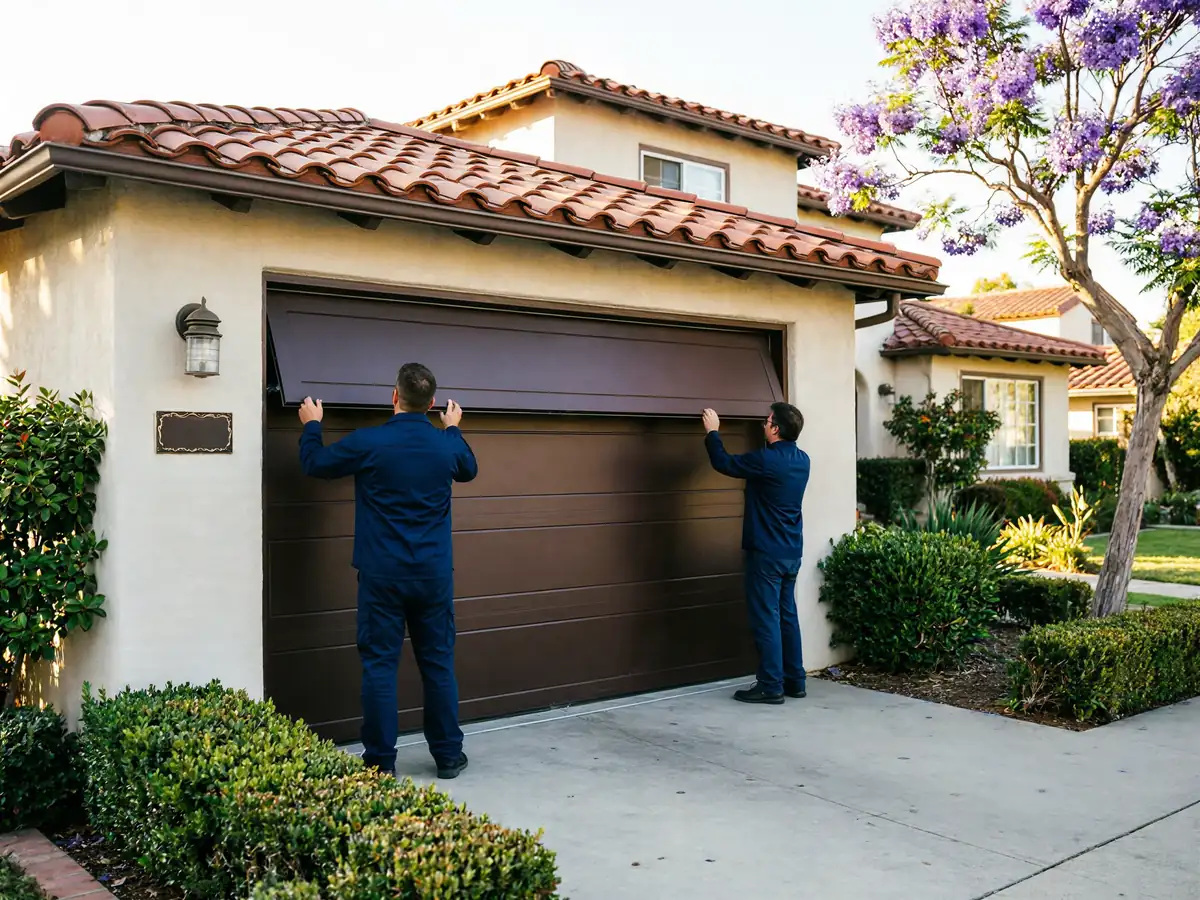
The DIY Question
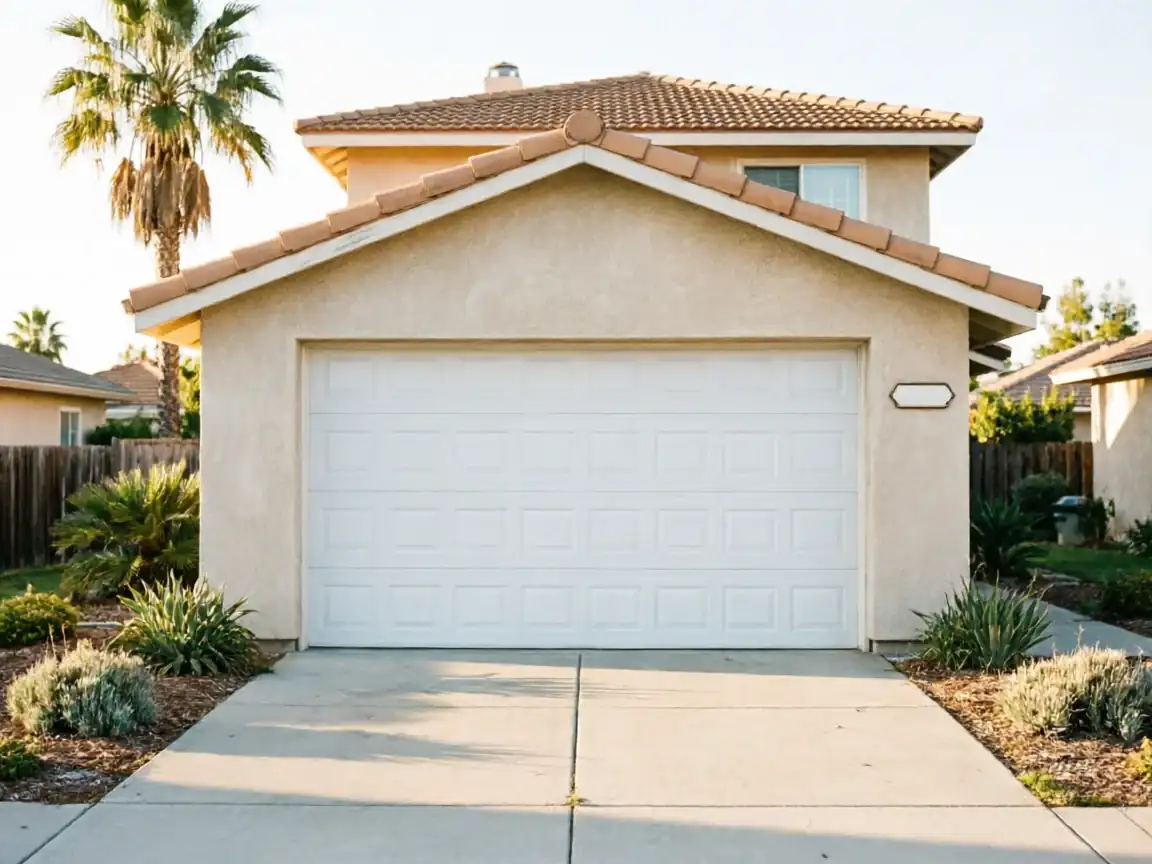
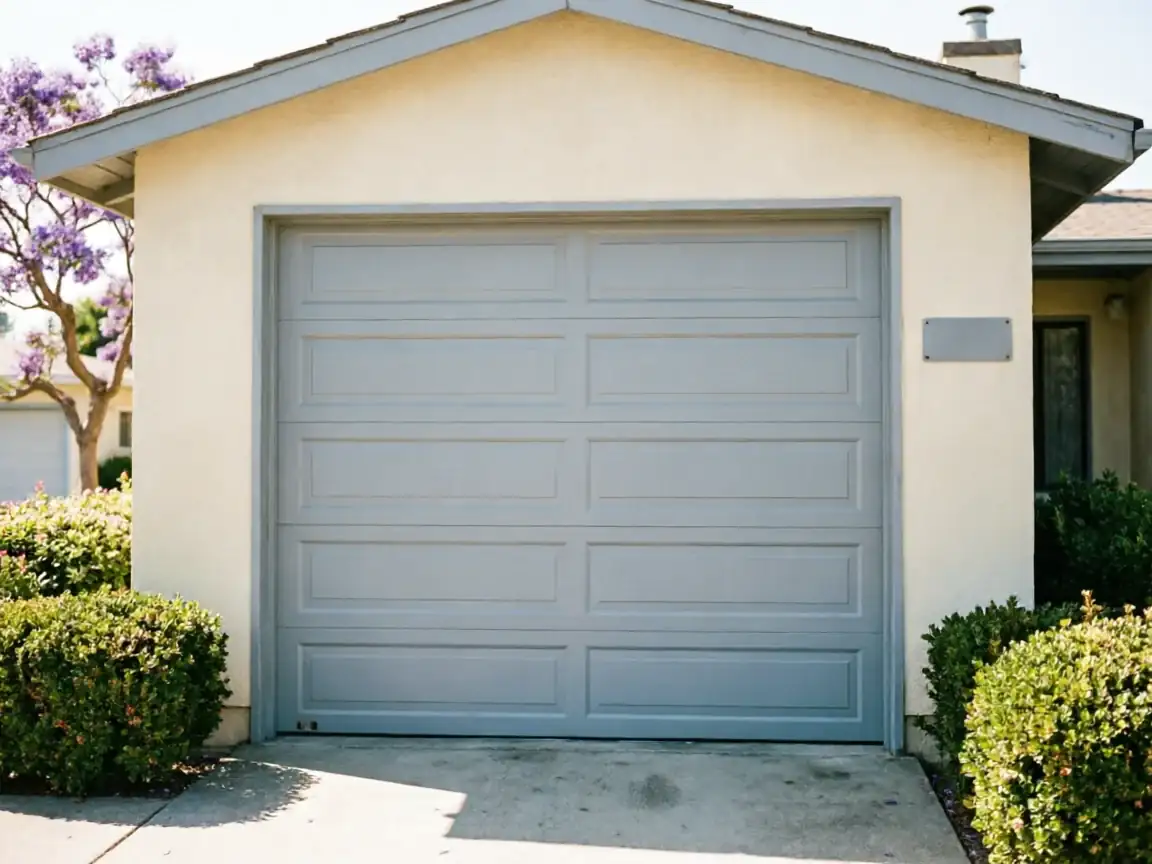
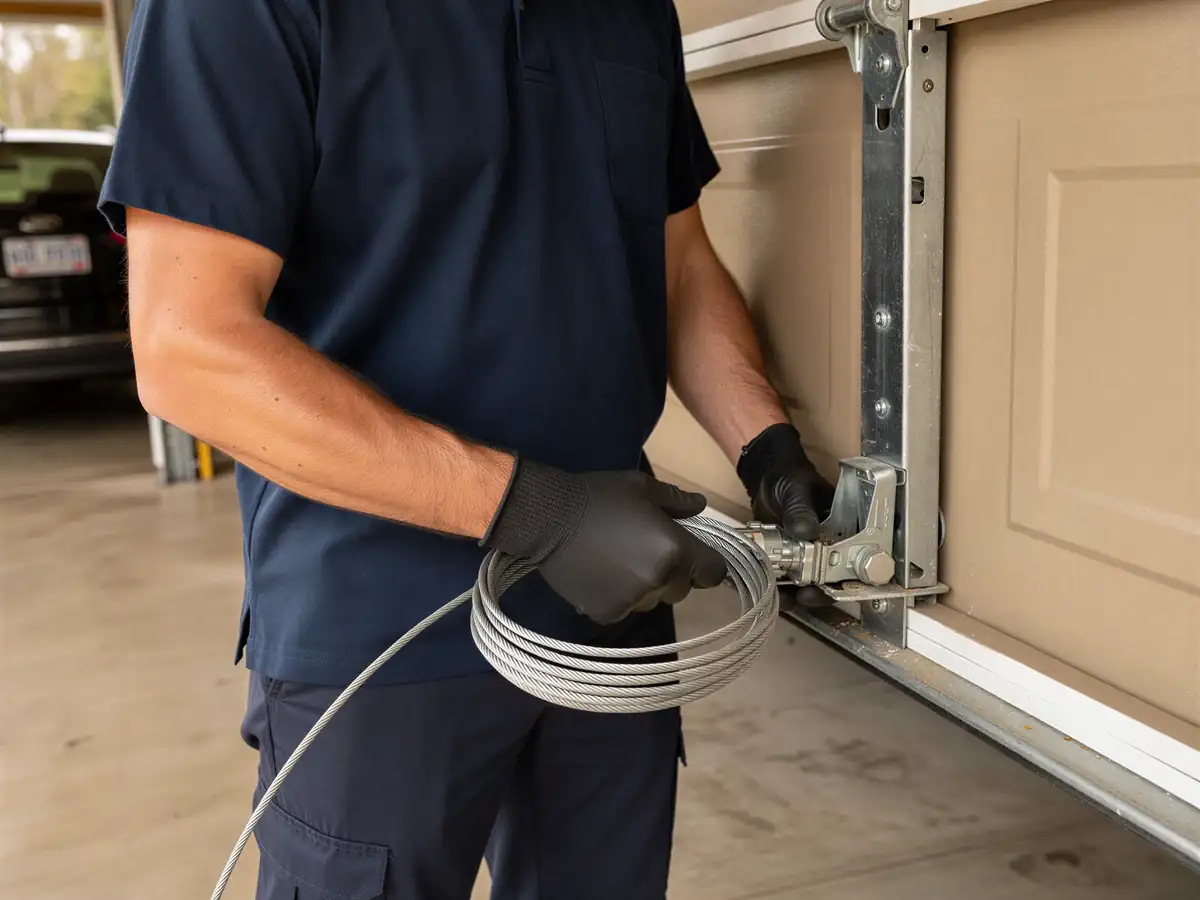
At Oakdale's median household income of $86,478, the math on a new door isn't abstract - it's the line between fixing what's there and replacing it outright. A torsion spring job or a track realignment on a door from the 1980s or 90s building wave still pencils out as a repair in most cases. A full install is a different animal: it's a two-person lift under spring tension, a cable system that will take fingers off if it slips, and an opener bracket that has to be square to the header or the door binds within a month. We'll say plainly what we won't do - we don't talk anyone through this over the phone or sell a door without doing the install, because the failure mode on a DIY torsion setup is a hospital trip, not a redo.
What the Fix Involves
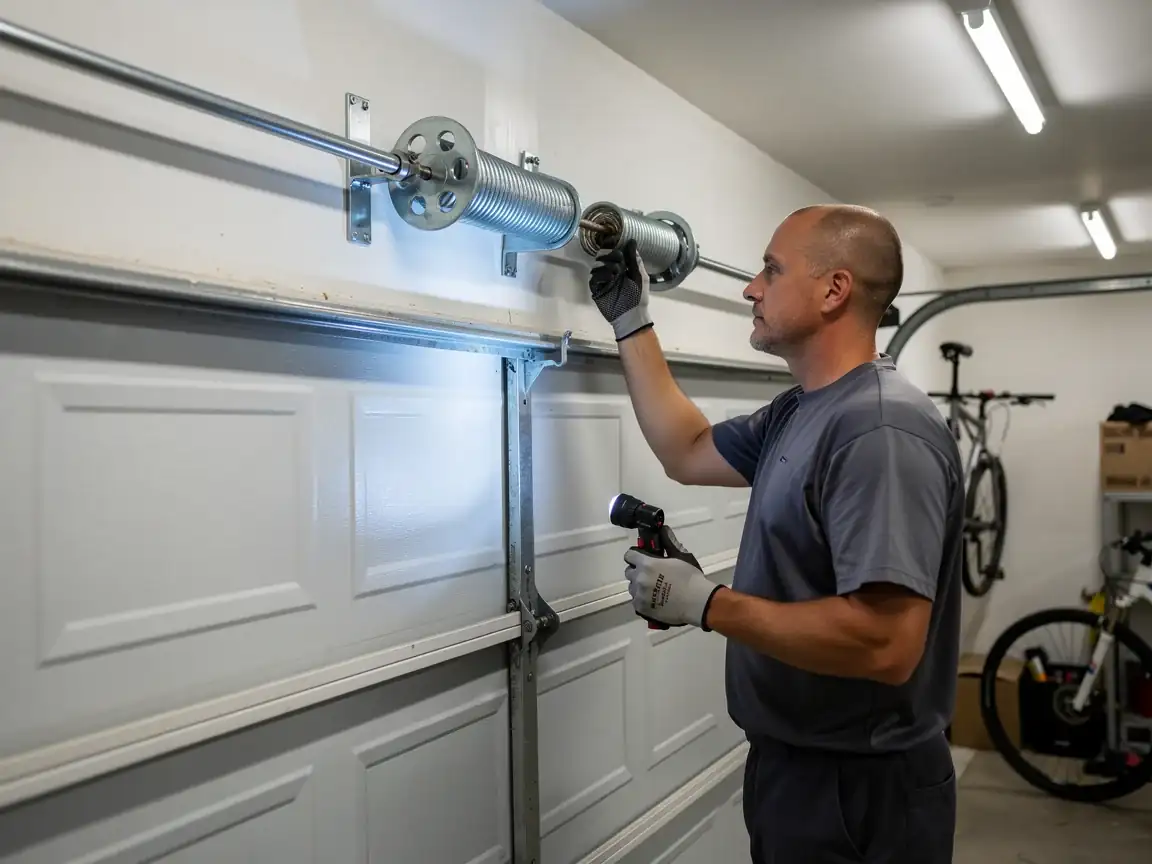
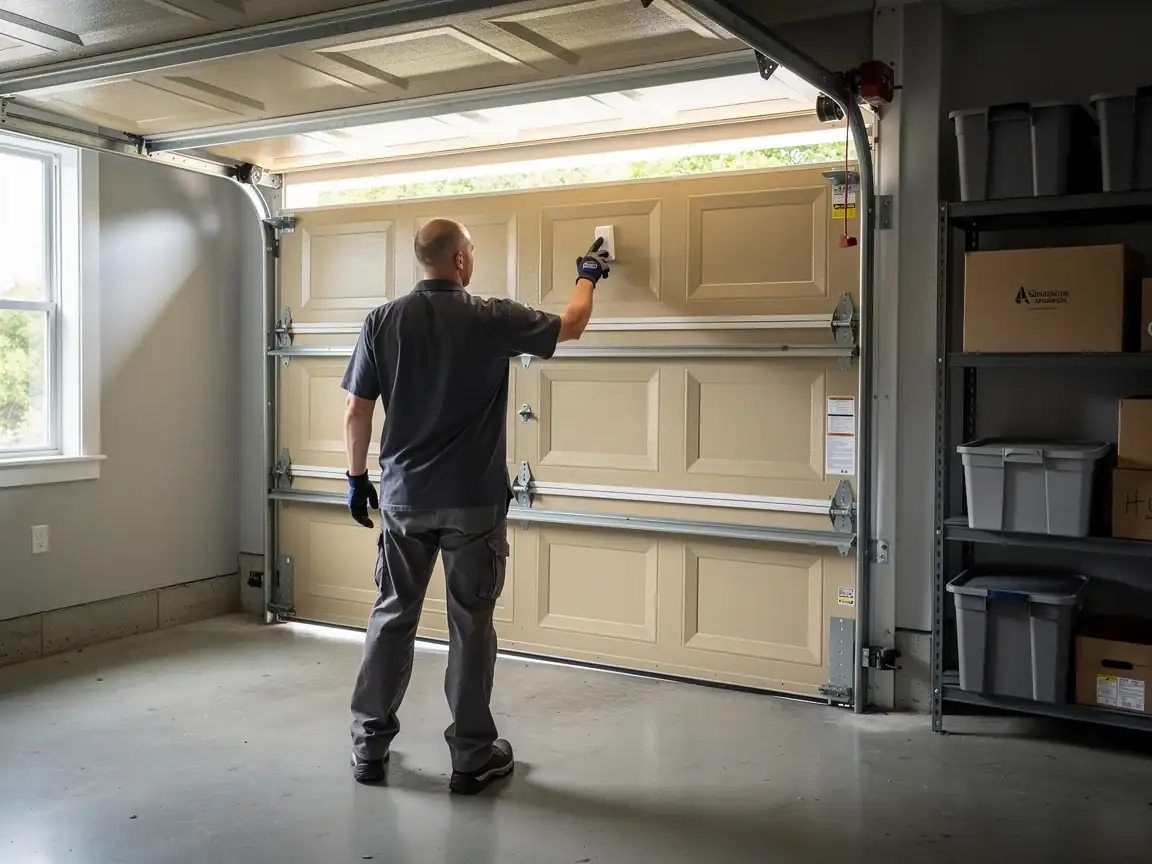
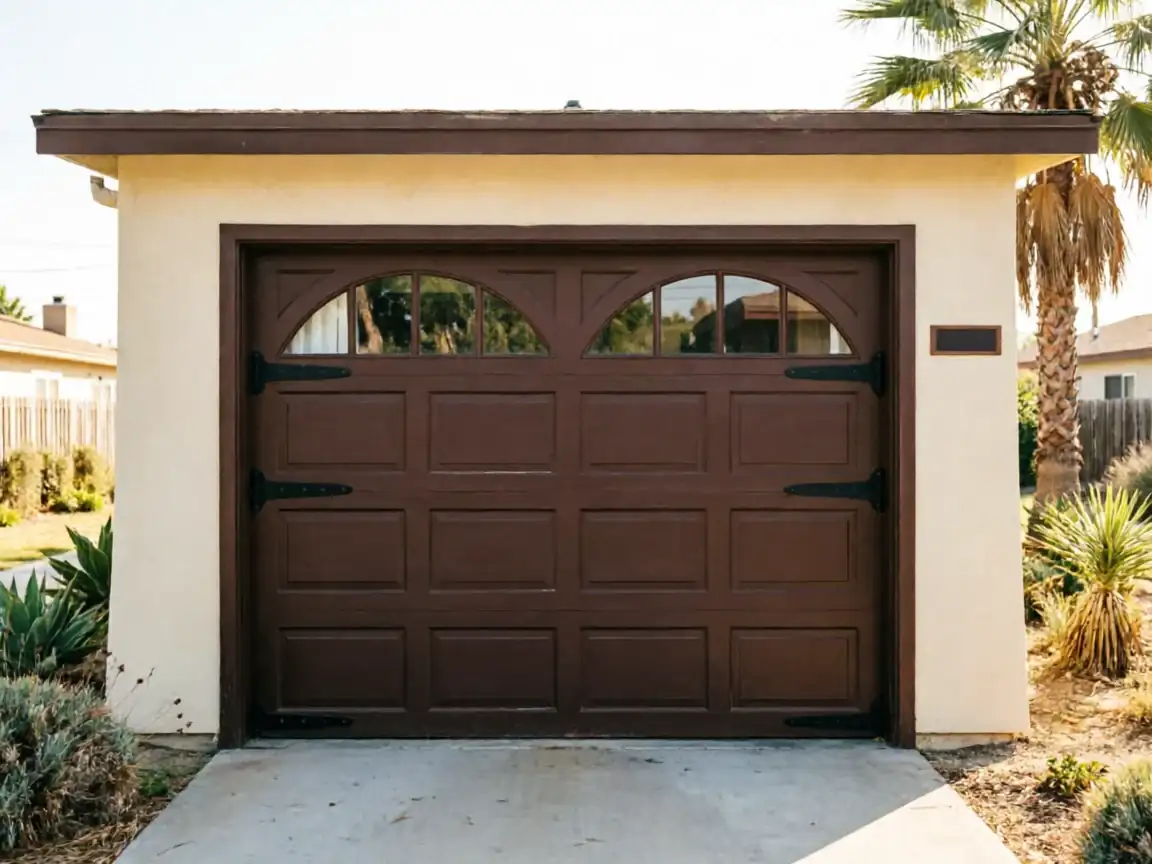
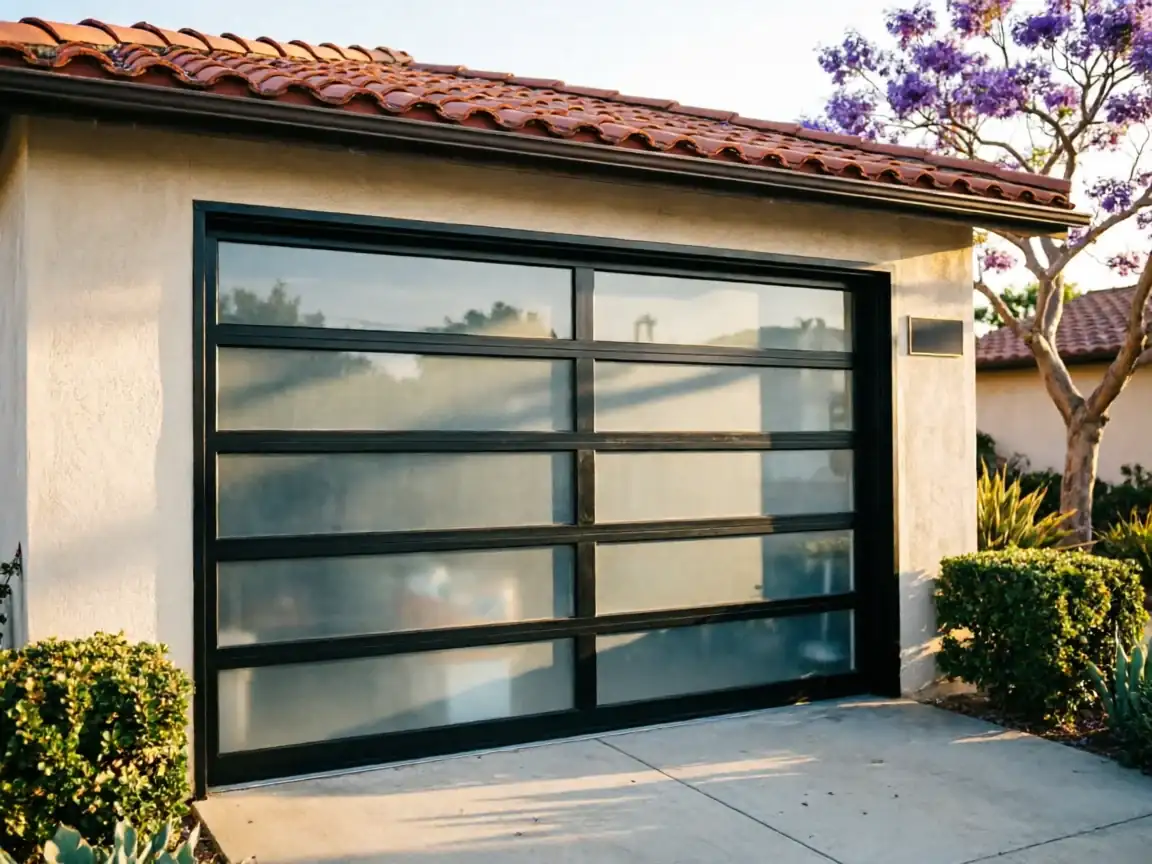
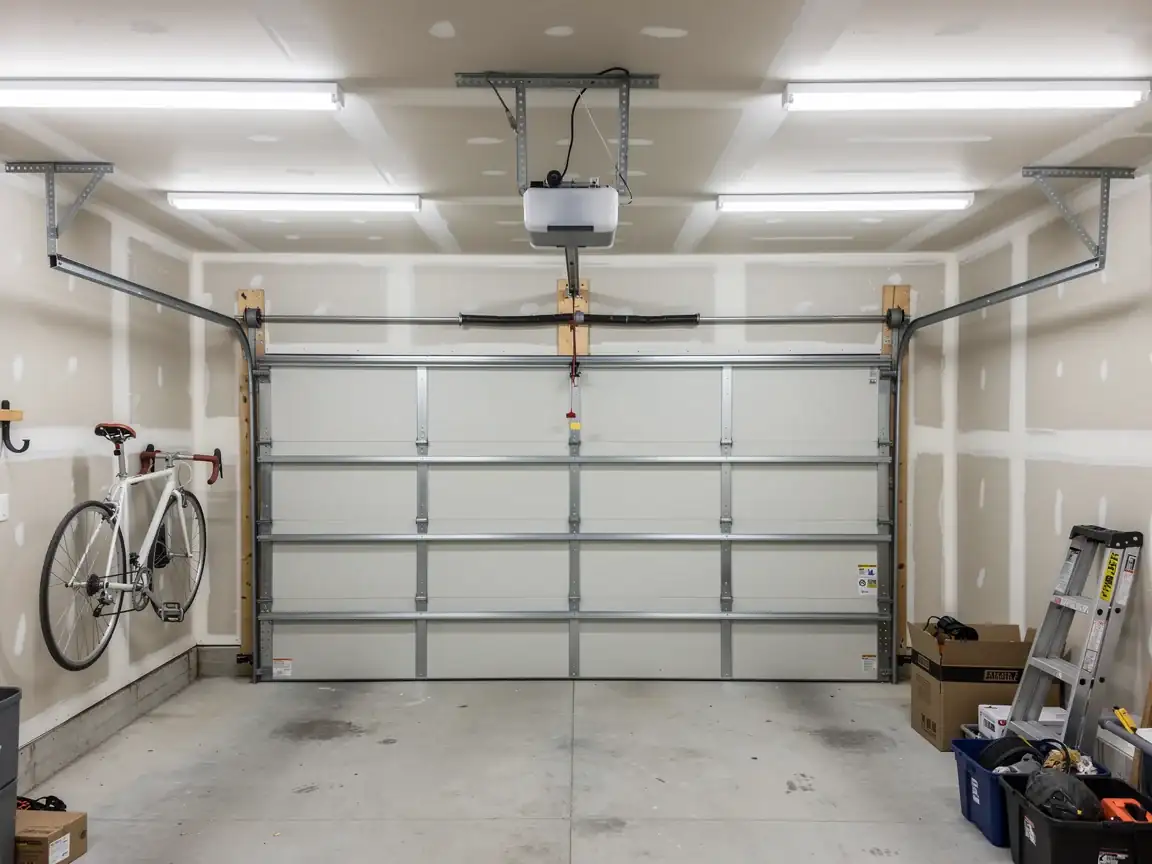
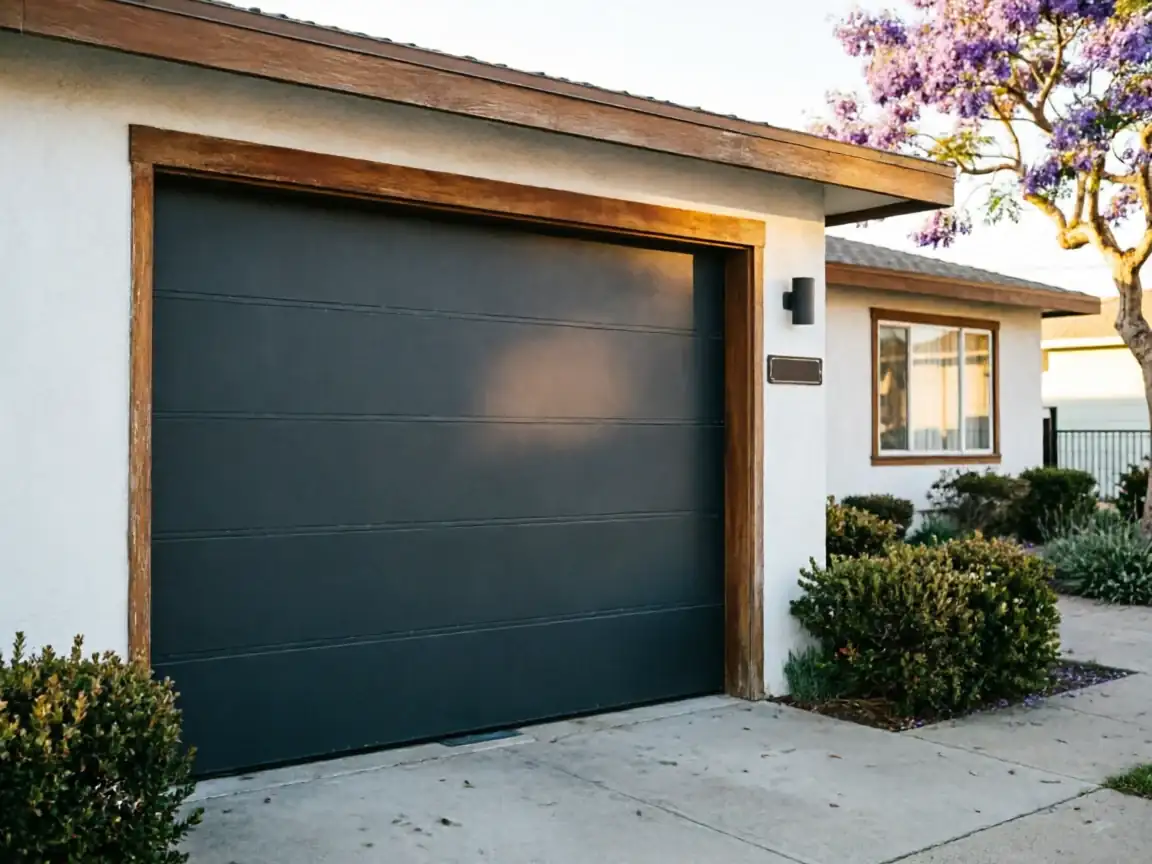
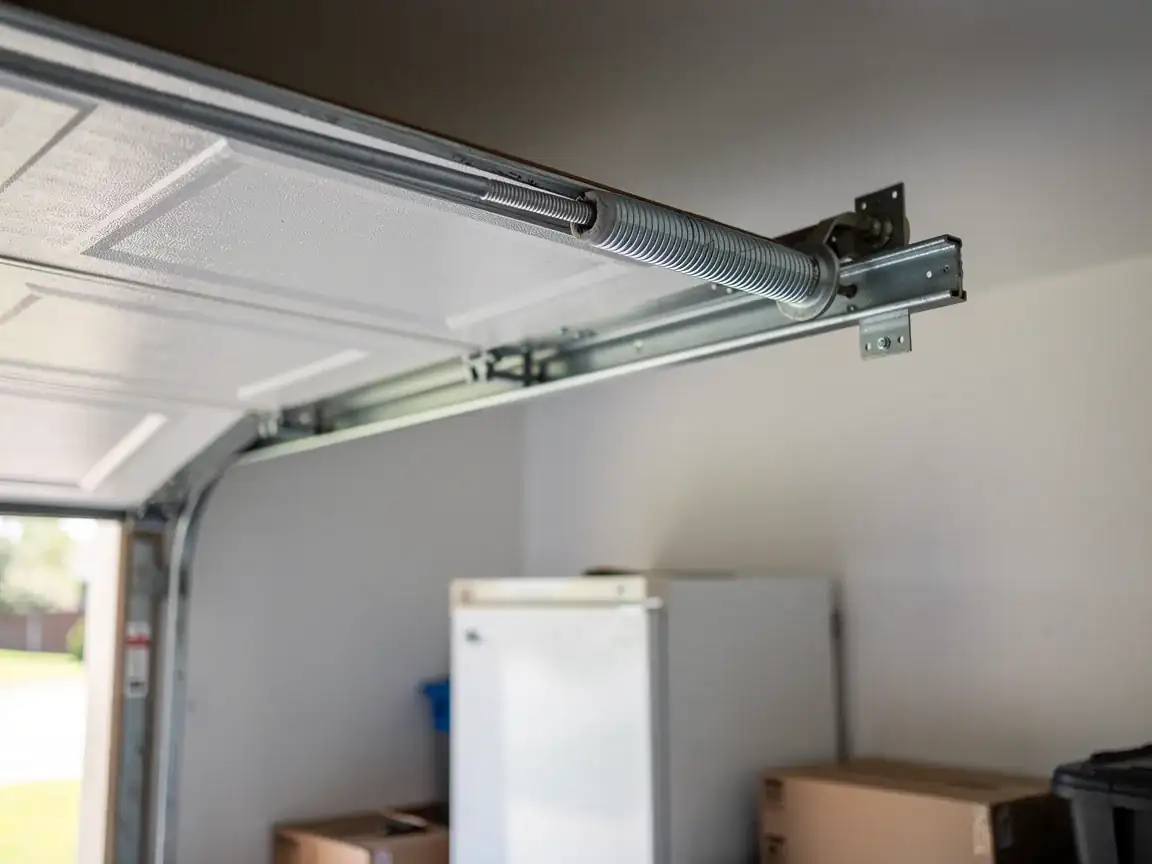
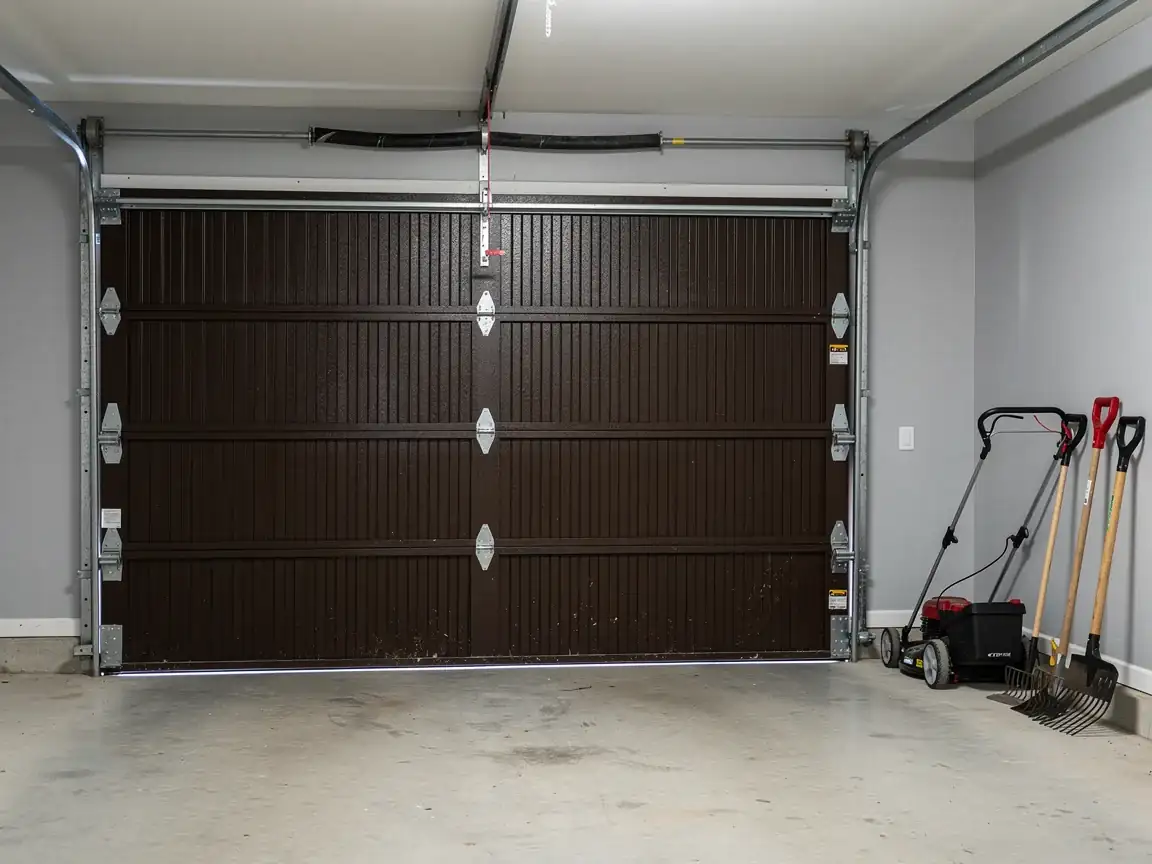
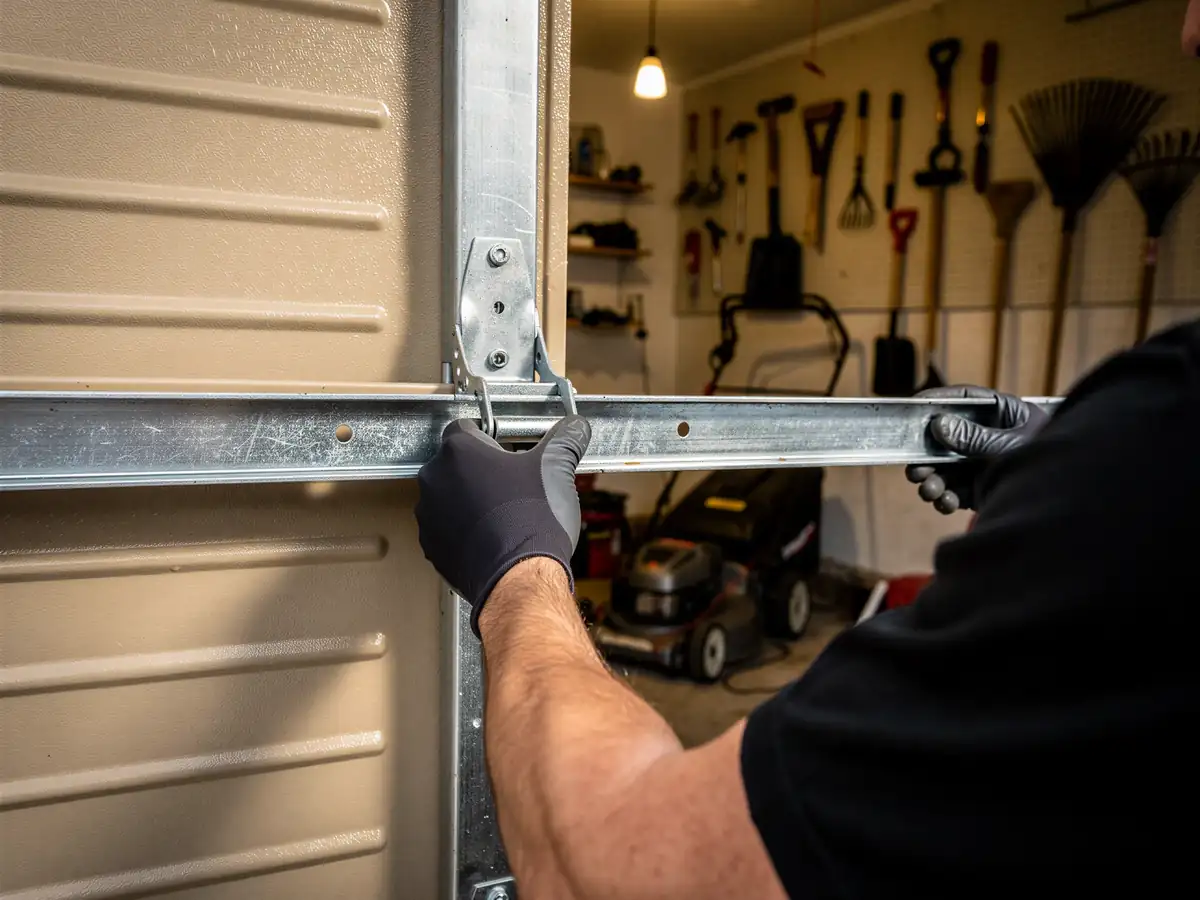
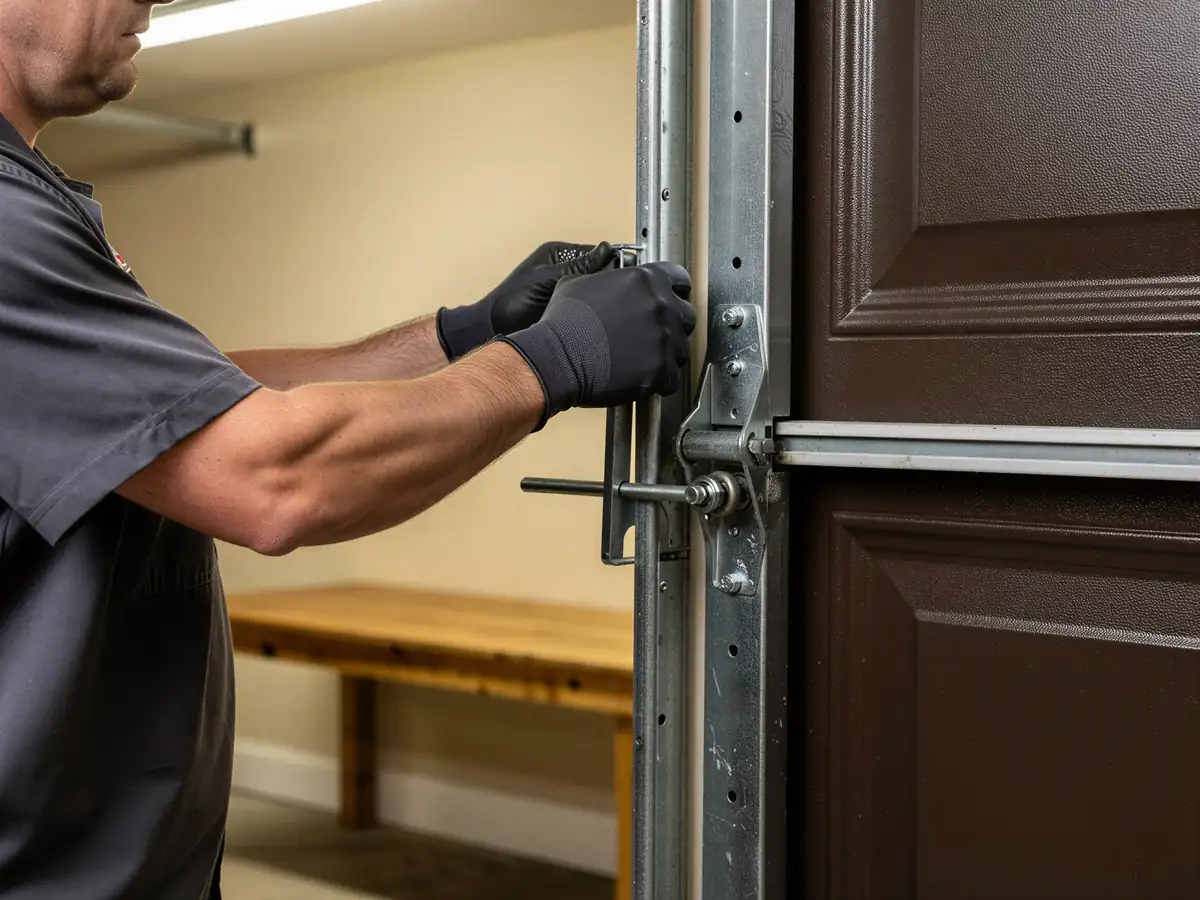
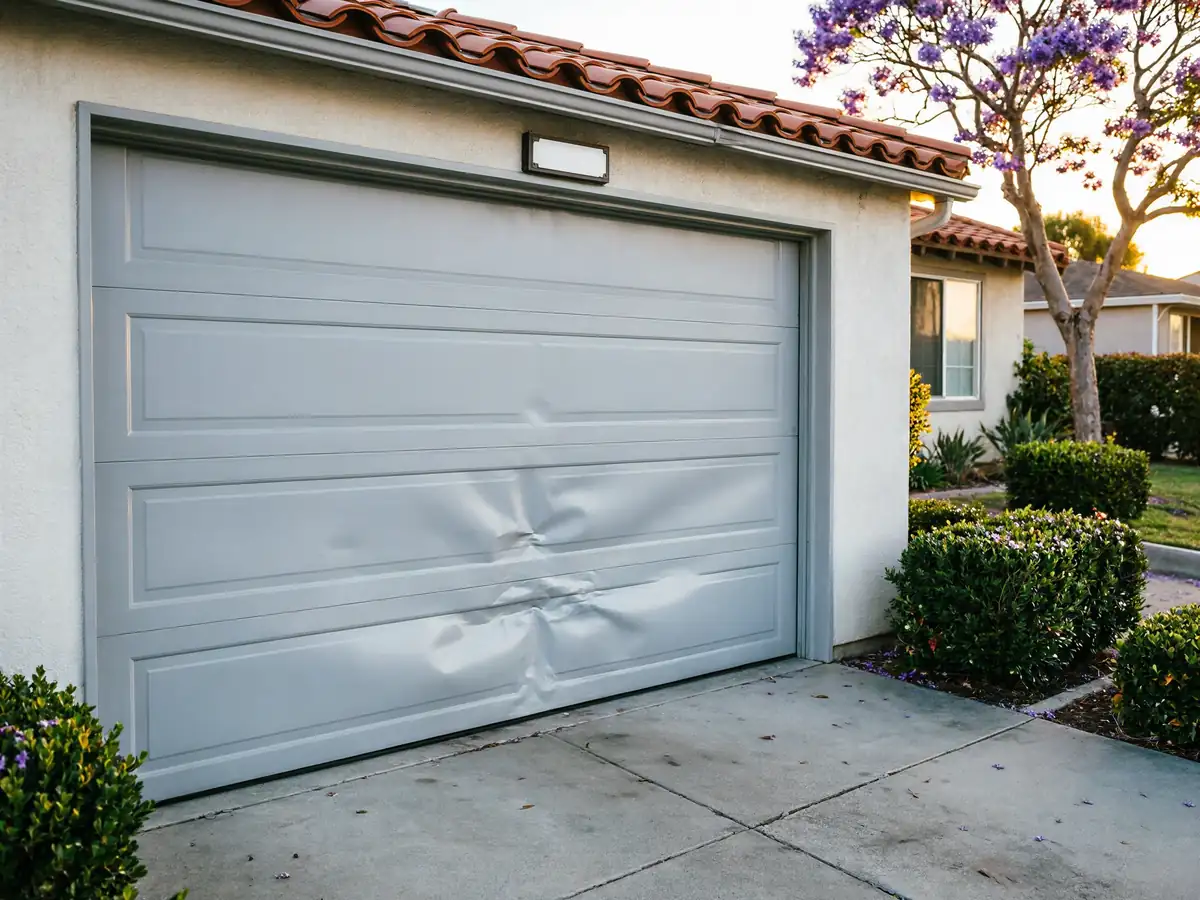
On a house from Oakdale's 1980s-90s stock, the old door usually comes off a worn torsion shaft with the winding cones rusted or undersized for a heavier insulated panel. The job starts with pulling the old door and track, checking the jamb for square, then setting new vertical track and a header bracket rated for the new door's weight - insulated steel panels run heavier than the single-layer doors this era shipped with originally. We re-spring to match, since a 35-year-old spring calculation doesn't carry a new door safely. Opener mounting and travel limits get set last, after the door itself is hung and balanced by hand. One limitation worth naming: if the existing framing is out of square by more than a small amount, that's a separate carpentry charge, not something folded quietly into the install price.