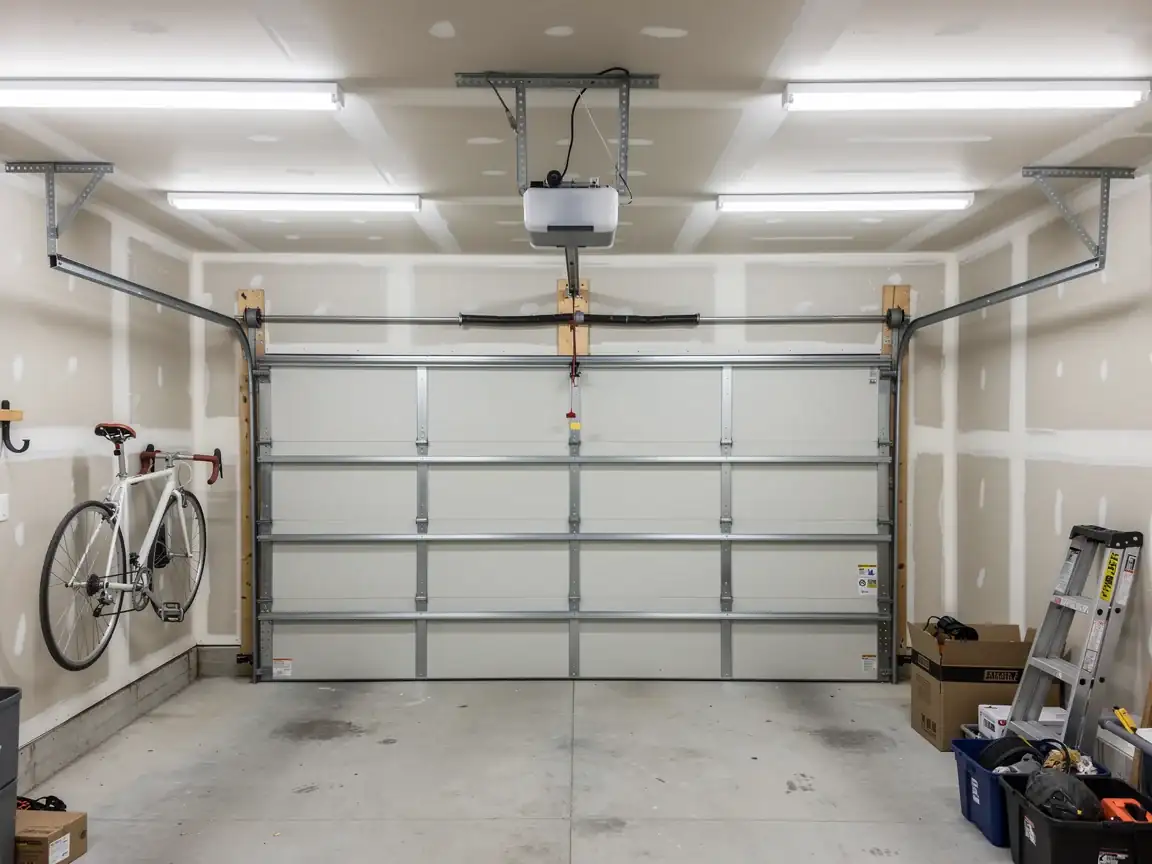
The DIY Question
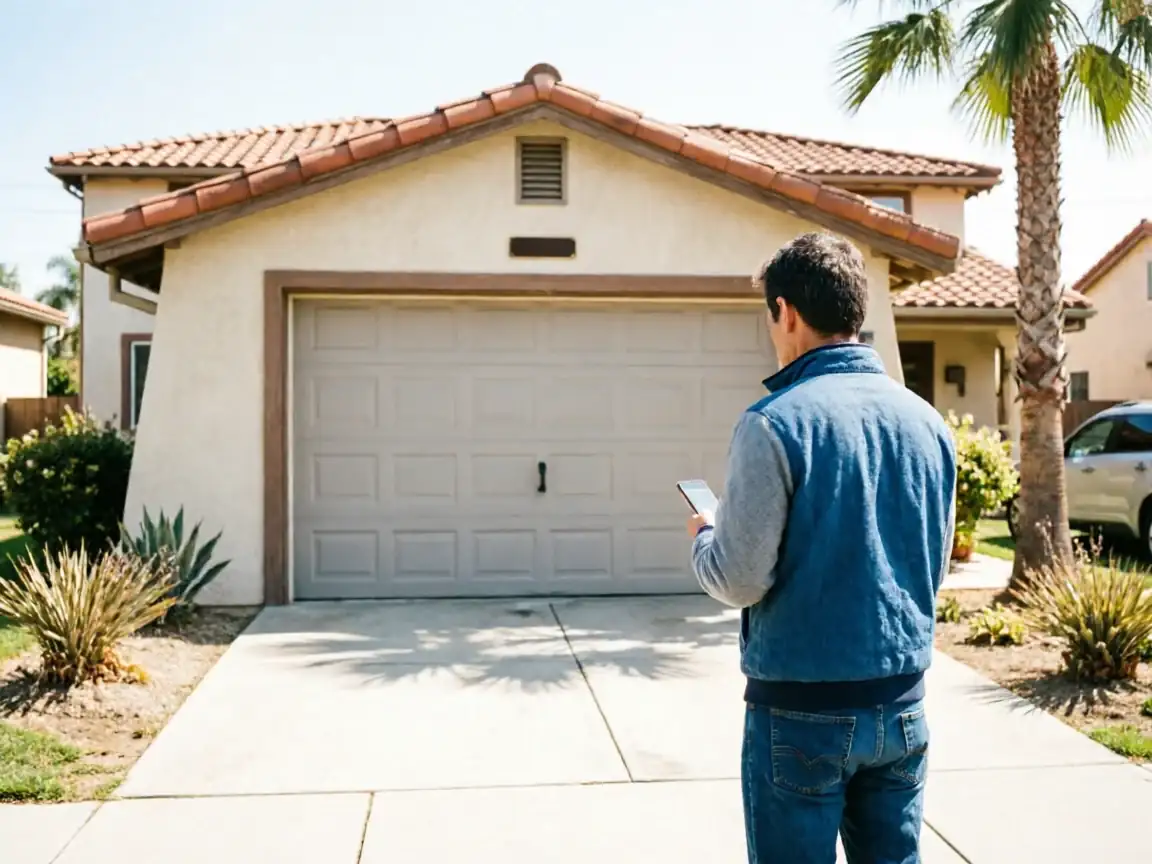
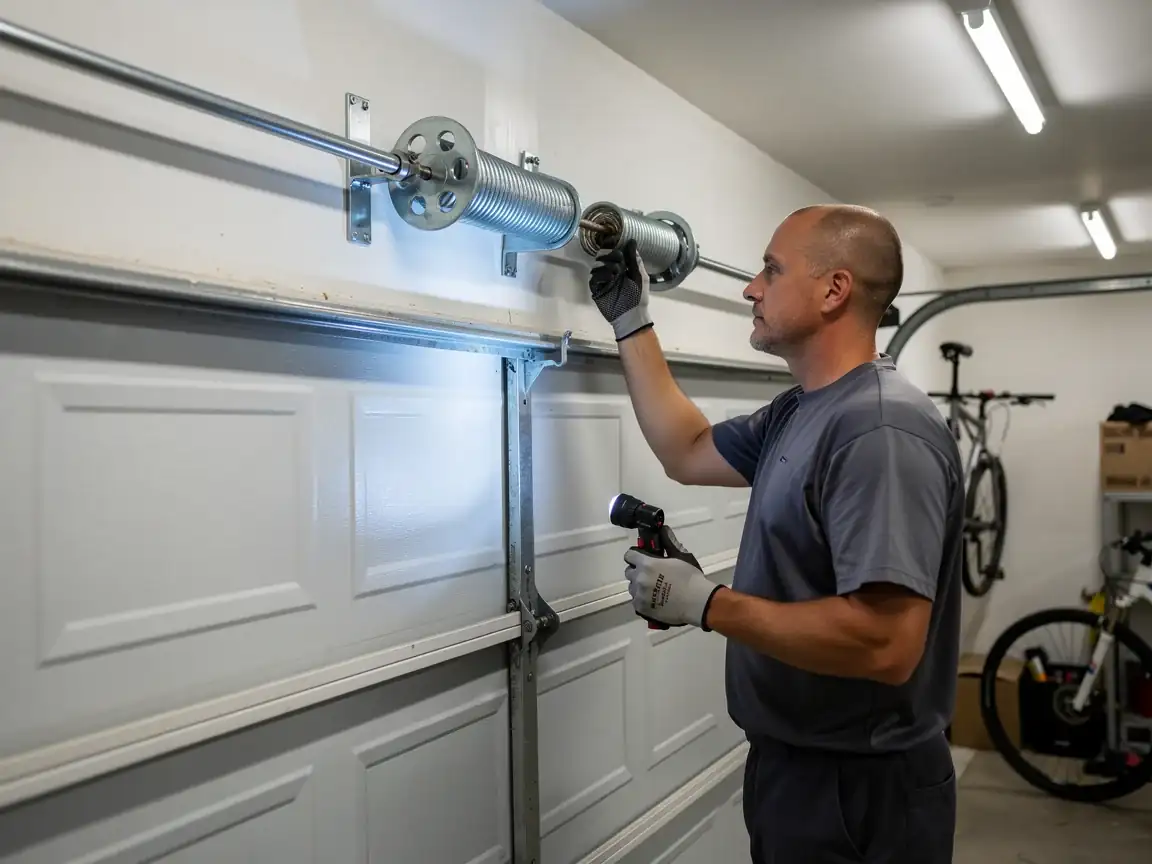
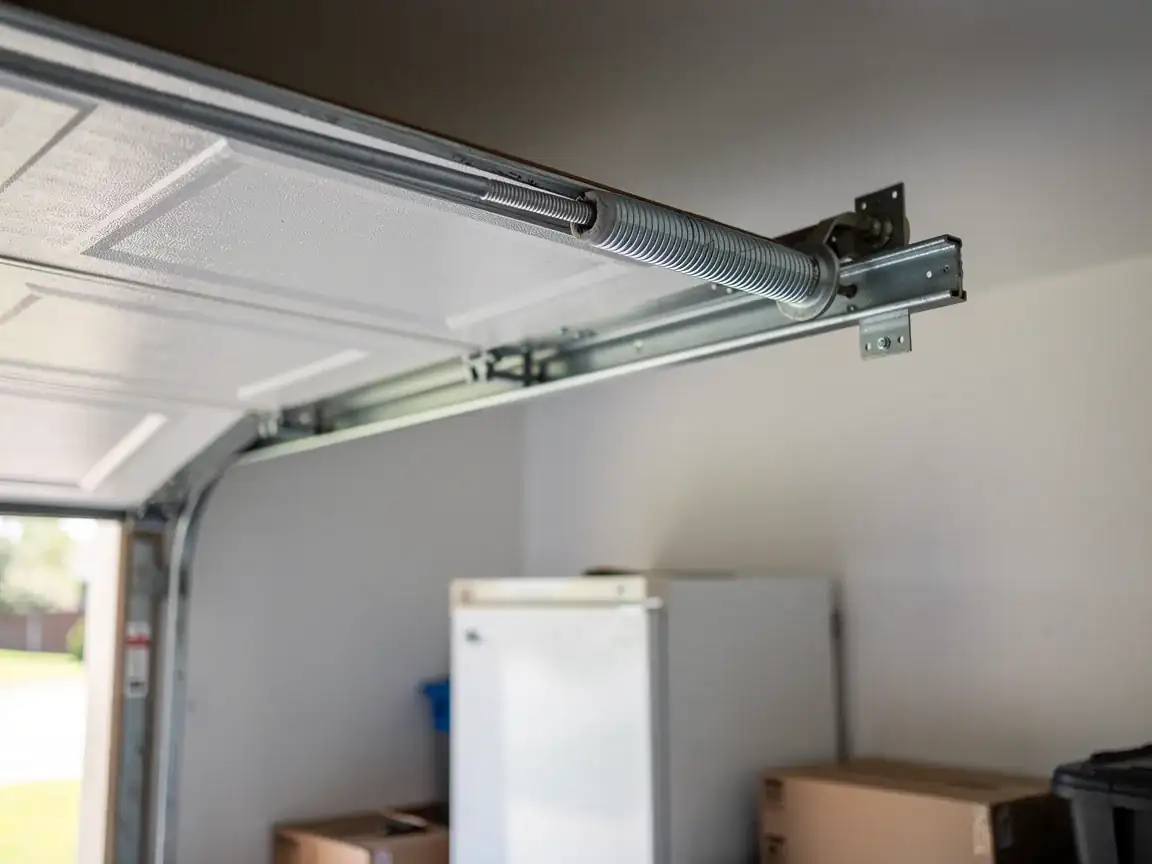
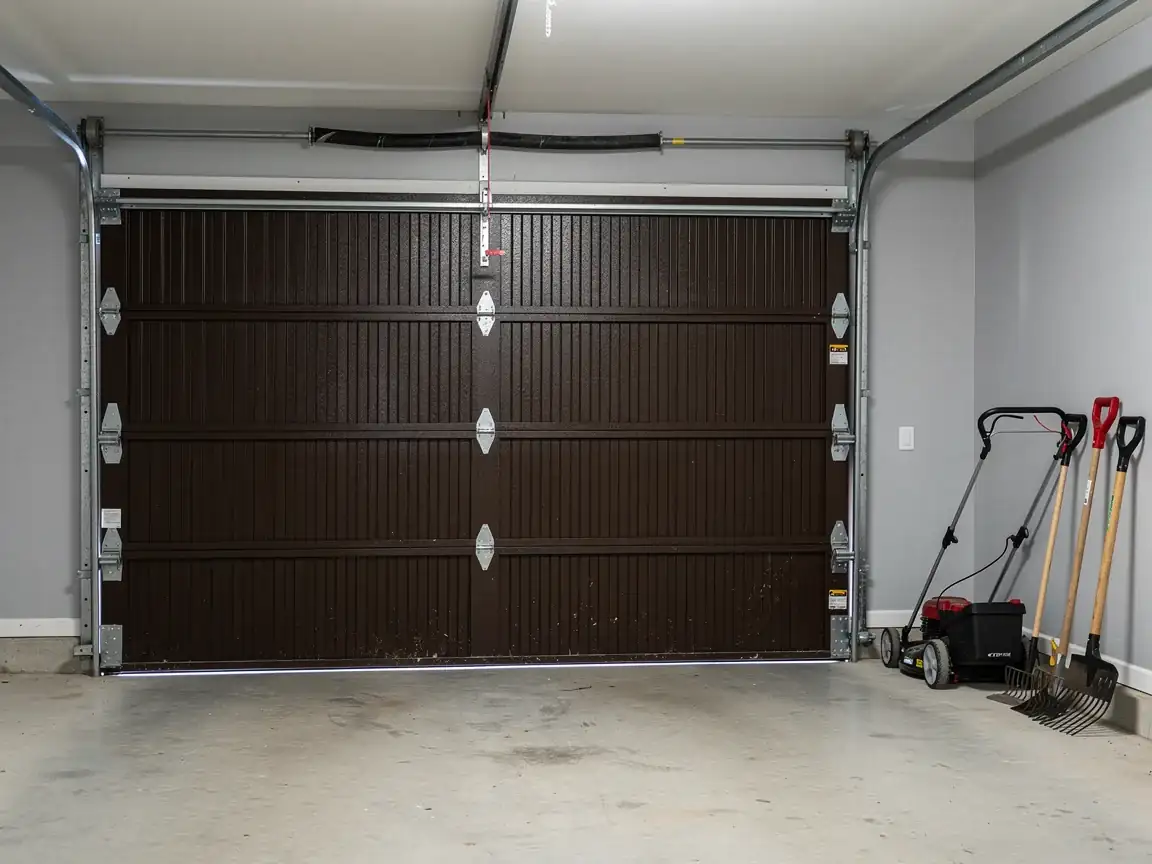
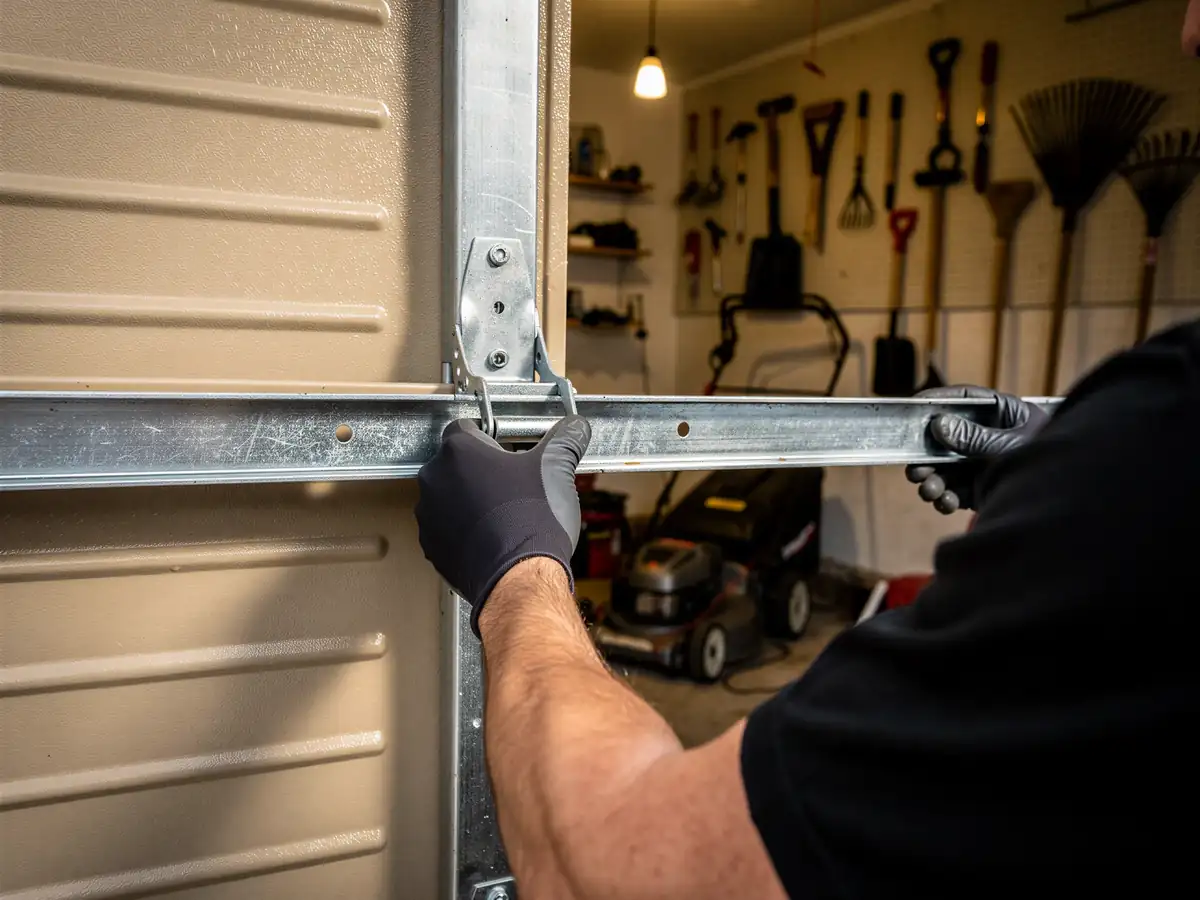
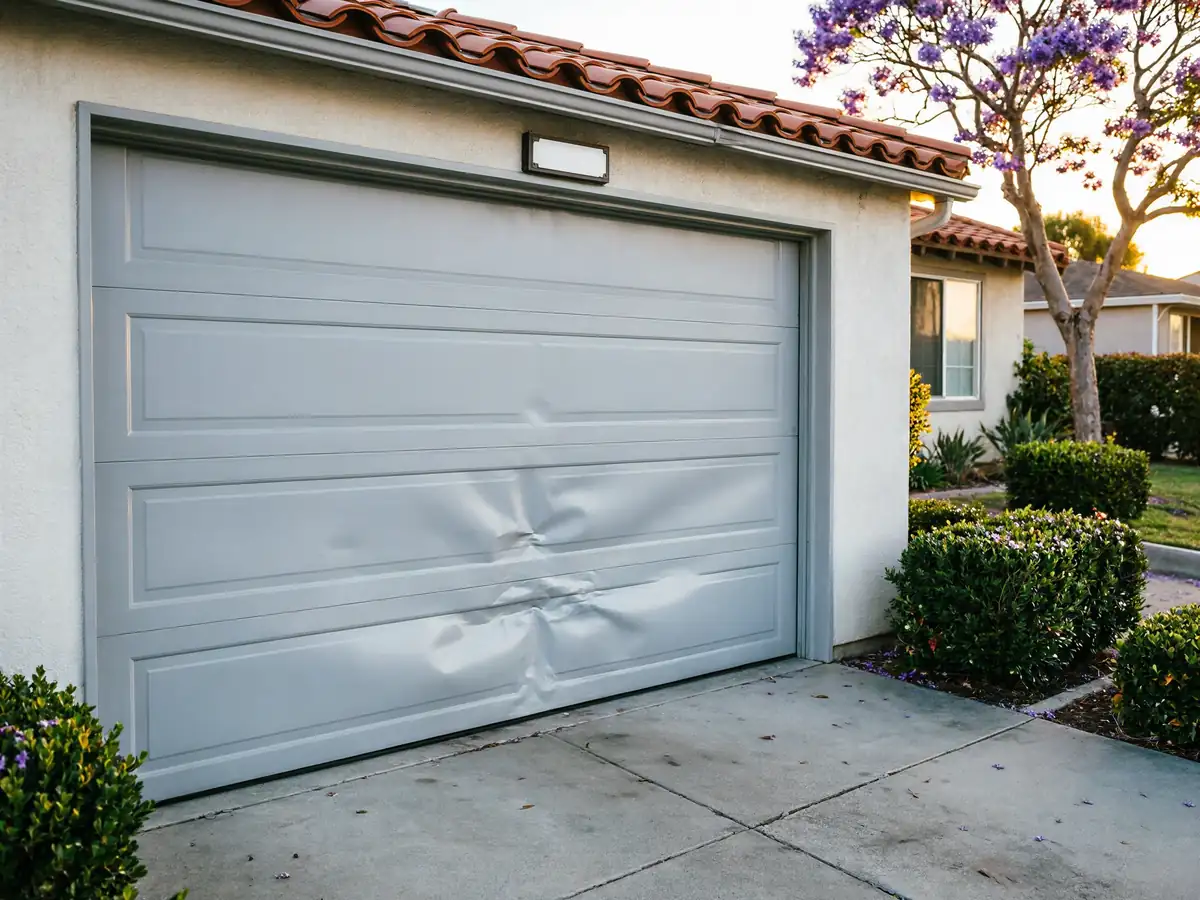
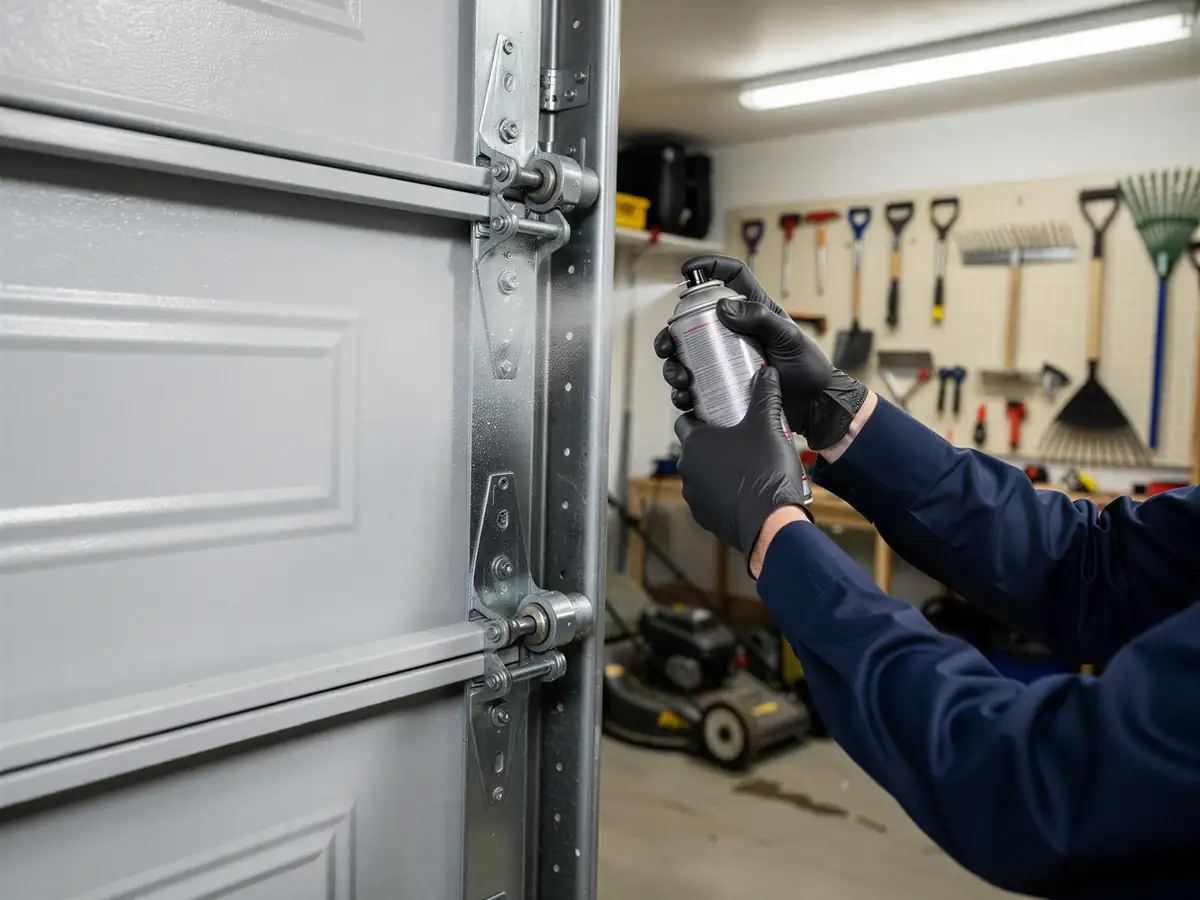
A door that won't open on a house built around 1987, which is the median build year out here, usually comes down to one of two things: a torsion spring that's given out, or an opener board that's failed after three decades of duty cycles. Neither is a safe weekend project. A wound torsion spring under tension can break a hand or worse, and it's genuinely not a job to learn on your own garage. What you can check yourself: the track for a bent section, the photo-eye sensors near the floor for dust or misalignment, and the manual release cord to make sure it isn't the culprit. If the door won't budge and the springs look intact, it might just be a sensor caked in dust from a hot, dry stretch. We won't tell you to call a pro for something a rag and five minutes can fix. We will tell you not to touch a spring under tension.
What the Fix Involves
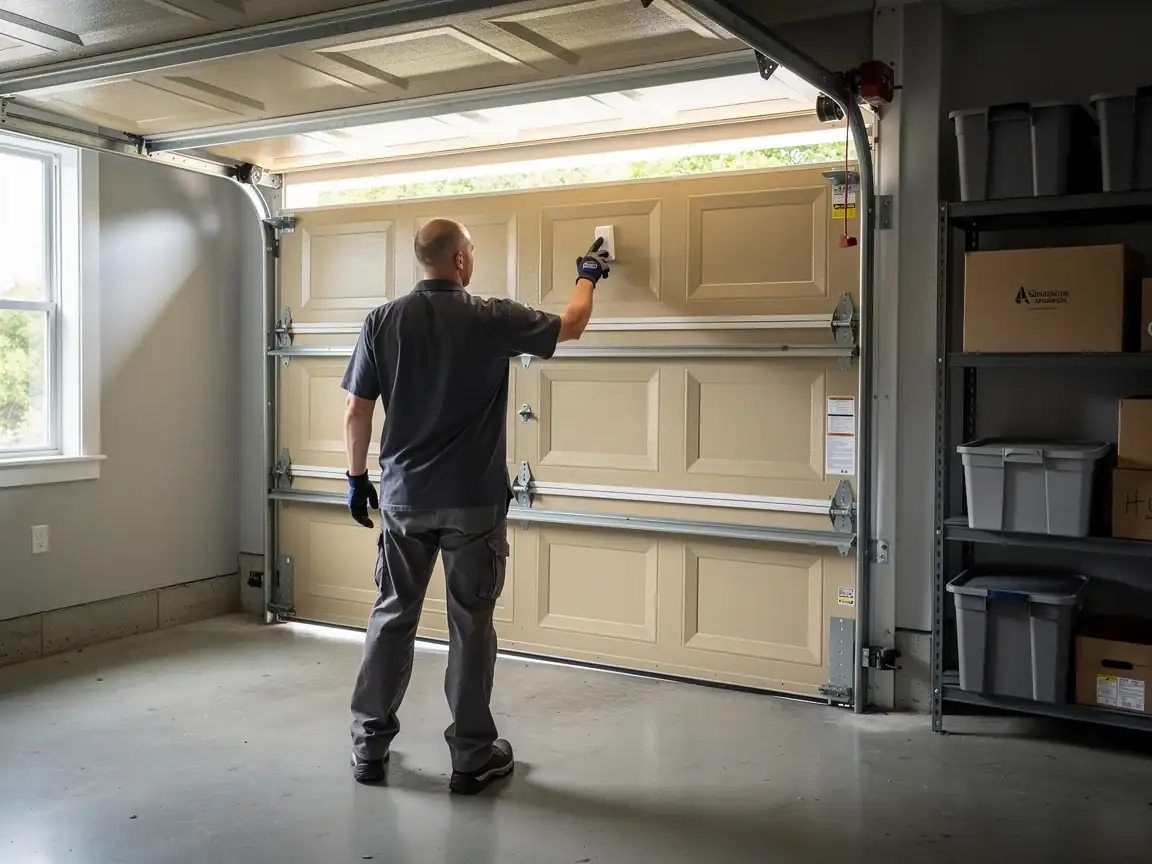
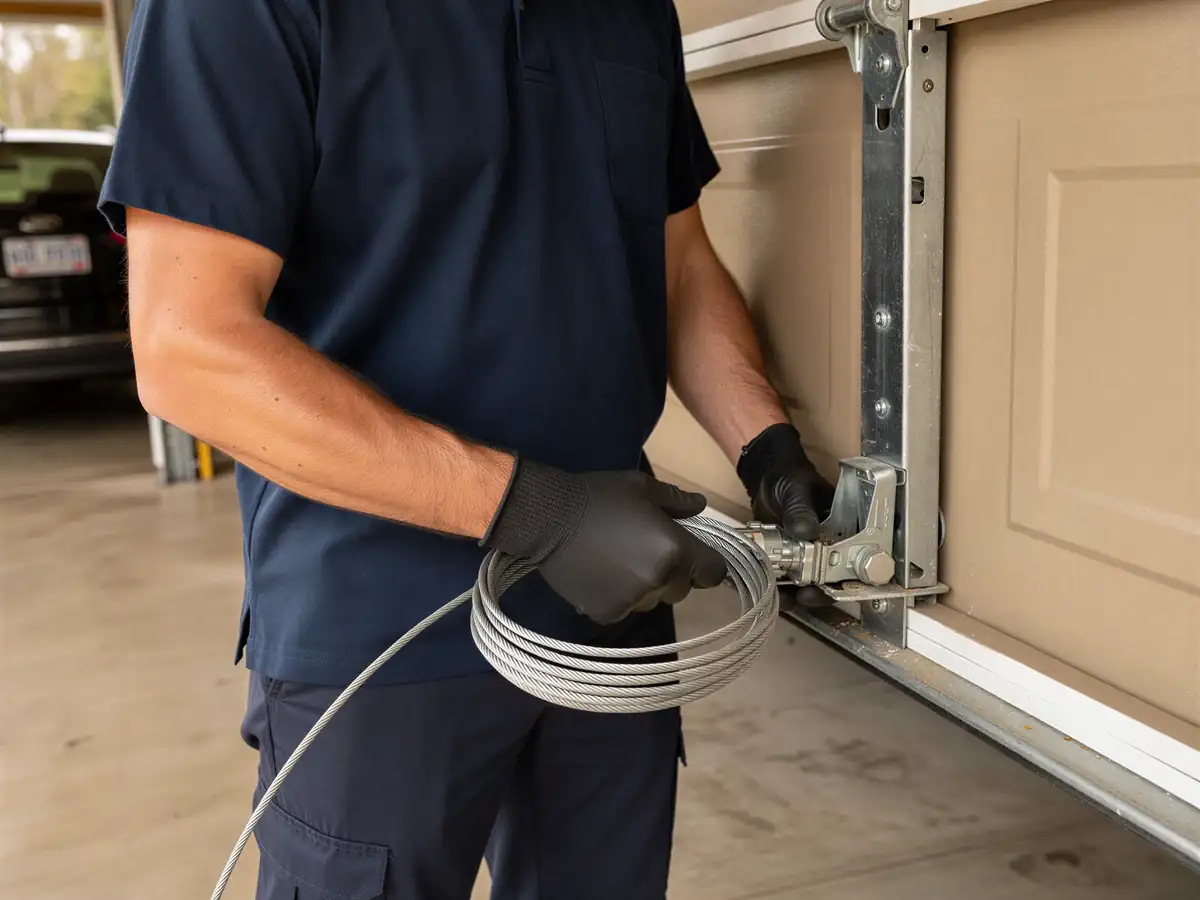
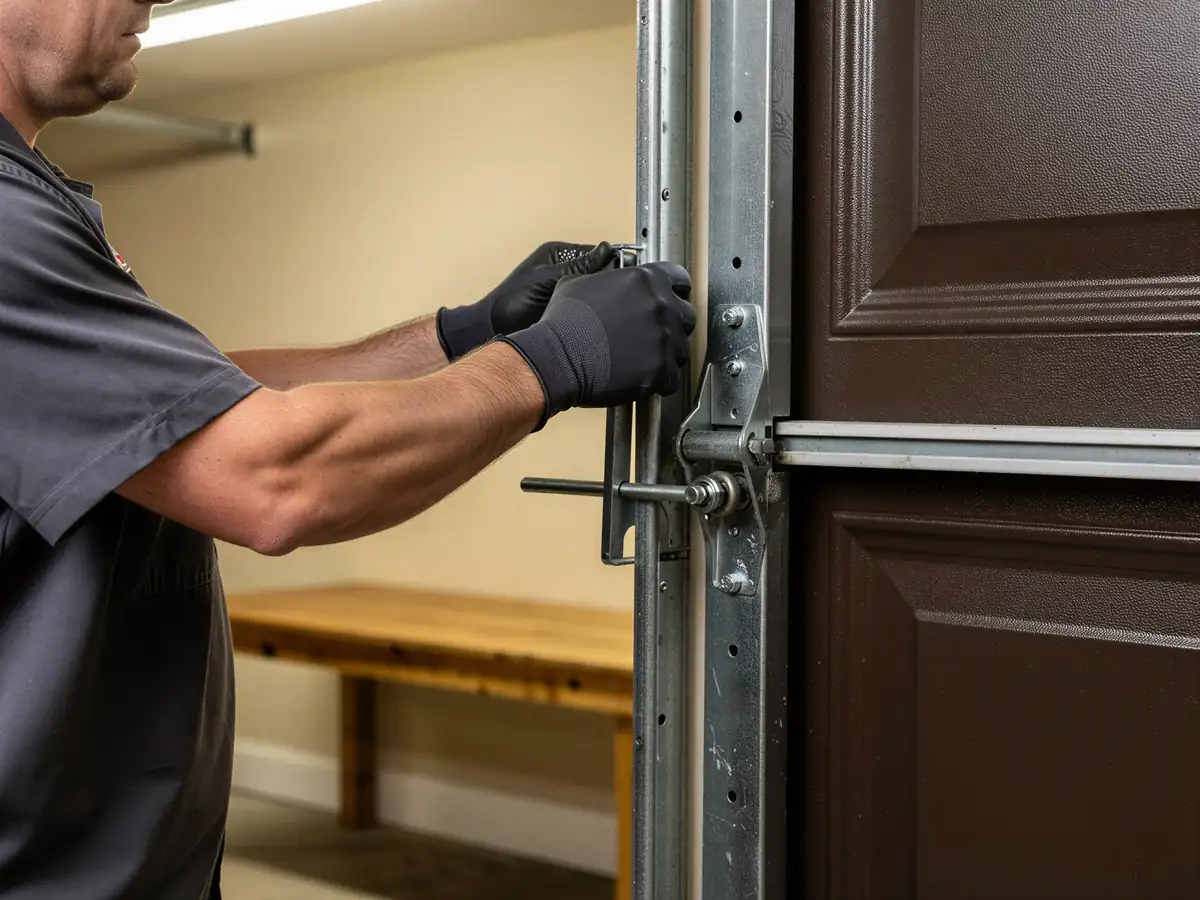
Houses in this area mostly date to the 1980s and 90s stretch of that 1945-2000 build window, which means the hardware we're pulling out is usually original or close to it: steel torsion springs rated for a lighter door than what's sometimes been swapped in since, openers from a chain-drive generation that predates rolling-code remotes. The fix itself is rarely exotic. We match spring wire size and wind to the door weight rather than eyeballing it, replace cables as a pair even if only one's frayed, and check the drum and bearing plates while we're up there since a 35-year-old bracket rusted from heat cycling is a common companion failure. We don't push a full door replacement on a homeowner here unless the panels are actually failing - a sound door from this era with tired springs and cables is a repair job, not a replacement job, and we'll say so even though the replacement pays better.