What It Costs
We don't publish one number for cable repair because the job isn't the same from house to house
A single frayed cable on a door with working springs is a short visit. A cable that's jumped the drum and chewed up the track, or a cable that let go on both sides of a double door at once, is a longer job with more parts. In a town this size - Patterson runs about 6,403 households - we're not sending a truck past five other jobs to get to you, but we also don't quote a price over the phone before someone's looked at the drum, the spring count, and whether the track took damage when the cable let go. If you want a real number, that comes after a look at the door, not before.
- 6,403 households
What we can tell you is what drives the cost up
A second cable instead of one, a bent or gouged track, and whether the spring system needs attention at the same time. A cable rarely fails alone - something usually frayed it or snapped it, and fixing the cable without checking that cause just buys you a repeat call.
What the Fix Involves
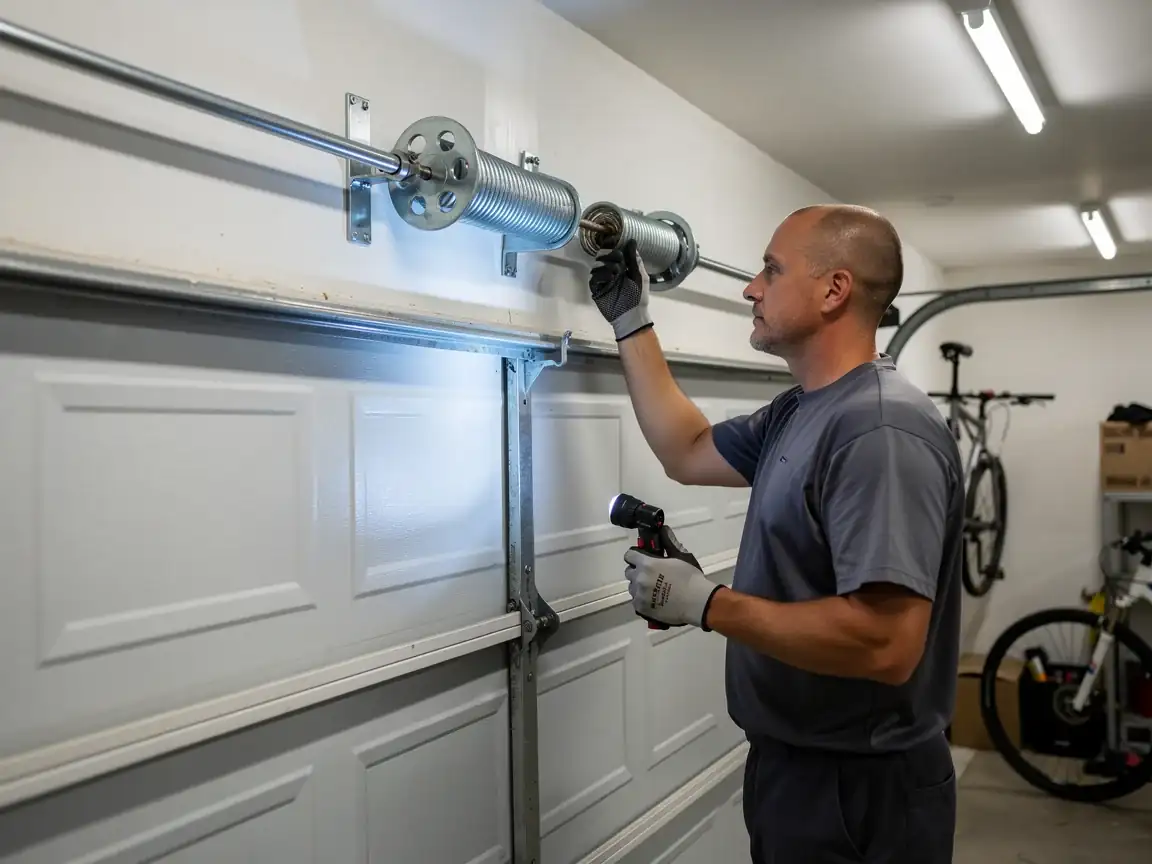
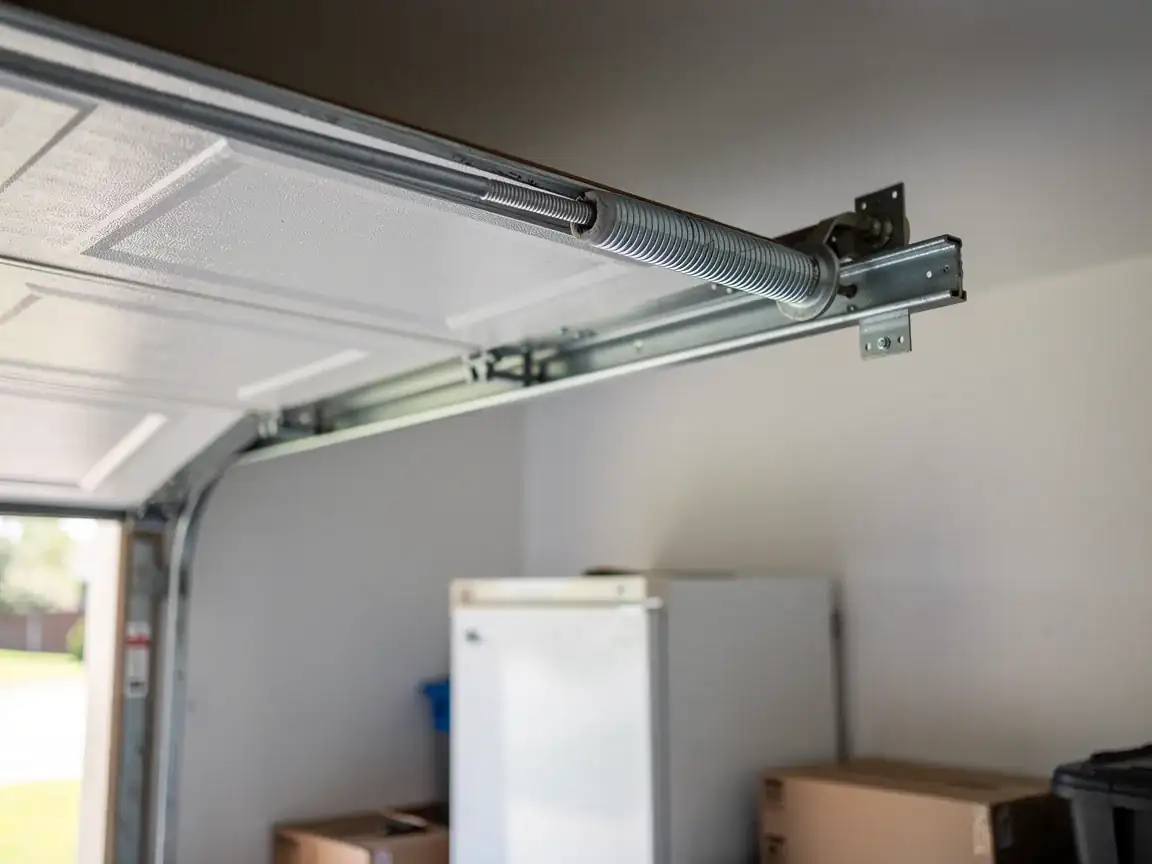
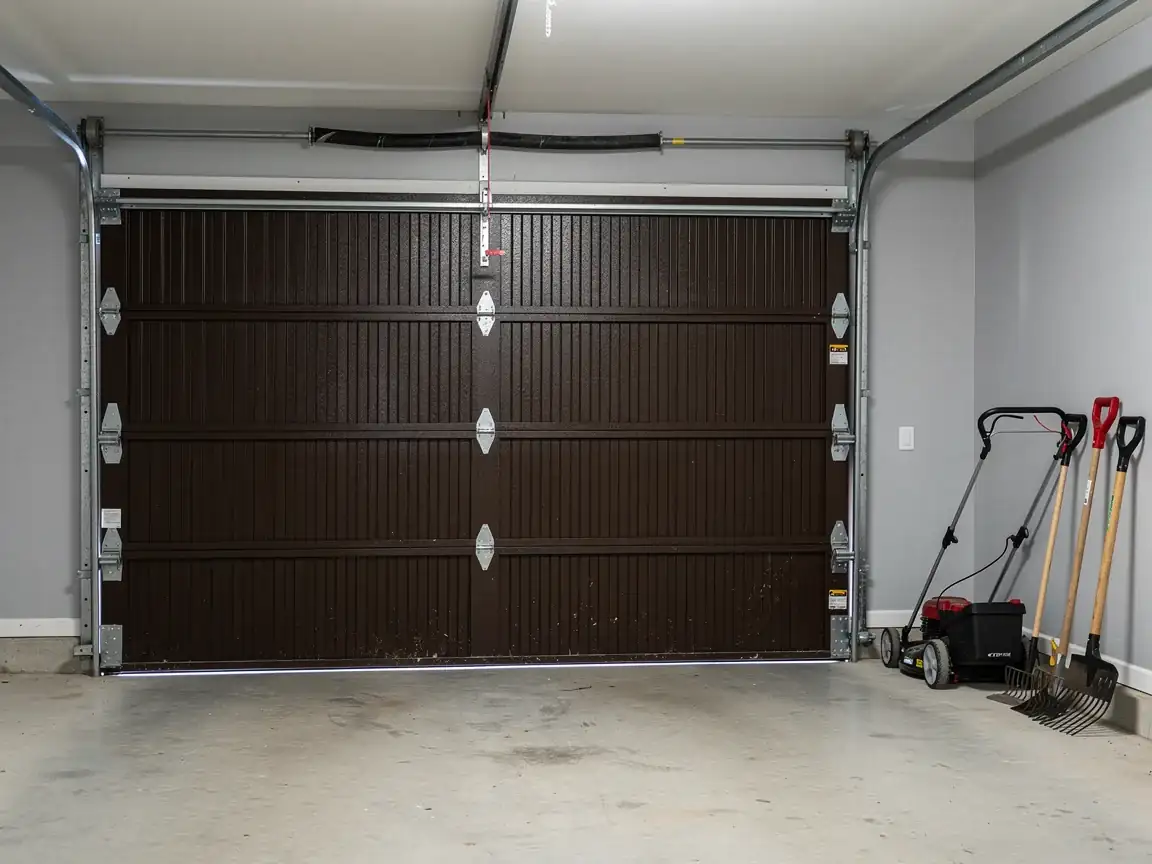
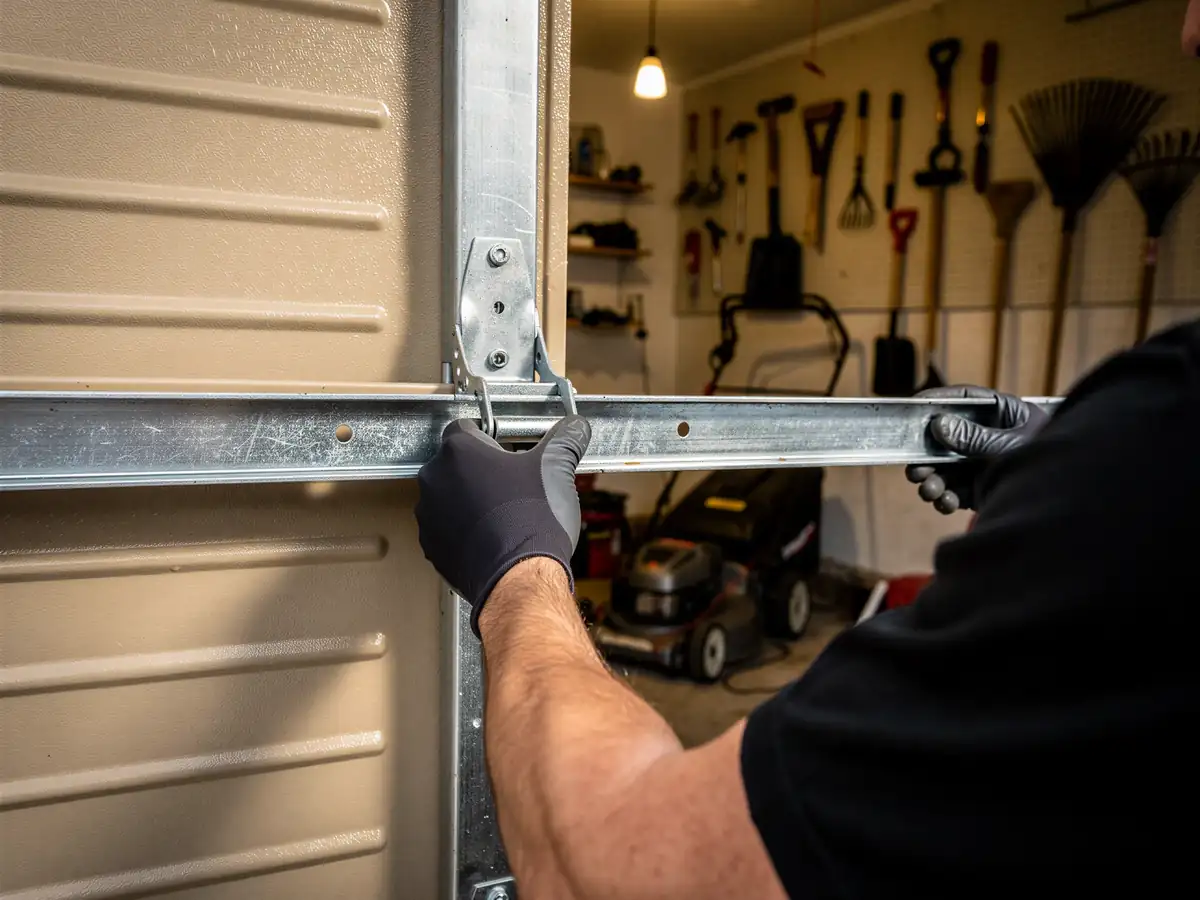
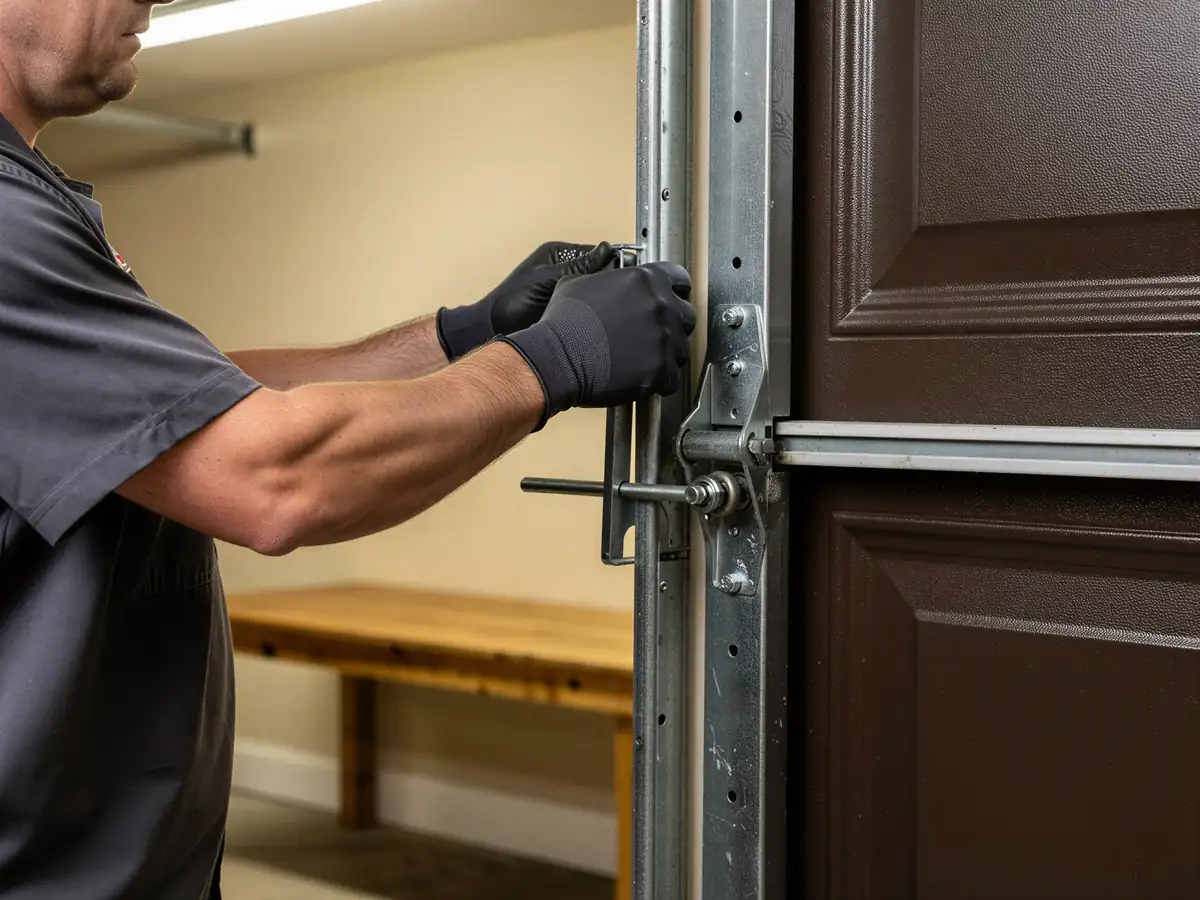
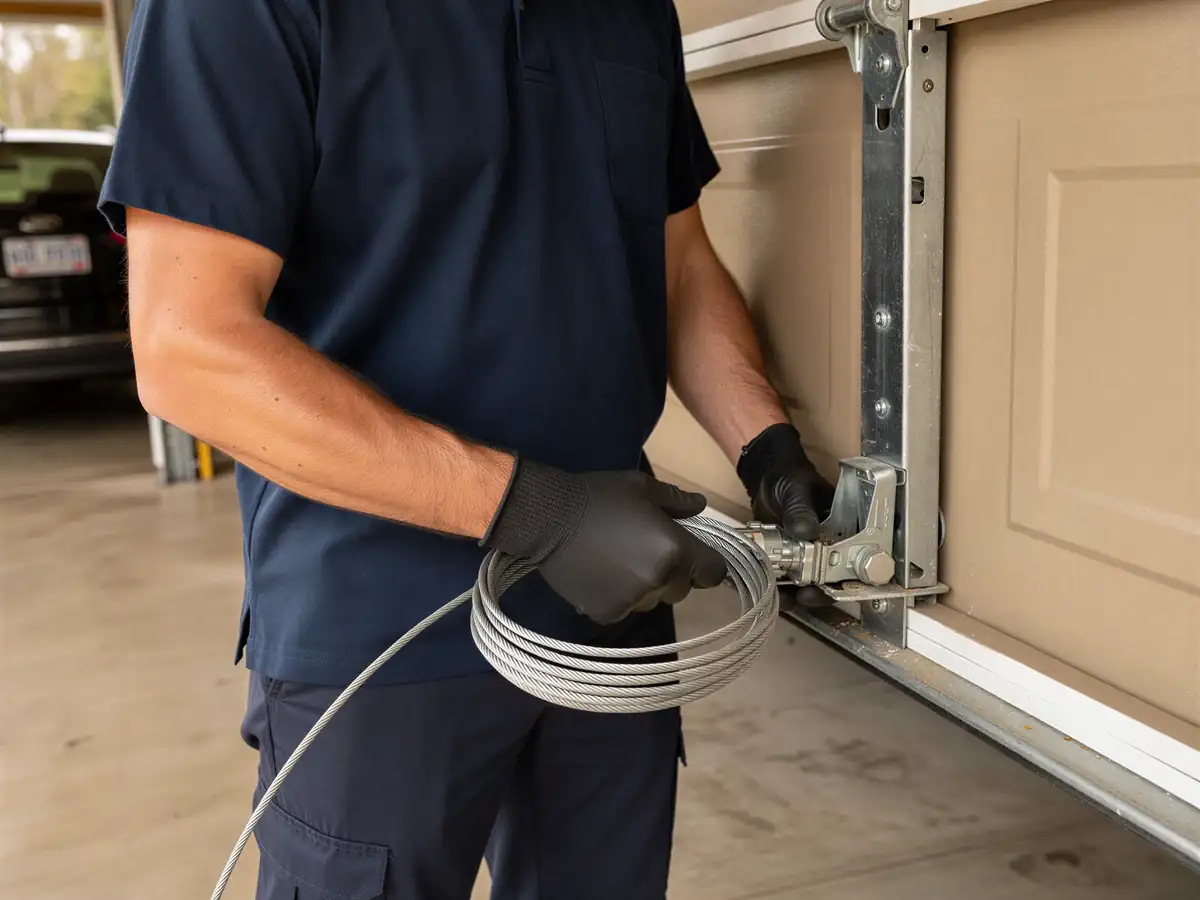
Patterson's housing runs newer than much of the rest of the service area - the median build year here lands around 2000, against a service-area median closer to 1987. That matters for cable work because doors from that era were set up at the factory with torsion springs and wound galvanized lift cables, not the older waxed steel cable you still find on some pre-1987 torsion setups elsewhere in the valley. The fix on a 2000-era door usually means releasing tension on the spring, pulling the old cable off the drum, winding a replacement to the same length, and re-tensioning before the door ever gets tested on the opener.
If both cables are original to the house, we'll say so and recommend doing both sides at once rather than leaving the other side to fail in a few months. We check the drums for grooving and the bottom brackets for wear while we're in there, since a cable that frayed against a damaged drum will fray again on a new cable if the drum isn't addressed too.
The DIY Question
A garage door cable sits under load from a wound torsion spring, and releasing or winding that spring is where most DIY cable jobs turn into a trip to the ER rather than a Saturday project. If the door is already down and the cable is visibly off the drum or frayed through, the safest move is to leave the door closed, unplug the opener so it doesn't try to force a broken system, and not pull on the cable yourself.
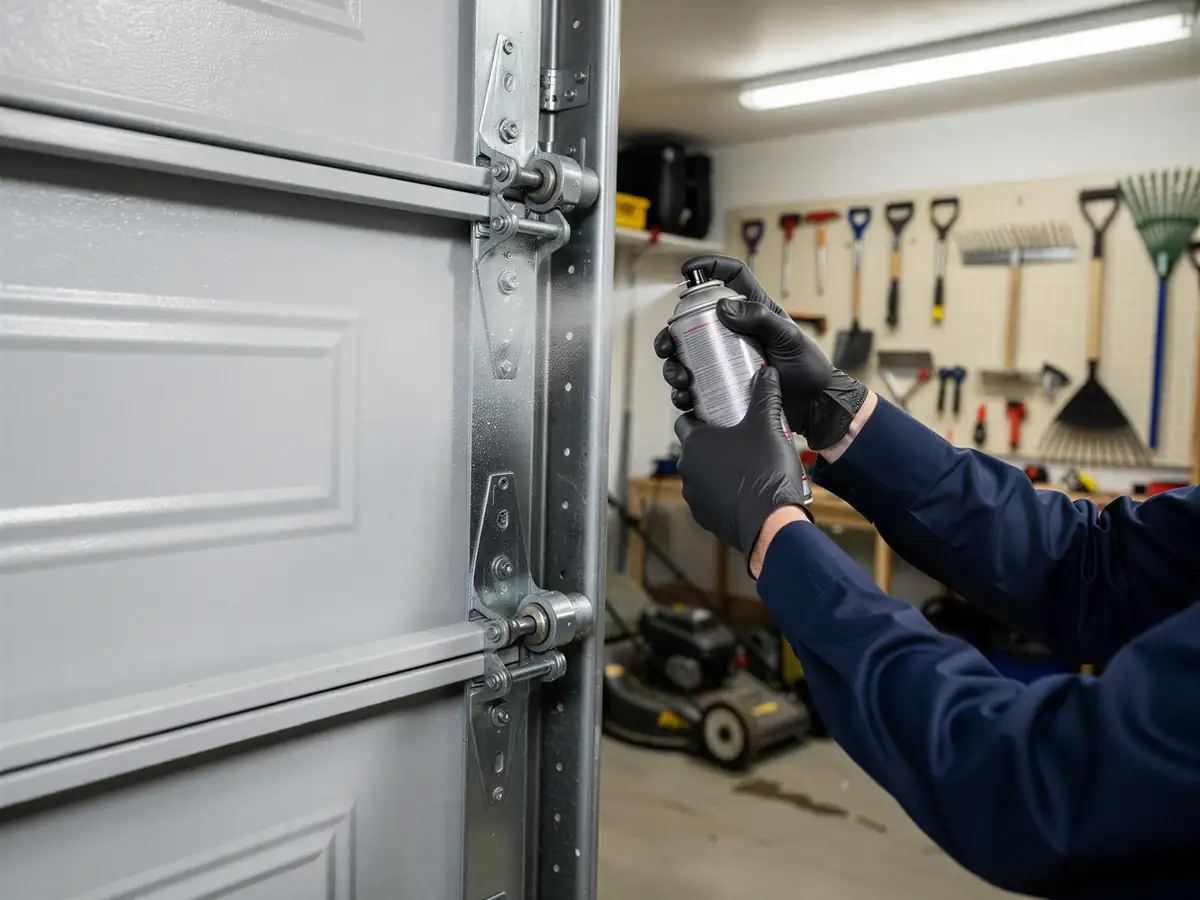
There are smaller things worth checking first - whether the cable frayed near the bottom bracket from a dragging roller, or whether it's still intact but just jumped the drum from an impact. Either of those you can look at without touching the spring. But winding, cutting, or re-threading a cable on a loaded torsion spring is not a job to learn on your own garage door. We'd rather you call before the first attempt than after.
What You Are Seeing
A fraying cable usually shows itself before it snaps
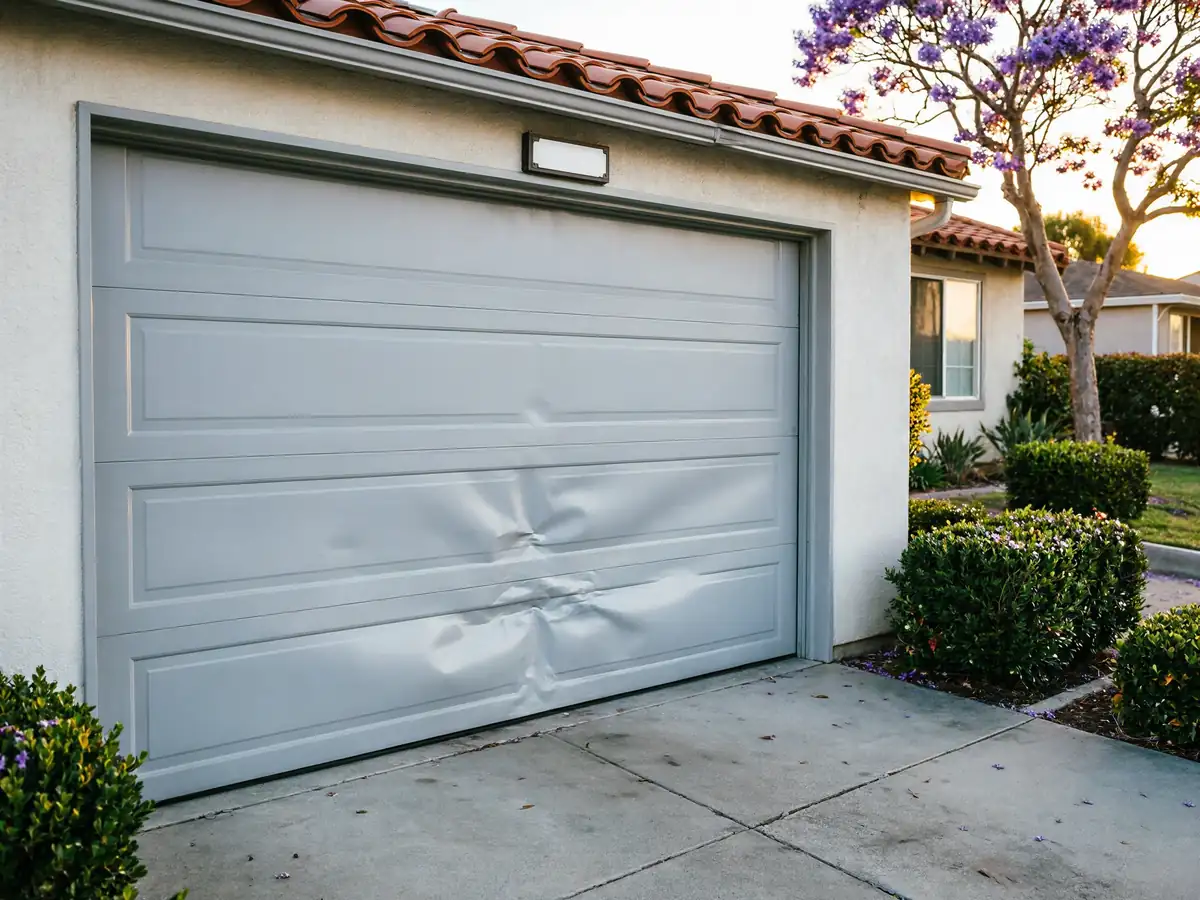
Thin strands sticking out near the drum, a door that sits slightly crooked when closed, or a grinding sound as the cable rides rough against a worn drum groove. Once it lets go, the symptom is obvious - one side of the door drops, the door won't sit level, or it comes off the track entirely if the opener keeps pulling against a cable that's no longer there.
With Patterson's income median at $93,542
We more often get asked to replace both cables in the same visit rather than patch one side and wait for the other to go - a reasonable call on a door where both cables have seen the same years of cycles. We also see cable wear tied to heat; long stretches of severe summer heat across this part of the valley dry out lubrication faster than mild climates do, which speeds up the fraying you'd otherwise see years later.