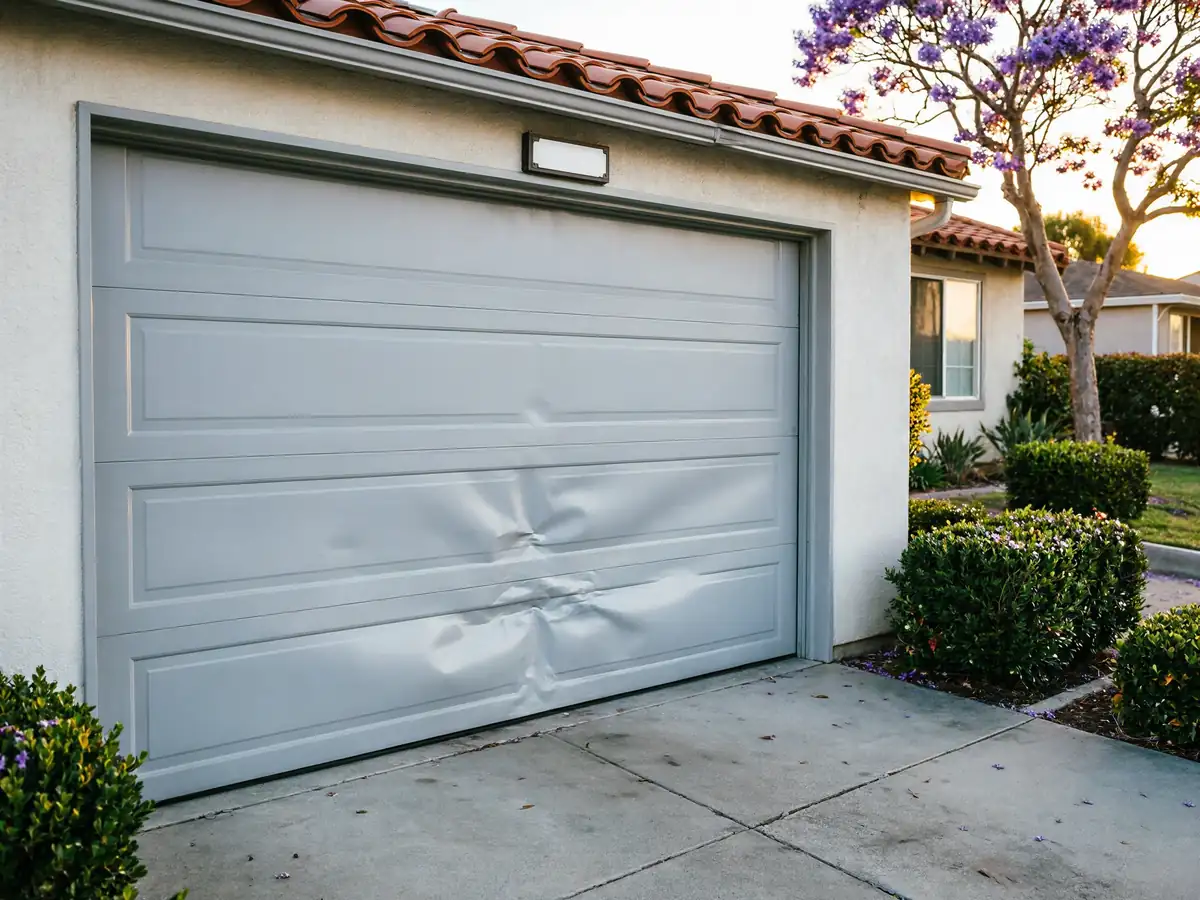
What It Costs
We don't have a Patterson-specific price list to quote here, and we're not going to invent one
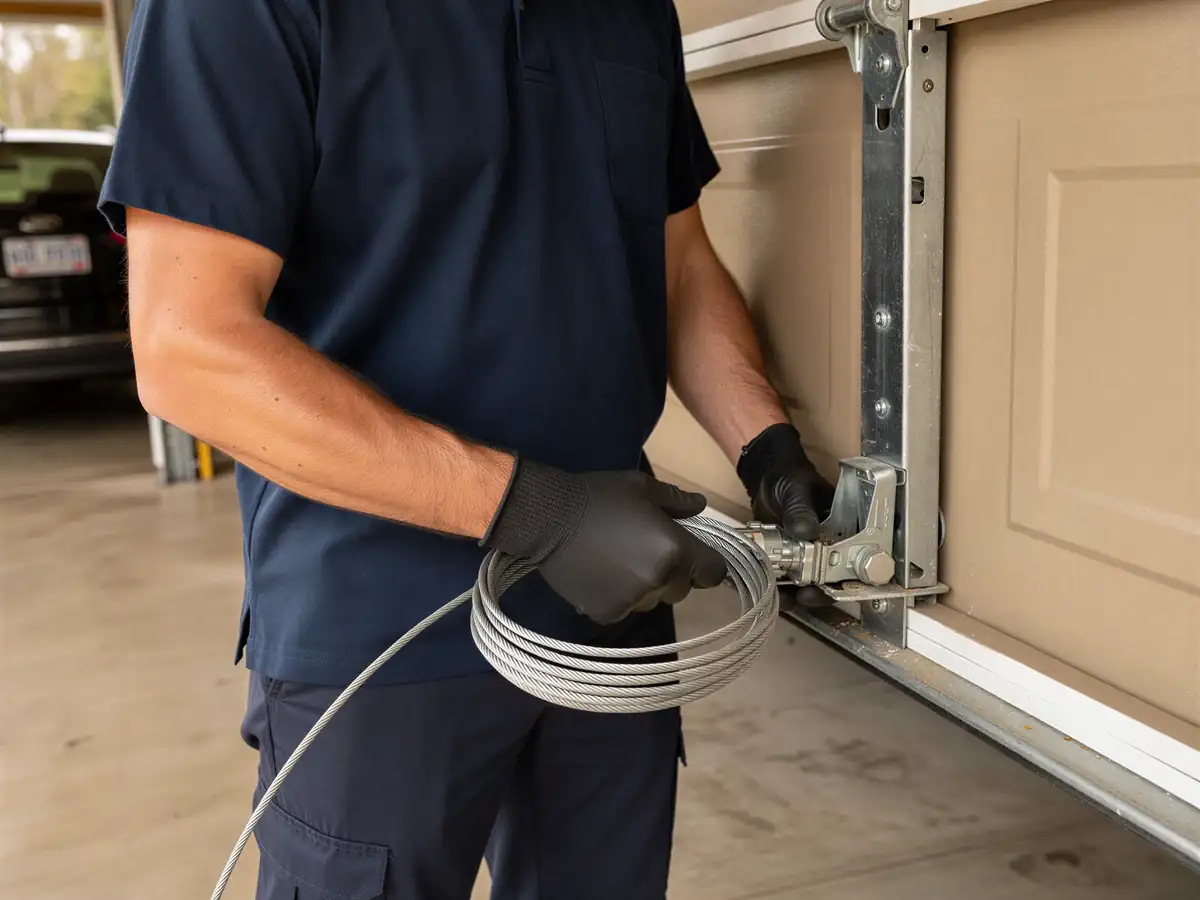
What we can tell you is that a maintenance visit on a house built around 2000 (the median build year for this area) usually runs faster than one on an older Modesto property, because the hardware is more standardized and less likely to need adapted parts. A torsion spring system installed new in 2000 is still well inside its working life if it's been serviced at all, so a lot of these calls are inspection, lubrication, and adjustment rather than parts replacement. If your door was original to a late-1990s or early-2000s build and has never been touched, expect the visit to include a look at cable fraying and roller wear, since that's the first stuff to go on a 20-25 year old door even when it was built well.
- 25 year
We travel the 14 miles out from Modesto for these calls
Which is a fact worth knowing up front since it rules out any claim of a same-hour drop-in. Plan ahead rather than calling the morning you notice the problem.
- 14 miles
What the Fix Involves
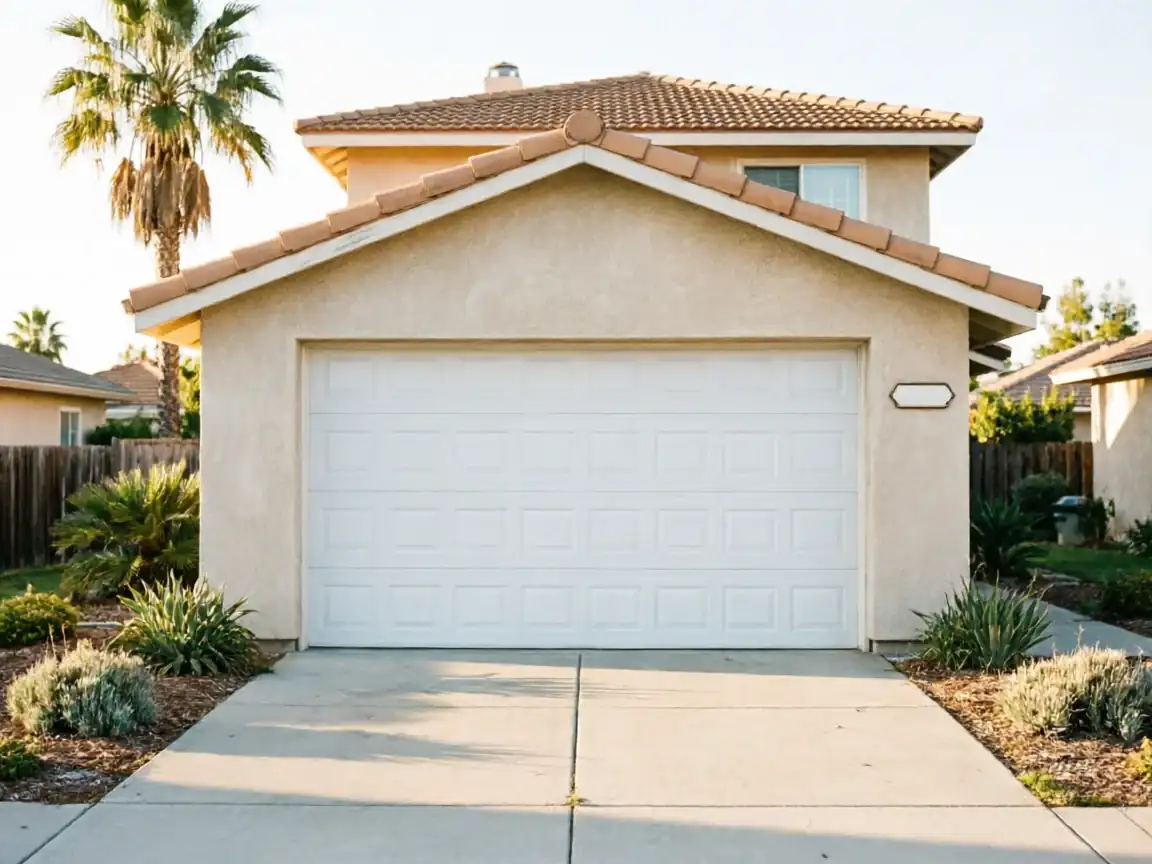
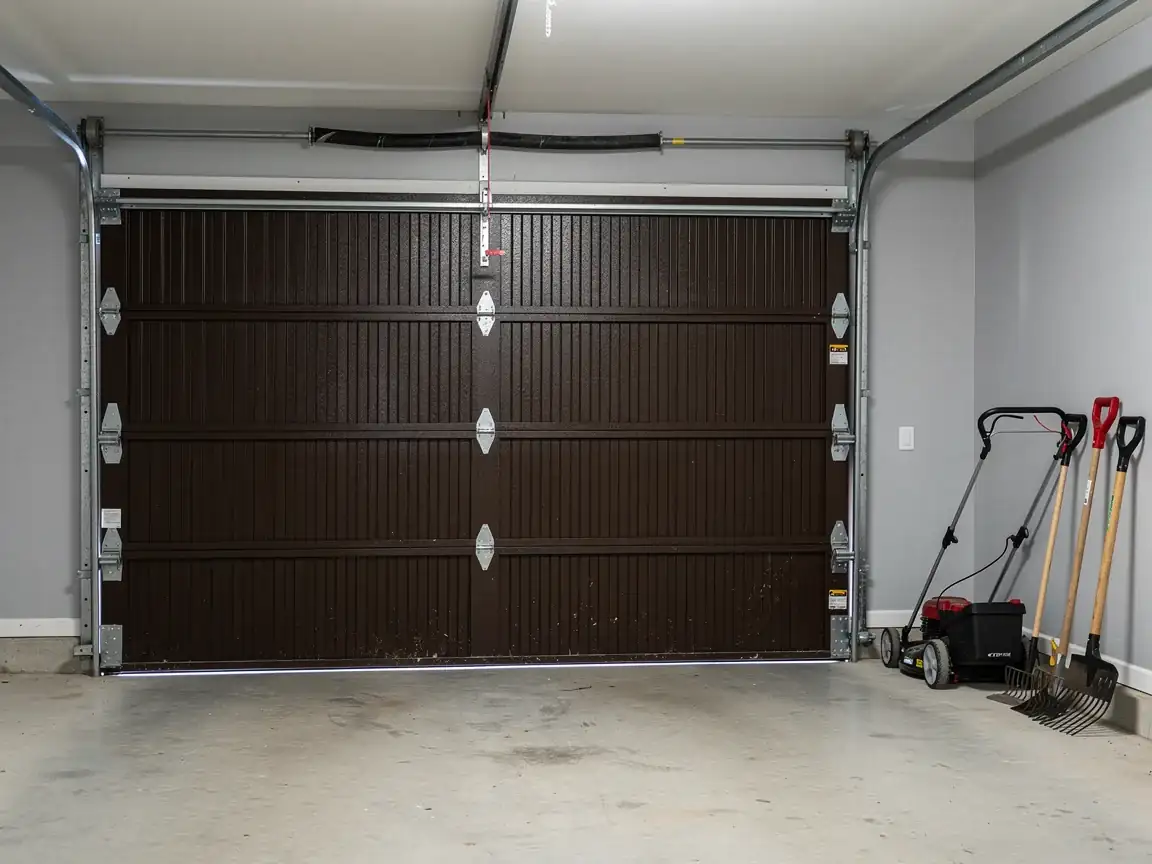
Because most Patterson garage doors date to around 2000, the typical job here looks different from what we run into on Modesto's older streets. You're not dealing with the one-piece doors and side-mounted torsion hardware common on 1950s-60s stock. You're dealing with sectional steel doors on extension or torsion springs that were standard builder-grade installs for that era, and the failure points are predictable: nylon rollers going brittle, hinges loosening from twenty-plus years of cycling, and weatherstrip that's hardened and cracked.
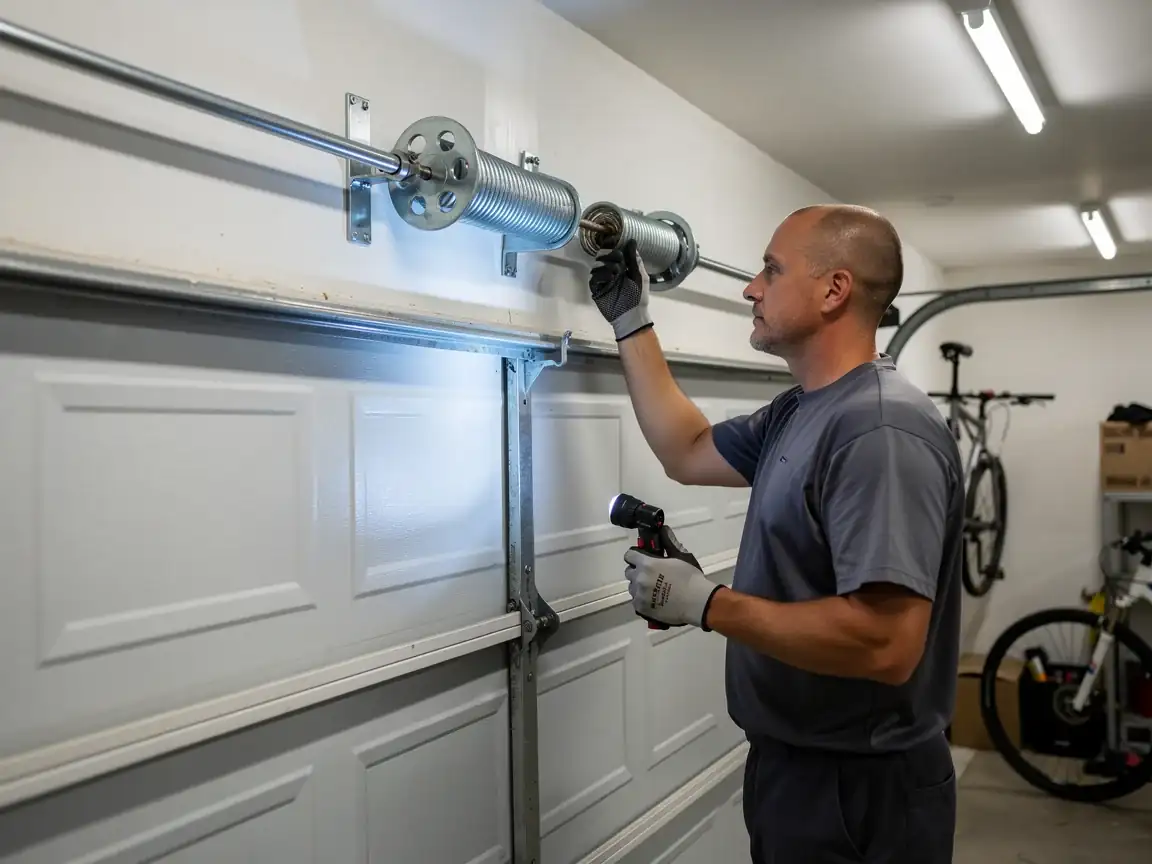
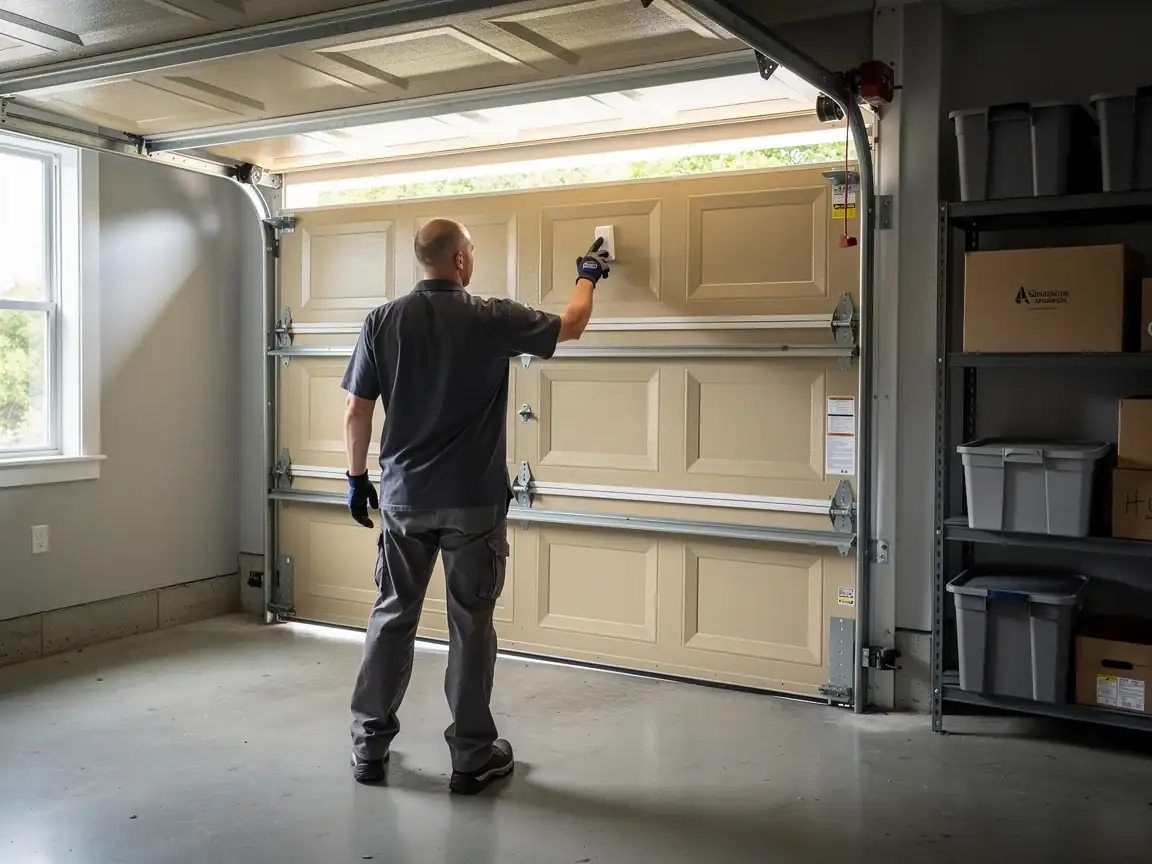
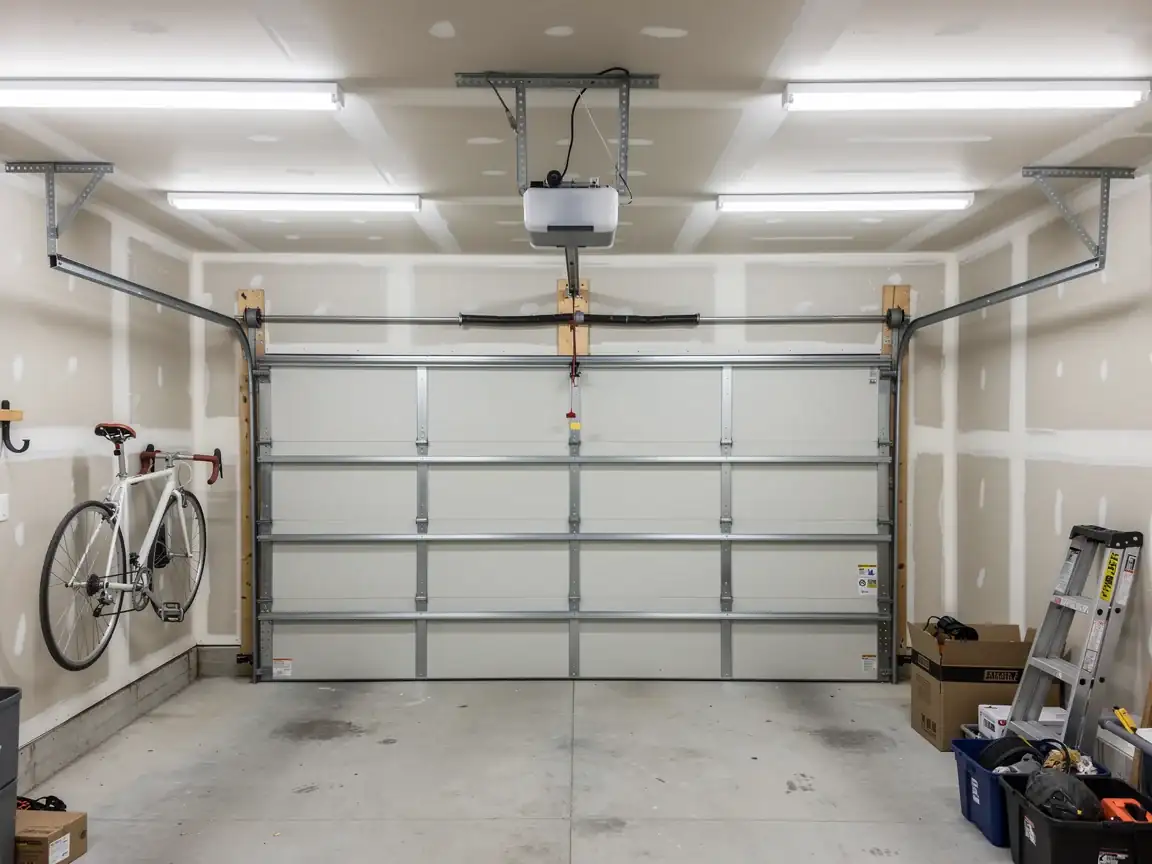
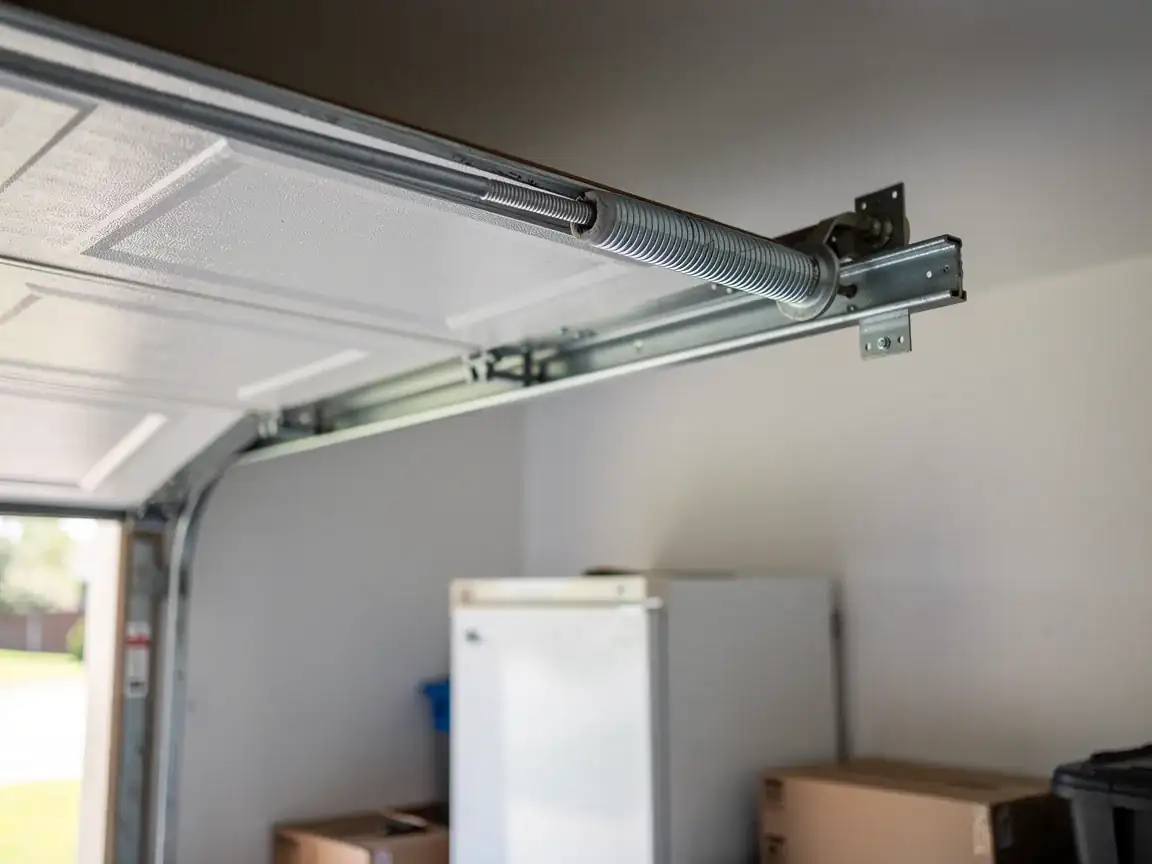
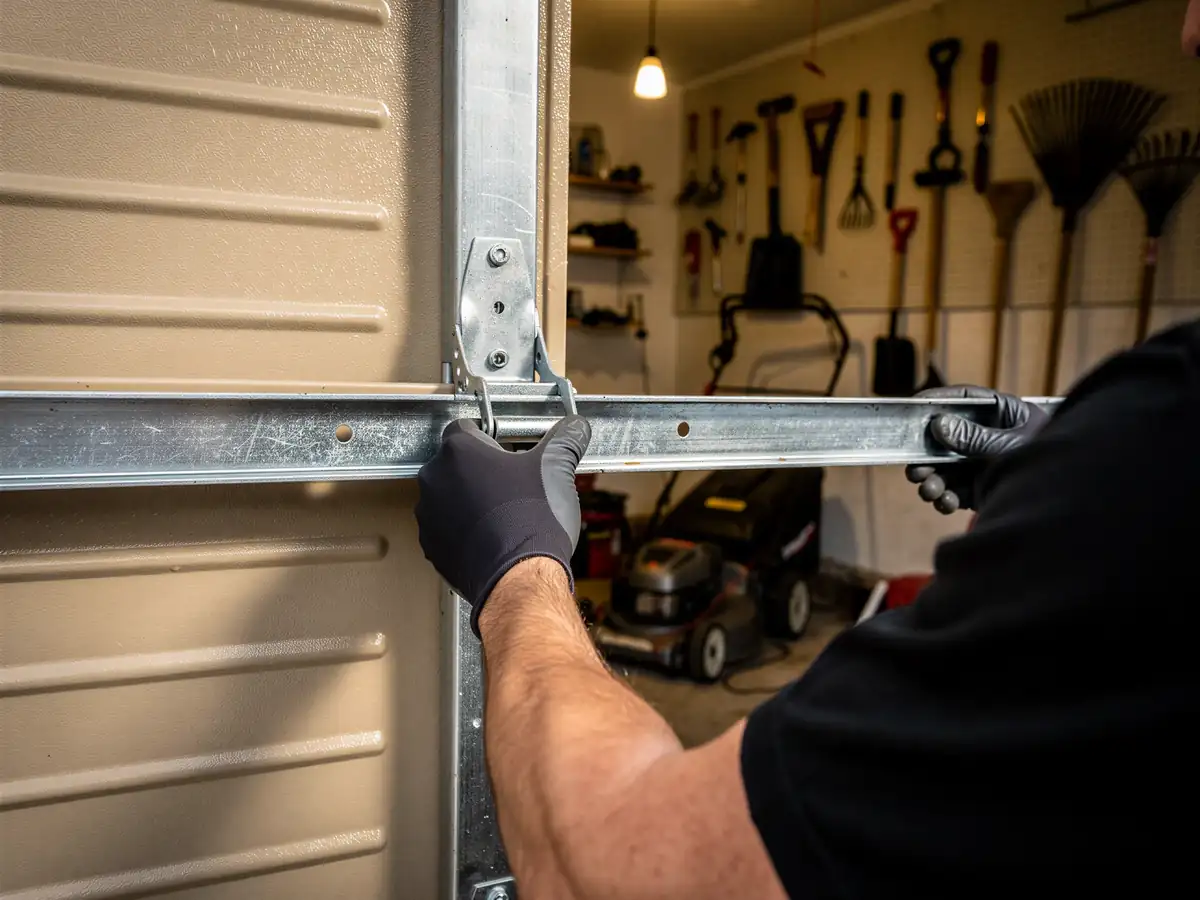
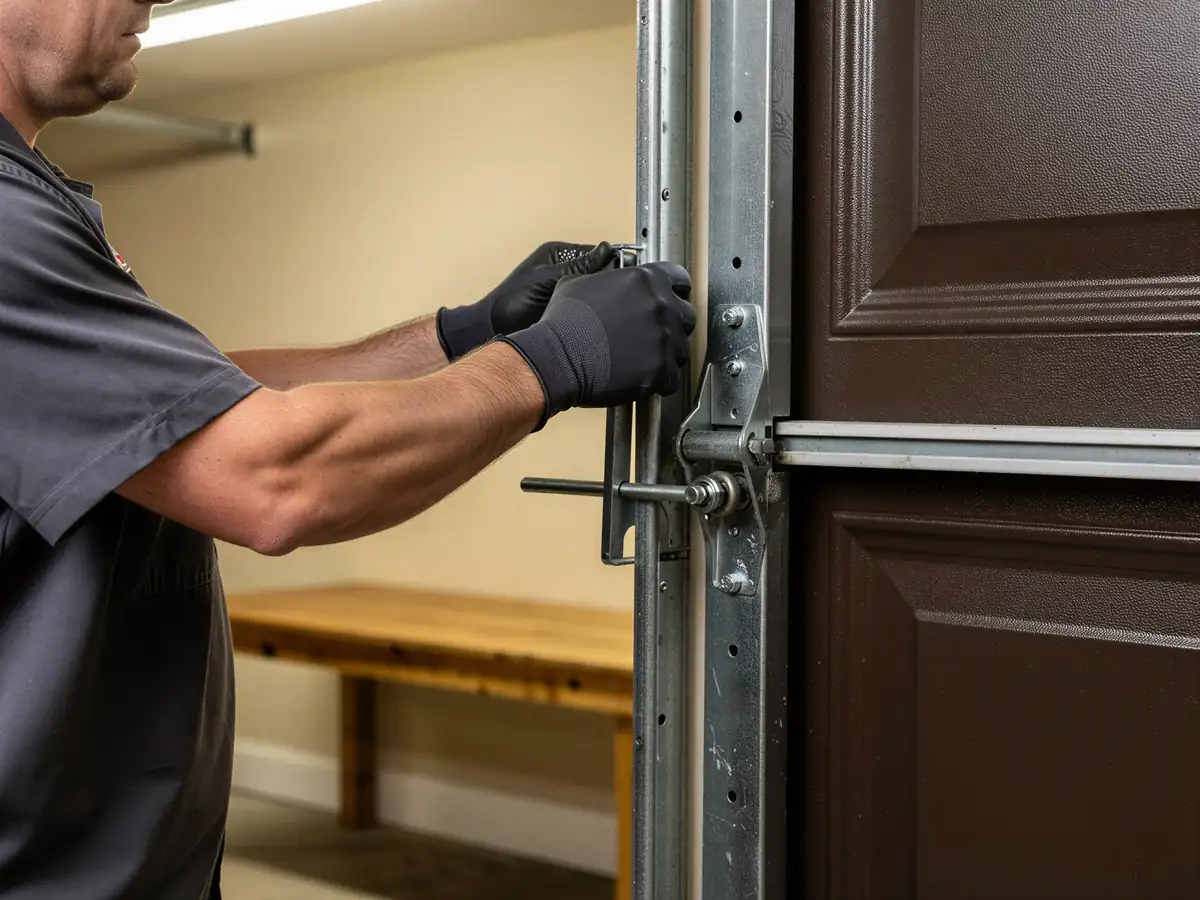
A maintenance visit on this kind of door means checking spring tension against the door's actual weight (builder-grade springs are sometimes undersized from the start), lubricating hinges and rollers, tightening the track bolts that back out over time, and testing the opener's force settings, since an opener from this build era is often original equipment nearing the end of its reasonable service life. None of this is dramatic work. It's the kind of upkeep that, done every year or two, keeps a 25-year-old door from turning into a replacement job before it has to.
The DIY Question
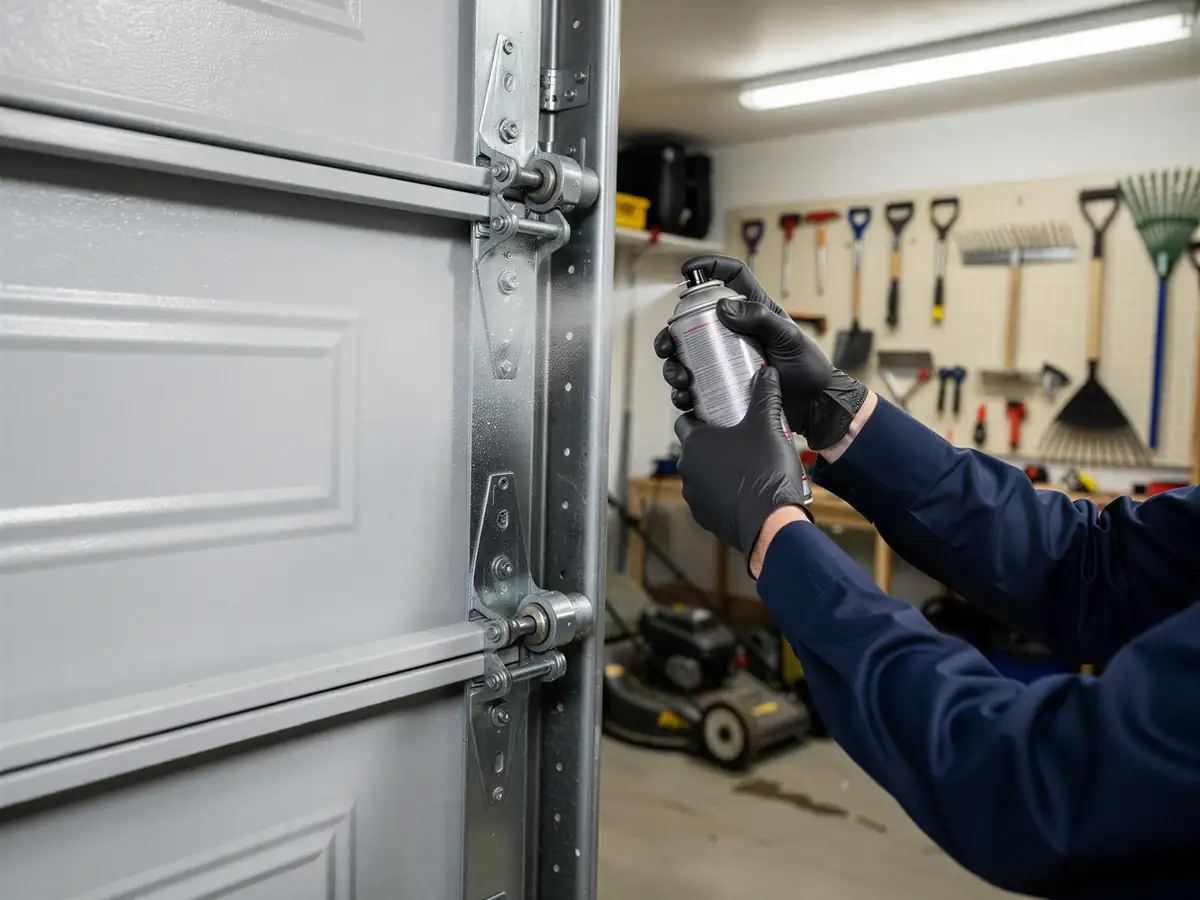
Some of this you can do yourself. Spraying hinges and rollers with a silicone-based lubricant, wiping down the track, and checking that the weatherstrip still seals are all reasonable homeowner tasks, and doing them yourself between our visits is a good habit.
What you should not touch is anything involving the torsion spring under tension. That's true everywhere, not just here, but it's worth saying plainly: the spring stores enough energy to cause a serious injury if it lets go while you're working near it. If your Patterson door is original to a 2000-era build and the spring has never been replaced, it's old enough that we'd want eyes on it rather than have you testing it yourself. Balance testing (disconnecting the opener and seeing if the door holds position halfway open) is something you can do safely and it tells you a lot about whether the spring is still doing its job.
What You Are Seeing
If your opener struggles more than it used to
Or the door feels heavier on manual lift, that's usually a spring losing tension, not a motor problem, especially on a door this age. A door that shudders or jerks partway through its travel is often a roller that's cracked or a track that's gone slightly out of alignment, both common once a door passes the twenty-year mark.
One more thing specific to this area's climate
Summer heat here runs severe, and that heat cycles steel components, dries out lubricant faster, and makes plastic rollers more brittle than a comparable door in a milder climate would be. If you've noticed your maintenance needs feel more frequent than a neighbor's stories from a different climate would suggest, that's not your imagination. It's a reason to not stretch the interval between service visits too far.