What It Costs
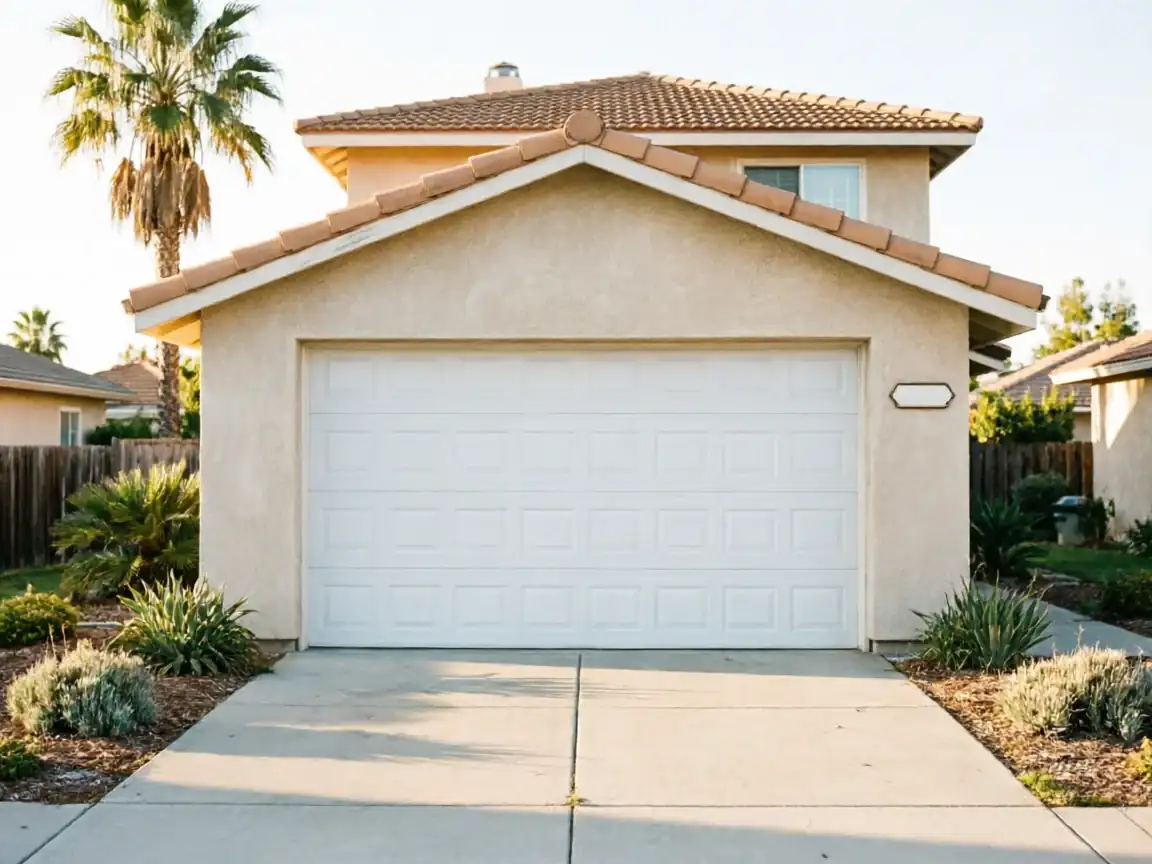
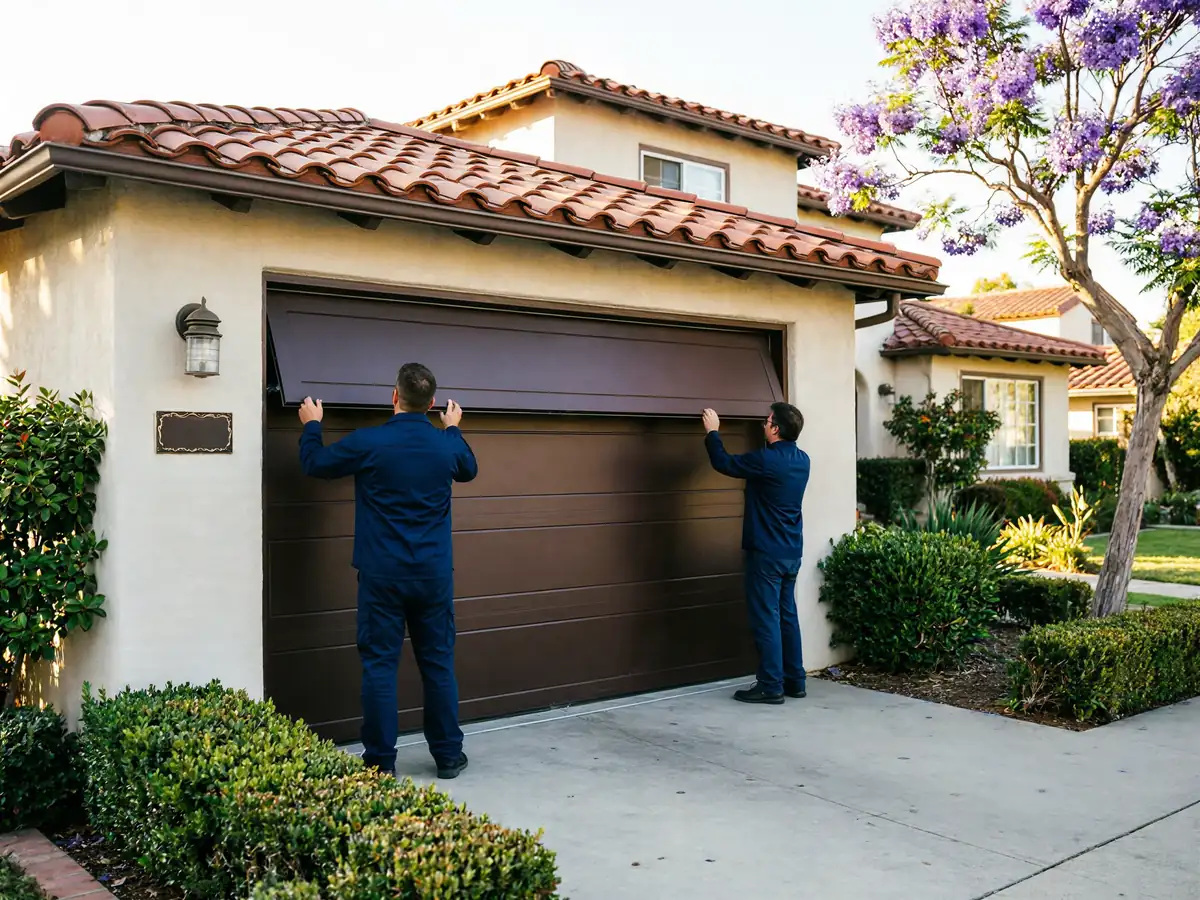
Patterson's housing stock is younger than most of the service area around Modesto
A lot of it went up after 2000, well past the 1945-2000 window that covers the broader area. That matters for cost because newer tract construction here tends to use lighter steel track and stamped rollers rather than the heavier gauge hardware common in 1980s-90s builds elsewhere in the area. Lighter track bends instead of just slipping, so a basic off-track job - where the door has simply walked out of the track but the track itself is straight - costs less than a job where the track has to come off and get re-squared or replaced.
We price the Patterson call the same way we price anywhere we drive to
By what's actually wrong once we're looking at the door, not by a flat number over the phone. A roller that jumped the track on a newer door is often a short visit. A track that's bent from being hit, or pulled away from the jamb because the door kept riding on one side, takes longer and costs more because the track gets replaced, not bent back. We'll tell you which one you have before any tools come out.
What the Fix Involves
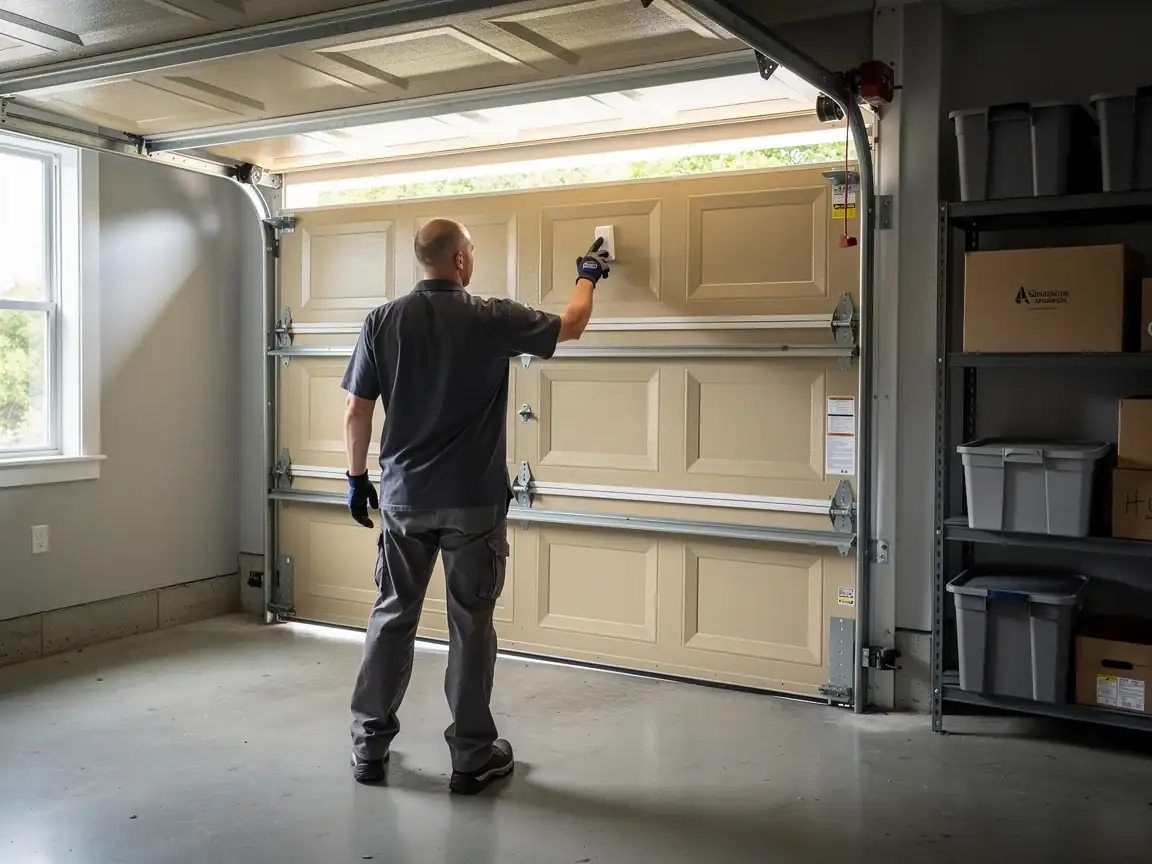
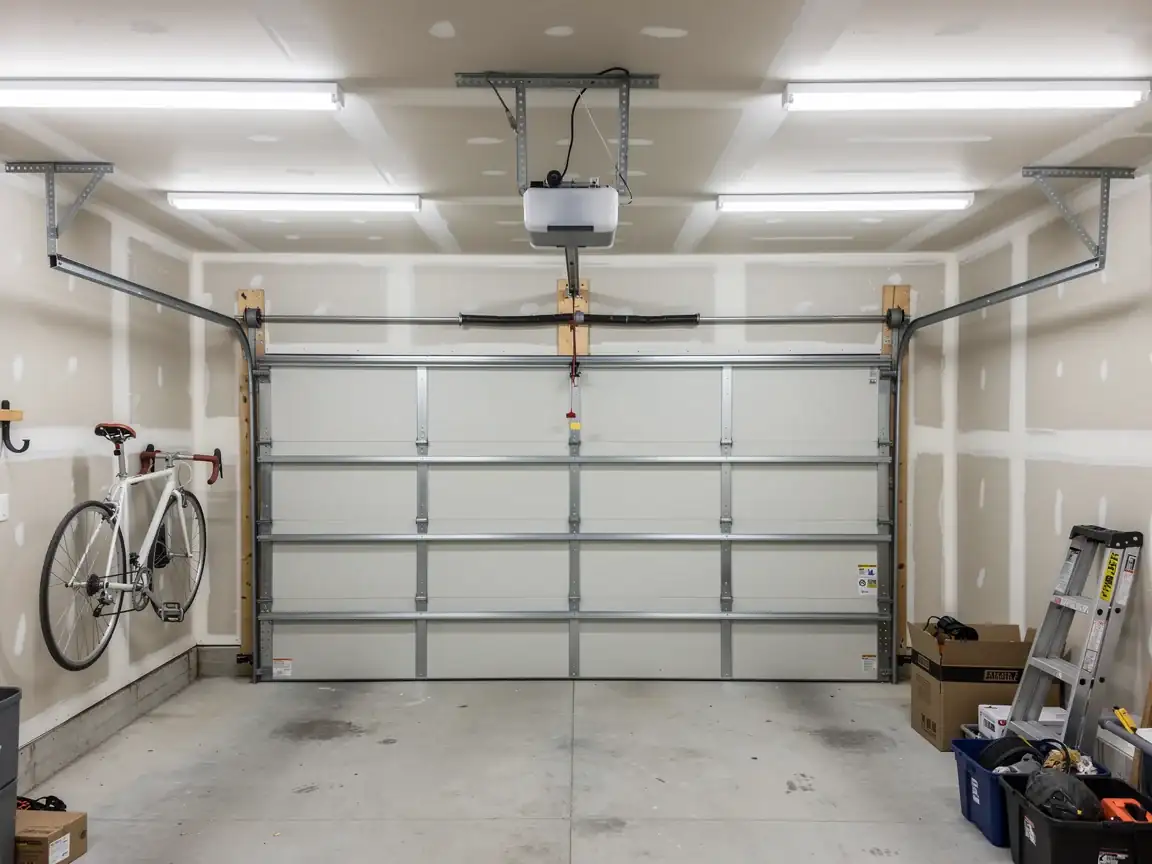
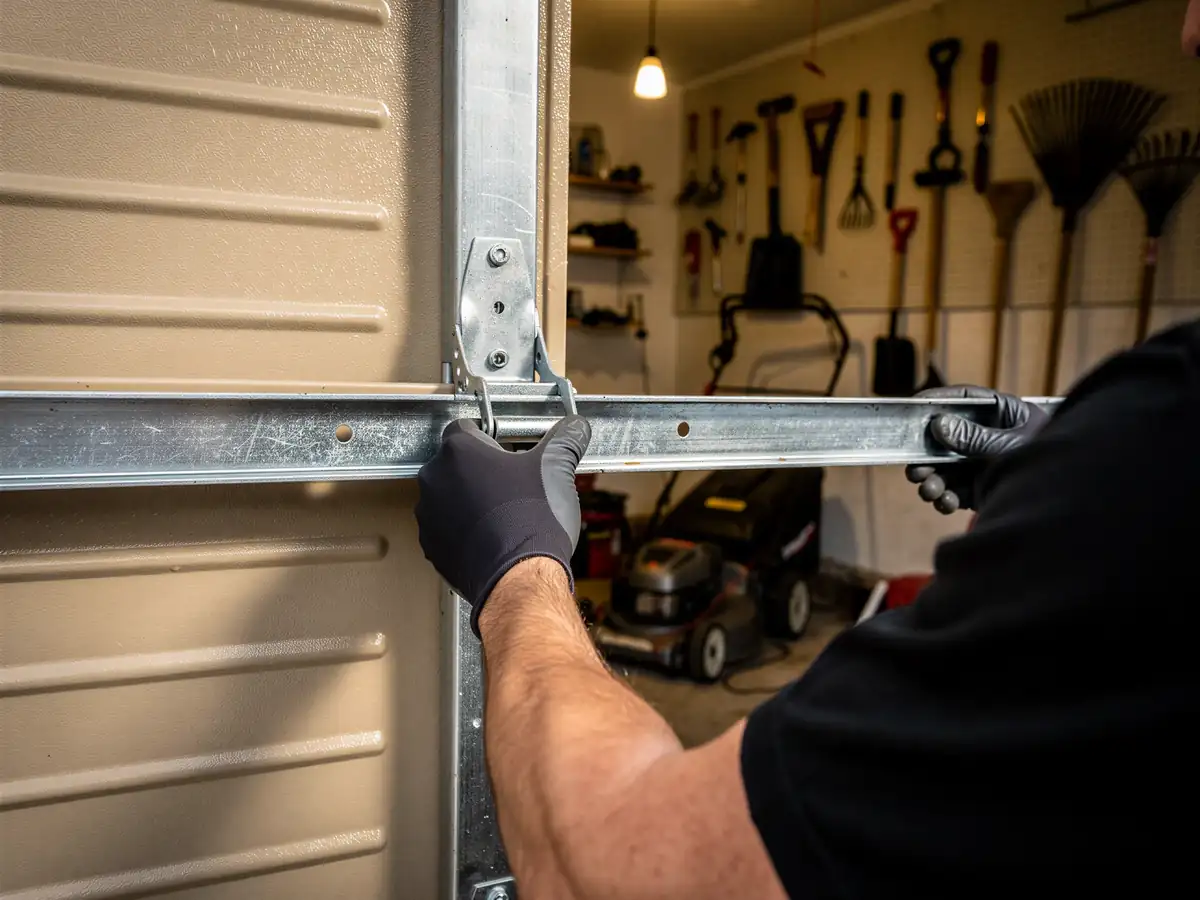
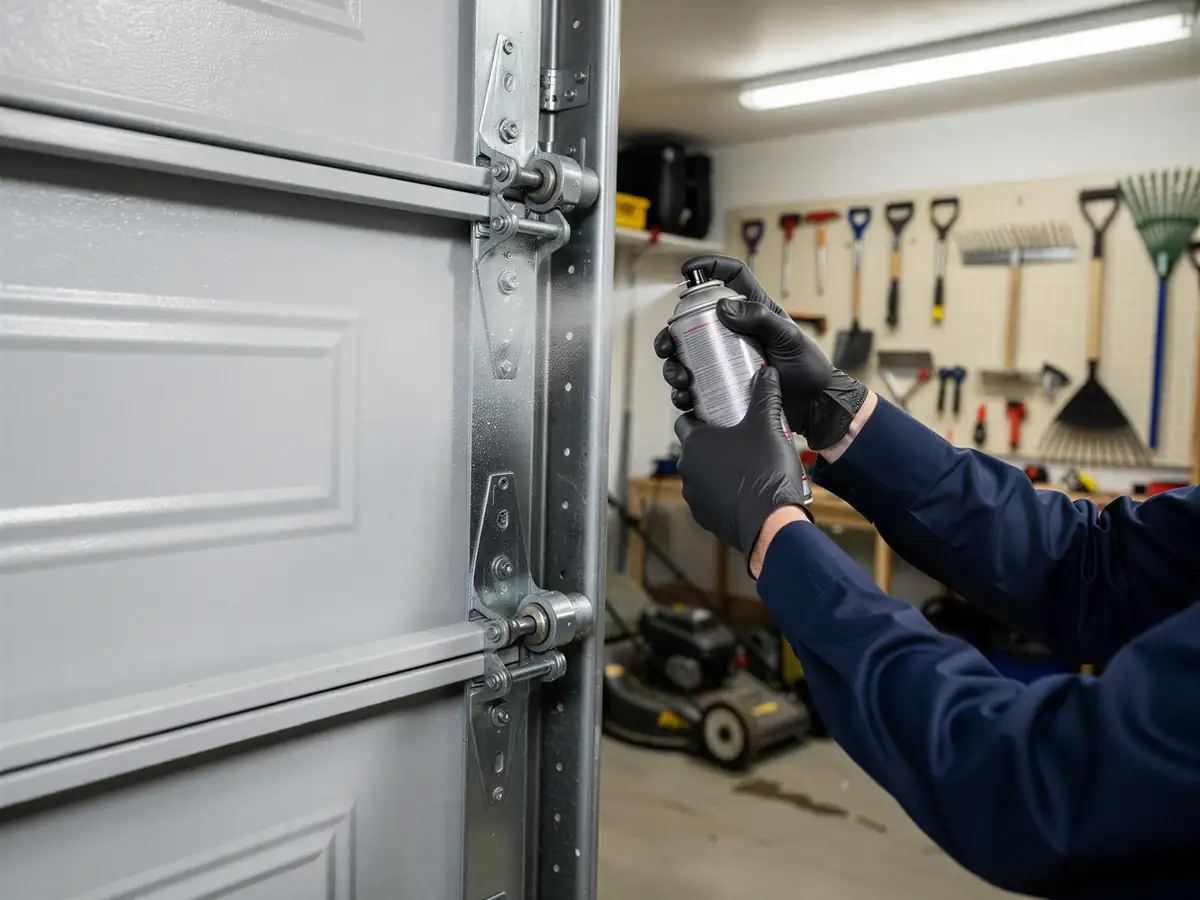
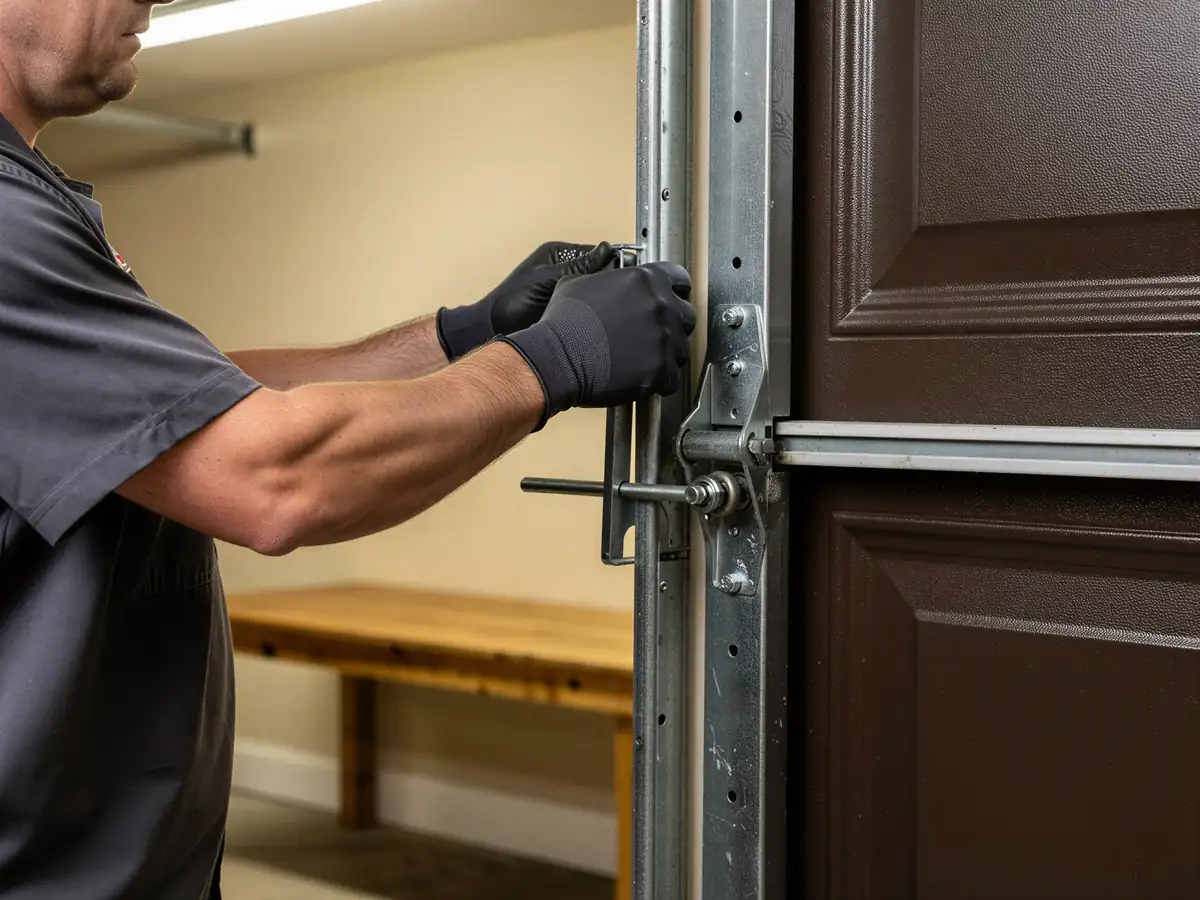
First we check whether the track is bent or just loose. On the newer builds common in Patterson, the vertical track sections are often held with fewer, lighter brackets than you'd find on an older door, so a bracket that's worked loose over the years is a common cause - the door rides fine until it hits that soft spot and jumps. If the track is straight, we reset the rollers, tighten the brackets back to the jamb, and run the door a dozen times watching the roller path before we call it done.
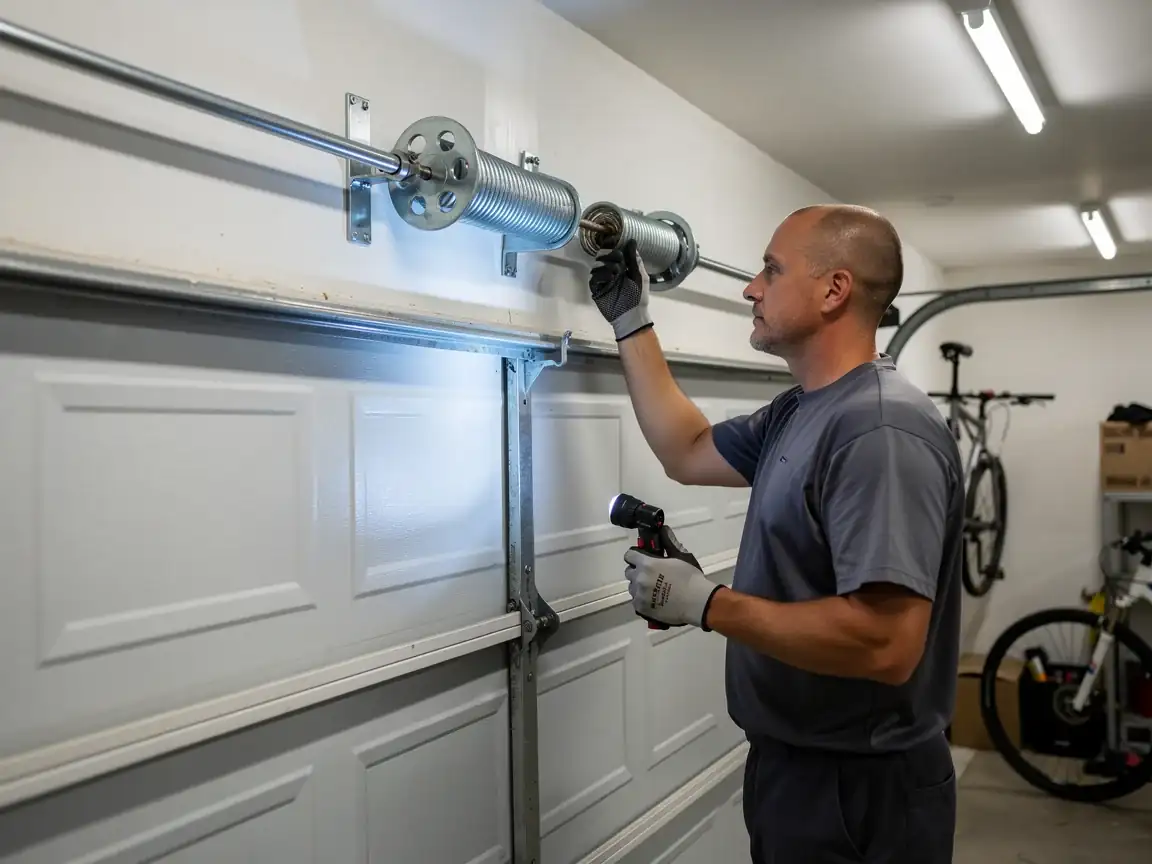
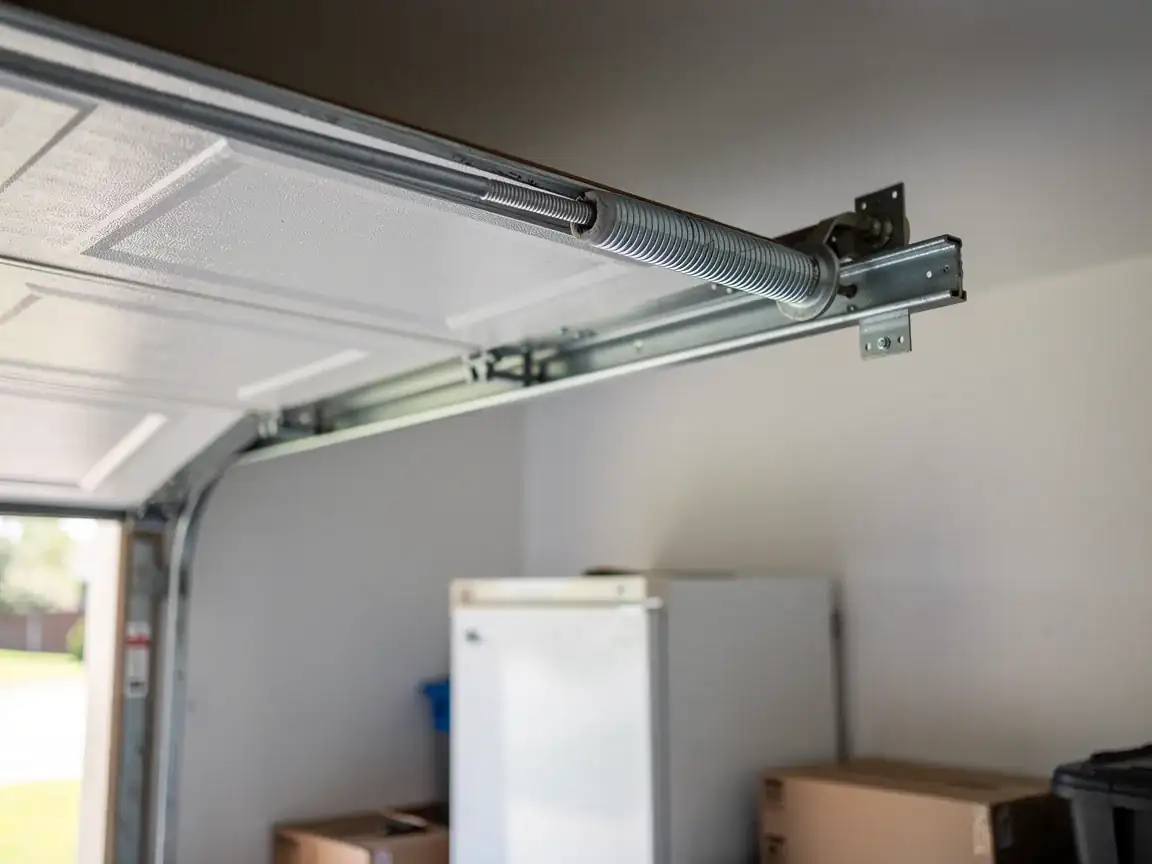
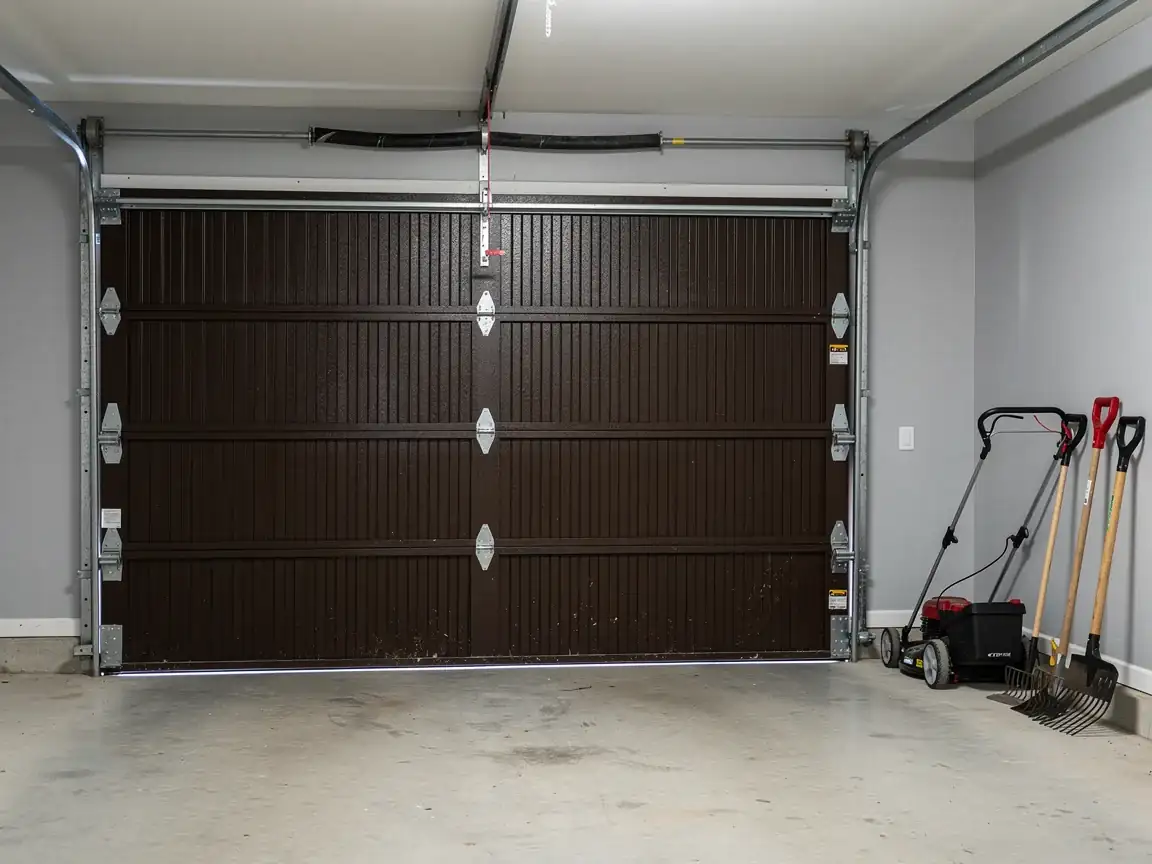
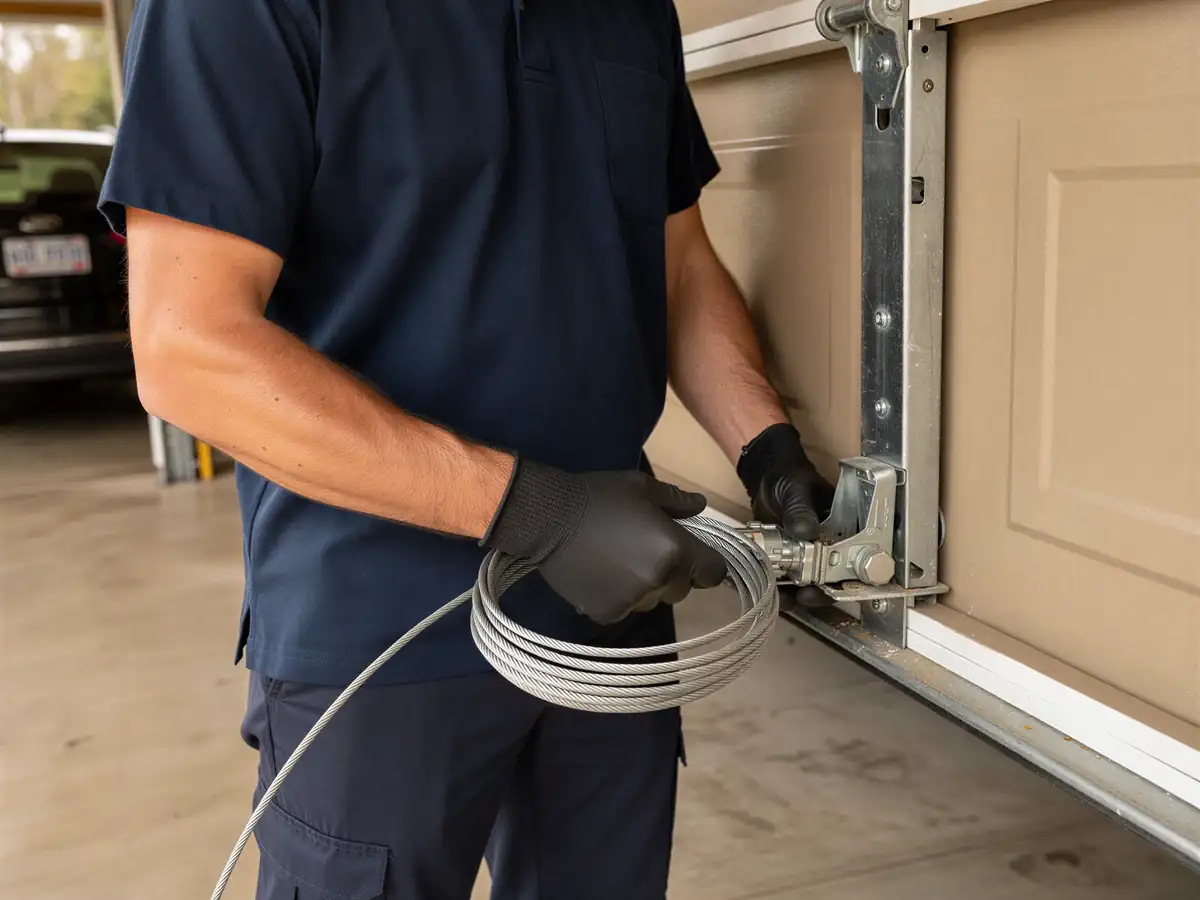
If the track itself is bent - usually from an impact, not age, given how new most of this housing is - bending it back is a temporary patch at best. We replace that section. We also check the cable drums and the bottom brackets on both sides, because an off-track door almost always drags one cable wrong even for a few cycles, and a cable that's jumped its drum groove is its own problem waiting to happen. We don't close up a job without running the door under its own opener, not just by hand, since that's the only way to catch a roller that's about to walk again.
The DIY Question
You can usually push a door back onto its track yourself if it's only off by an inch or two and the opener isn't fighting it - kill power to the opener first, always. What you can't safely judge from the ground is whether the track bent. A track that looks straight from six feet away can be off by enough to keep knocking the door loose every few weeks, and forcing a bent track back into place by hand usually just moves the bend somewhere else.
We'll say the honest thing here: if your door keeps coming off the same spot on the track every month or so, that's not a DIY fix, no matter how easy the reset feels each time. That's a bracket or a track section that needs to come off and get replaced, and doing it wrong on a torsion-spring door is how people get hurt. If it's a single, one-time slip with no repeat, pushing it back on is fine. If it's become a pattern, call it in instead of resetting it again.
What You Are Seeing
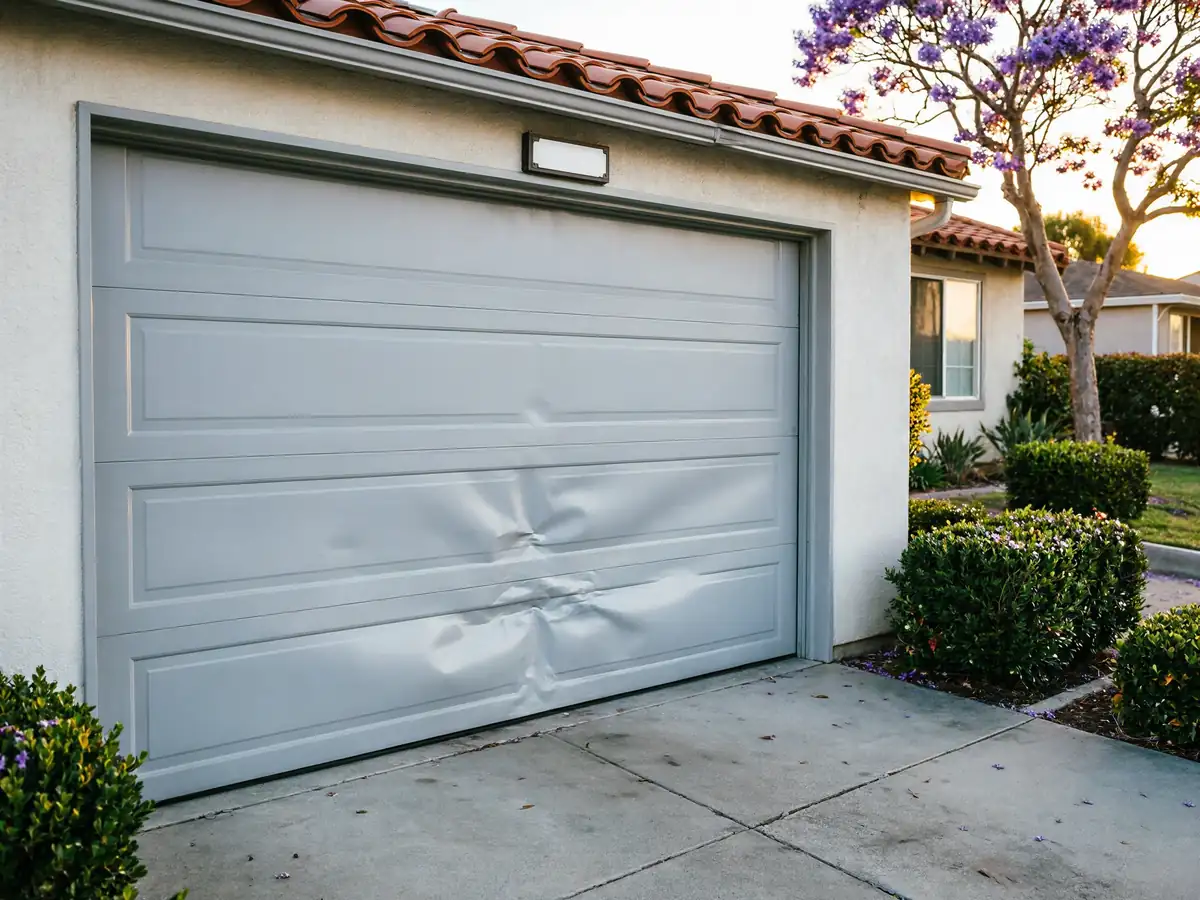
The door looks crooked in the opening, or one side rides higher than the other as it closes
Sometimes there's a grinding sound right before it sticks - that's a roller catching the edge of the track instead of running inside it. On Patterson's newer housing stock, this usually traces back to a bracket that's worked loose rather than old hardware fatigue, since most of these doors haven't had the decades of cycles that cause wear-driven failures elsewhere in the area.
Heat plays a role too
This area sits in a severe-heat climate band, and summer expansion on metal track and jamb framing can shift a bracket's hold just enough that a door that ran fine all spring starts jumping its track in July. It's a small shift, but it's enough. If you're seeing the door hesitate at the same height every time, that's the spot to look at first before it comes fully off the track.