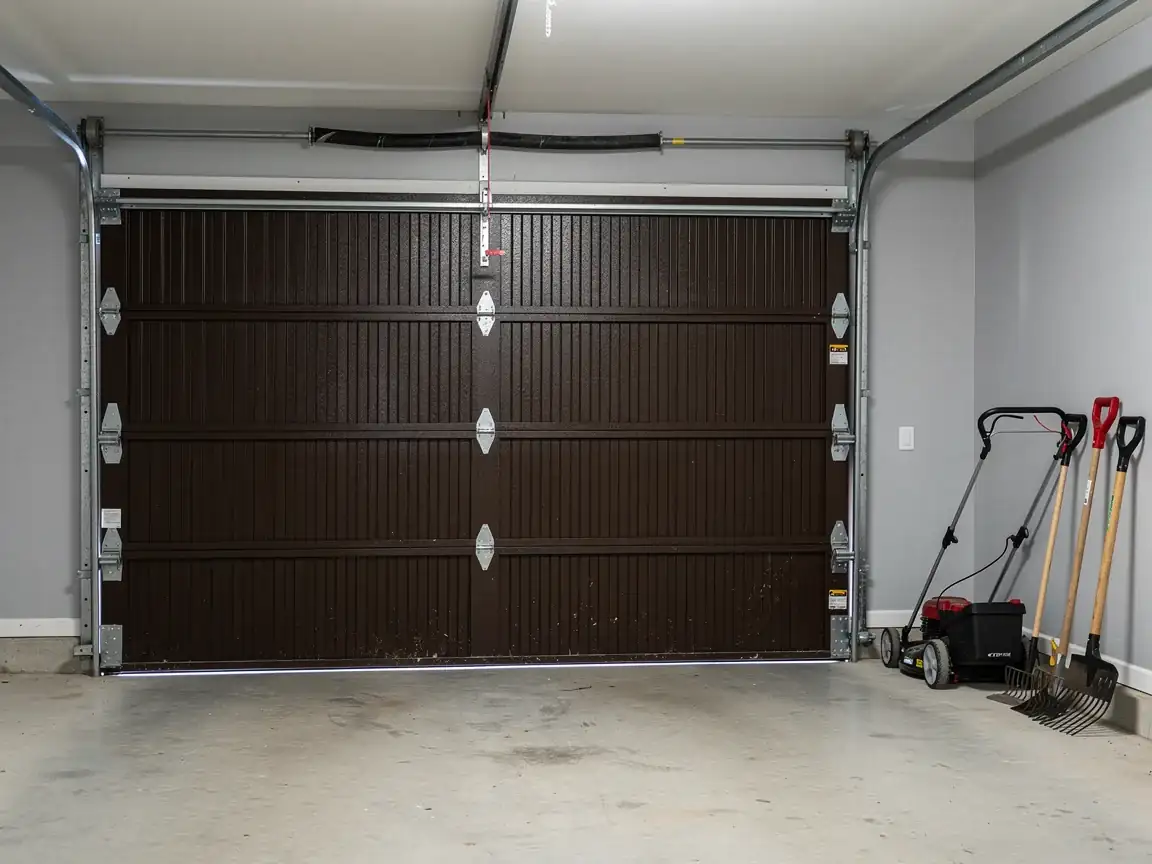
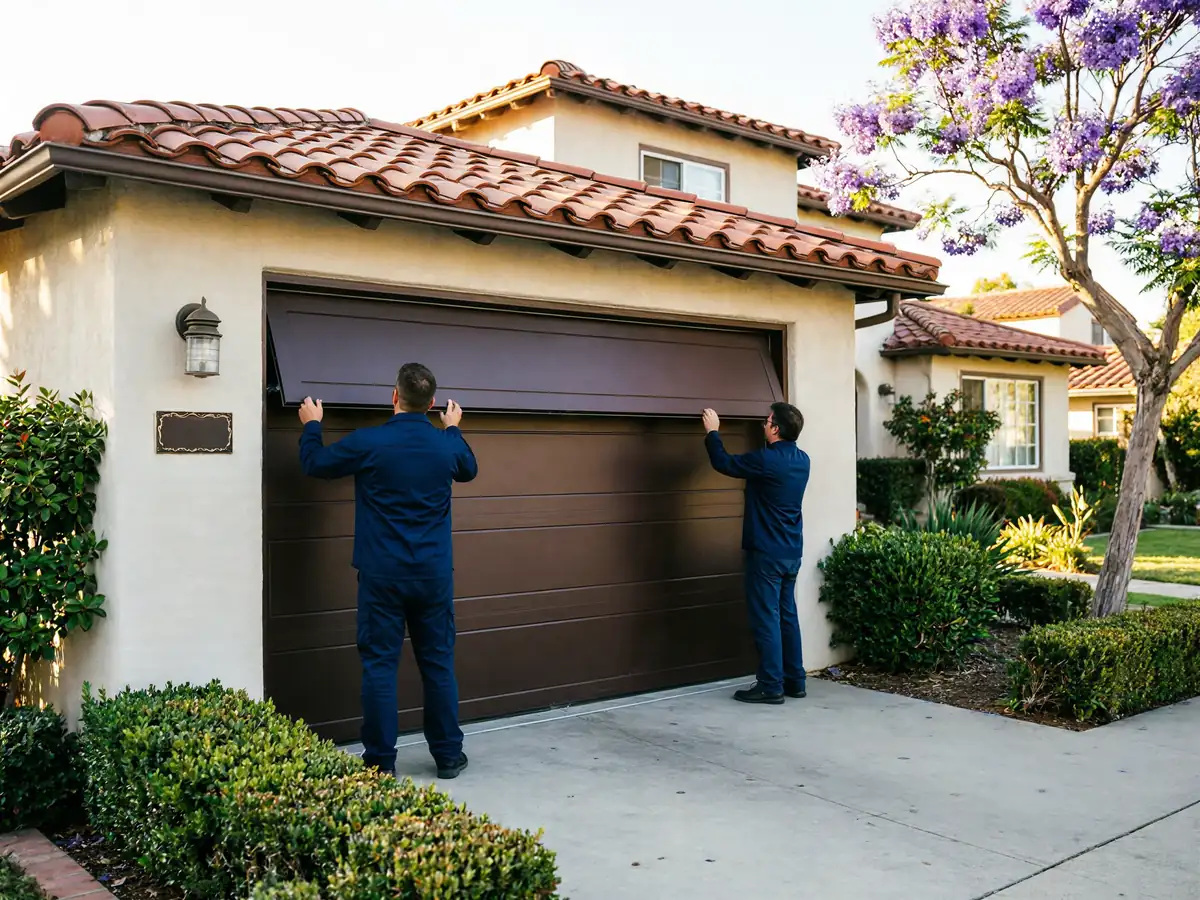
Patterson homes mostly date to the late 1990s and 2000s, which means newer torsion springs and steel panels - but the Central Valley heat still wears them out. We travel from Modesto.
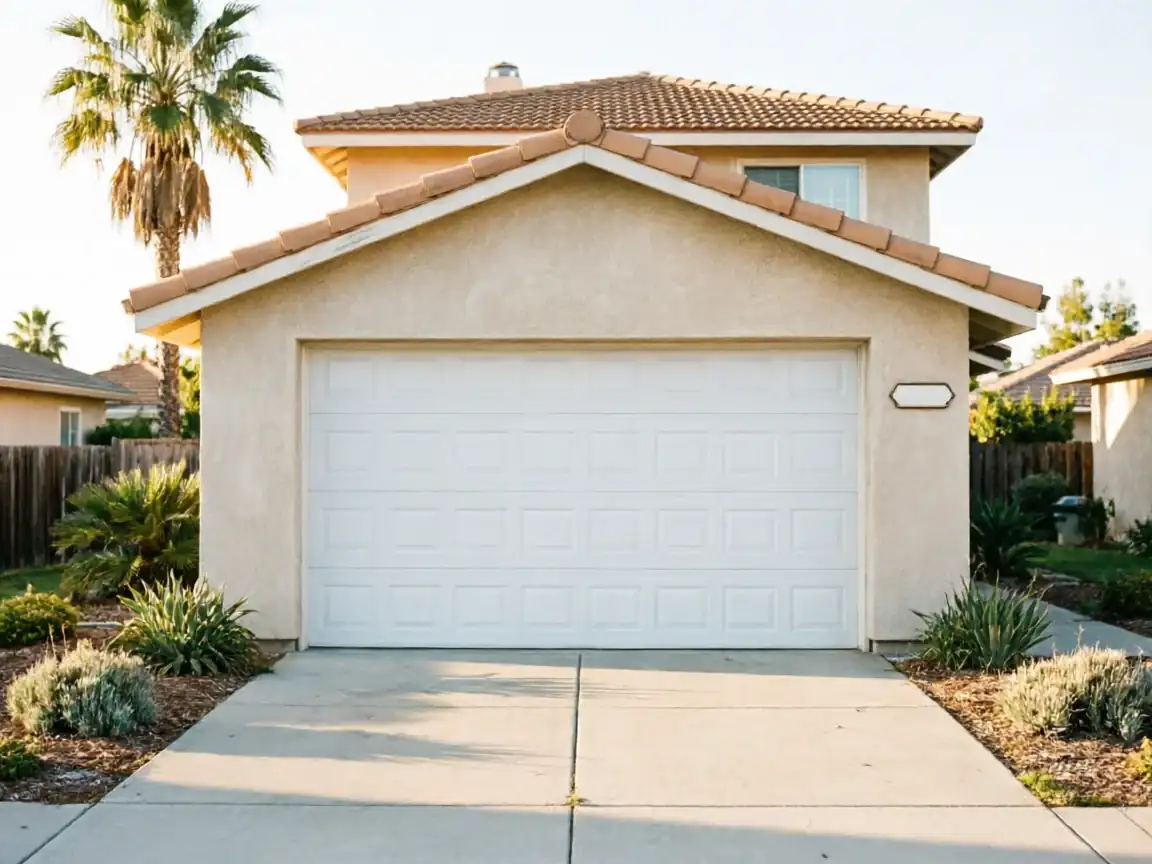
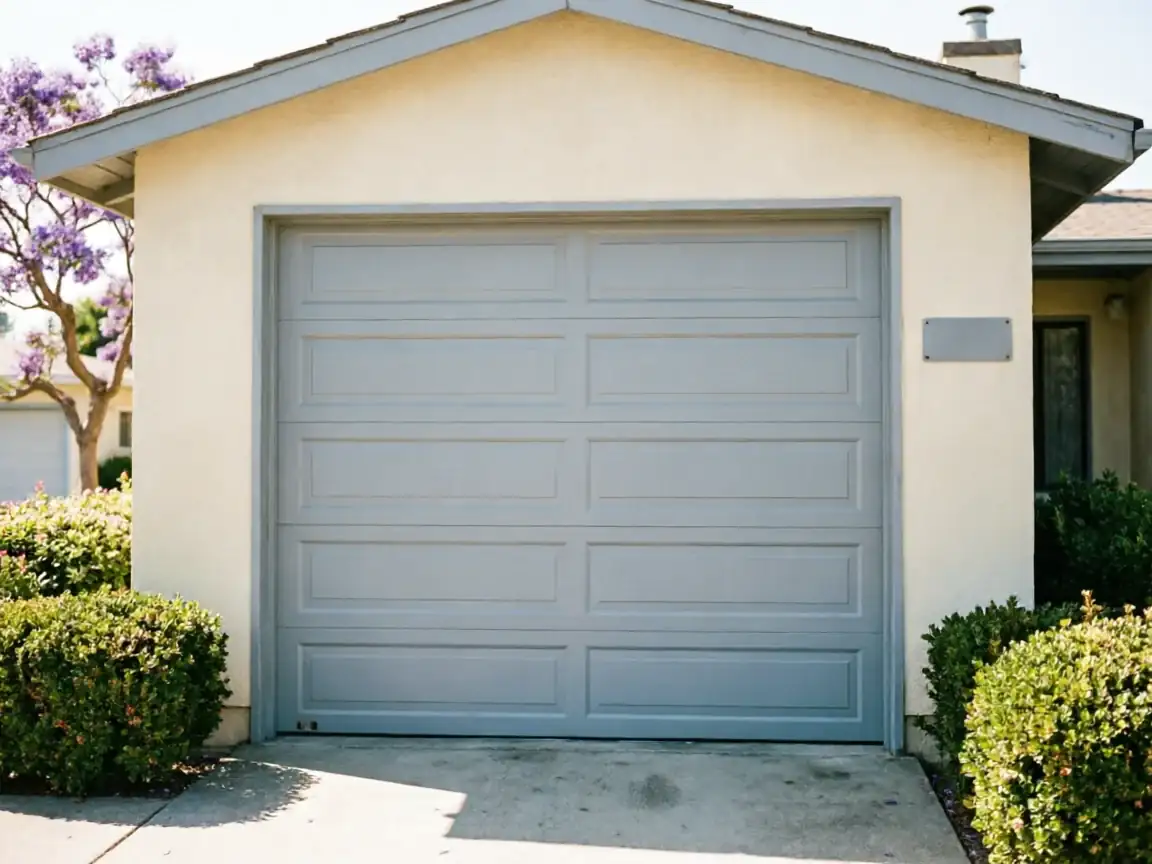
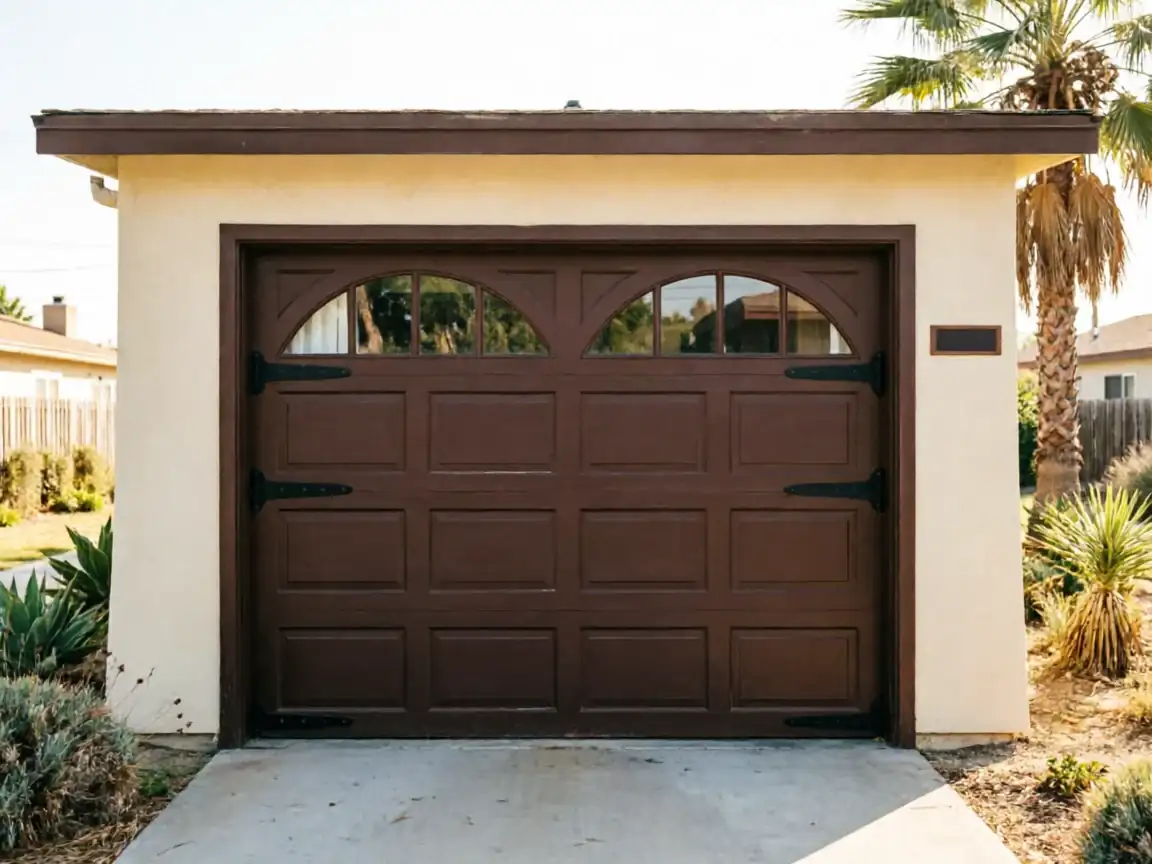
Patterson's housing stock is younger than a lot of what we see closer to Modesto - the median build year here lands around 2000, a good decade or more past the 1945-2000 range that covers most of the wider service area. That matters for cost because newer construction usually means factory steel doors on standard torsion springs, not the oddball side-mounted extension setups you find in older neighborhoods. Parts for a 2000s-era door are common stock, which keeps a spring swap or roller replacement from turning into a special-order wait. We don't quote a flat number here because panel damage, opener age, and track condition all move the price, but a straightforward torsion spring job on a door this age is a parts-and-labor job, not a custom-fabrication one. Where it gets more expensive is when a homeowner has let a bent track or a worn cable ride along for months - that turns a single-part fix into a multi-part one. If you're calling around for a number before we've looked at the door, be skeptical of anyone quoting a firm price over the phone without seeing the spring size, the door weight, or the opener model. We'd rather look first.
What the Fix Involves
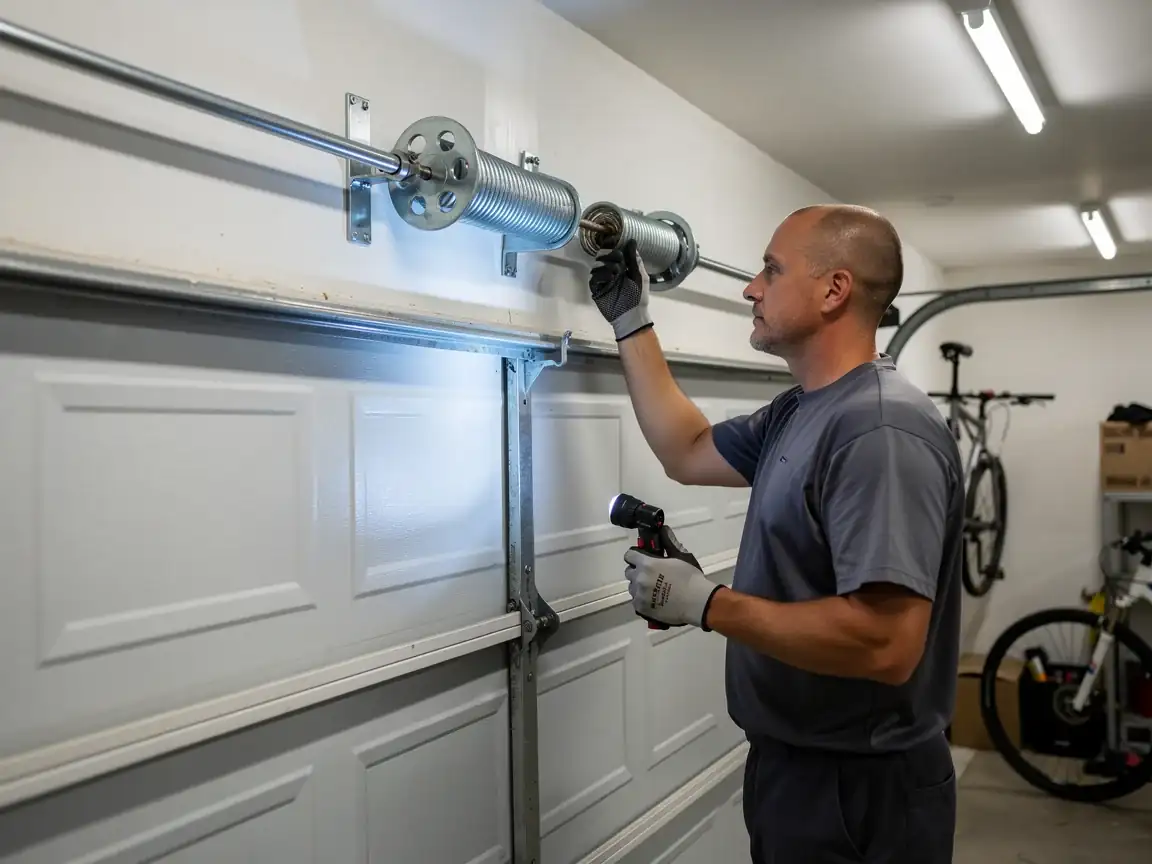
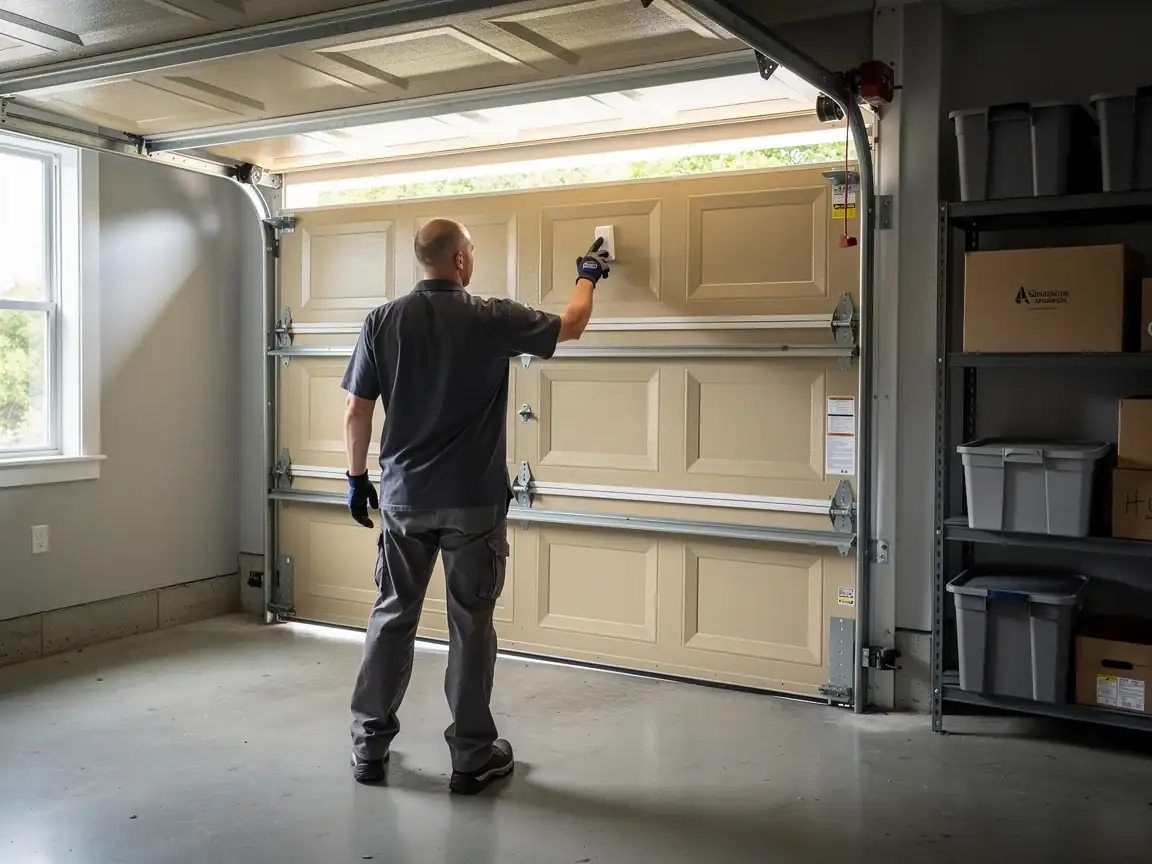
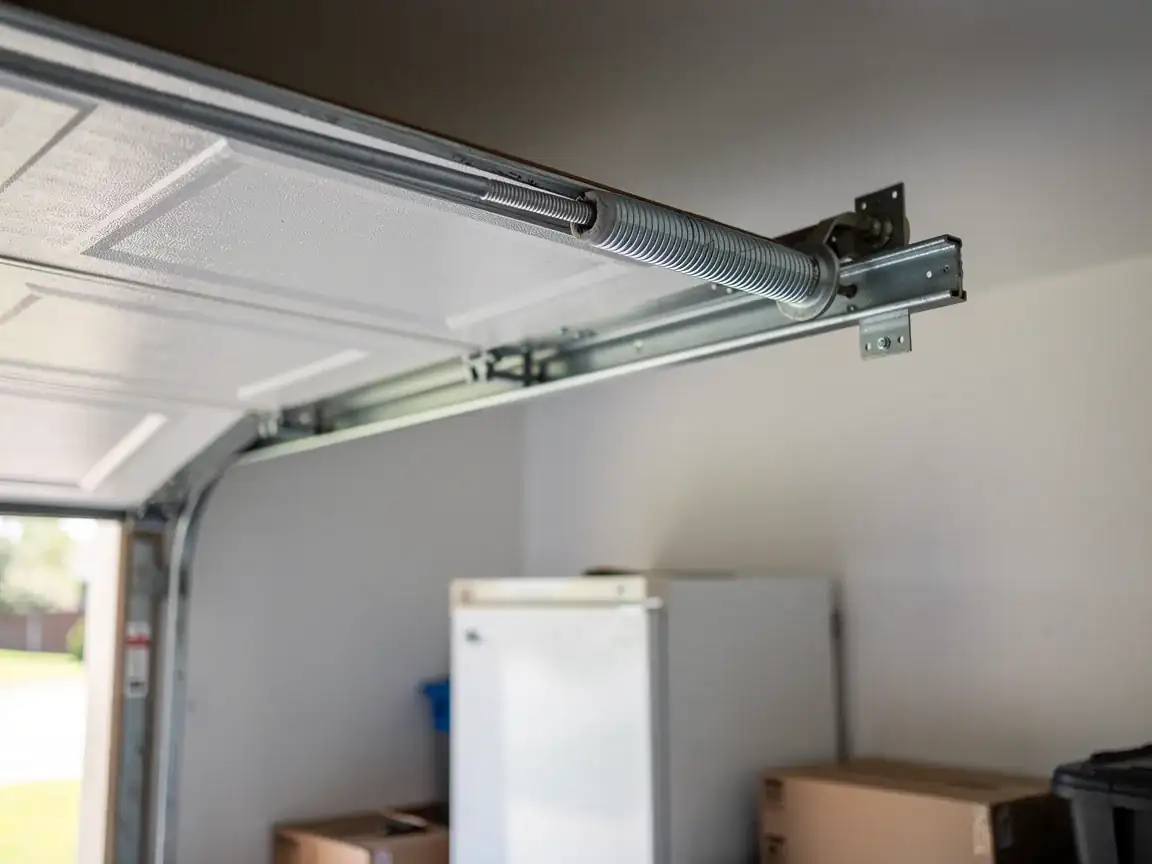
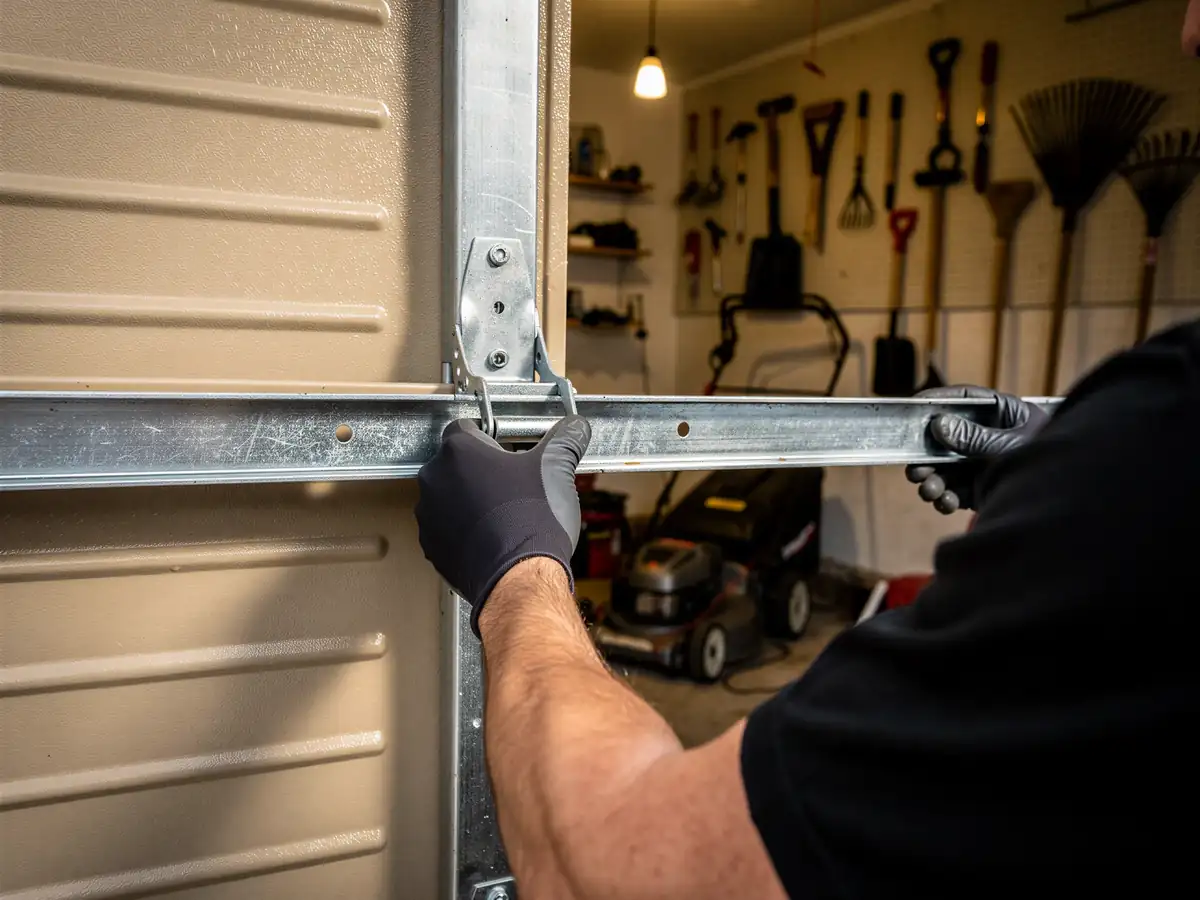
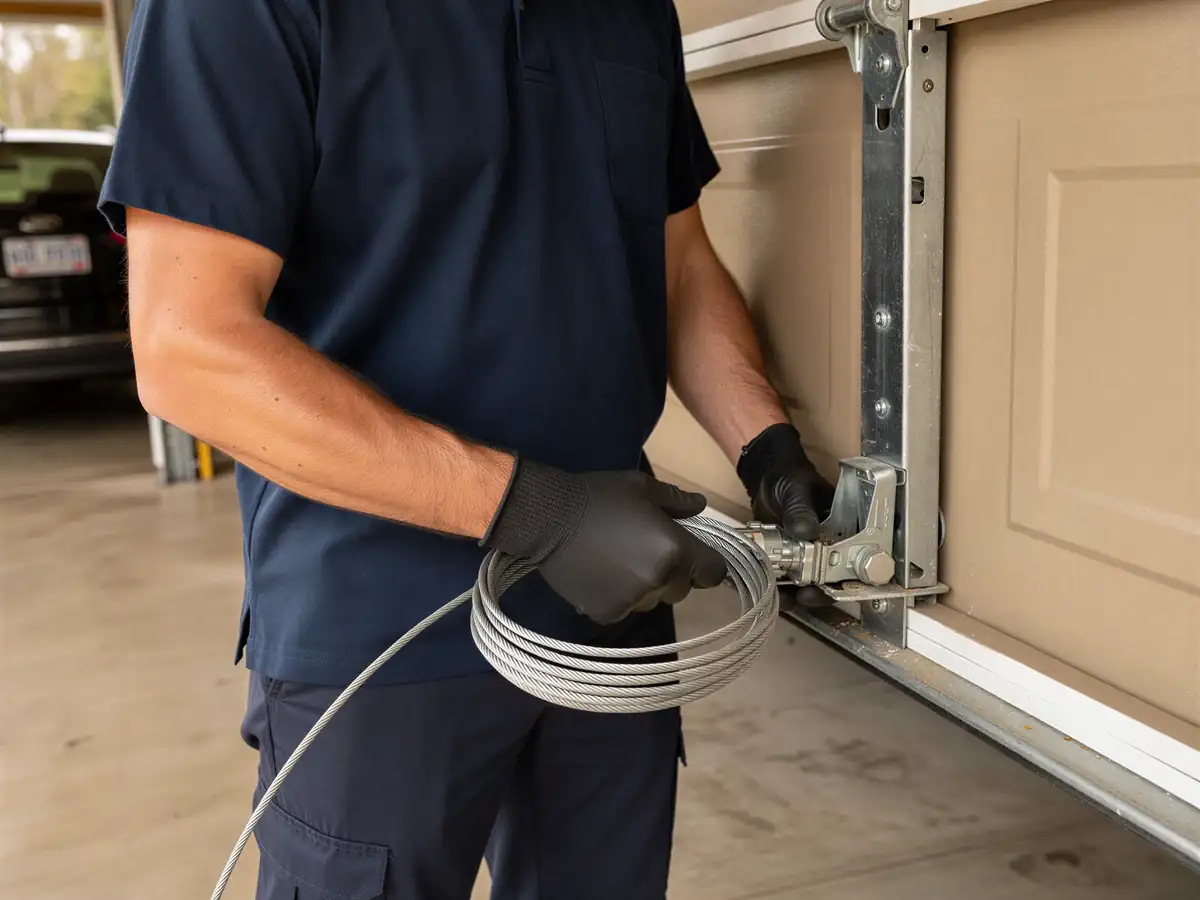
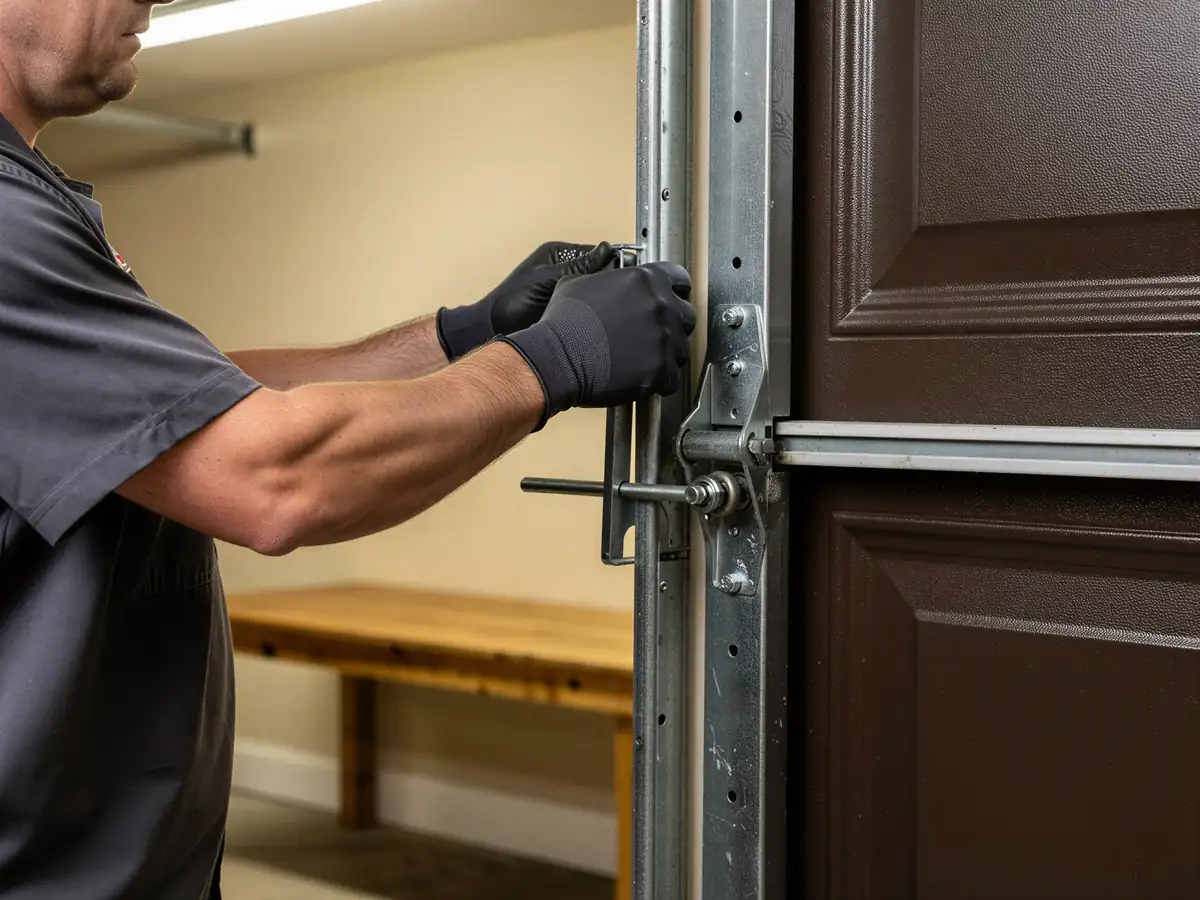
On a door built around the turn of the century, the most common call is a torsion spring that's reached the end of its cycle life or an opener whose gears have worn down from Valley heat cycling the garage temperature hard, day after day. The region sits in a severe heat climate band, and repeated expansion and contraction is tough on lubrication, on plastic opener gears, and on the glue holding weatherstripping to the door bottom. The fix usually starts with pulling the old spring off its winding cone, matching wire size and wind direction, and setting the new spring to the door's actual weight - not a guess. If the opener is the problem, we check the drive gear and the circuit board before replacing the whole unit, since a 2000s-era opener often just needs one part, not a full swap. We also check the track alignment and roller condition while we're in there, since a door that's been fighting a bad spring for months usually has a roller or two worn out from running under tension it wasn't built for.
The DIY Question
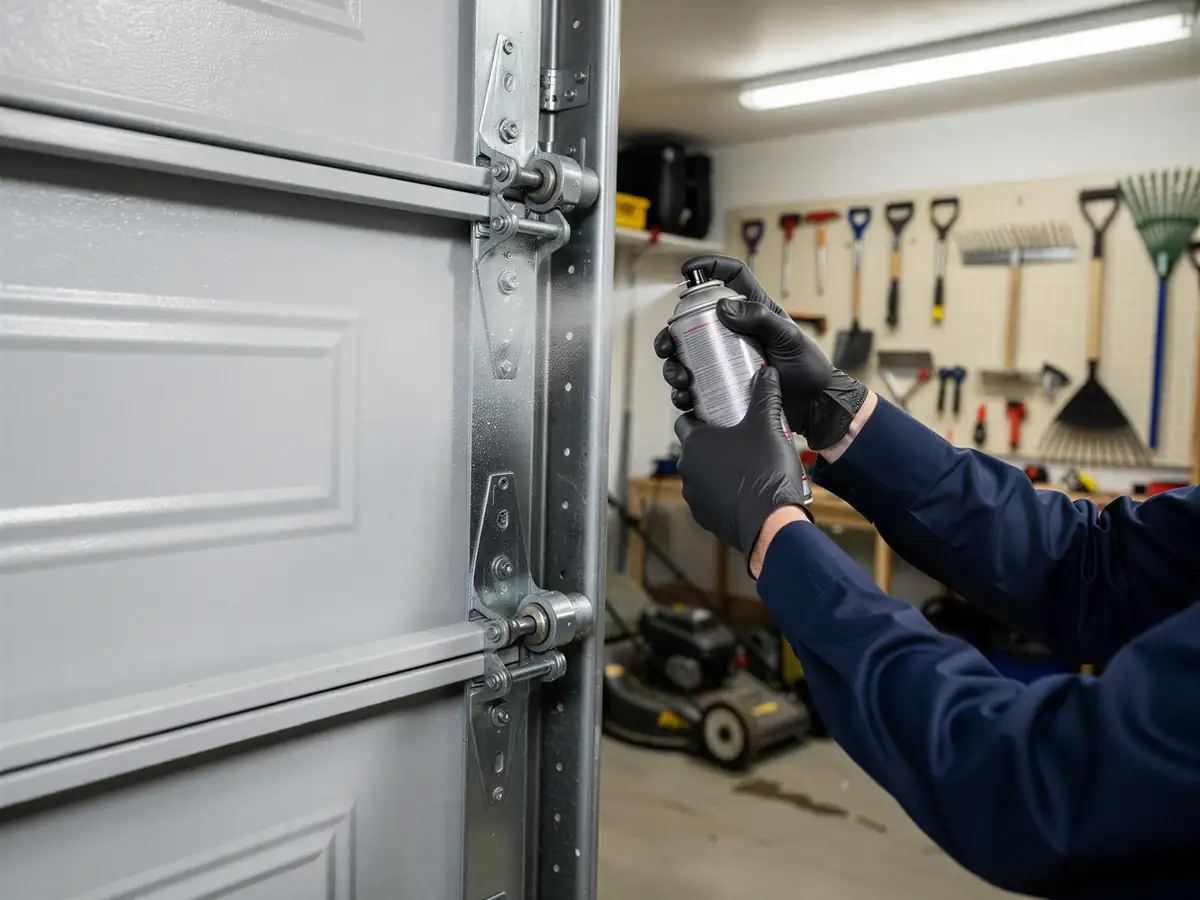
A torsion spring is under enough stored tension to break a bone or worse, and that doesn't change because the door is fifteen or twenty years old instead of forty. What does change with a newer door is that the parts are standard-size and well documented, which tempts more homeowners to try it themselves. We'd still say don't, at least not for the spring. Where DIY makes sense on a Patterson-era door is cosmetic stuff - tightening hinge bolts, lubricating hinges and rollers, clearing a photo-eye sensor that's gotten dusty from a dry Valley summer. Those are five-minute jobs with no stored energy involved. The spring, the cable, and anything involving the winding cones is where we draw the line, and it's not because we want the work - it's because the failure mode is a trip to urgent care, not a redo.
What You Are Seeing
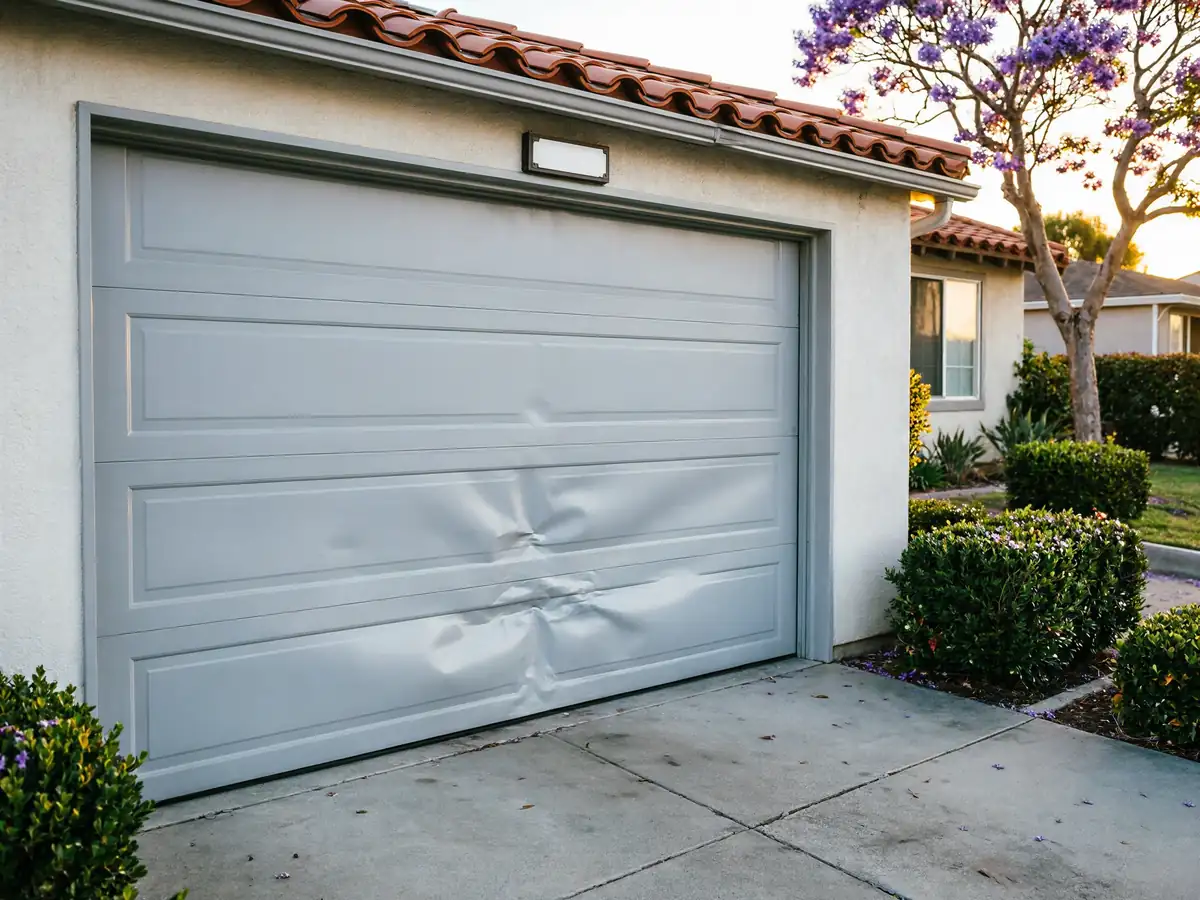
If your door is slamming the last six inches instead of lowering evenly, that's almost always a spring that's lost tension - on a door this age it's wear, not a defect, since even a well-built spring has a rated cycle count. A door that opens fine but won't close, or reverses right before it touches the floor, usually points to the opener's limit settings or a photo-eye that's gotten knocked out of alignment, which is a common complaint after a hot summer causes the bracket to expand and shift slightly. Grinding or popping from the top of the door frame is often a cable starting to fray where it meets the bottom bracket. None of these are emergencies on a parked car, but a door that's stuck open is a security problem and a door that's stuck shut with a car behind it is worse - those are the two situations worth calling about the same day rather than waiting.
How it works
From “it’s stuck” to “it’s fixed”
01
Tell us what’s wrong
Describe the symptom - won’t open, loud bang, opener runs but the door won’t move.
02
On-site diagnosis
A technician tests the door under power and by hand and finds what actually failed.
03
Clear, up-front plan
You get the fix that’s needed and what drives the cost - before any work starts.
04
Repaired & tested
The repair is done, the door is set true and tested, and the work area left clean.
Not sure which repair your door needs in Modesto, CA? Describe what it’s doing - every job starts with a diagnosis.
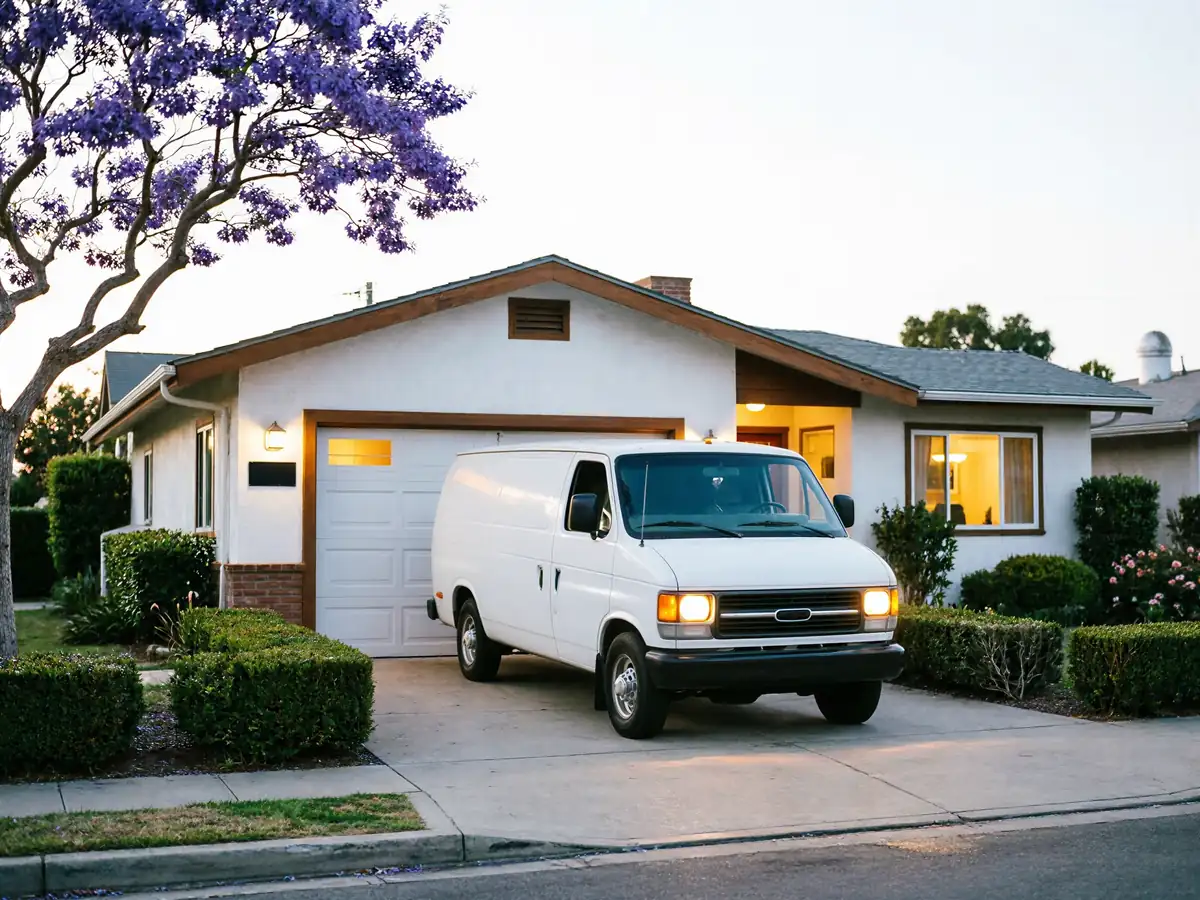
About 14 miles. We travel from Modesto to handle calls in Patterson; there's no separate branch or depot here, so factor the drive into scheduling rather than expecting a same-hour arrival.
Are Patterson garage doors different from older Modesto homes?
Often, yes. Patterson's housing skews newer, with a median build year around 2000 versus the broader service area's 1945-2000 range, so doors here are more likely to have standard steel panels and common torsion hardware rather than older side-mounted extension springs.
Why does my opener keep failing in the summer?
The region sits in a severe heat climate band, and repeated heat cycling wears down opener gears, plastic components, and weatherstripping faster than in milder climates. It's a slow wear pattern, not a single cause, which is why openers on even fairly new doors can start acting up.
Can I replace a torsion spring myself if I buy the right size?
We don't recommend it. A torsion spring holds enough stored tension to cause serious injury even when it's the correct size and properly rated. The winding process itself, not just the spring's age or size, is where most DIY injuries happen.
Ready to get your garage door sorted?
Tell us what it’s doing and where you are in Modesto - we’ll take it from there.