What the Fix Involves
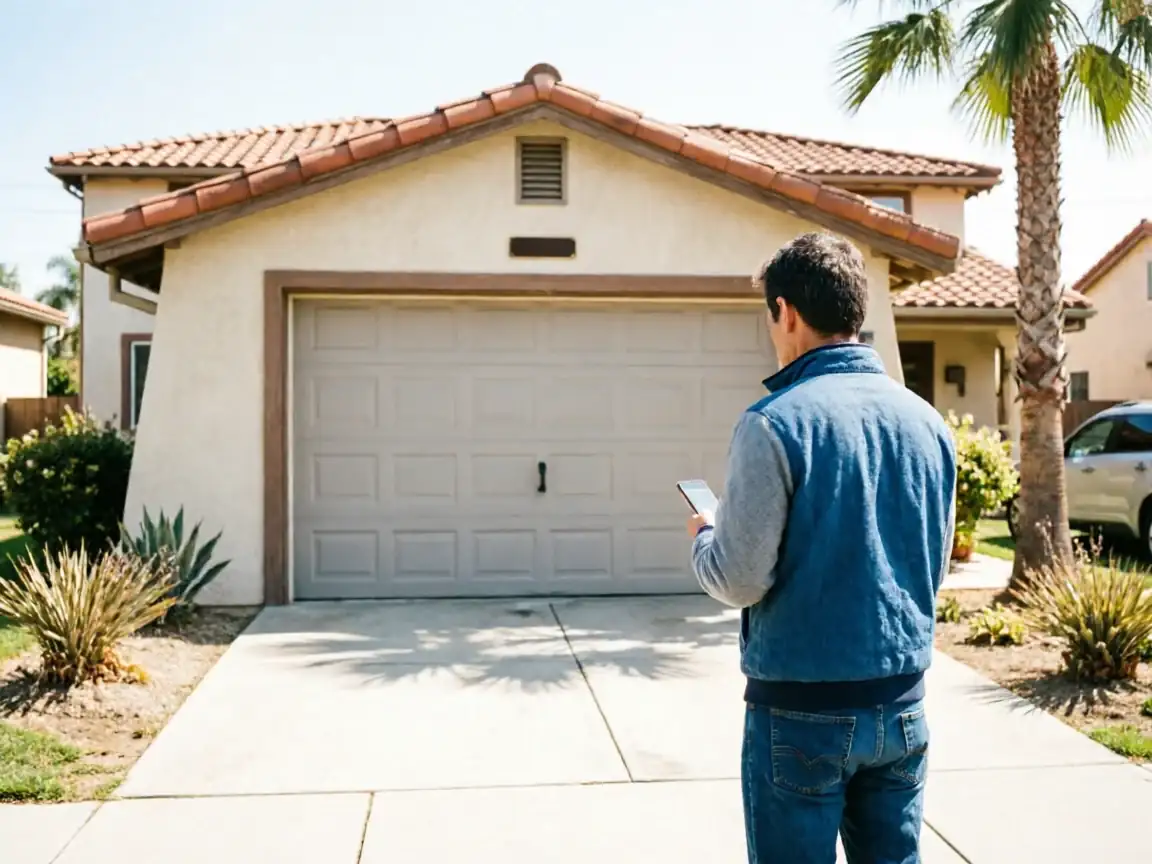
Riverbank sits about 7 miles from our Modesto shop
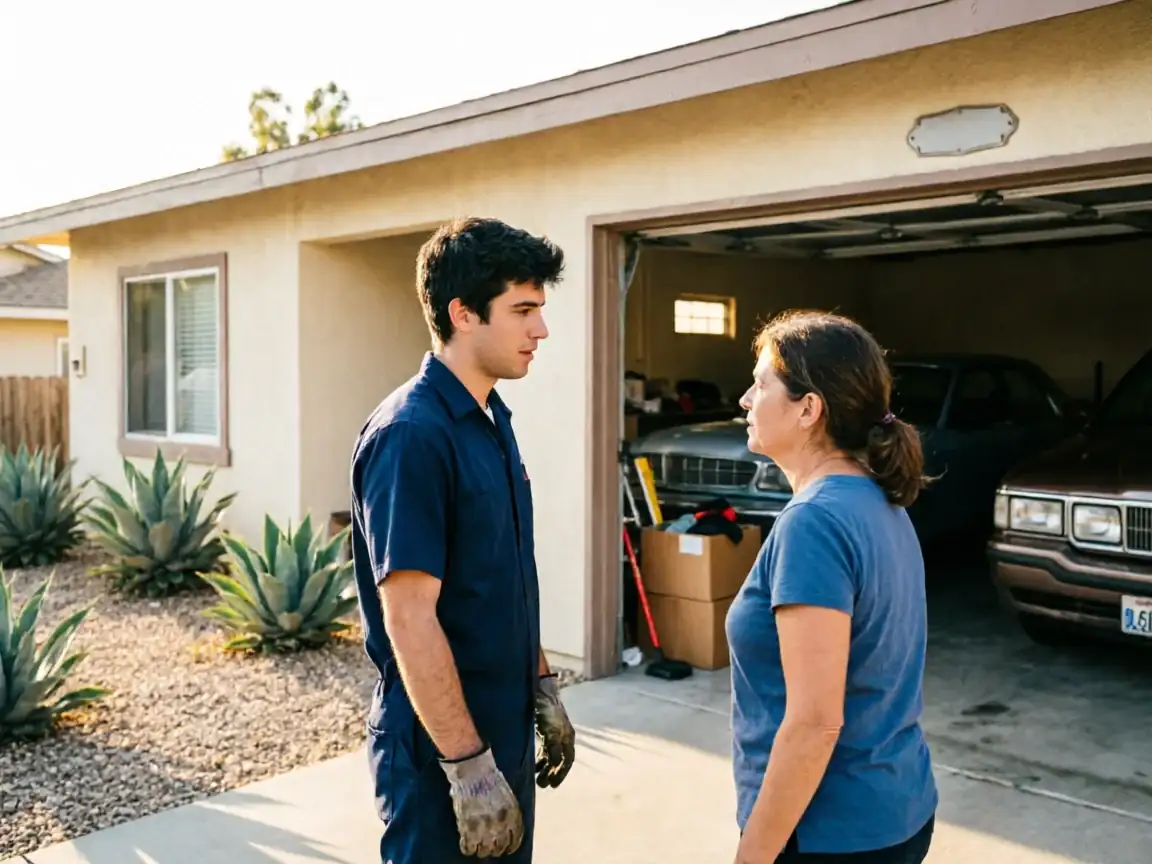
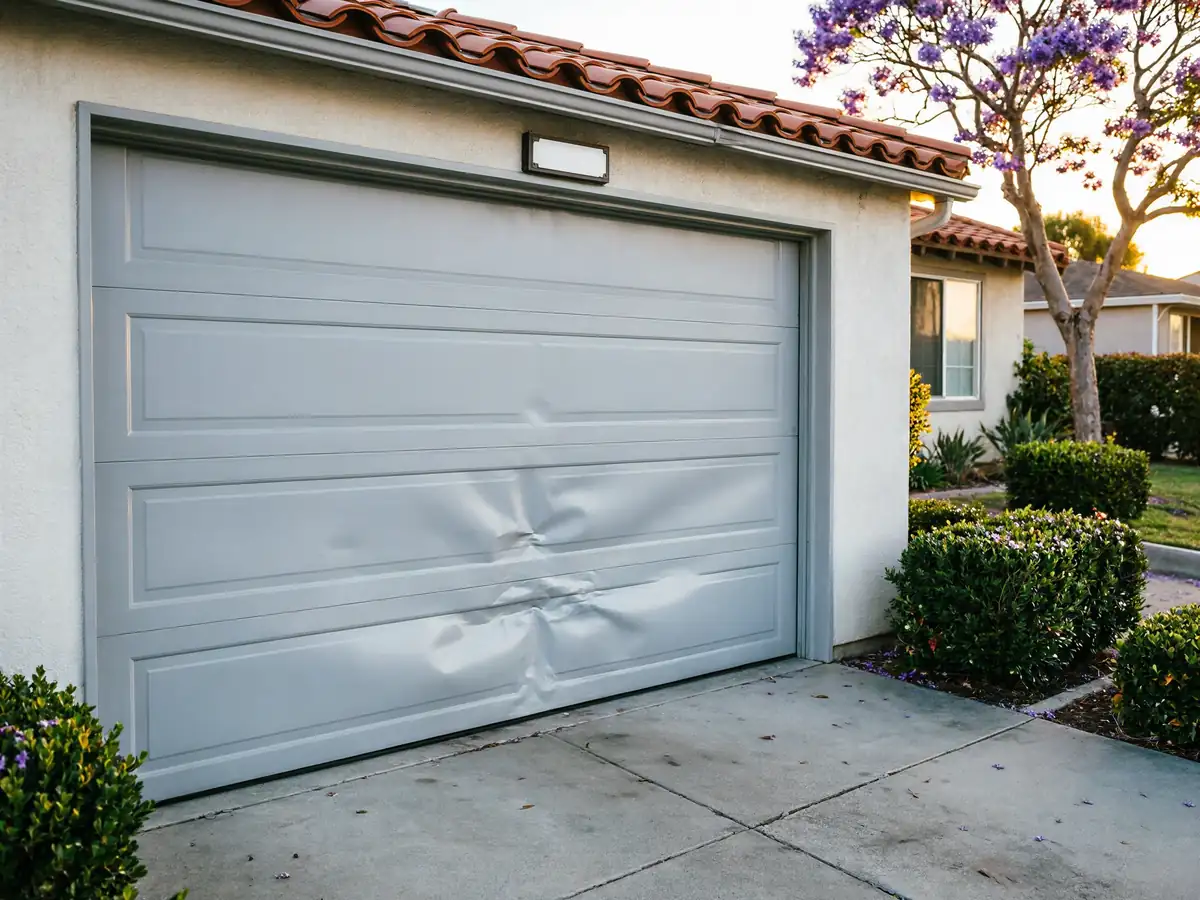
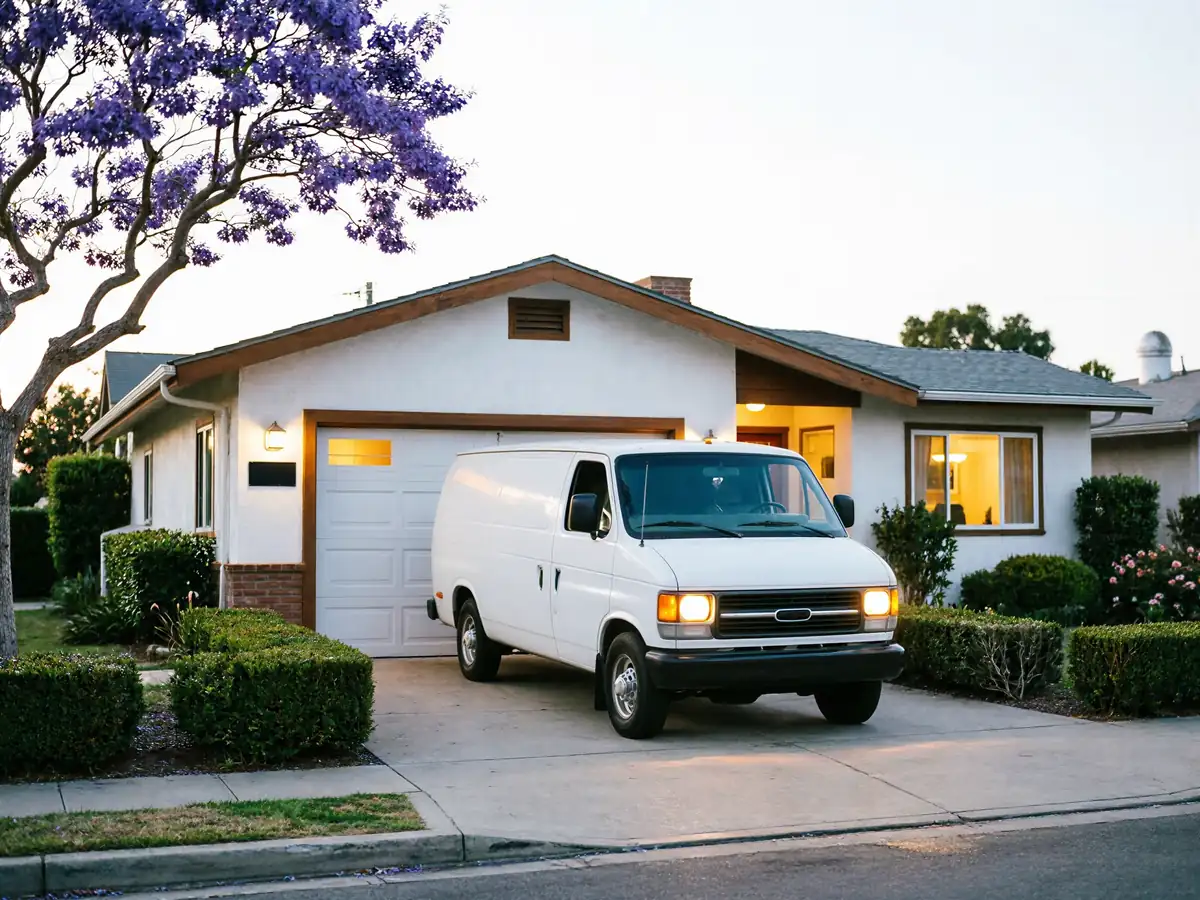
A 15-minute drive on a normal day, longer if we're coming off another call on the far side of the service area. That gap matters for one reason: when you call about a snapped or frayed cable, we're loading the truck before we head your way, not walking it over from a local yard. We ask what you're seeing - a door hanging crooked on one side, a cable curled up loose at the bottom bracket, a door that won't move at all - so we bring the right drum, the right cable length, and the right fasteners the first time instead of guessing.
- 7 miles
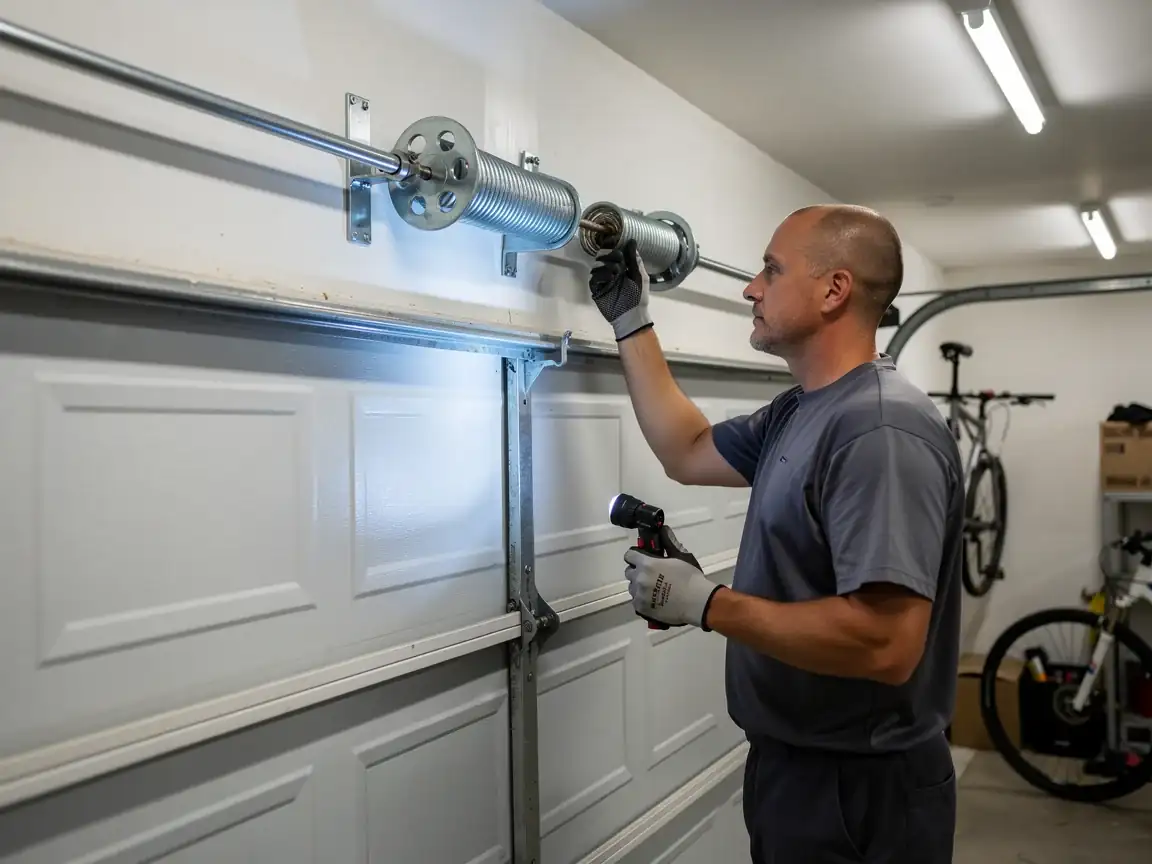
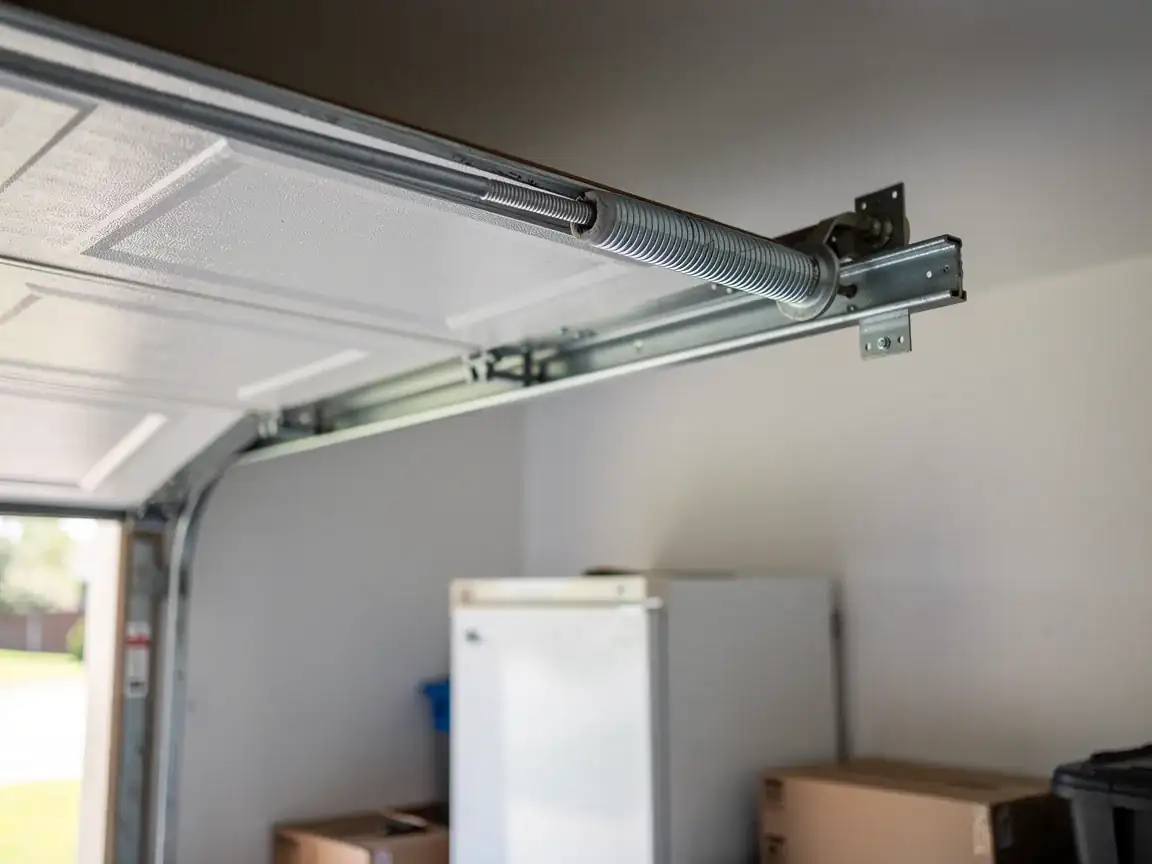
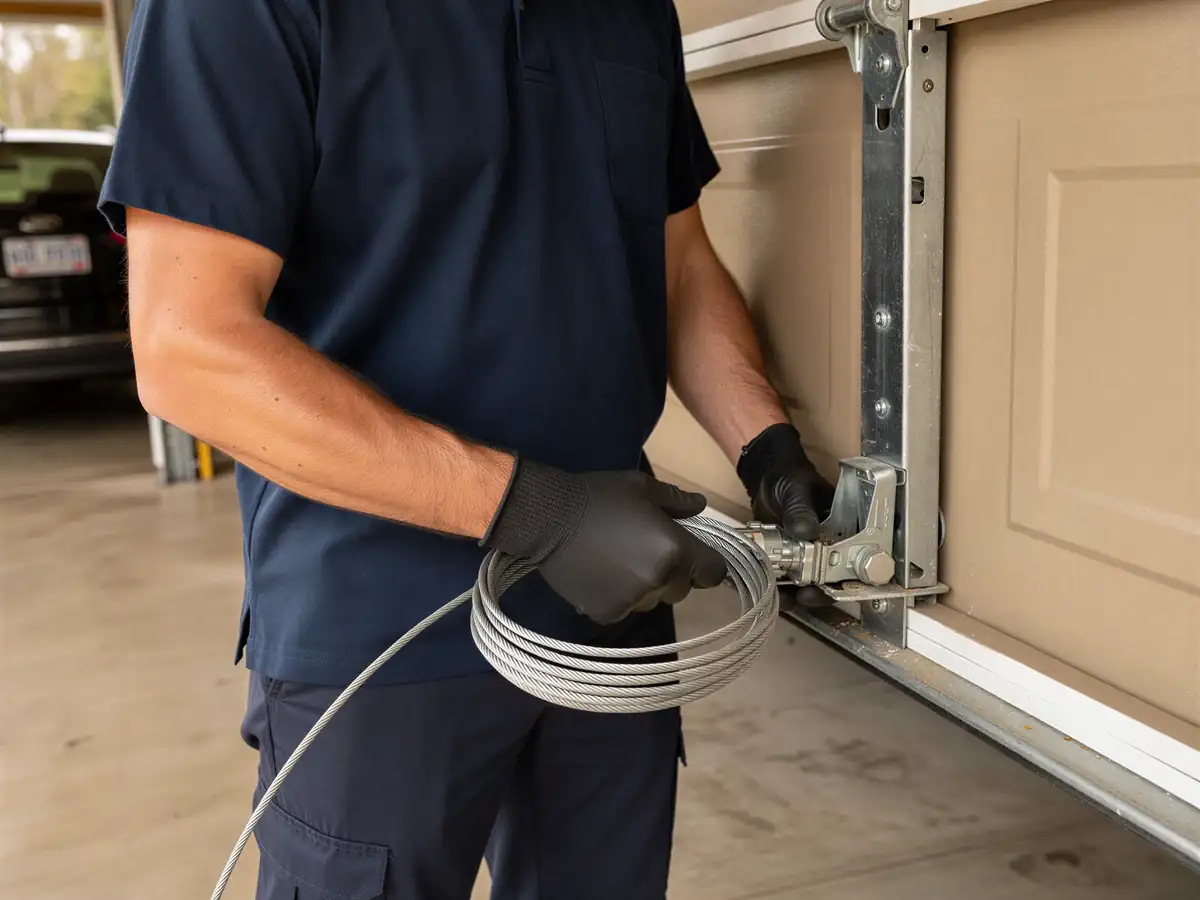
A lift cable repair means pulling tension off both springs safely
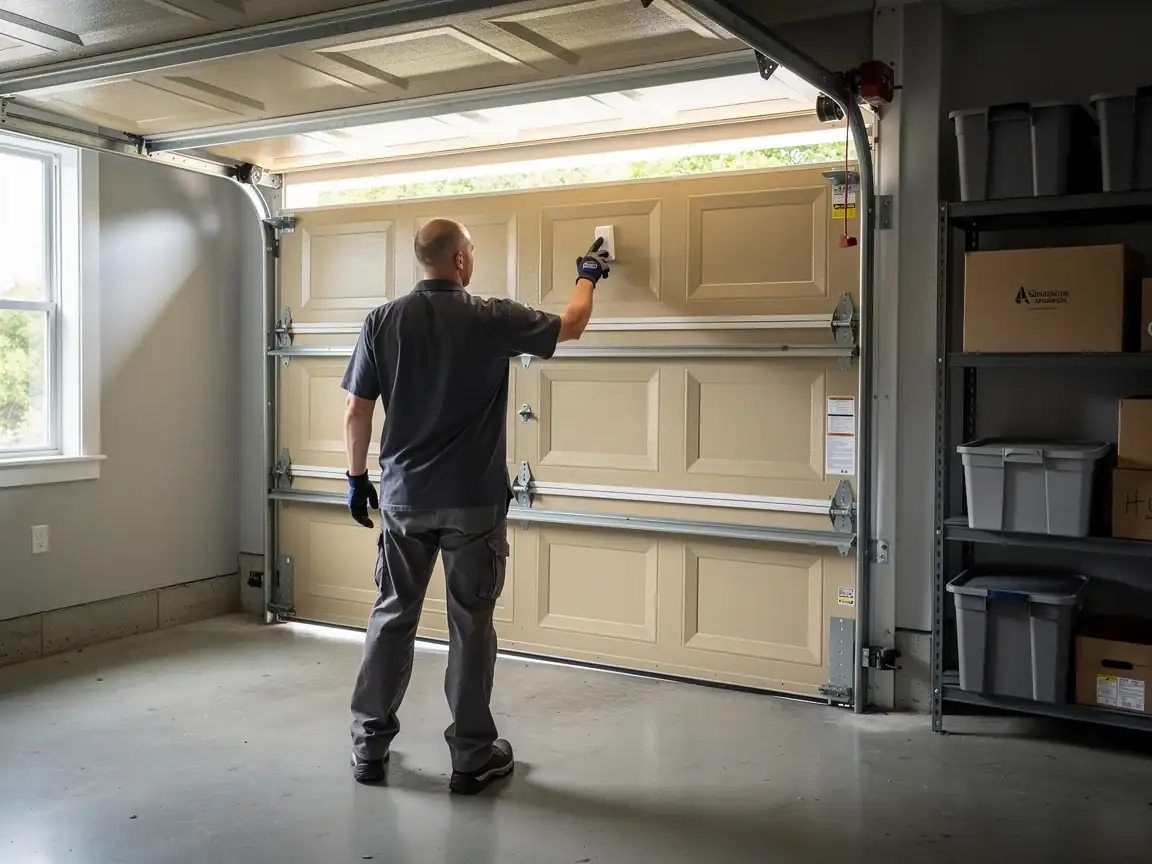
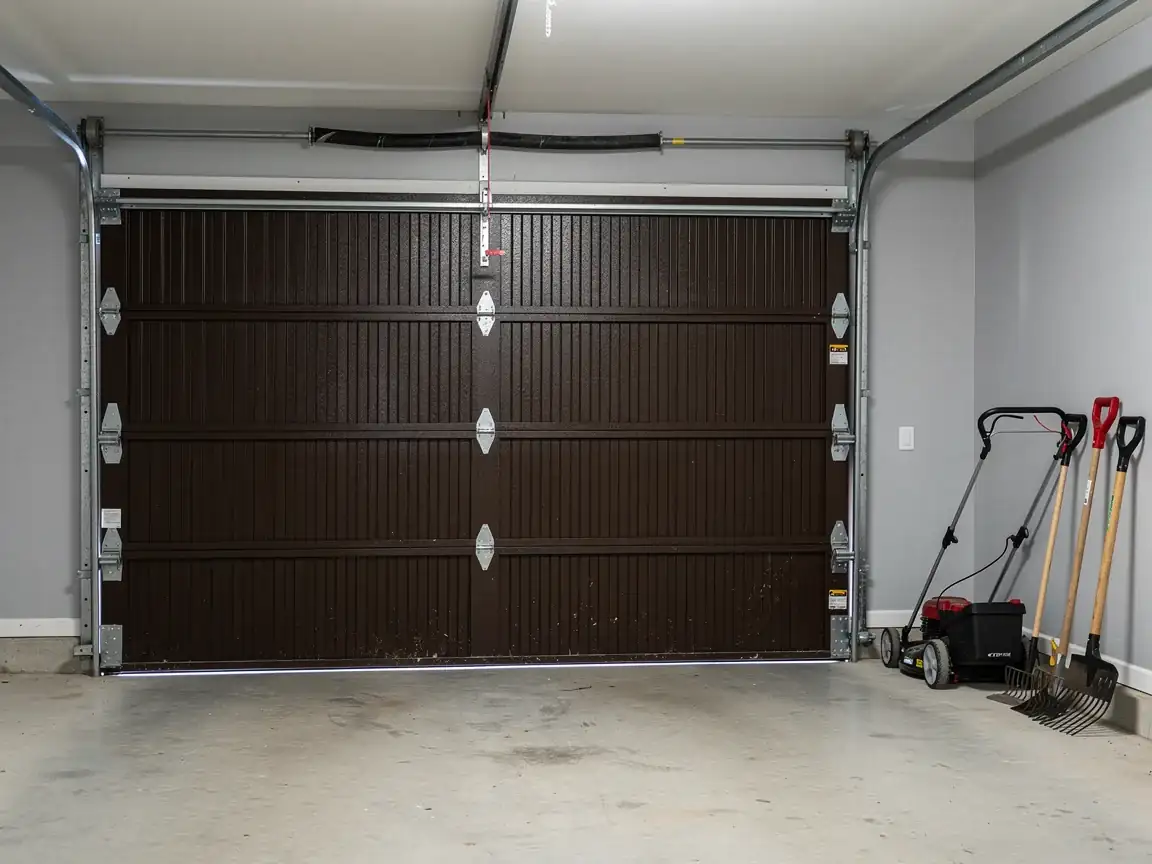
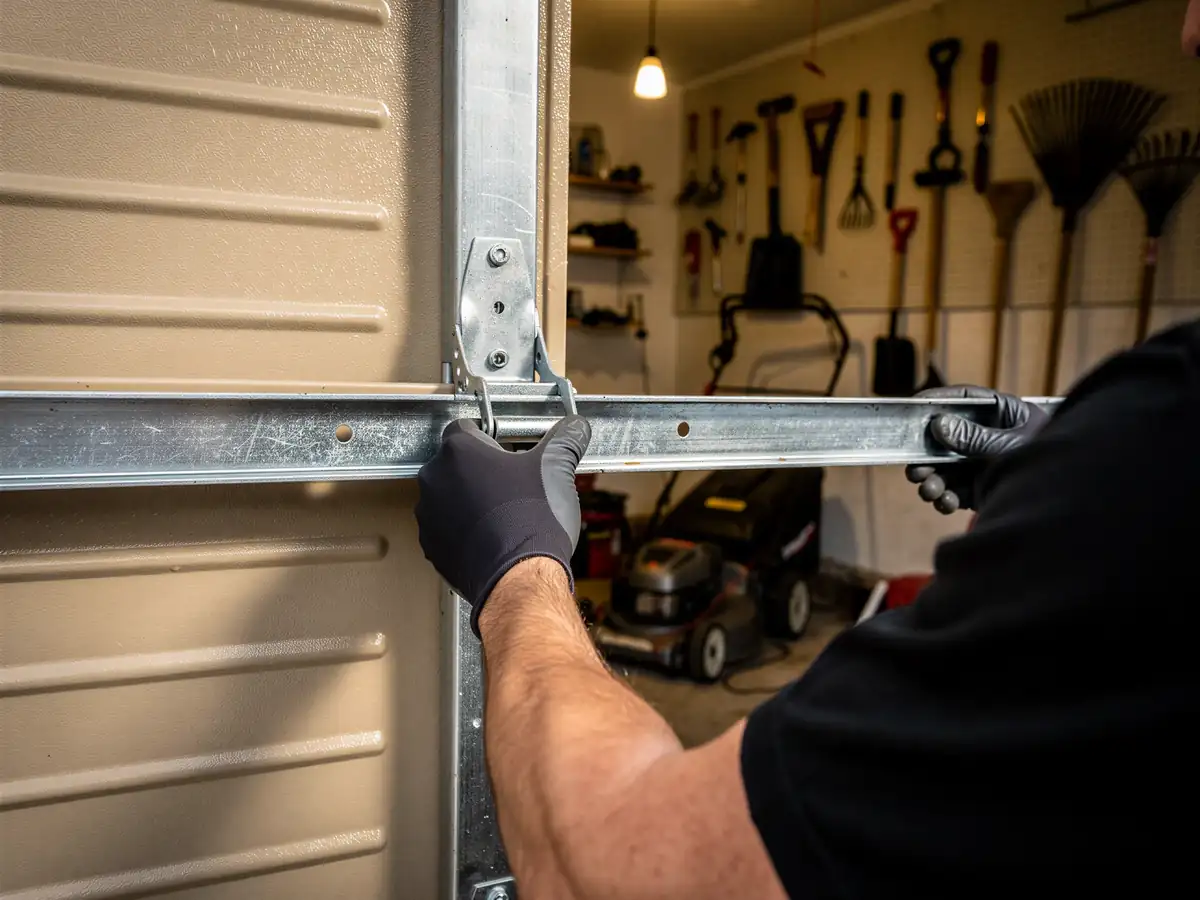
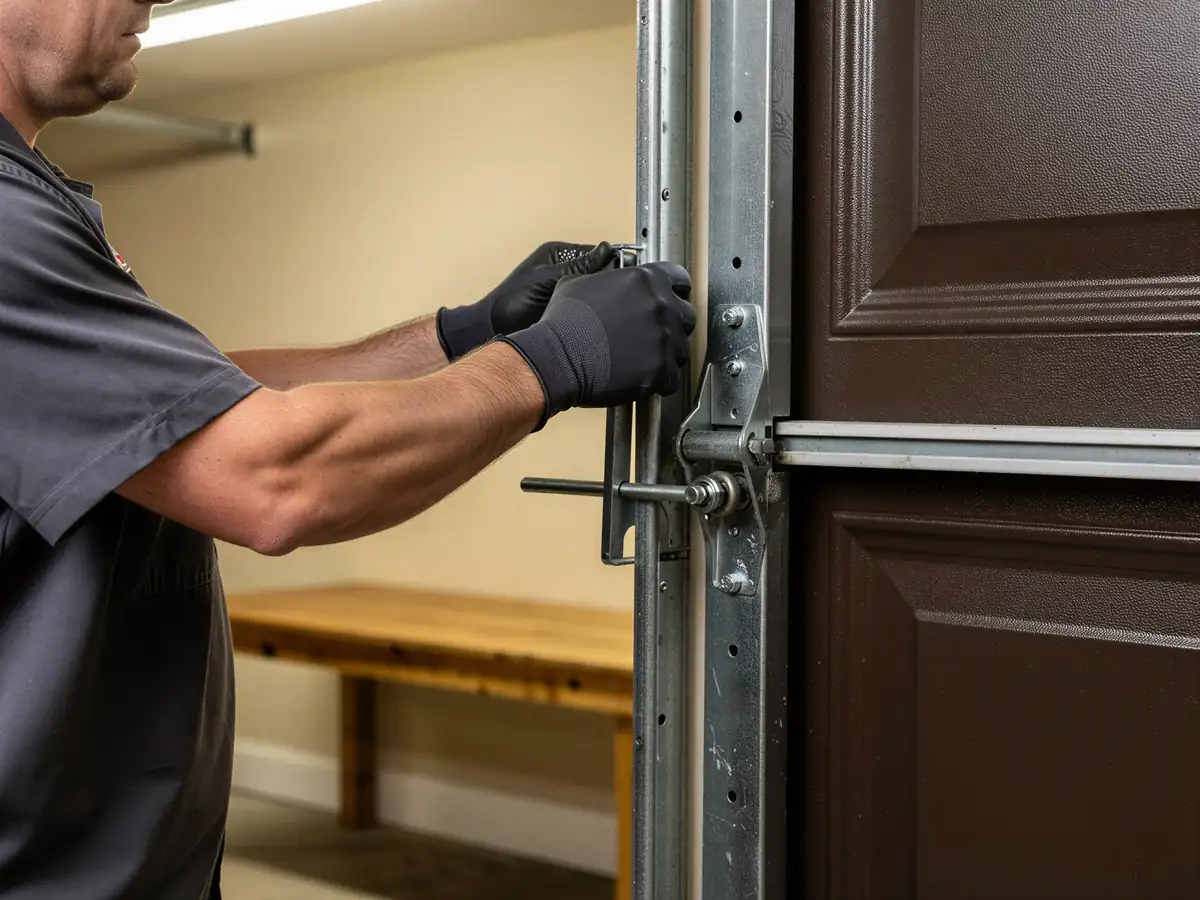
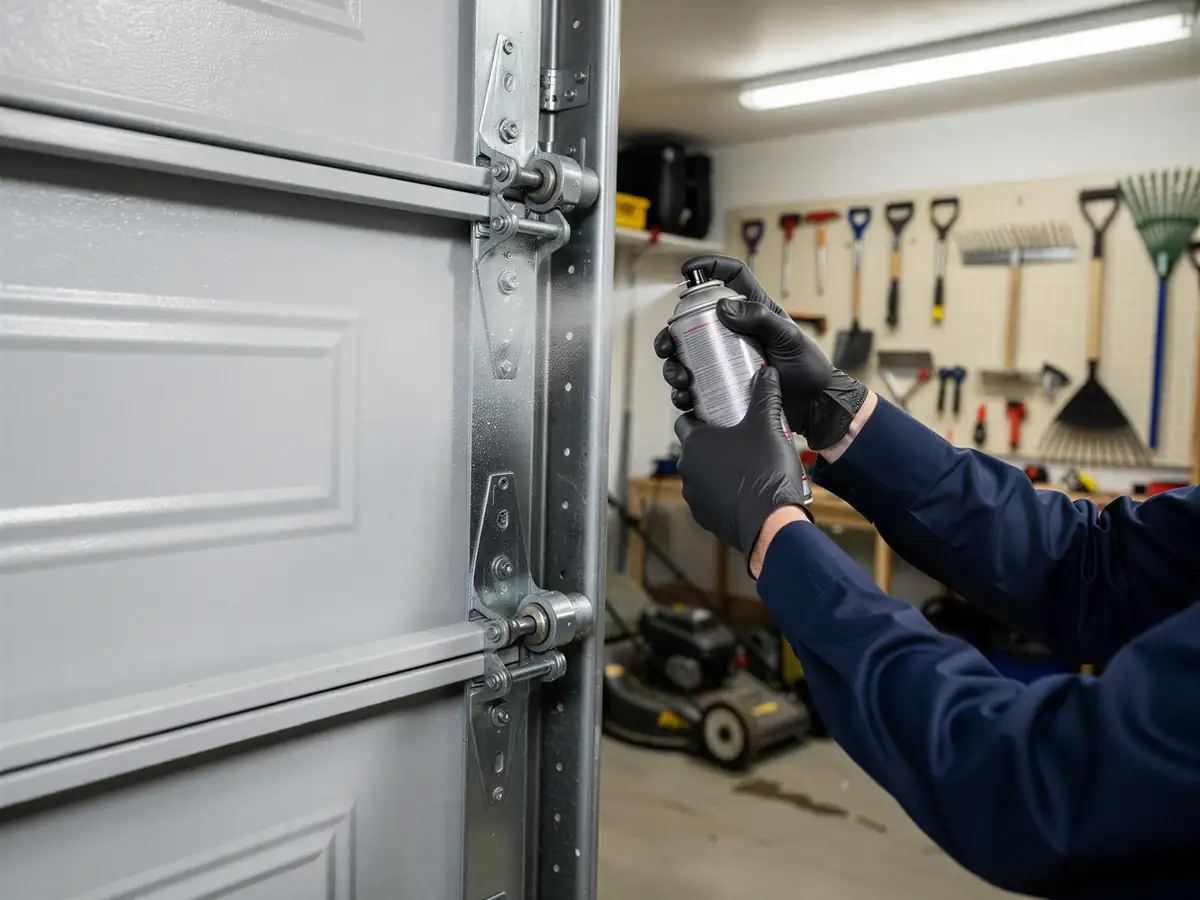
Removing the old cable from the drum and bottom bracket, and running new galvanized cable at the correct length for your door's height and spring type. If one cable went, we check the other side too - cables usually fail in pairs eventually, just not always on the same day. We also check the drums and bottom brackets for wear, since a cable that jumped a worn drum groove will fray again fast if we don't fix what caused it.
Why It Happens Here
Riverbank's housing stock centers on 1996, newer than much of the wider service area we cover from Modesto, where the median build year runs closer to 1987. That newer stock means more extension-spring doors with pressed steel bottom brackets and lighter-duty cable than the older torsion setups common in the 1960s-70s neighborhoods elsewhere in the county. Lighter cable does the job fine for years, but it also shows wear faster at the bottom bracket crimp, which is the spot we find frayed strands most often on these doors.
Heat is the other factor, and it applies across the whole service area, not just here. Summer swings stress the galvanized coating on lift cable, and a door that sits in full sun most of the afternoon will show rust-fray at the bracket sooner than one in shade. On a 1990s Riverbank build, that's usually the first visible sign something's about to let go - a few rusted strands sticking out where the cable meets the bracket, well before the whole thing snaps.
Where This Job Goes Sideways
The trouble spot on newer stock like this is the bottom bracket itself. On some 1990s-era doors, the bracket is riveted rather than bolted, and once a cable has frayed and jumped its groove, it can chew the bracket slot enough that a straight cable swap isn't enough - the bracket needs replacing too. We won't put a new cable on a damaged bracket and call it fixed, because it'll fail again in months, not years.
The other place this goes sideways is when a homeowner tries to re-tension or re-seat a cable themselves with the spring still loaded. Extension springs store real force, and a cable under tension that lets go while someone's hands are near the drum causes real injury. If you've already had a go at it before calling, tell us - it changes what we check before we touch anything.
The DIY Question
If a cable has already snapped and the door is sitting crooked or down, that's not a weekend project - the spring is still loaded on at least one side, and working near a loaded spring with a frayed or detached cable is how people lose fingers. Leave it alone and call it in.
Where it's fair to handle yourself: if you've noticed early fraying at the bottom bracket but the door still opens and closes normally, you can keep an eye on it and avoid loading the opener hard (no parking the car under it, no leaning on the door) until someone checks it. That buys a little time, not a fix. We won't pretend a frayed cable gets better on its own, and we won't tell you to replace a bracket that's still sound just to pad a visit - if the bracket's fine, it's a cable swap, not a bigger job.