Why It Happens Here
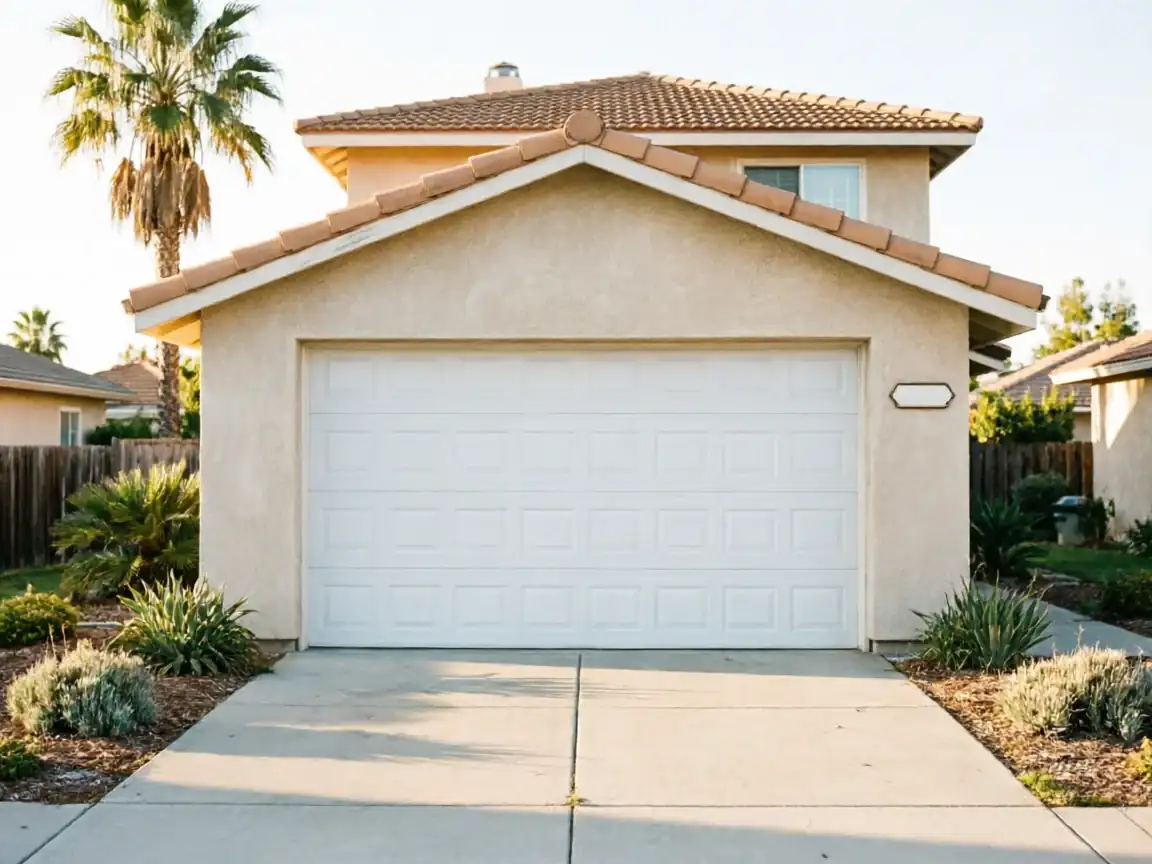
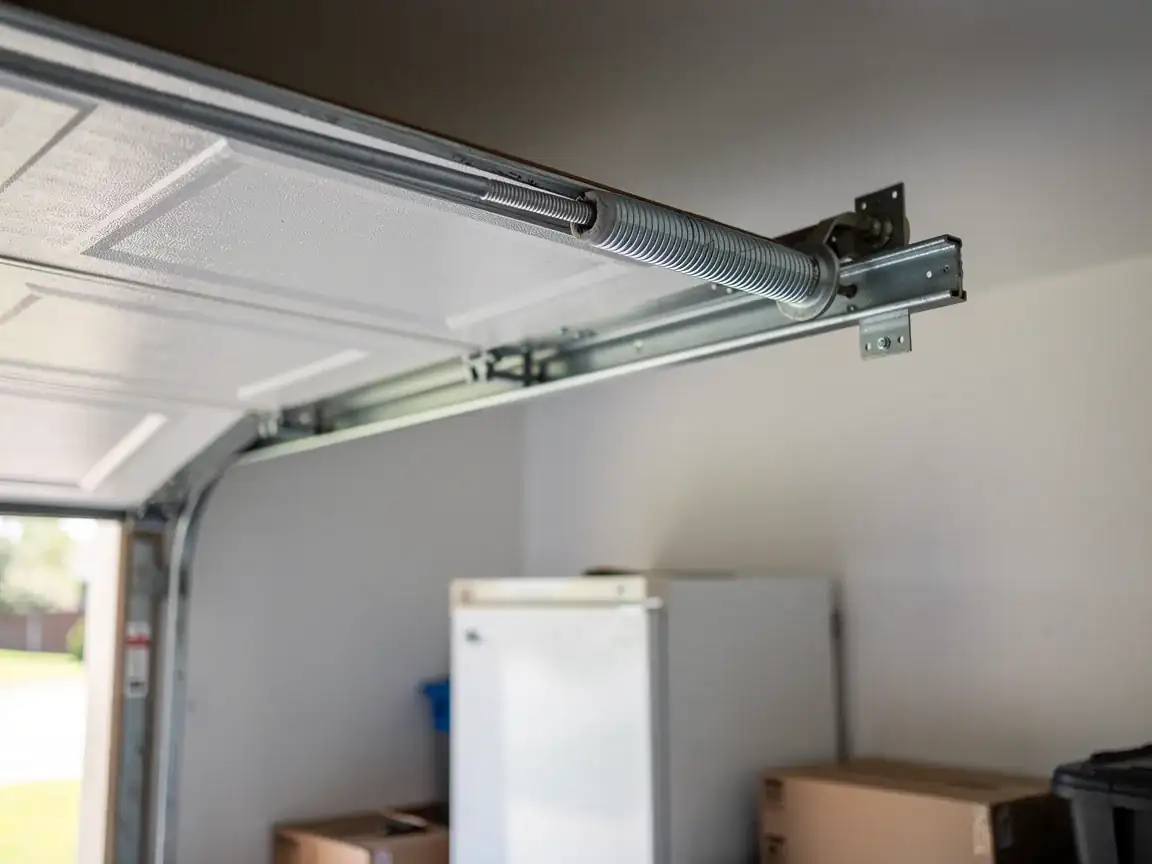
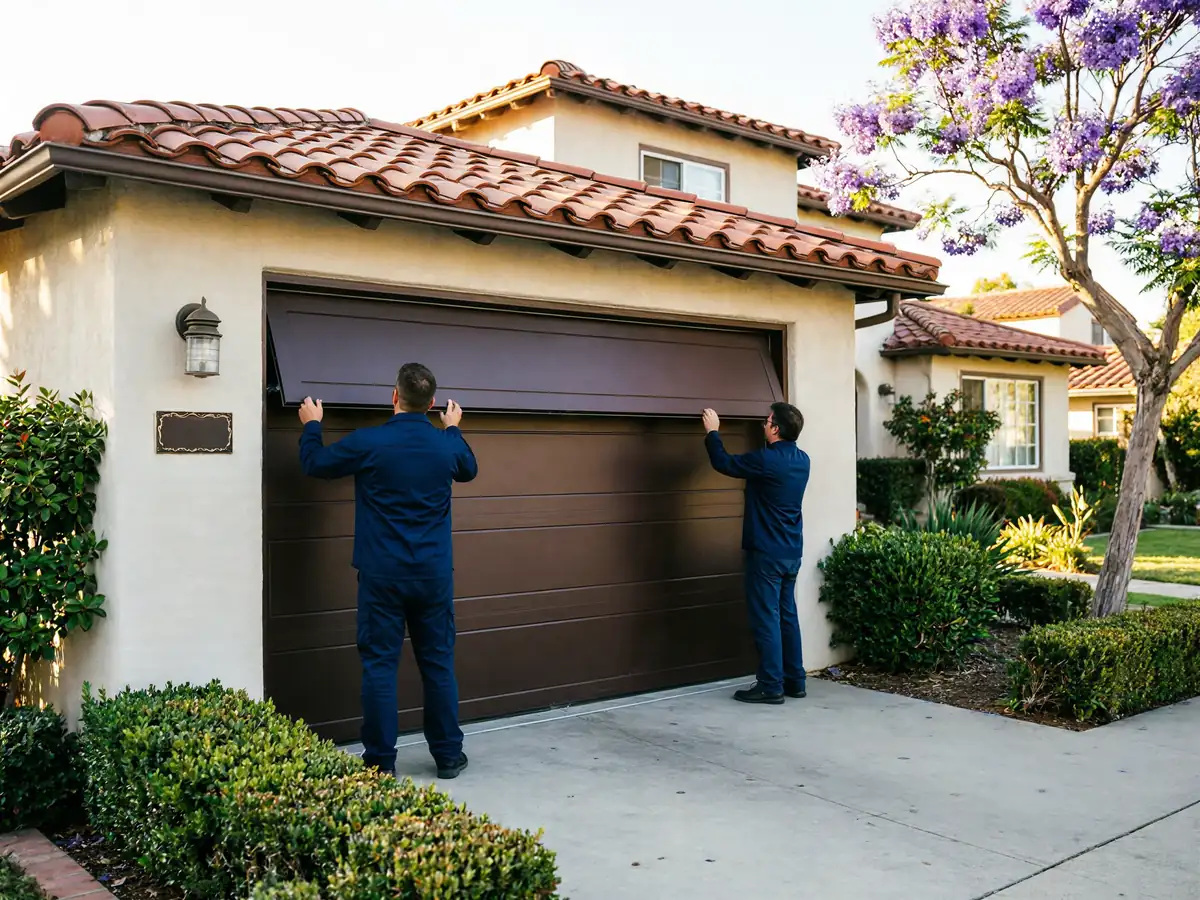
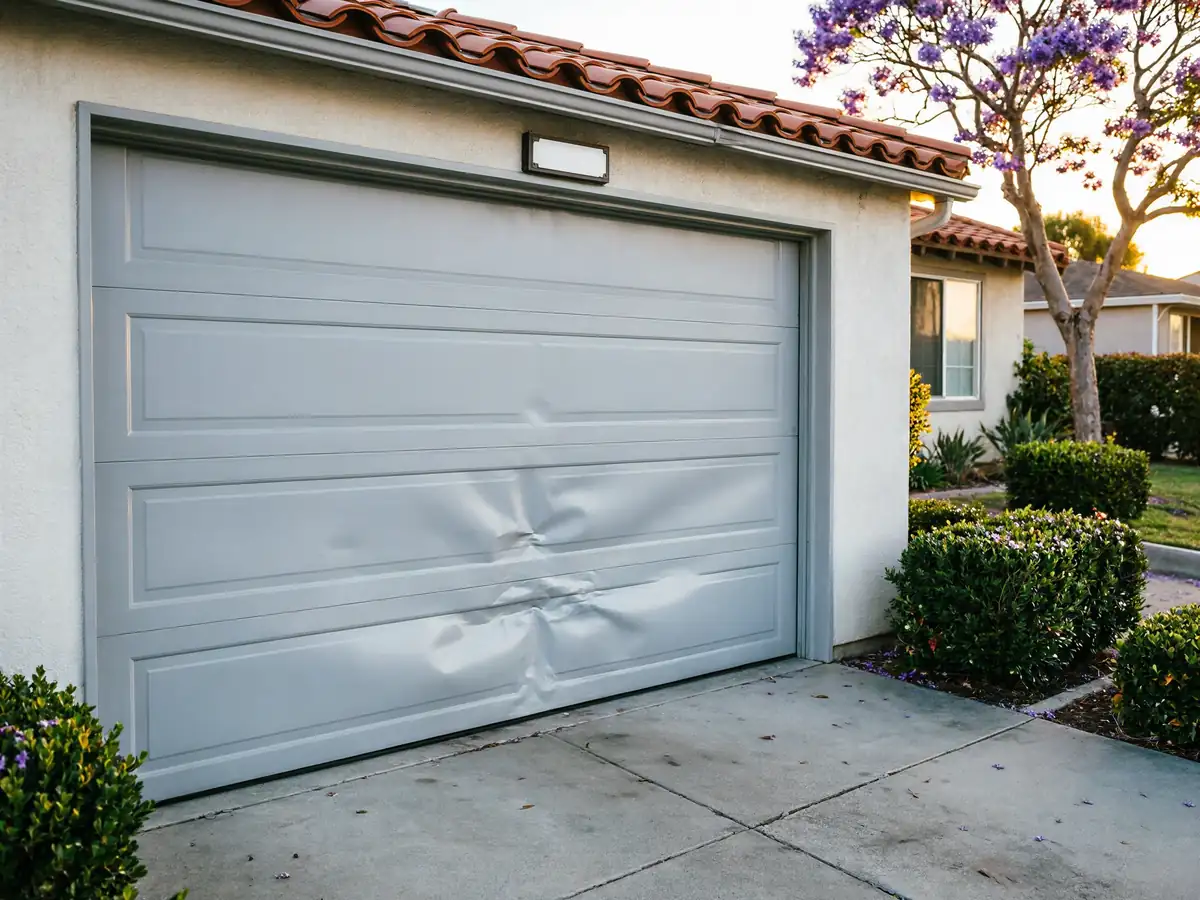
The region sits in a severe heat band, and that's hard on garage door hardware in specific ways that don't show up in milder climates. Steel panels expand during long stretches of high heat, which can tighten tolerances on tracks that were installed dead-level in cooler weather - doors that ran fine all winter start binding or scraping by mid-summer. Torsion springs also lose temper faster when they're cycling through repeated heat exposure, so a spring rated for a certain number of cycles under moderate conditions tends to fall short of that number here. Opener logic boards and sensors aren't immune either; extended heat inside an uninsulated garage shortens the life of the electronics far more than it does in a climate-controlled space. None of this is unique to one house or one street - it's a function of the build era combined with the climate band the whole area sits in. A 1996 door with its original spring is now well past the point where heat-driven fatigue is the likely cause of a sudden snap, not a manufacturing defect.
Where This Job Goes Sideways
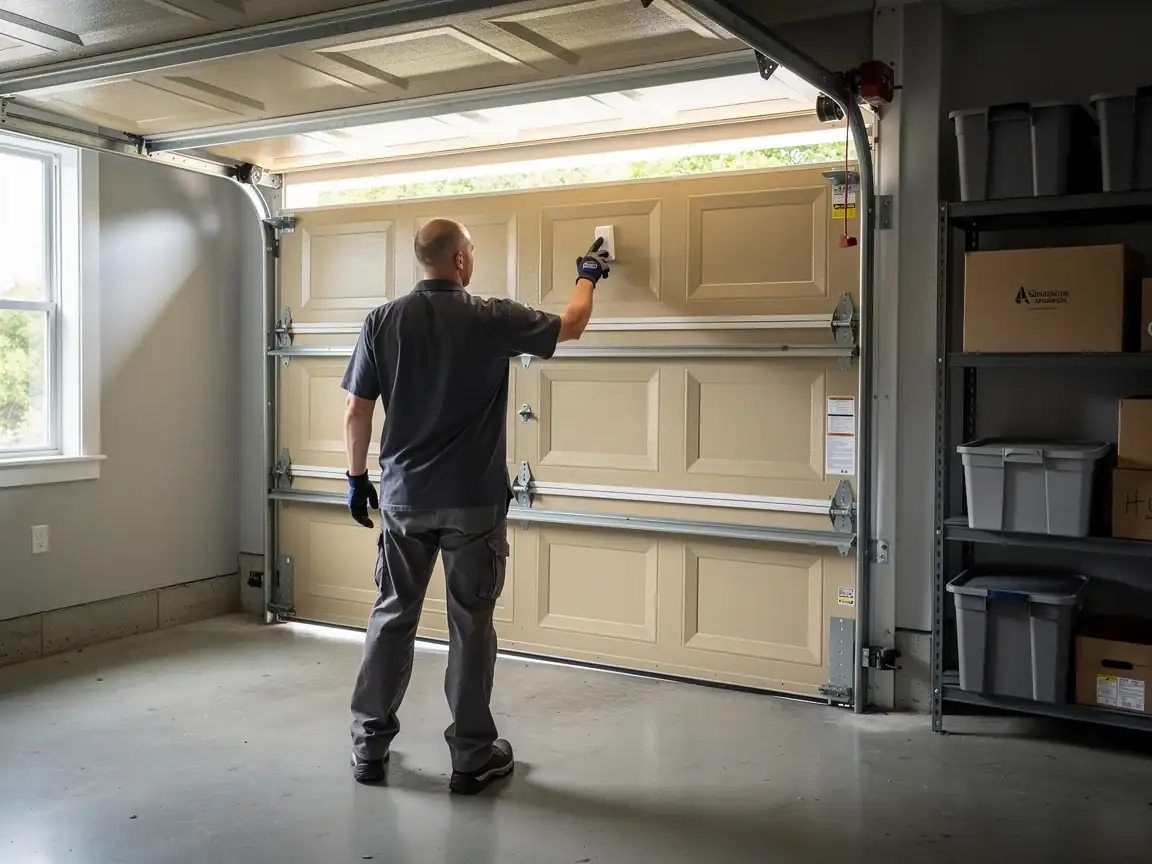
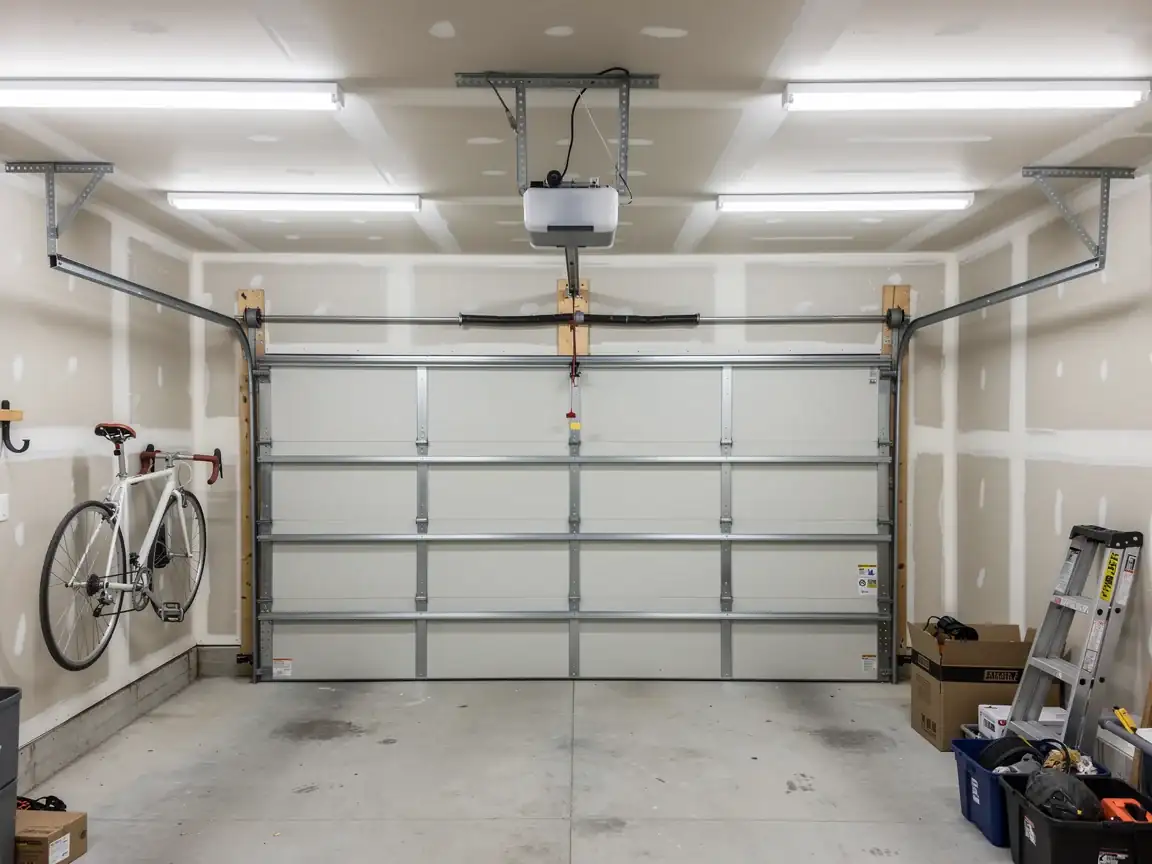
The most common misstep on a call like this is ordering a spring sized for an older, lighter door when the house itself is newer. A tech who doesn't check the door's actual weight - relying instead on a visual guess or the age of the neighborhood - can send out a spring that's under-rated for an insulated 1990s panel door, and the customer is back to a dead lift within a year. The other failure point is the opener. A door from this era often still runs its original chain-drive opener, and when that motor finally gives out, some owners want just the opener swapped while the spring and cables are clearly near the end of their own life. Doing one without checking the other is how you end up back at the same house for a second visit inside six months. We'll be straight about it: if the spring, cables, and rollers are all near end of life, replacing the opener alone isn't worth the trip charge - we'd rather tell you that up front than let you pay twice.
The DIY Question
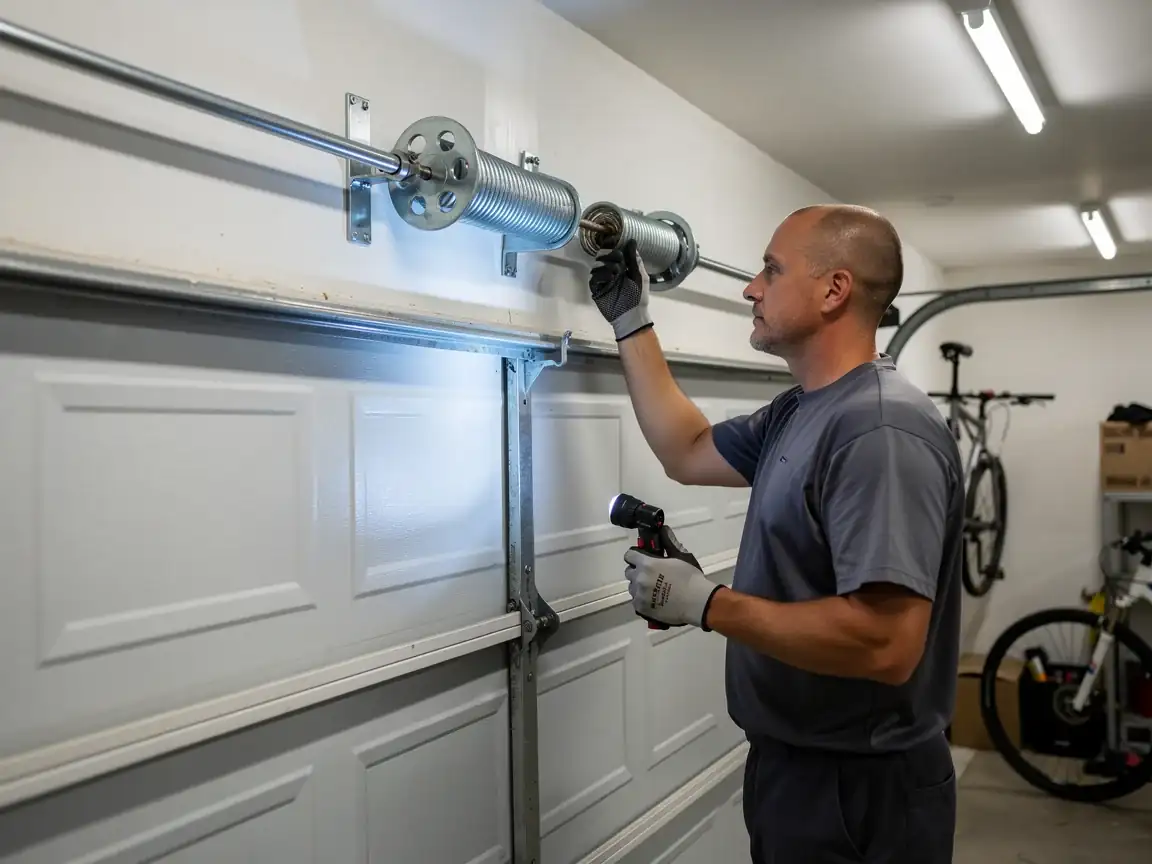
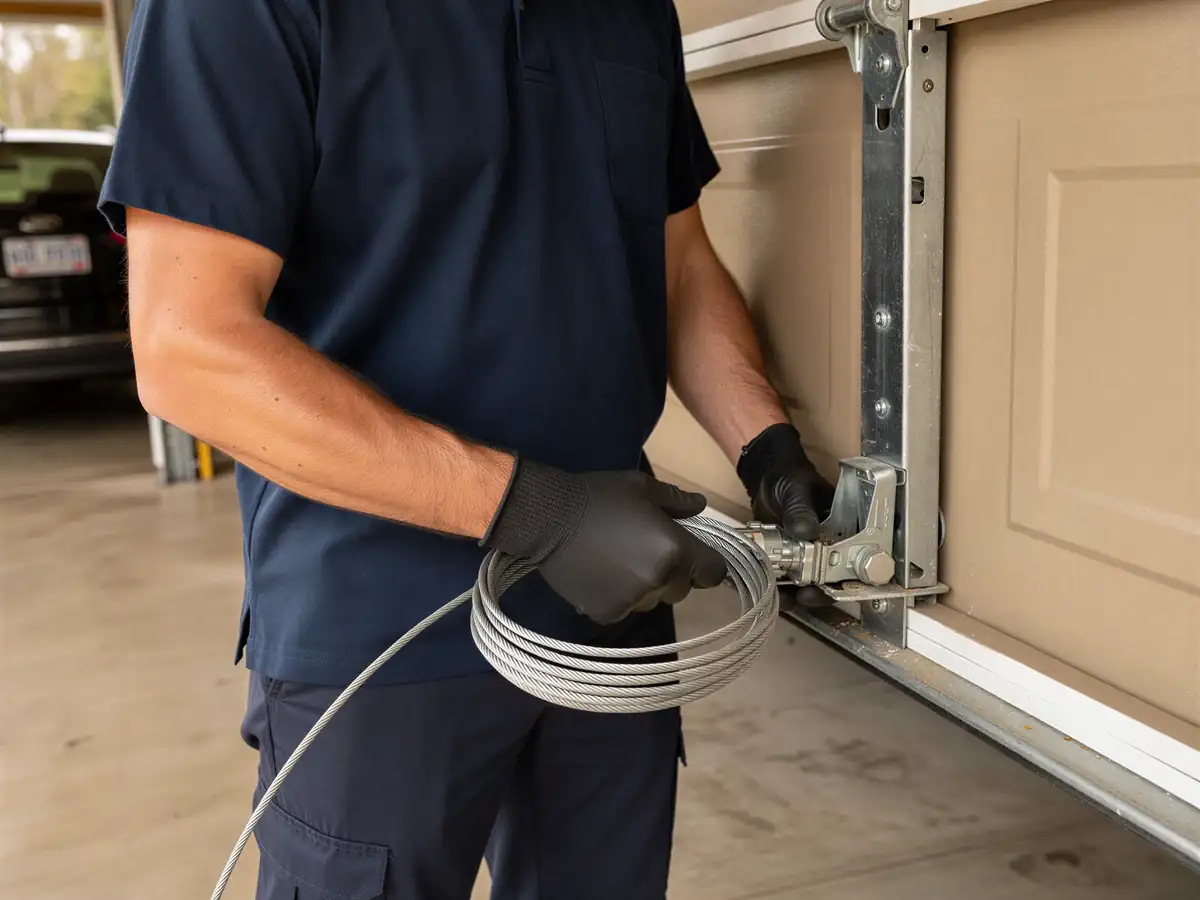
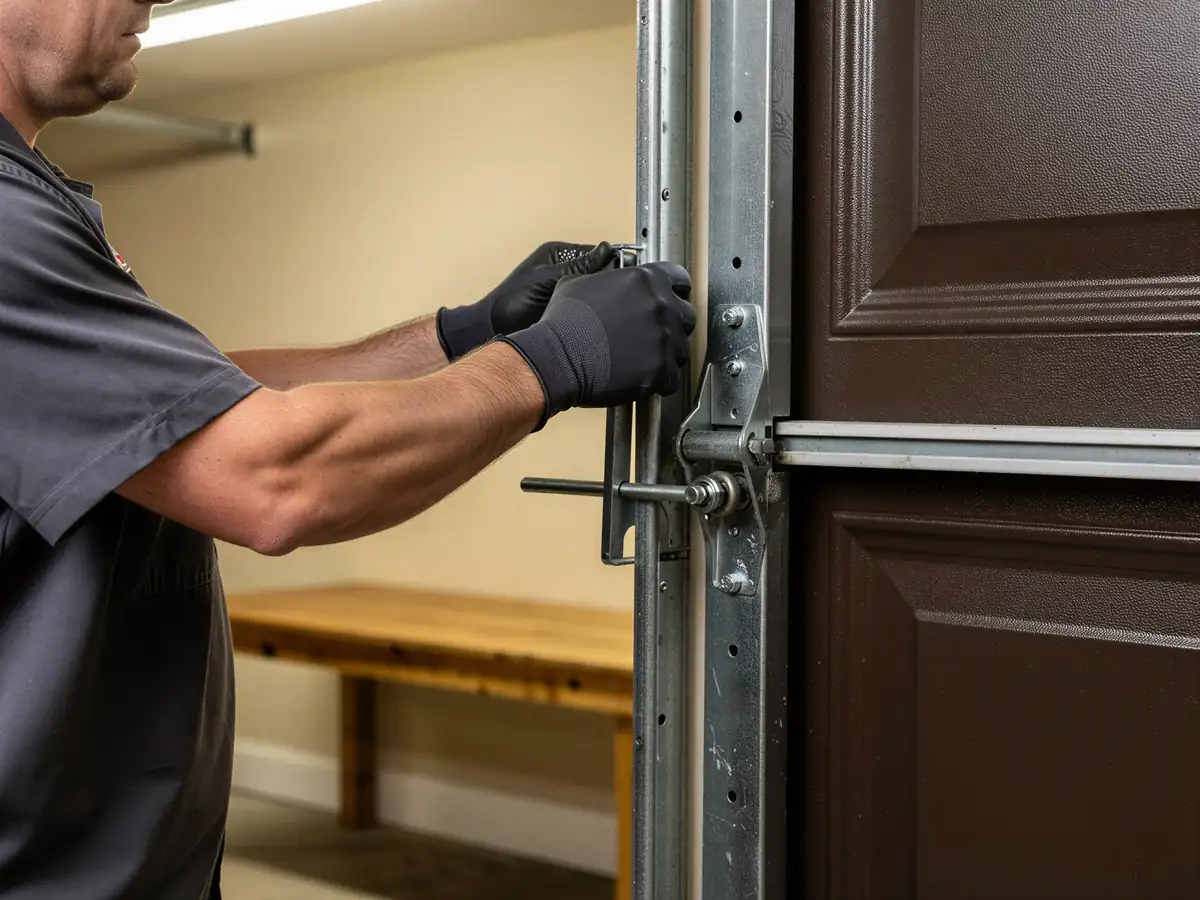
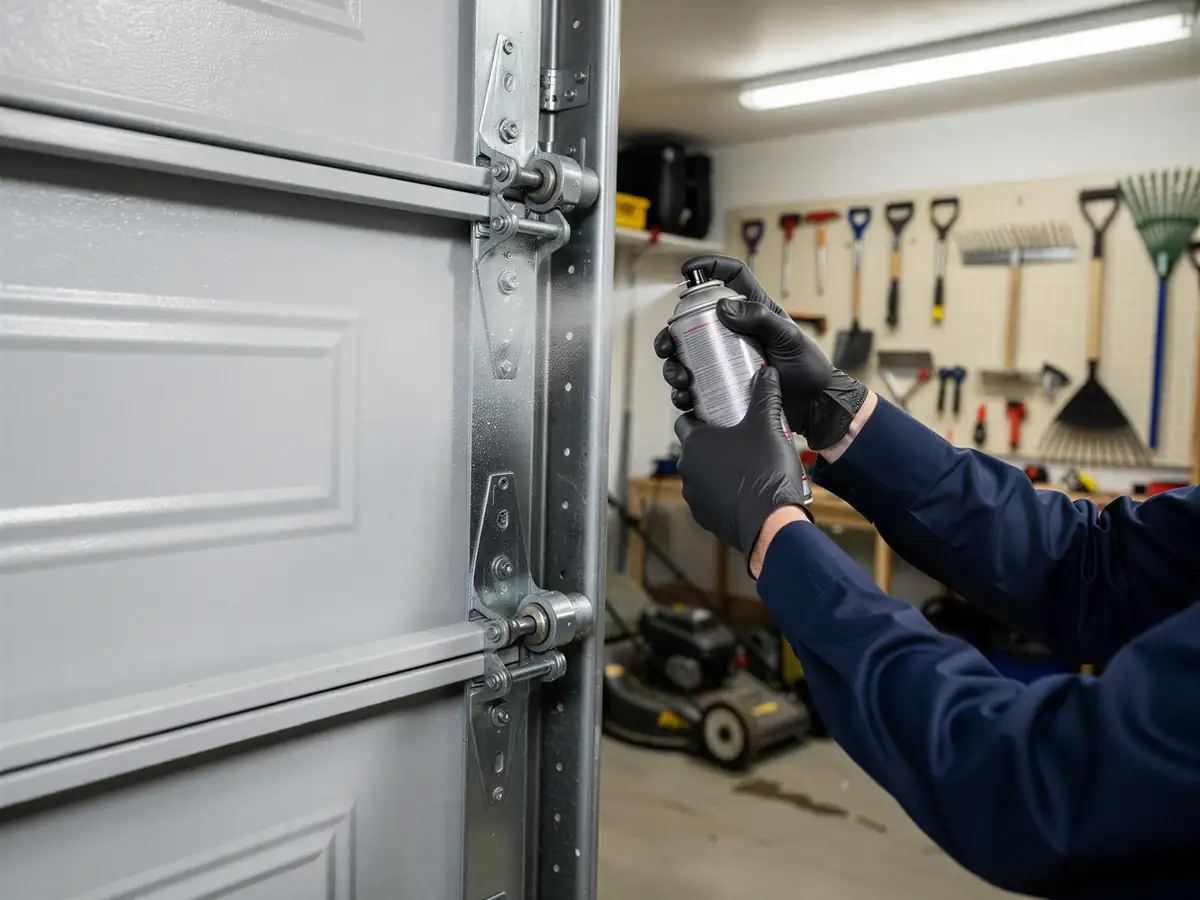
Torsion springs store enough force to break a finger or worse, and that doesn't change because the door is newer or the house looks well-kept. Swapping a spring on a 1990s insulated door is not an easier job than on an older one - if anything, the heavier door means more stored tension, not less. Where DIY is reasonable: lubricating hinges and rollers, tightening loose bolts on the track brackets, clearing the photo-eye sensors if the opener won't close. Where it isn't: spring replacement, cable work, or anything involving the torsion bar itself. Given the severe heat this area sees, springs here also tend to fail with less warning than in milder climates - a slow fray becomes a sudden snap faster once metal fatigue sets in from repeated heat cycling. If a cable looks frayed or a spring has visible gaps in its coils, that's not a project for a weekend; it's a call.