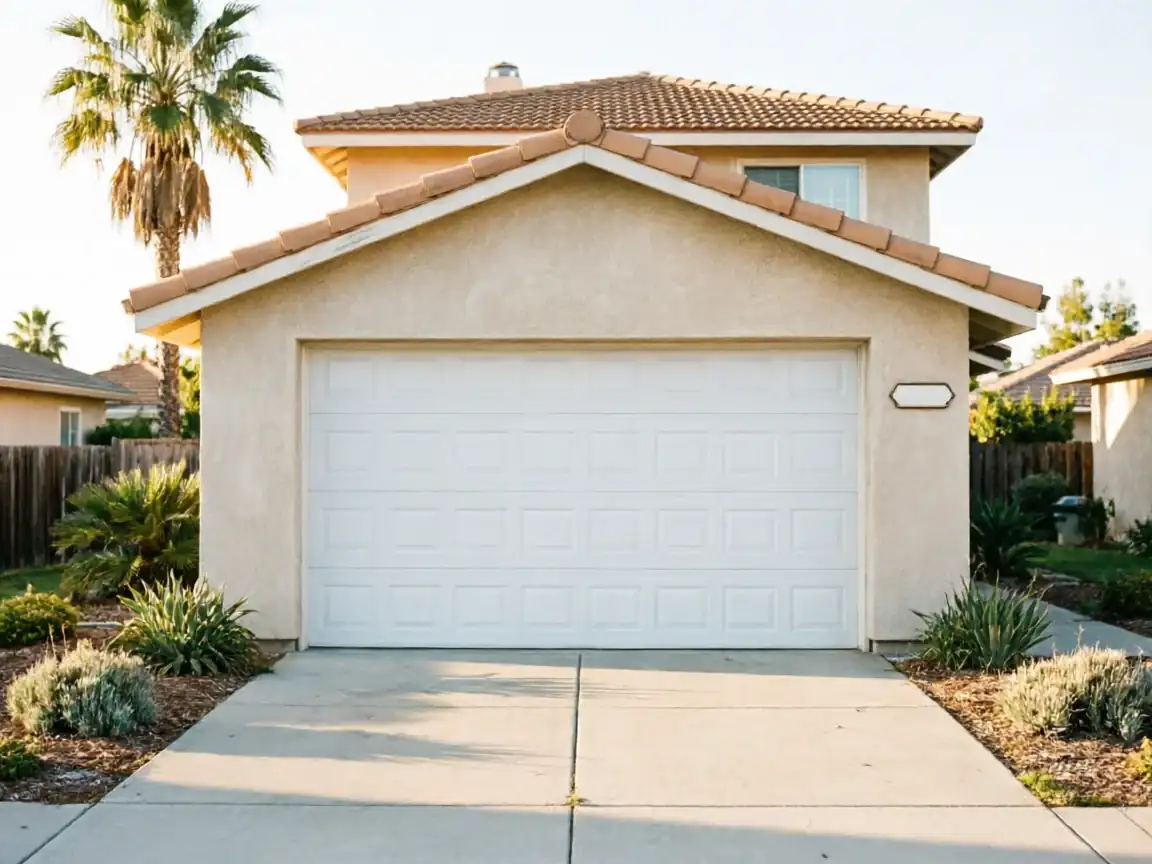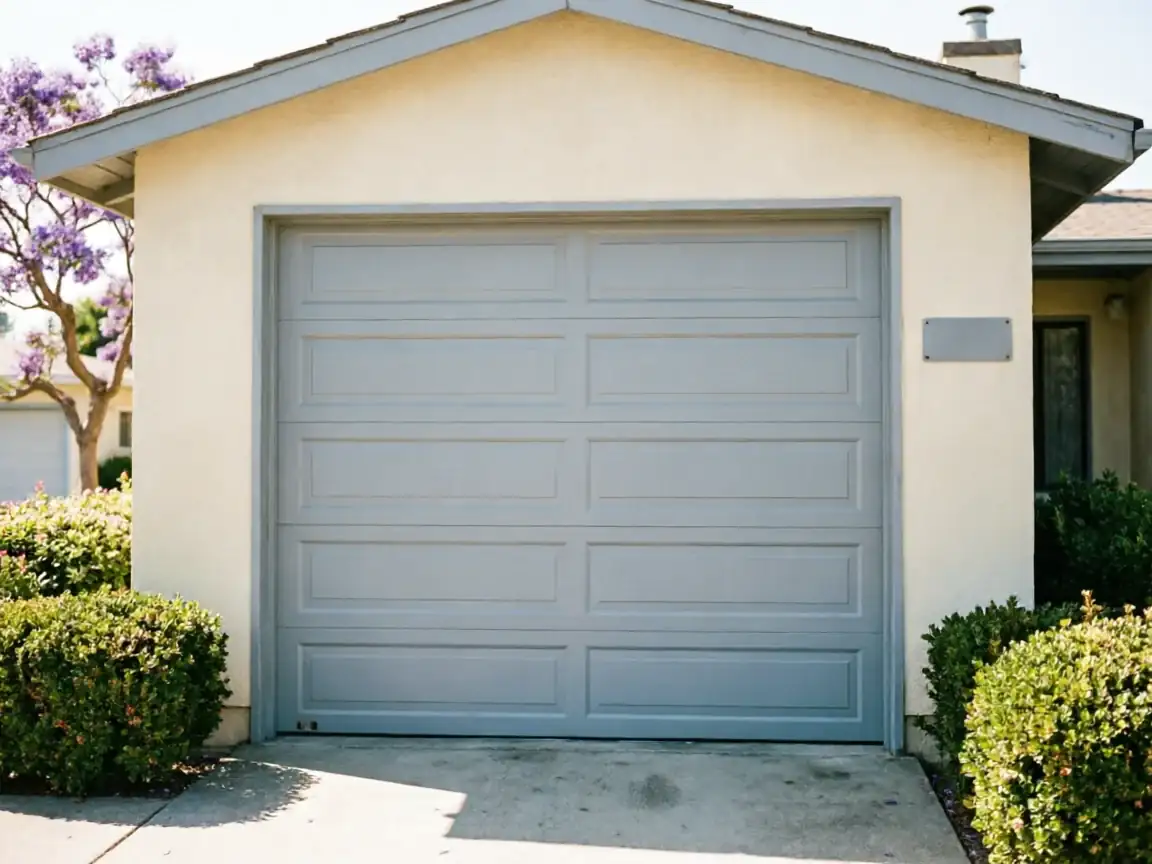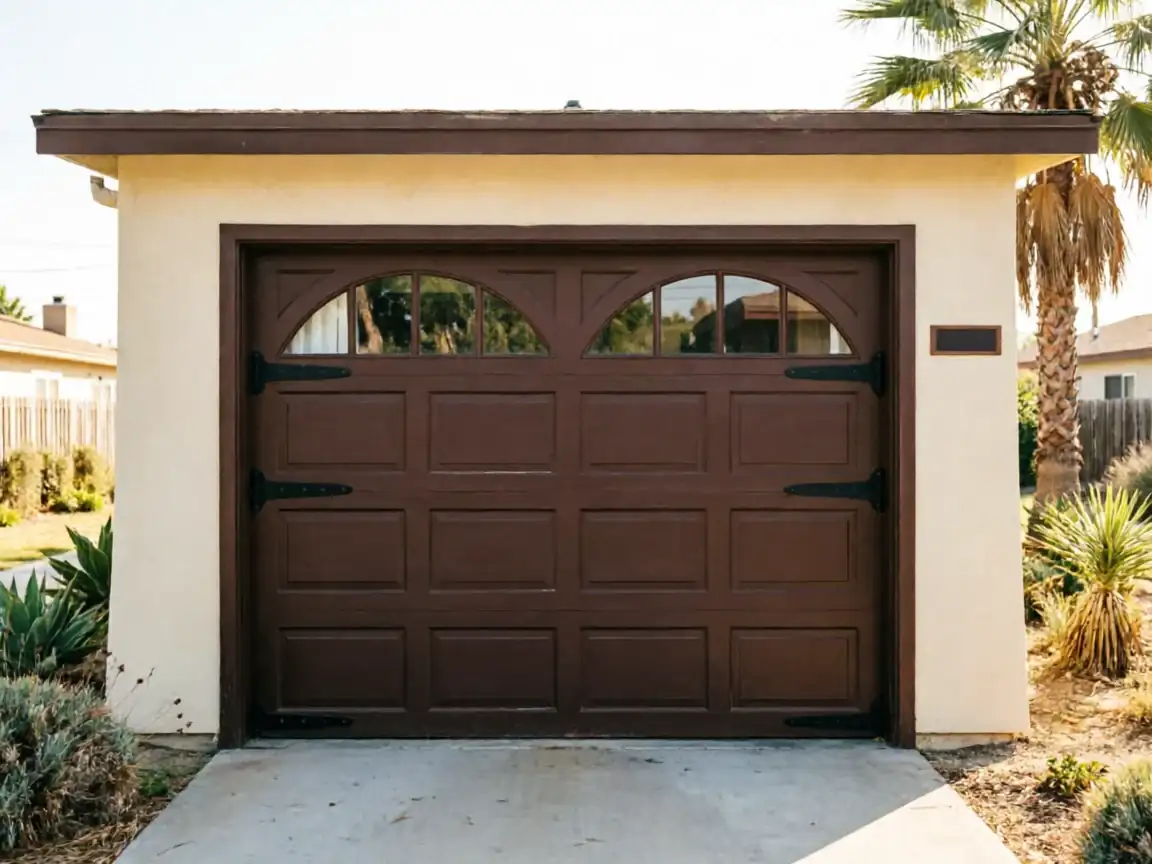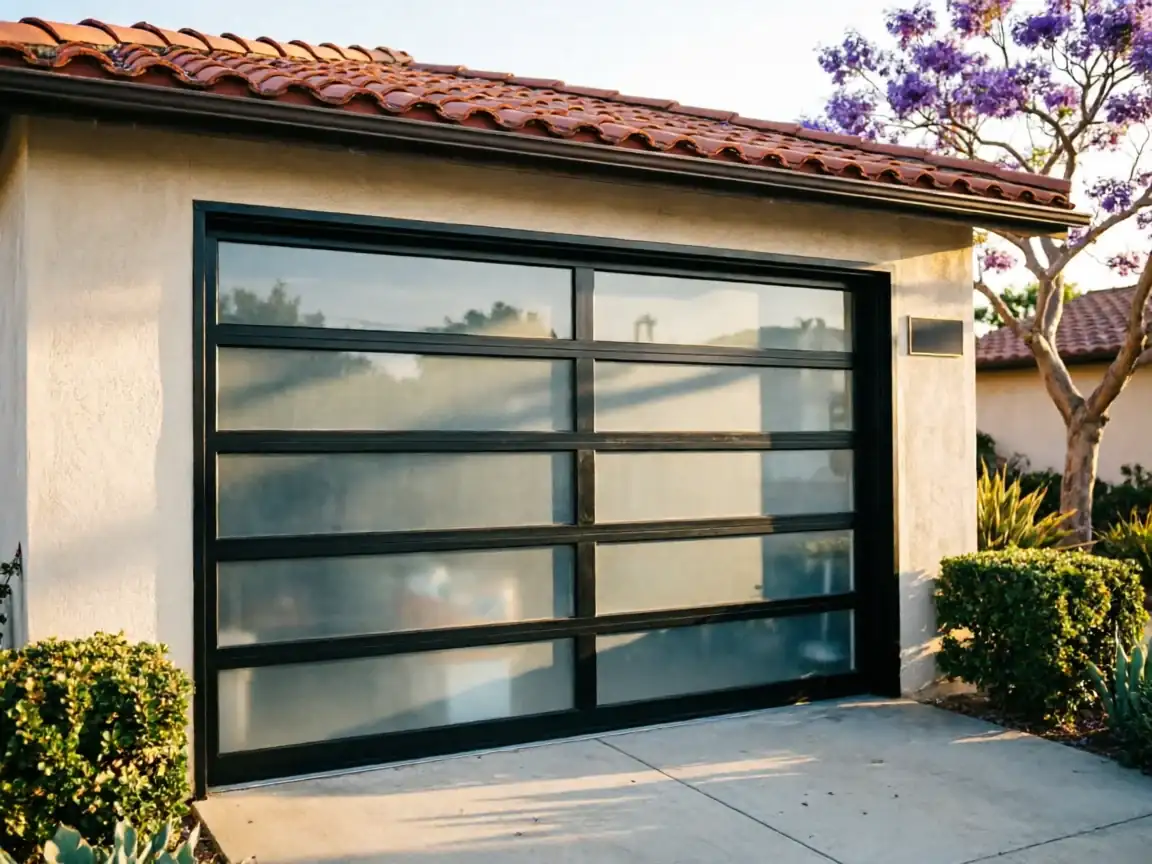
Why It Happens Here
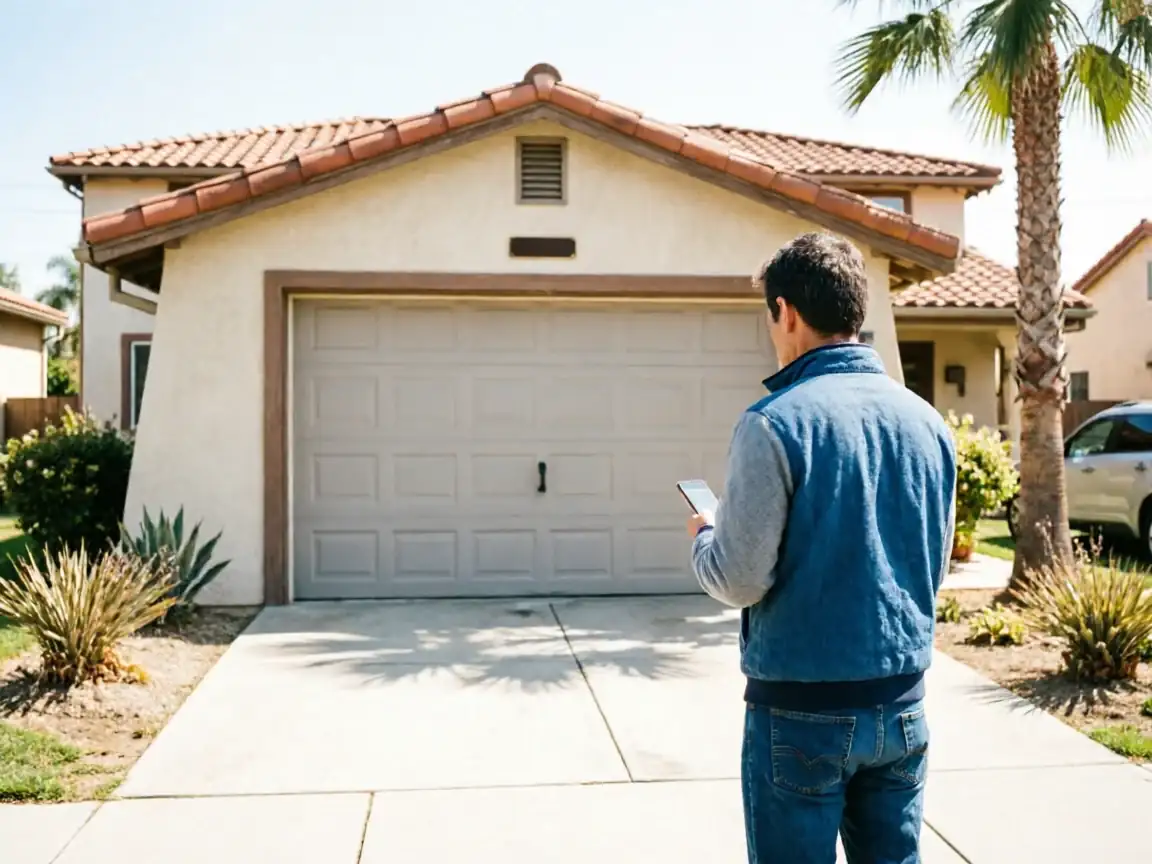
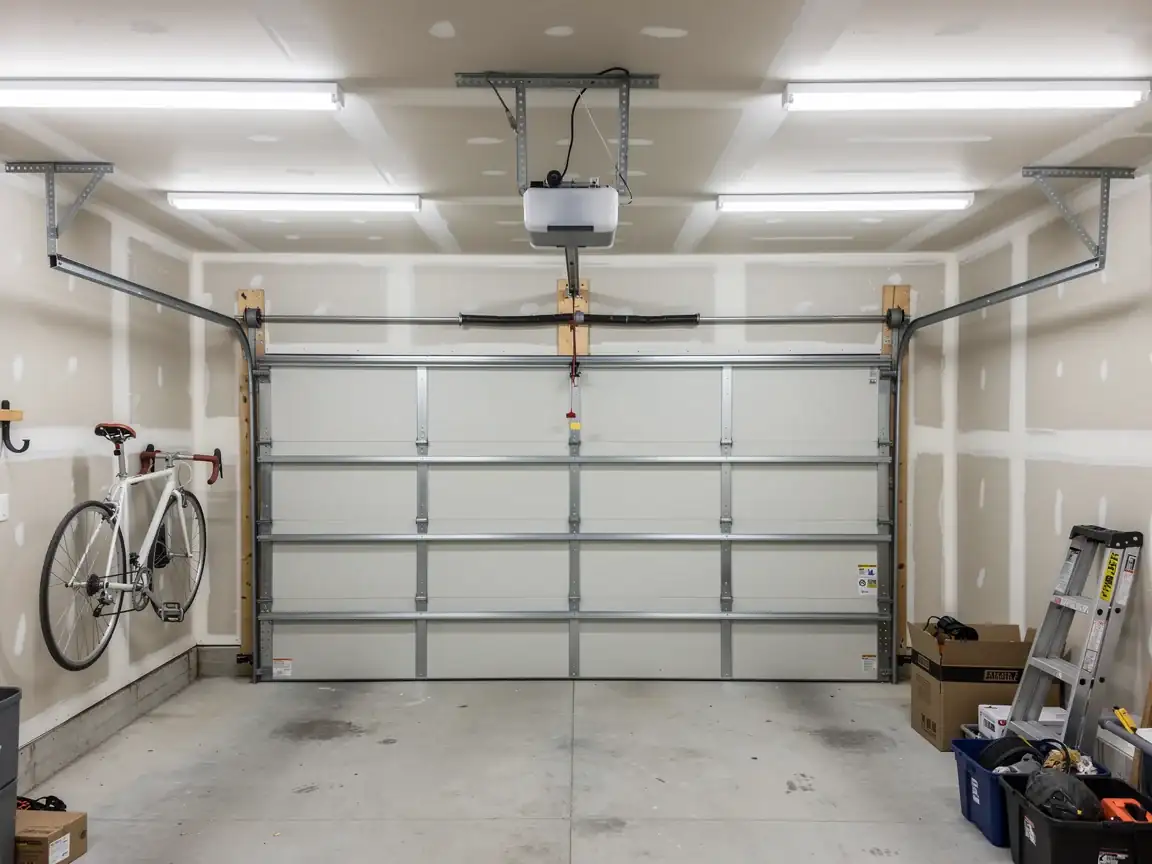
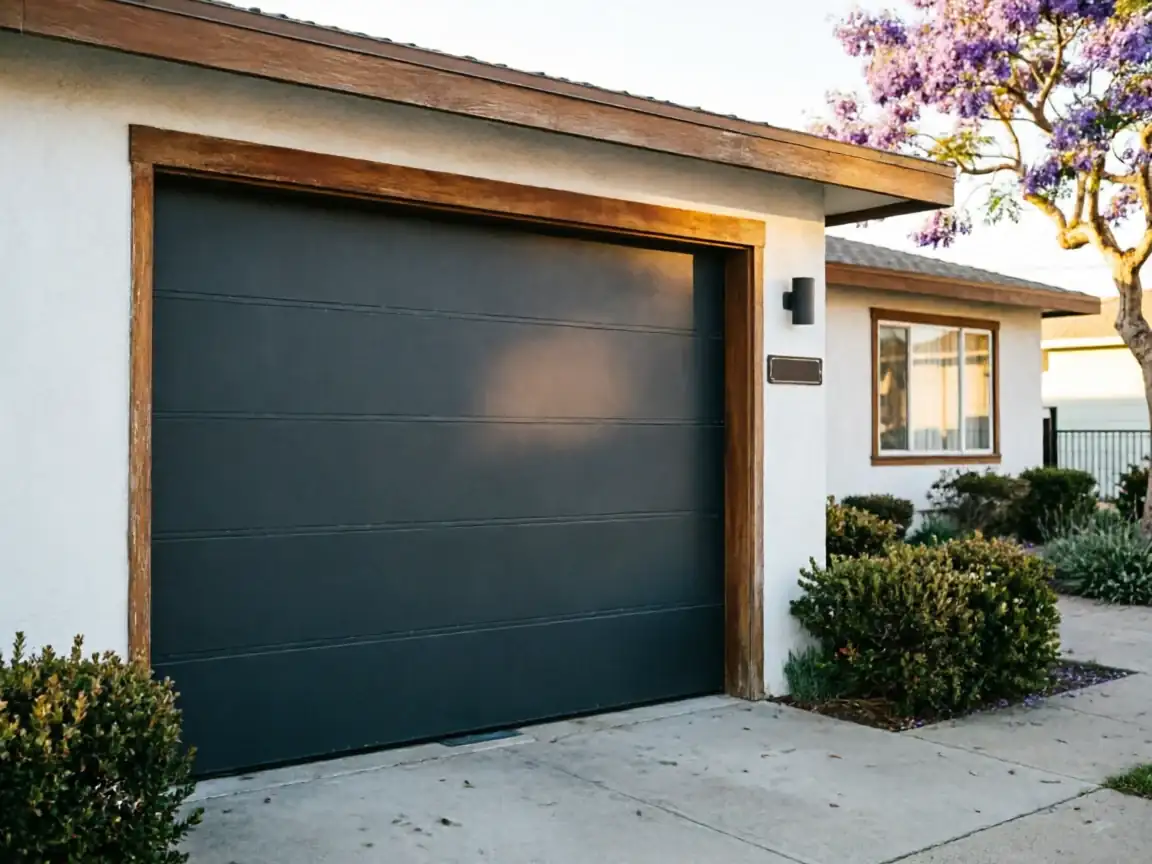
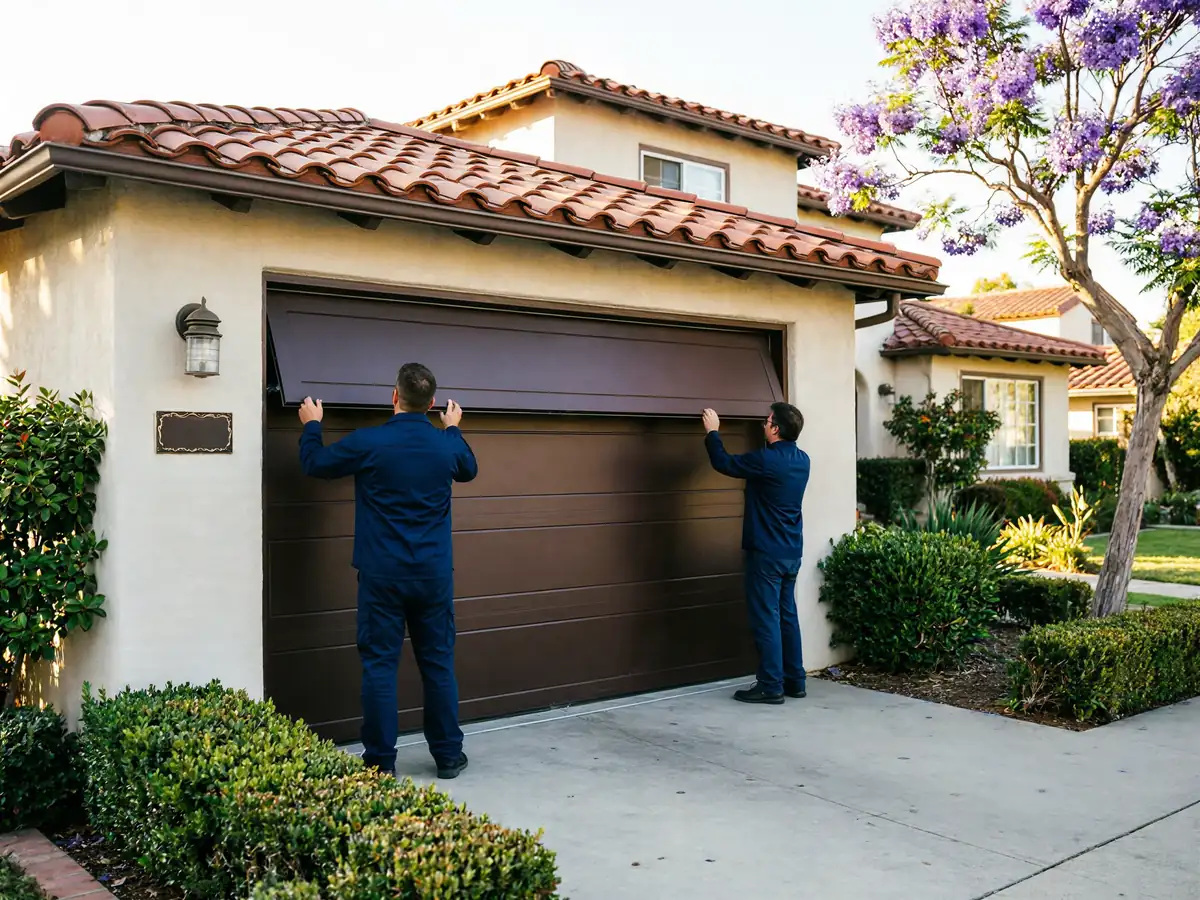
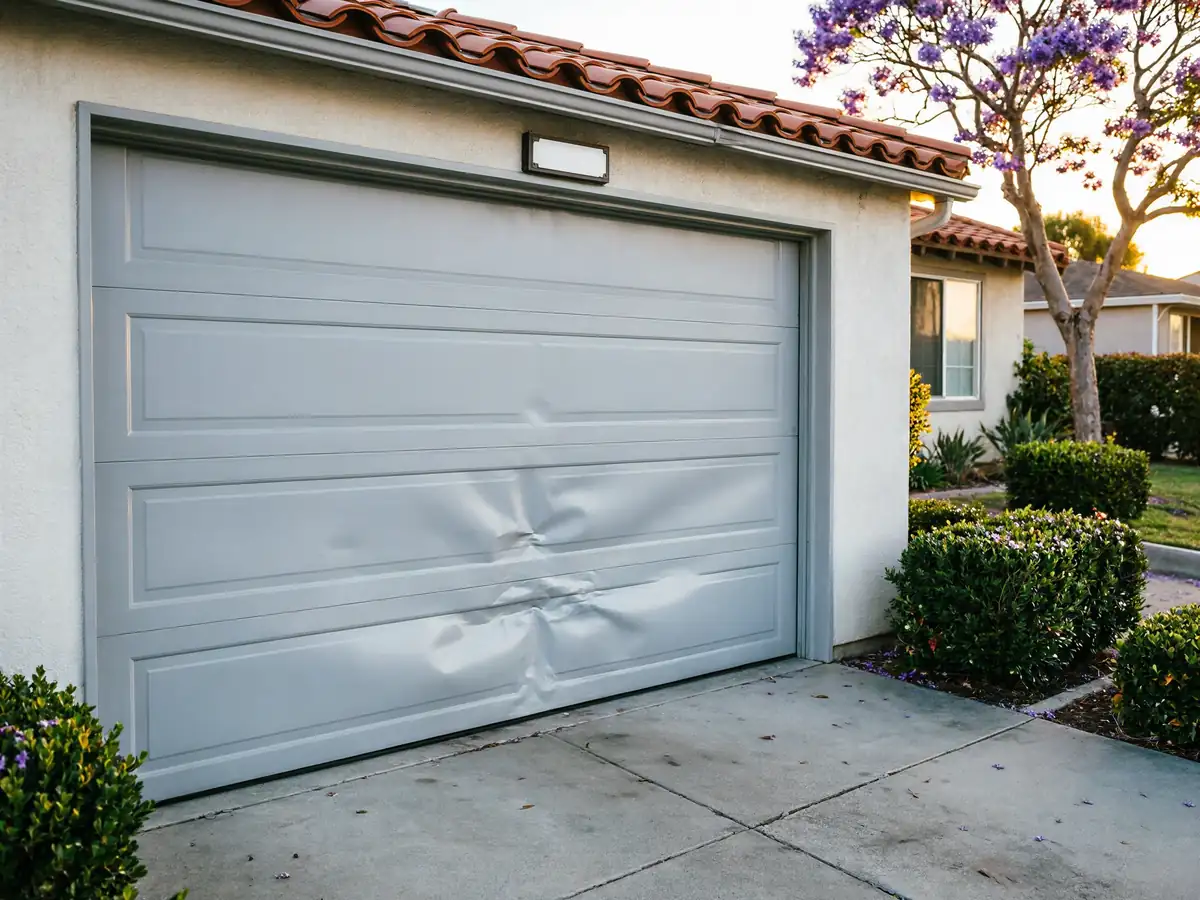
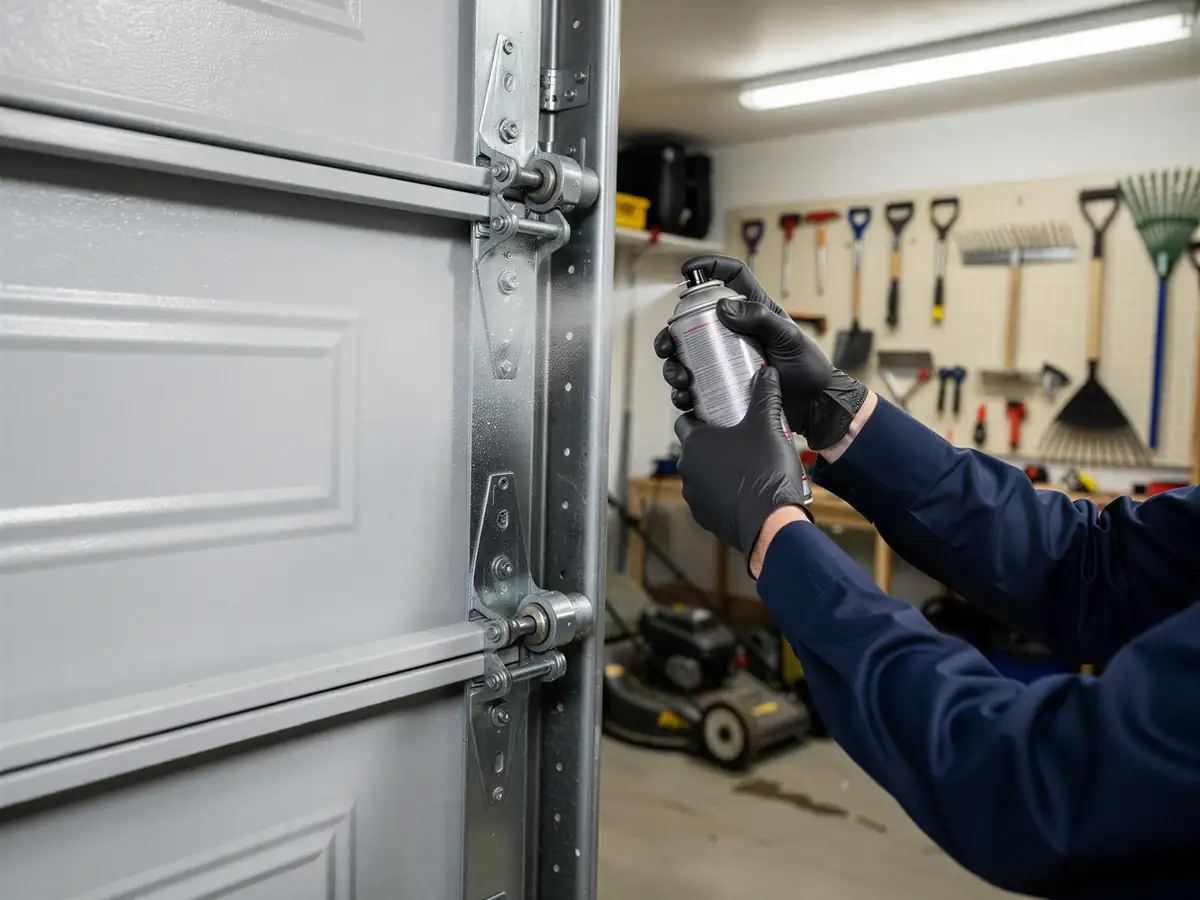
The area runs a severe heat climate band, and heat is hard on garage door hardware in ways that aren't obvious. Steel springs lose temper faster when they're cycling through big daily temperature swings, and the lubricant in an opener's drive chain or screw dries out quicker in sustained high heat, which is what pushes a slow track into a grinding one. On a door built around 1996, that's close to thirty years of that cycle with nobody replacing the grease or checking spring tension. Combine the age of the housing stock with the climate and you get a specific, predictable failure: springs that snap in late summer, not because of one hot day but because of thirty years of them. Riverbank sits inside a service area where household incomes run a bit higher than the regional median, which we mention only because it tends to mean owners replace an opener before it fails completely rather than running it to the ground - but the hardware itself doesn't know the difference. It ages the same no matter what's in the bank account.
Where This Job Goes Sideways
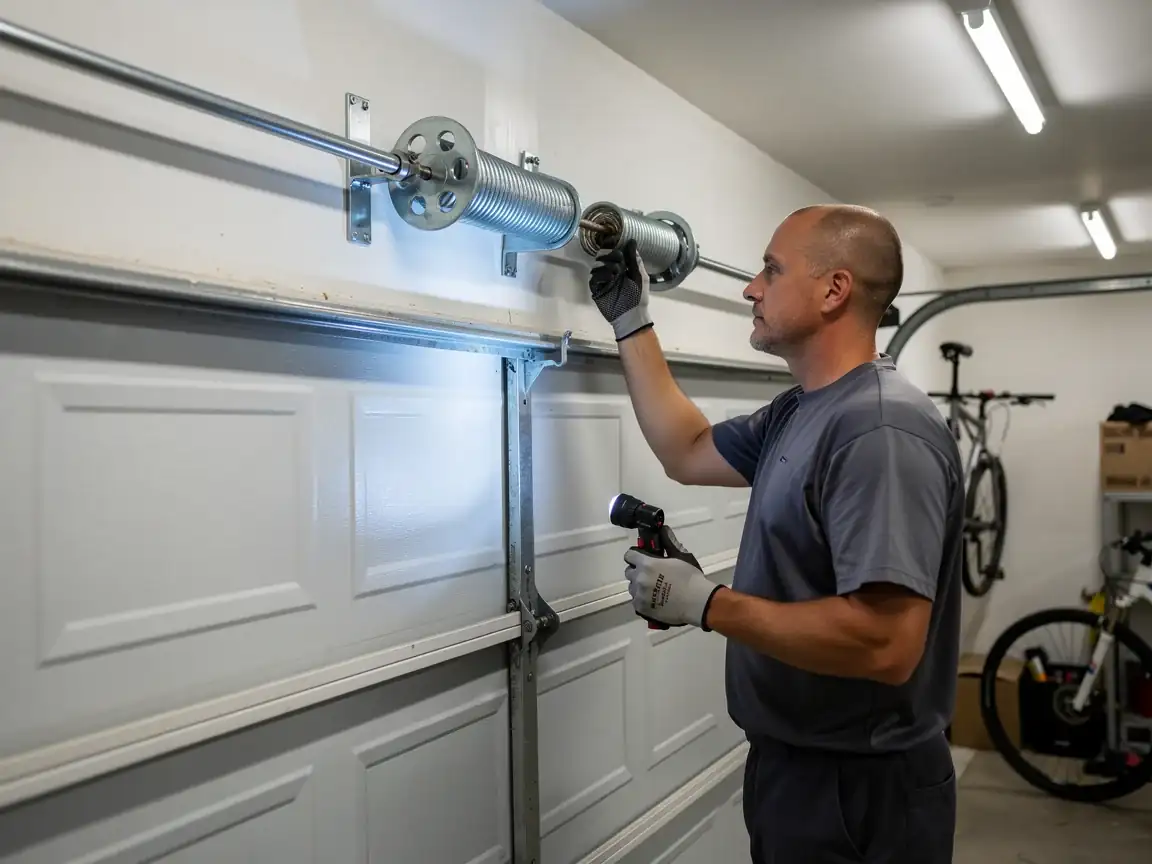
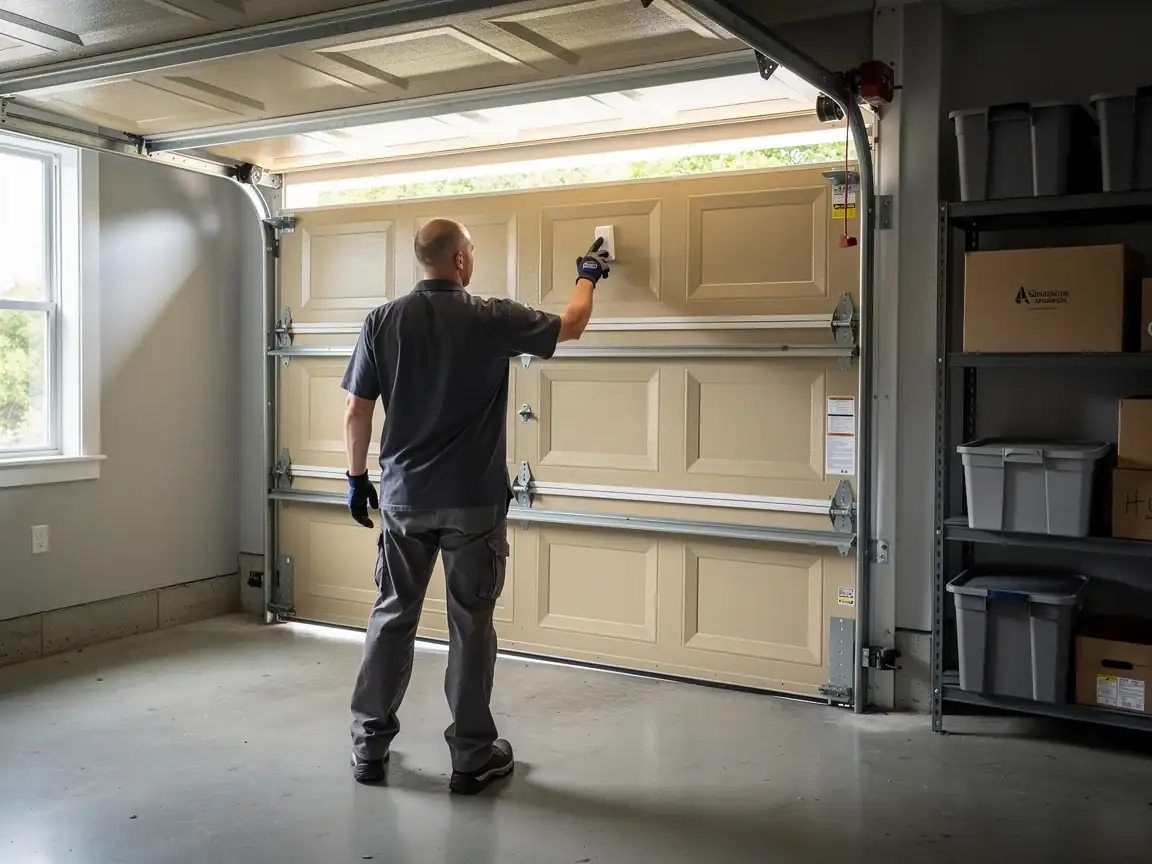
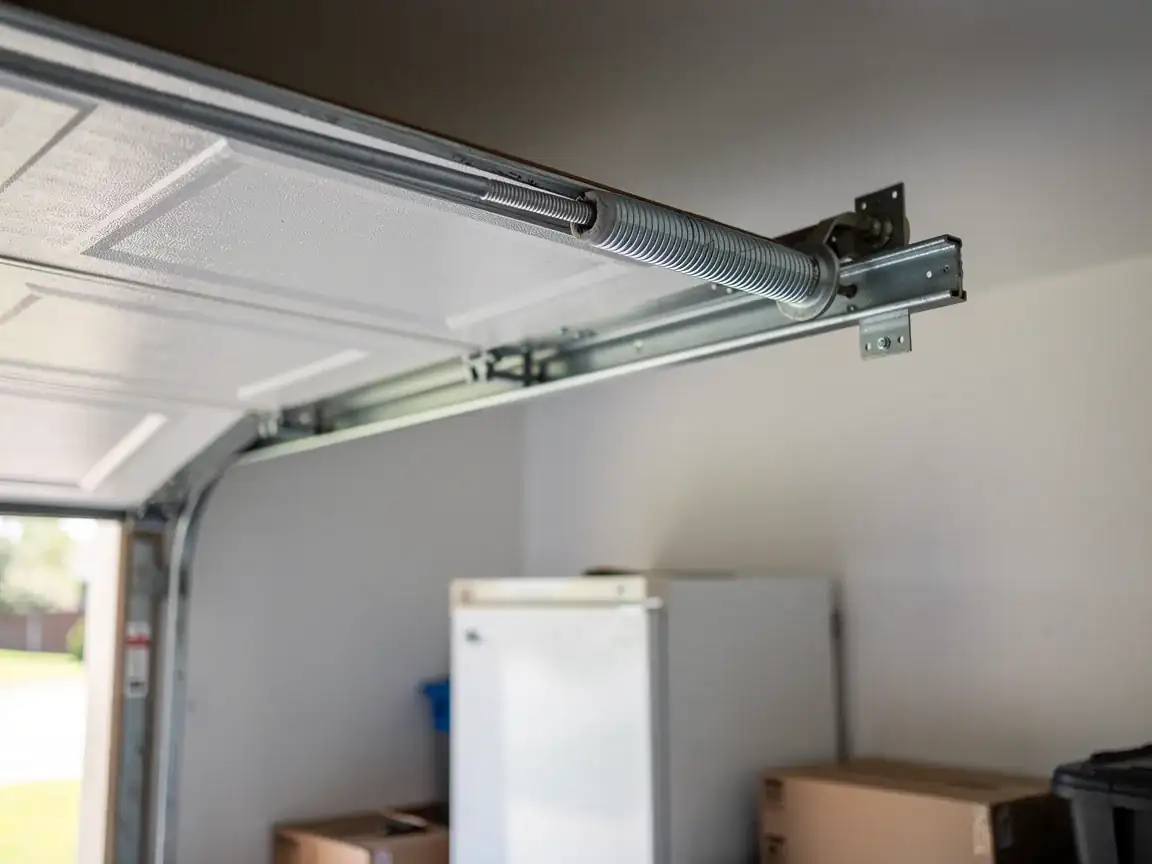
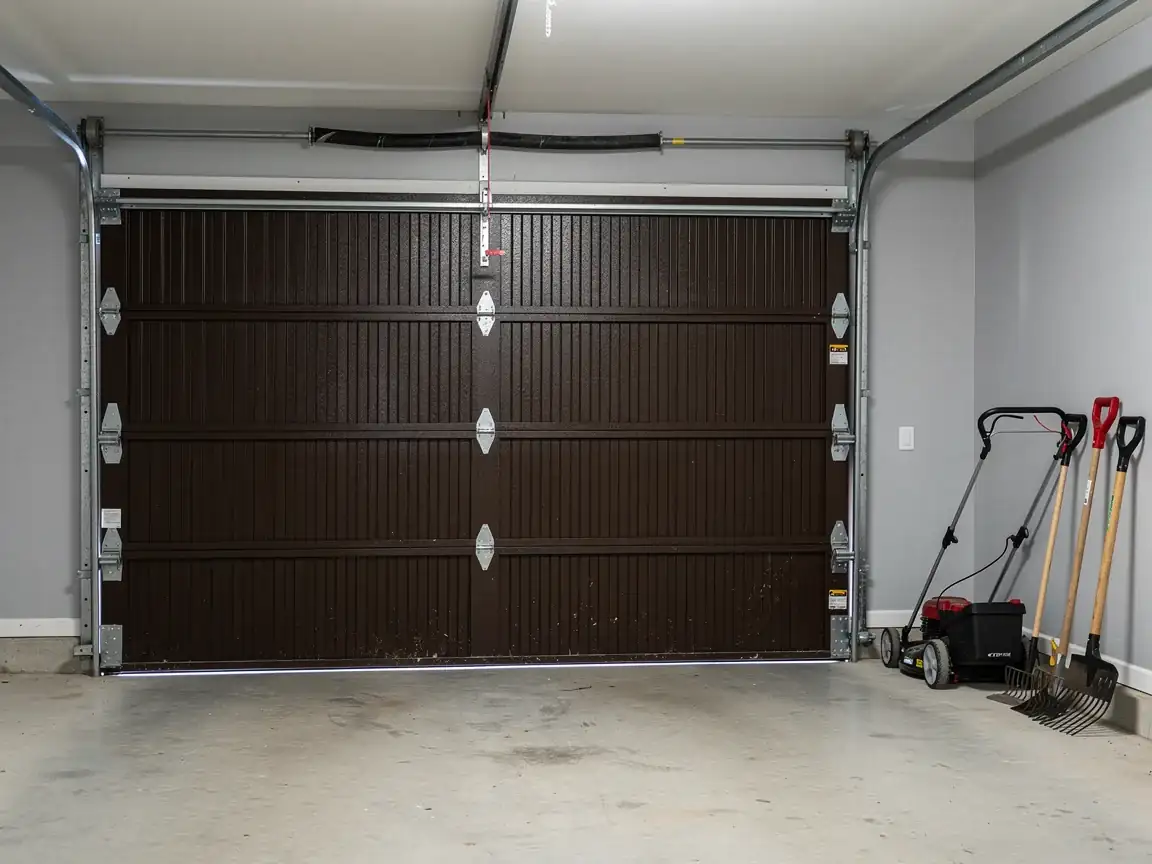
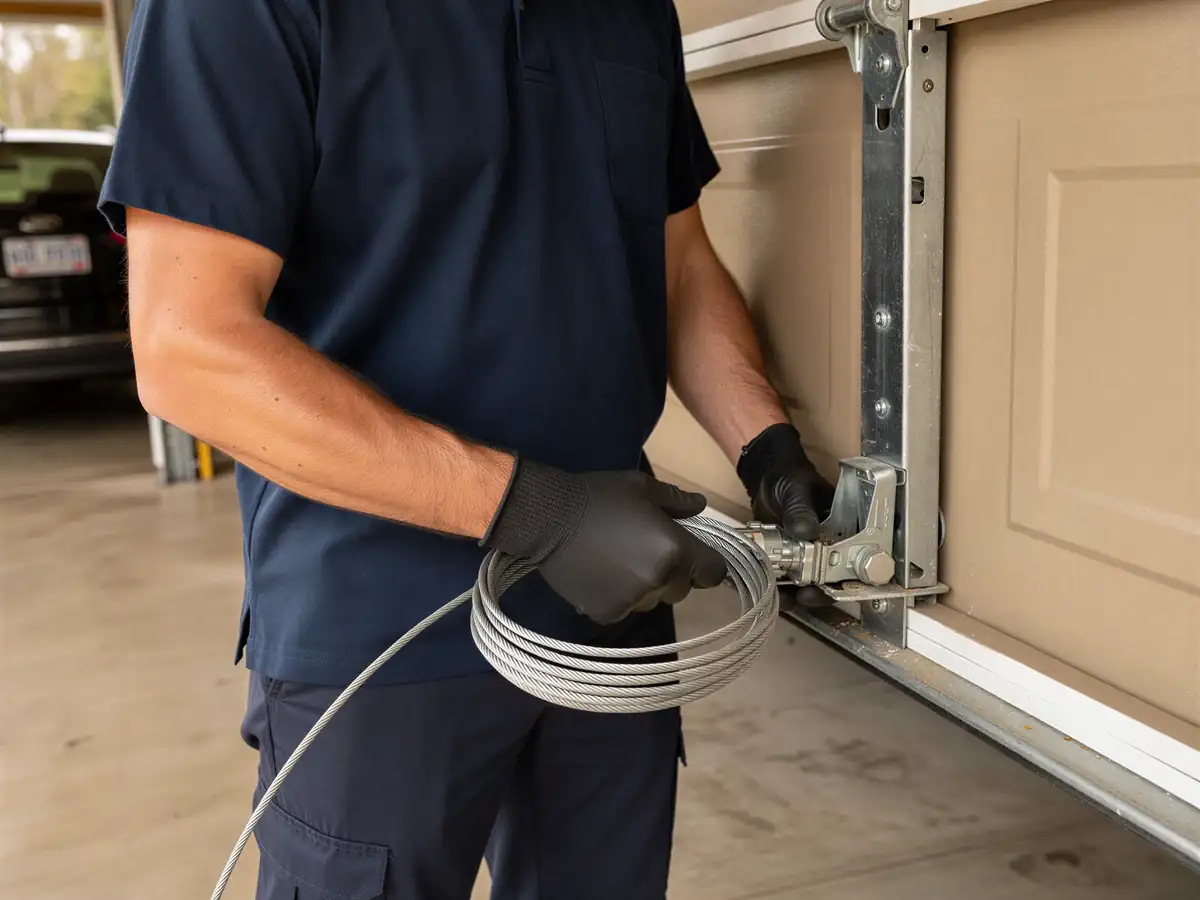
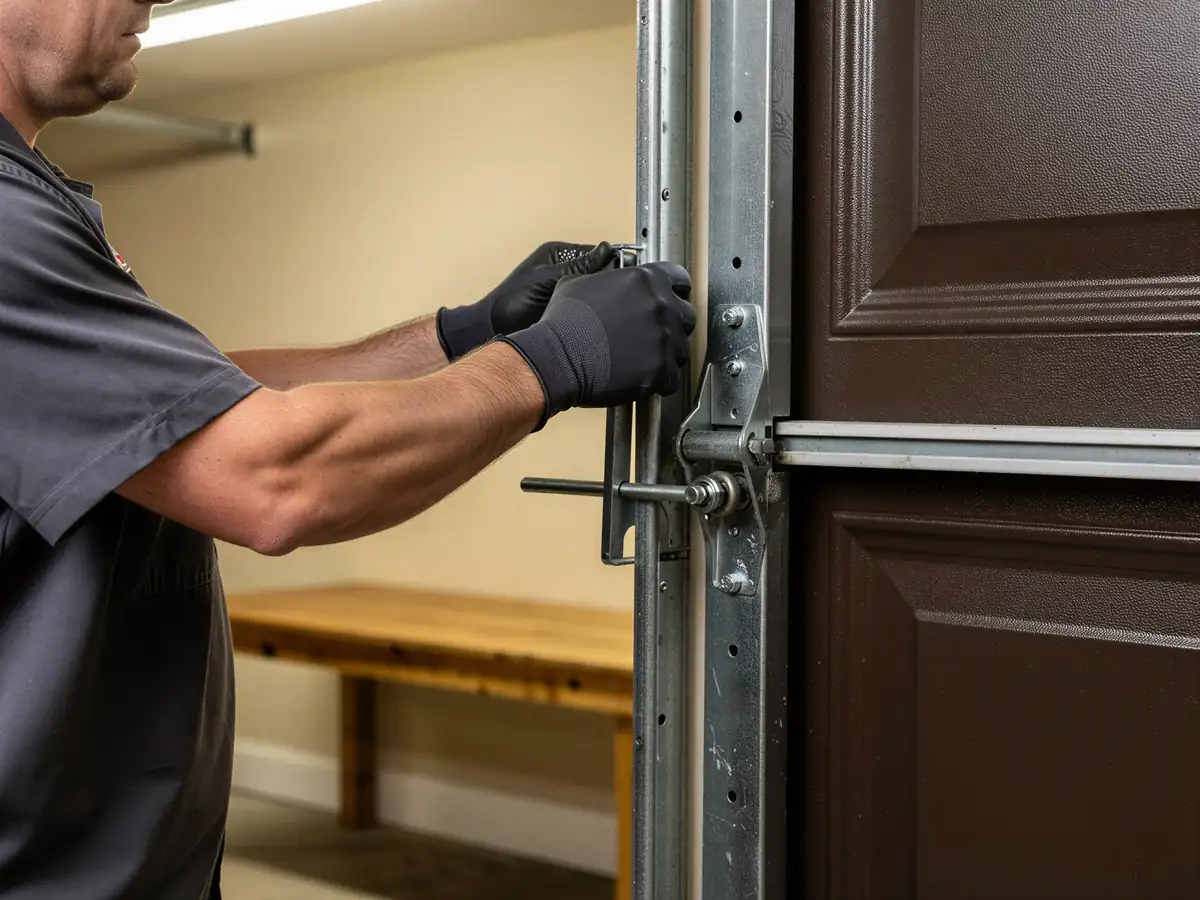
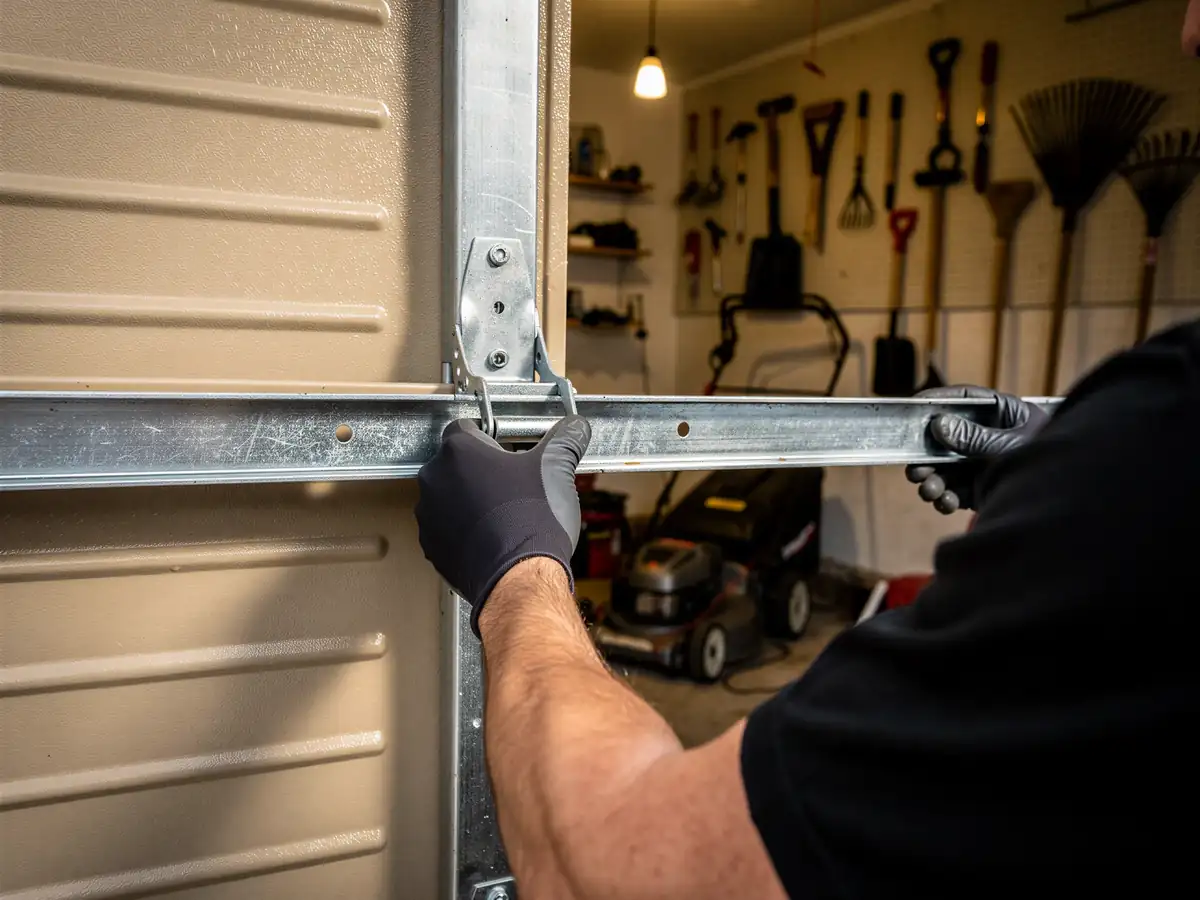
The job that looks simple on the phone and isn't is almost always a double door with one original spring doing the work of two. If only one spring has snapped and the other is original from 1996 as well, replacing just the broken one is a short-term patch - the second spring is on borrowed time and will go within months, often while we're back out on a different call. We'll tell you that straight rather than sell you half a fix. The other place this goes sideways is track alignment on houses with settled slabs, which is common enough in housing from this era that we check it on every call, not just the ones where it's obviously bent. Honest limitation: if the opener motor is original and the circuit board is failing, parts for openers that old are sometimes back-ordered, and we'd rather tell you upfront that a full opener swap might be the faster path than waiting on a board we can't get next-day.
The DIY Question
A torsion spring under tension is not a safe weekend project, full stop - the stored energy in a wound spring has put people in the hospital, and that's true whether the door is five years old or thirty. What you can reasonably do yourself: listen for grinding before it becomes a snap, check that the door isn't dragging on one side, and keep the track clear of dust and debris, which builds up fast in a severe-heat climate where garages run hot and dry. What you shouldn't do on a door from the 1996 build era is assume a new remote or a opener reset fixes a mechanical problem - if the door is heavy to lift by hand with the opener disengaged, that's a spring problem, not an electronics problem, and it's worth a call rather than a trip to the hardware store.