Why It Happens Here
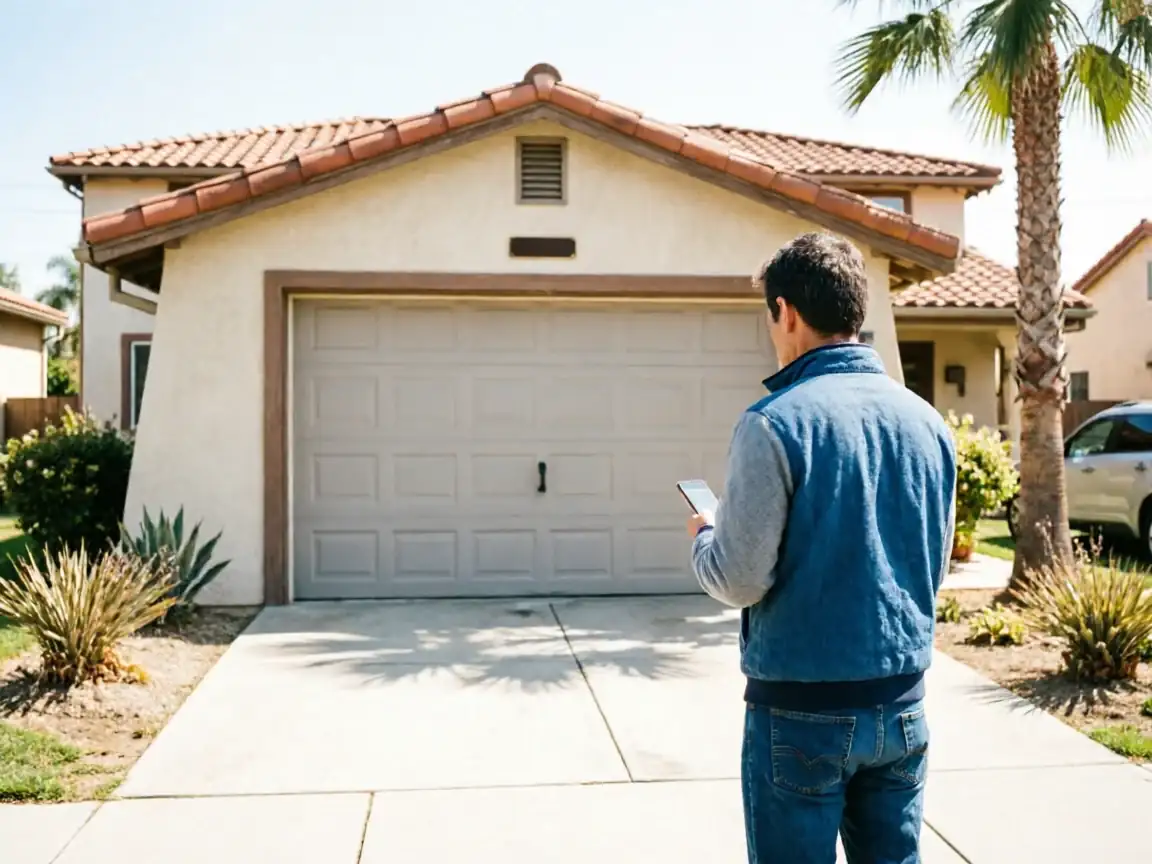
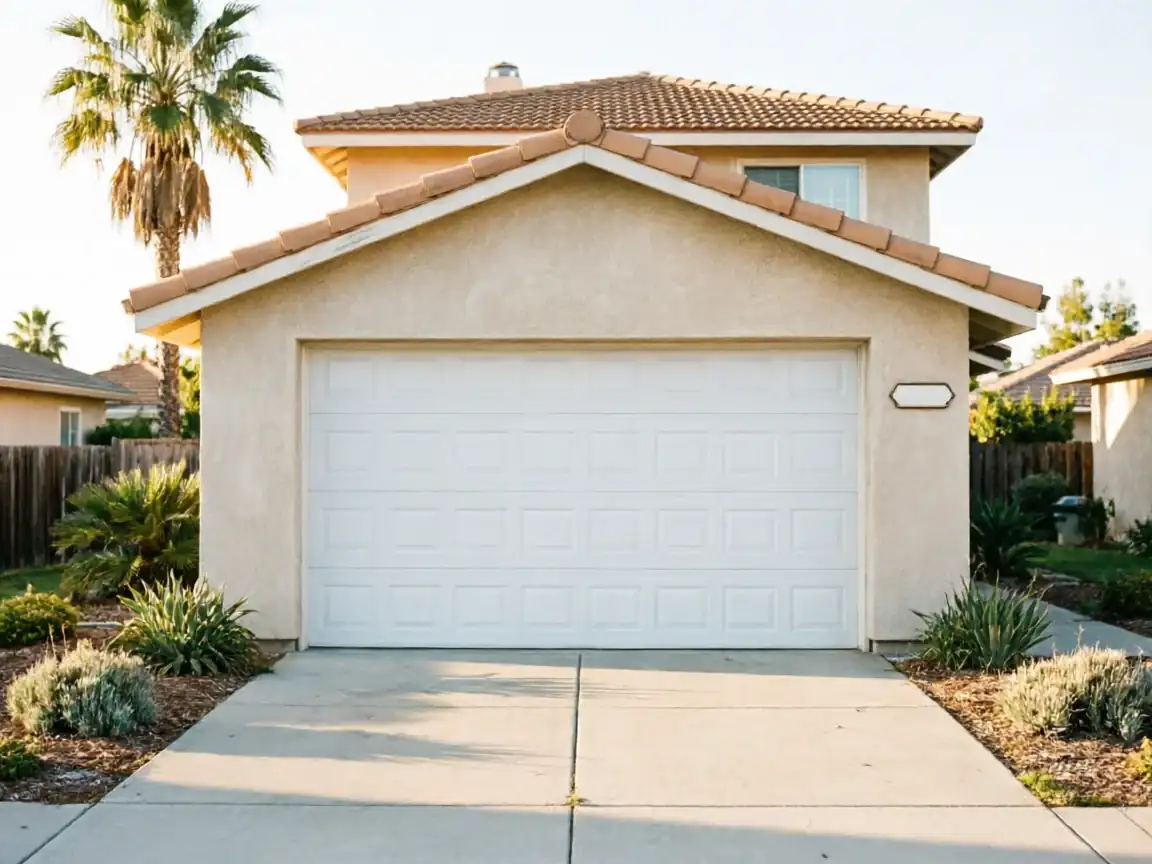
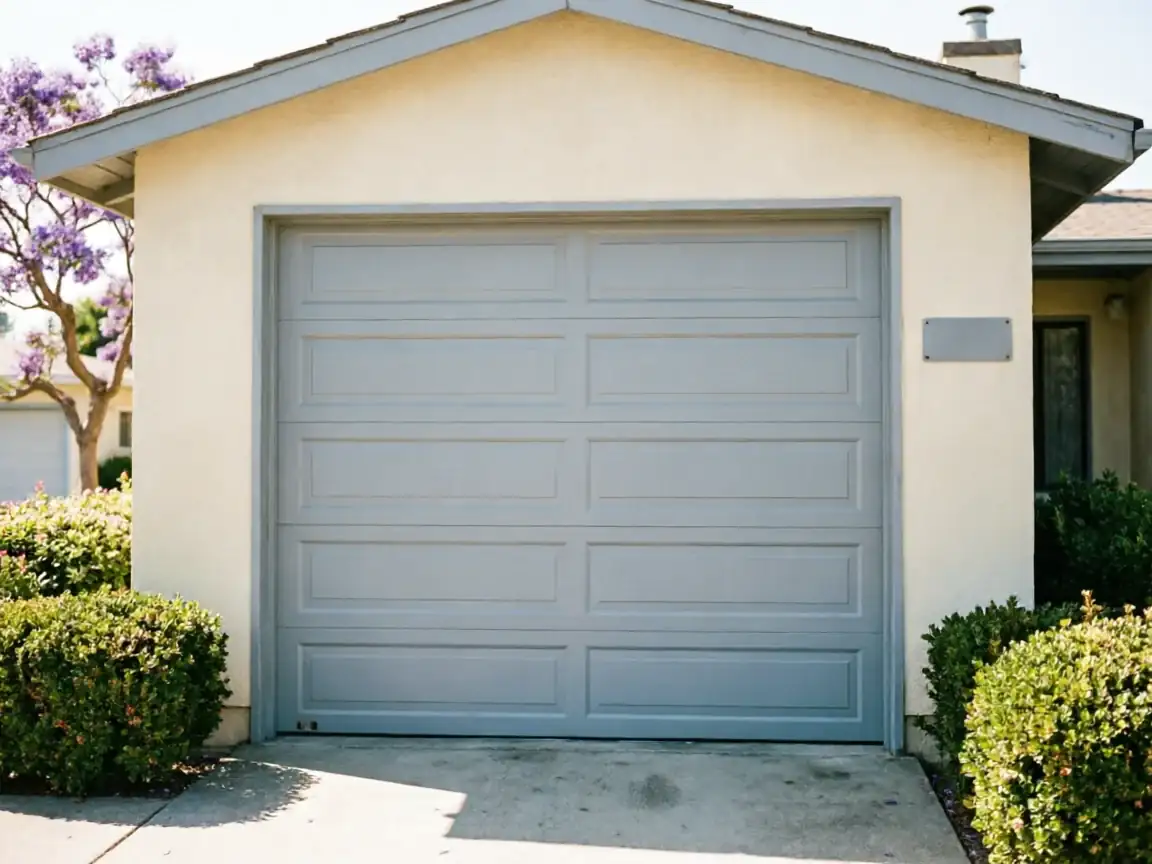
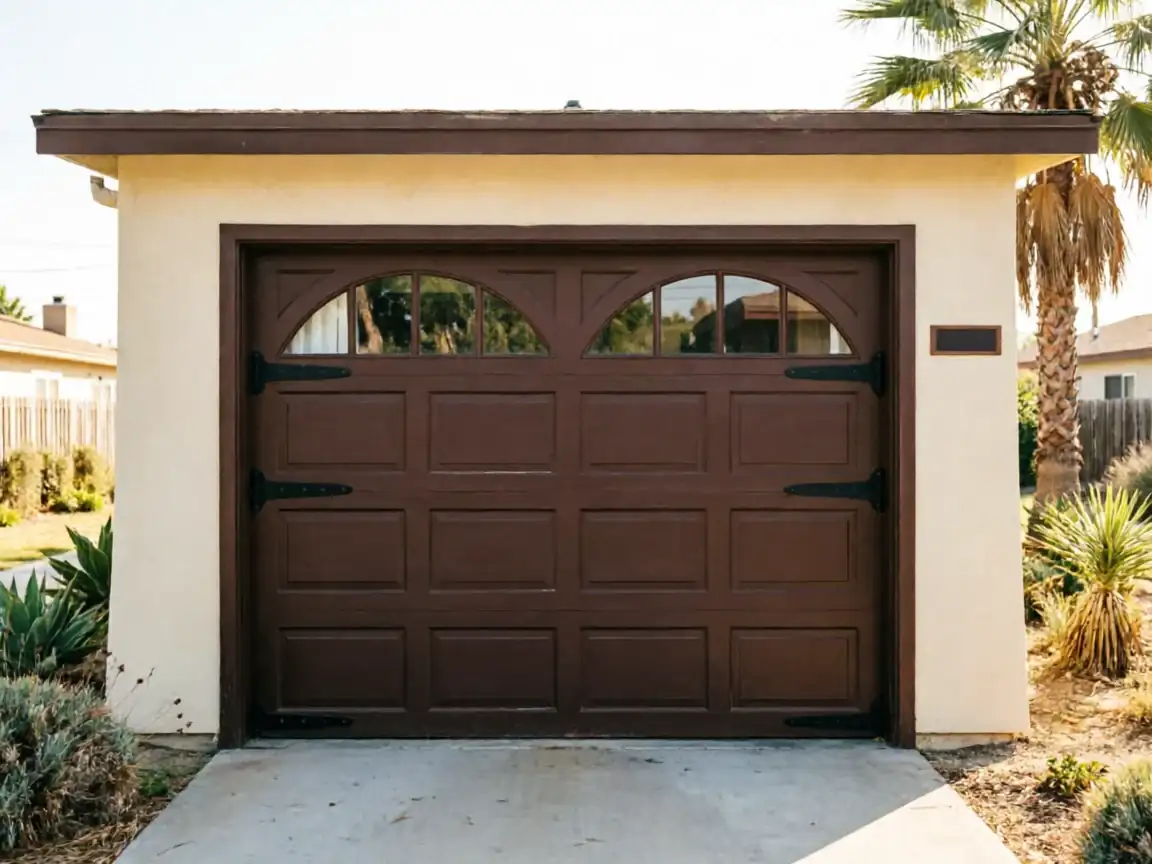
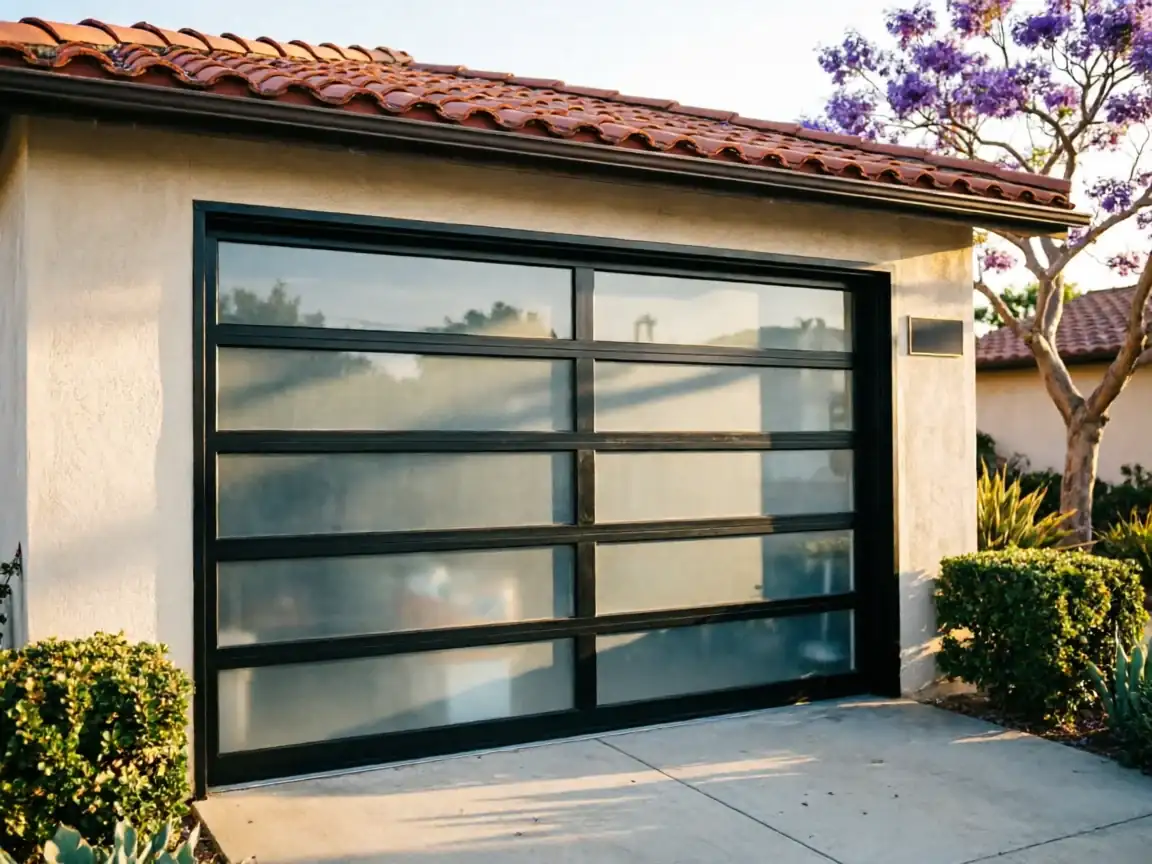
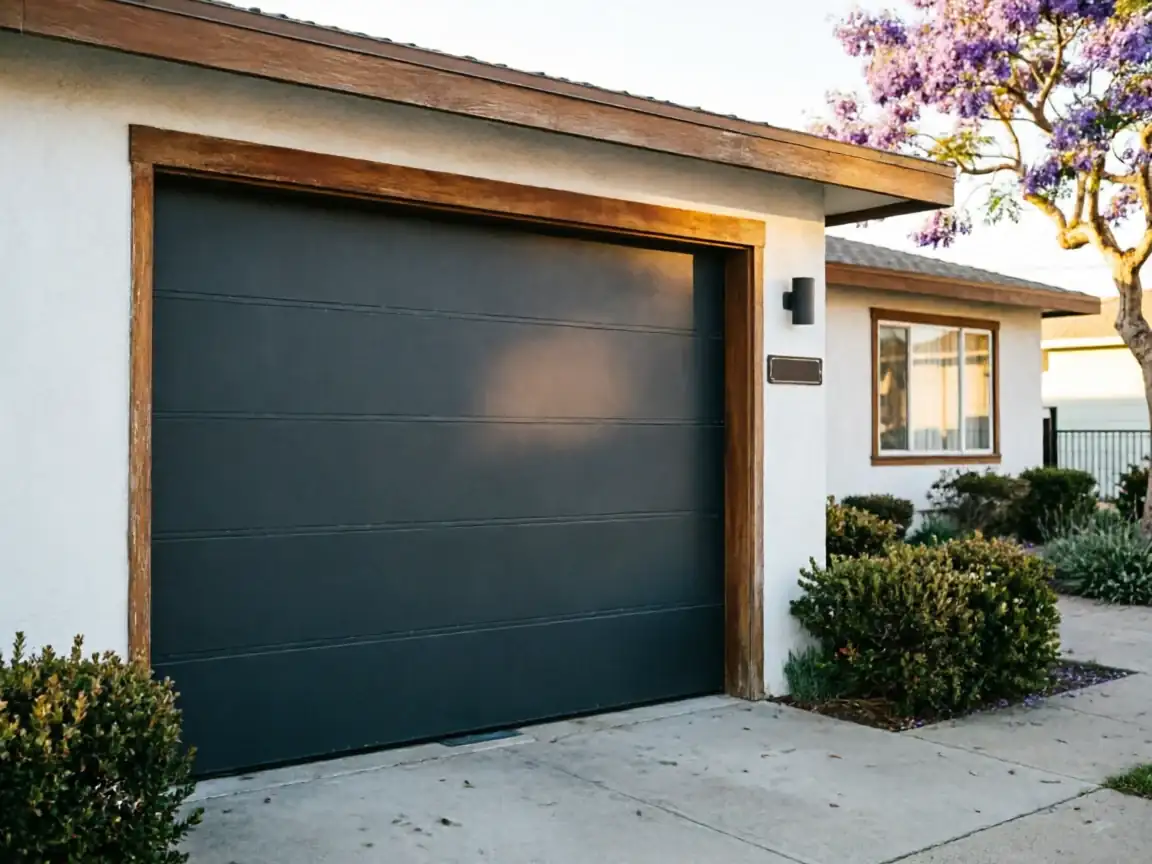
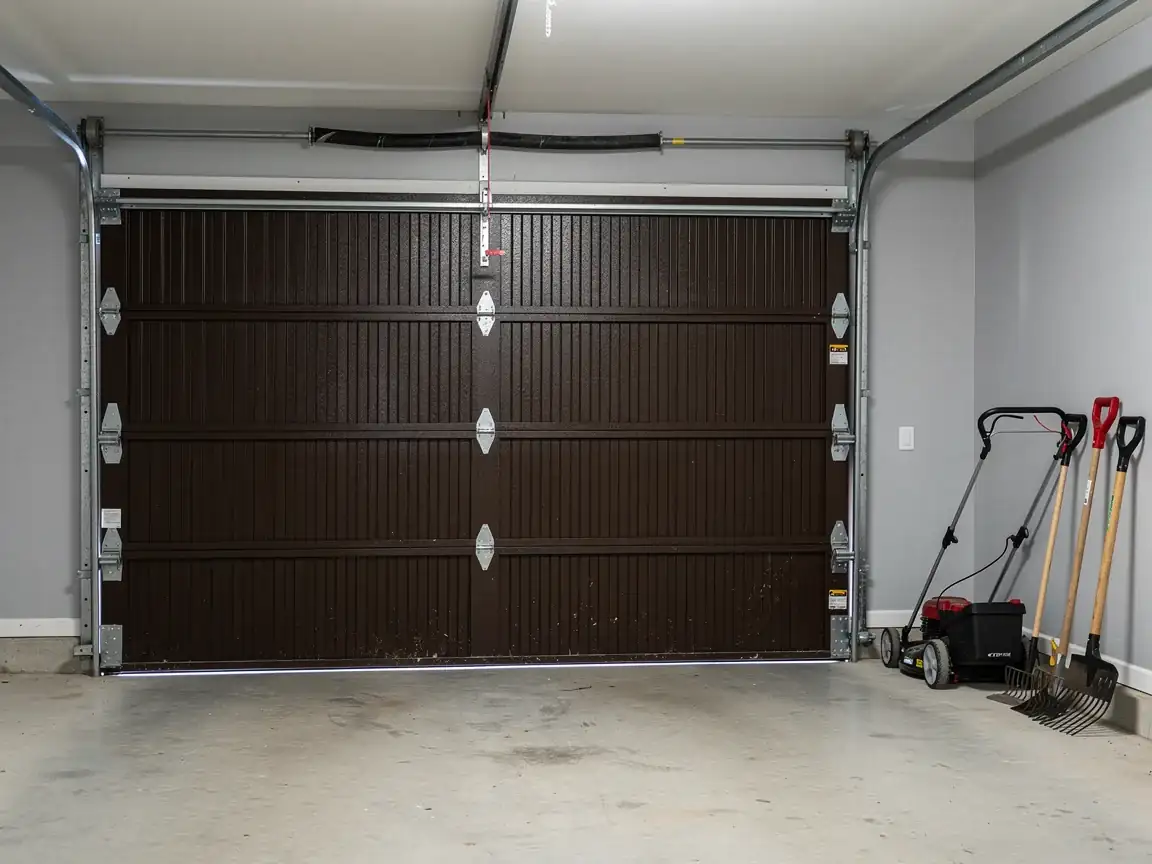
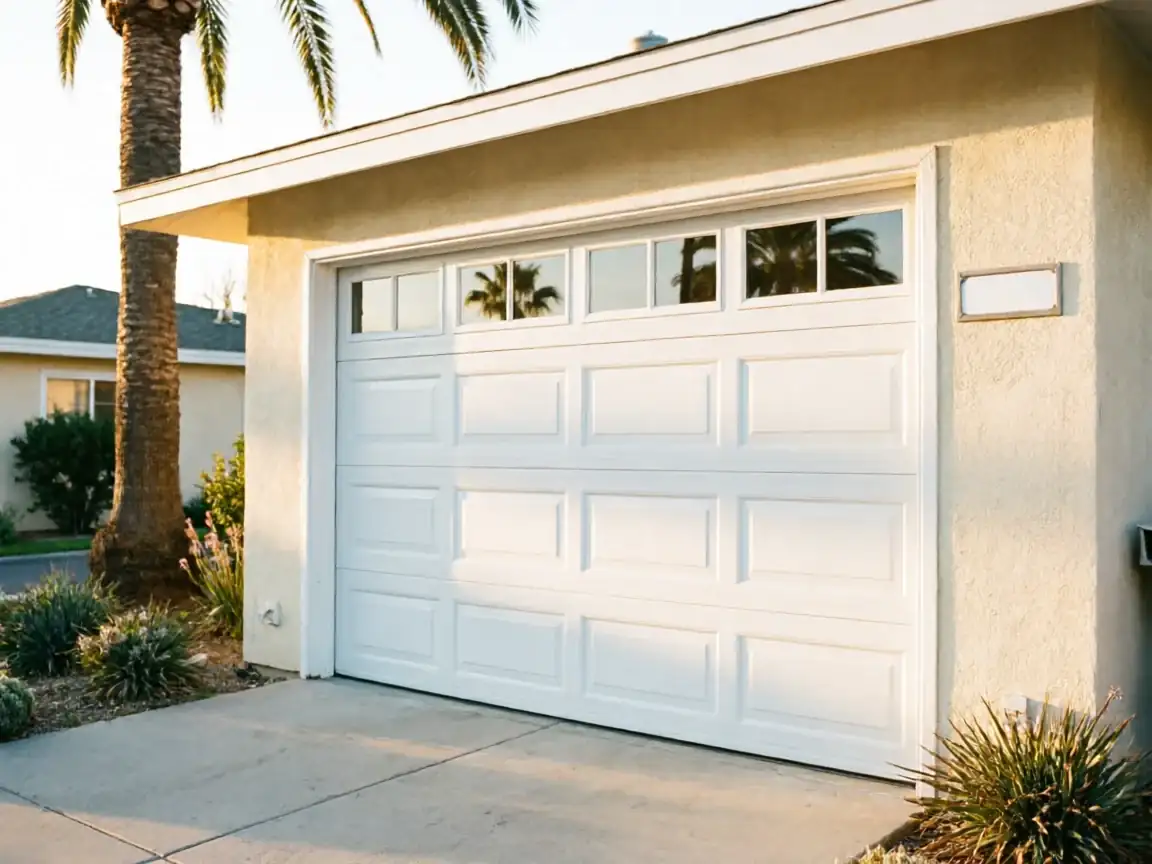
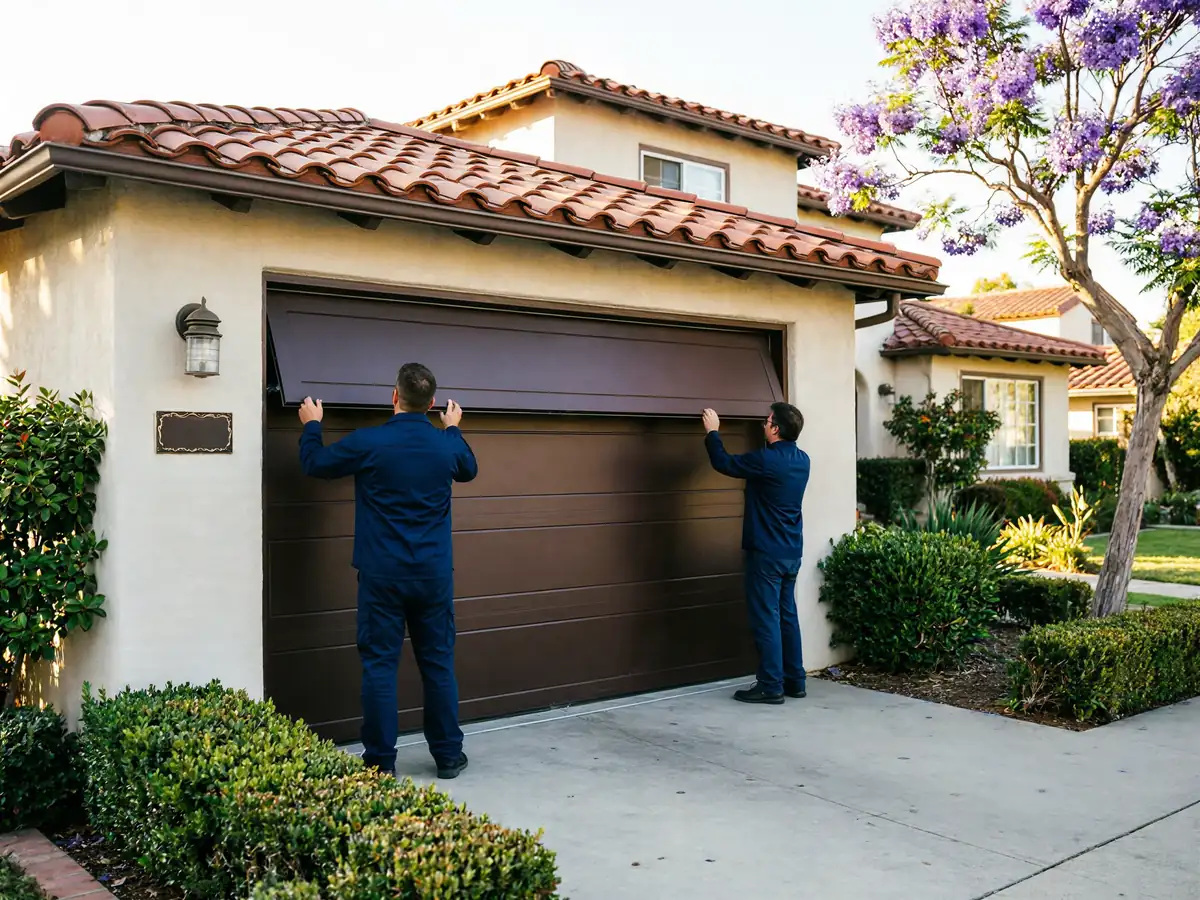
Riverbank sits in a severe-heat climate band, and that matters more for a garage door than most homeowners expect. Steel panels expand and contract through the summer, and a door that was never insulated transfers that heat straight into the garage and often into an attached room. Homes built around the 1996 median typically got single-layer steel doors with no insulation value, because insulated panel doors weren't the default builder spec then. Swap that door today and you've got a legitimate choice between single-layer and insulated steel, which changes how much heat soaks through on a 100-degree afternoon. With roughly 7,266 households in Riverbank and a median income near $90,216, we see a fair number of owners upgrading to insulated doors specifically for the heat, not for noise or looks. That's a local pattern tied to the build era and the climate, not a sales pitch.
Where This Job Goes Sideways
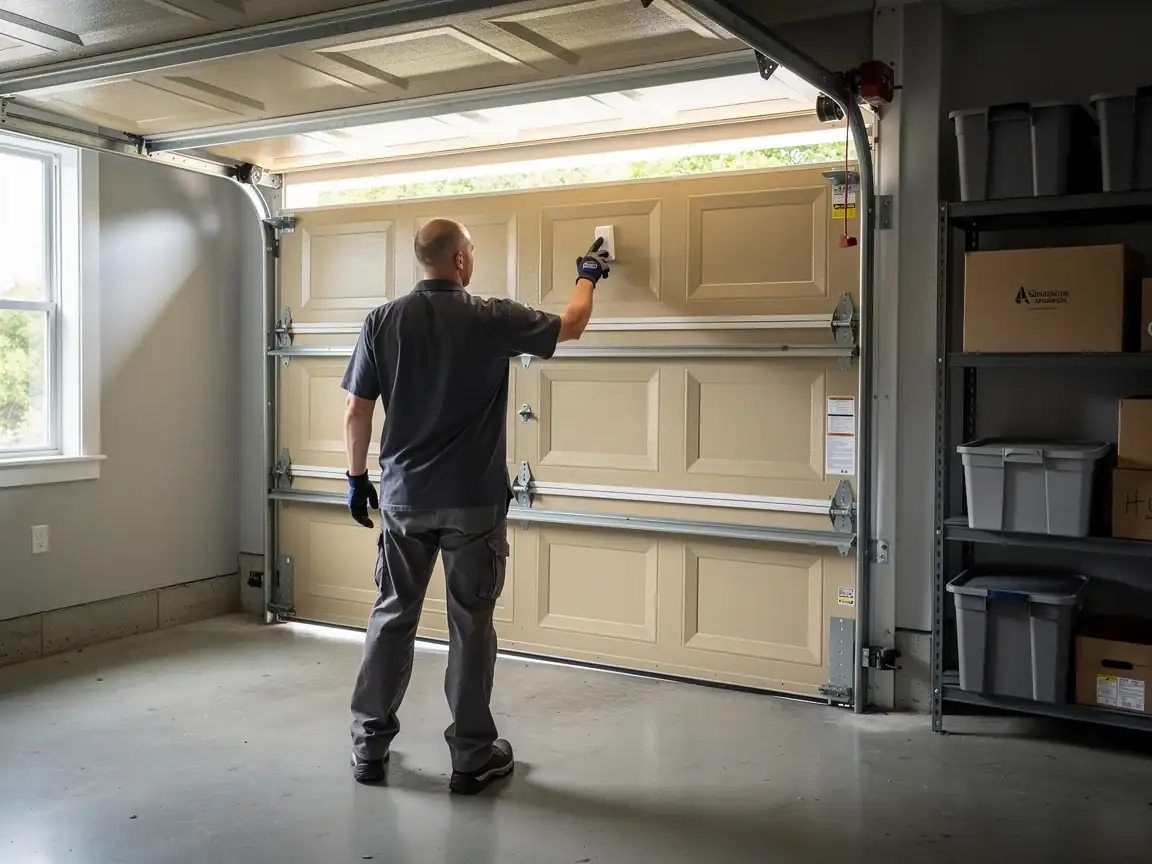
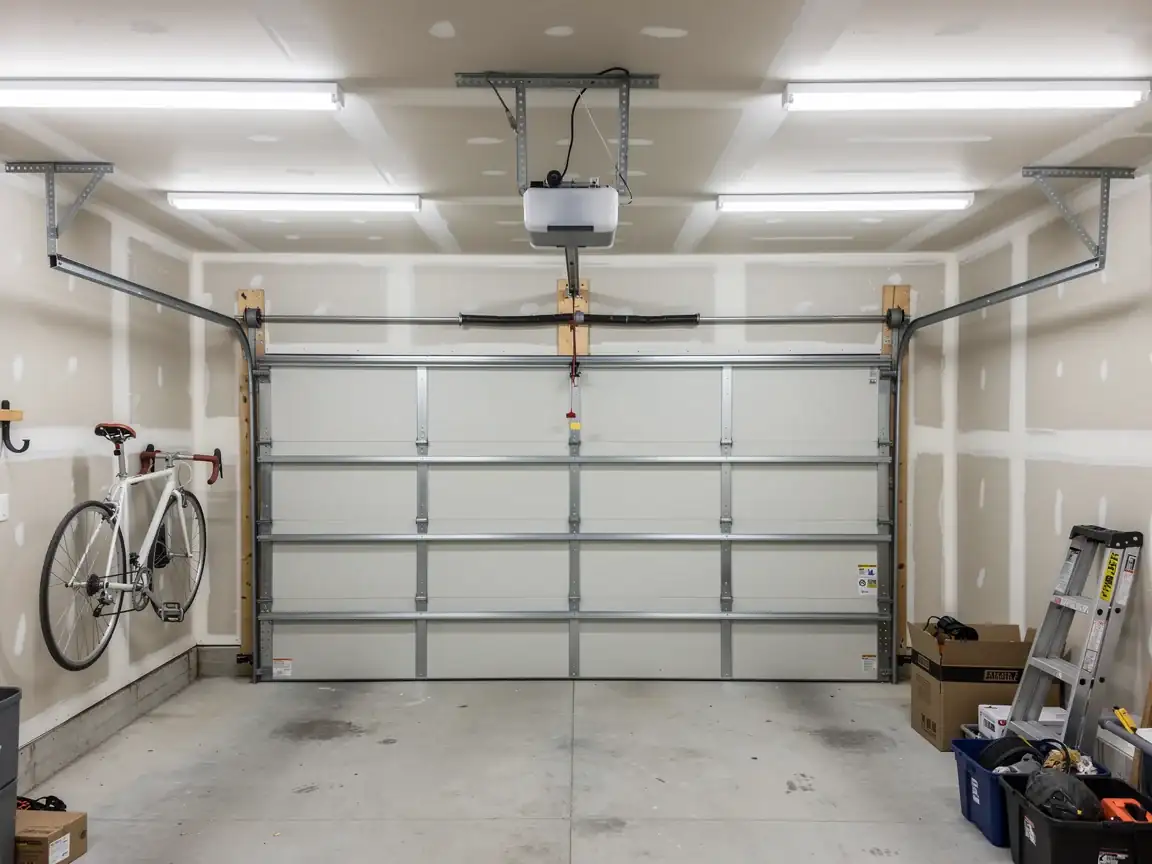
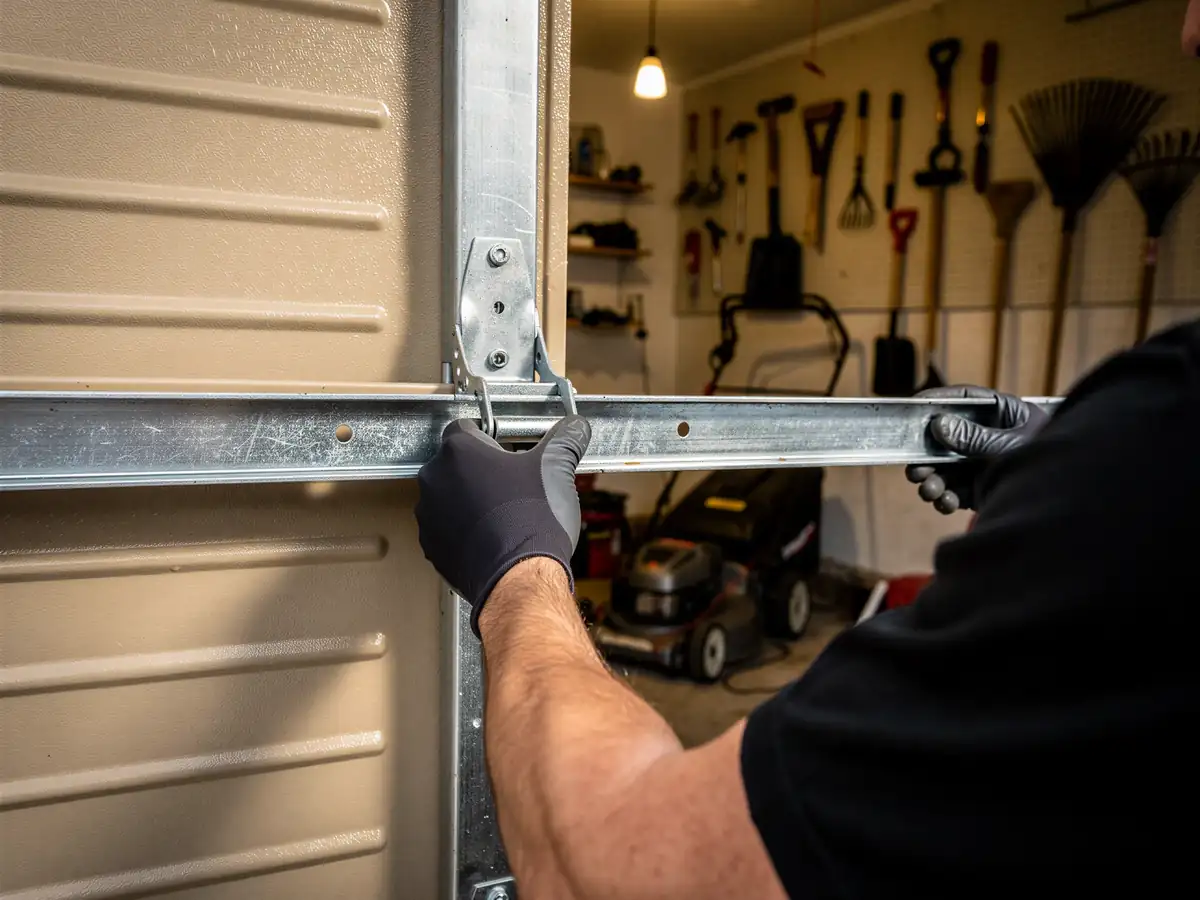
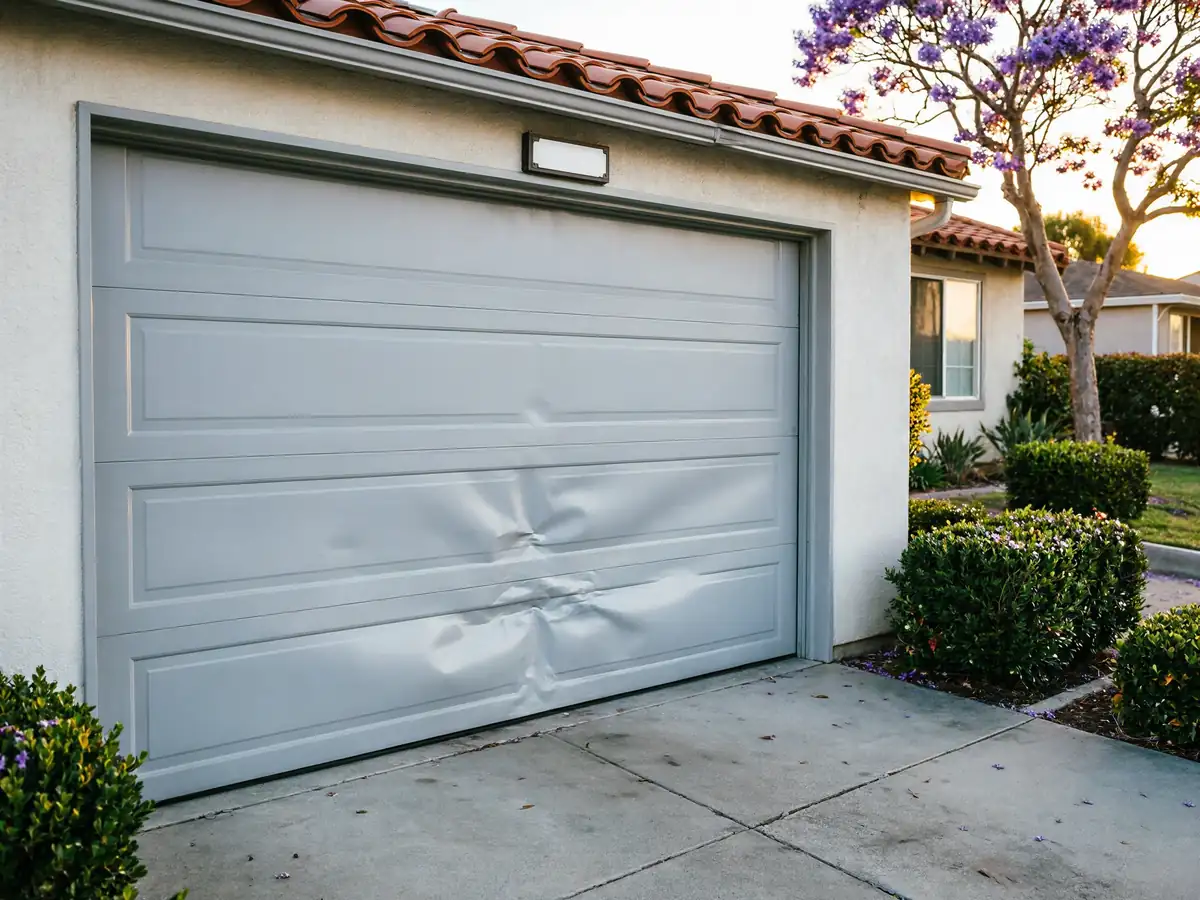
The part that catches people off guard is the opening itself. A 1996-era garage opening was framed to a standard size for that period, and it's not always square anymore after three decades of foundation settling that's common in this part of the Central Valley. We've had to shim, trim, or rebuild jamb sections on jobs where the new door's manufacturer spec didn't match the existing rough opening. Skip that step and you get a door that binds on one side or won't seal at the bottom, which defeats the point of upgrading for heat in the first place. The other place it goes wrong is matching opener horsepower to door weight - an insulated steel door weighs more than the single-layer door it replaces, and an old 1/3 HP chain drive will struggle with it. We spec the opener to the actual door, not the one coming off the wall.
The DIY Question
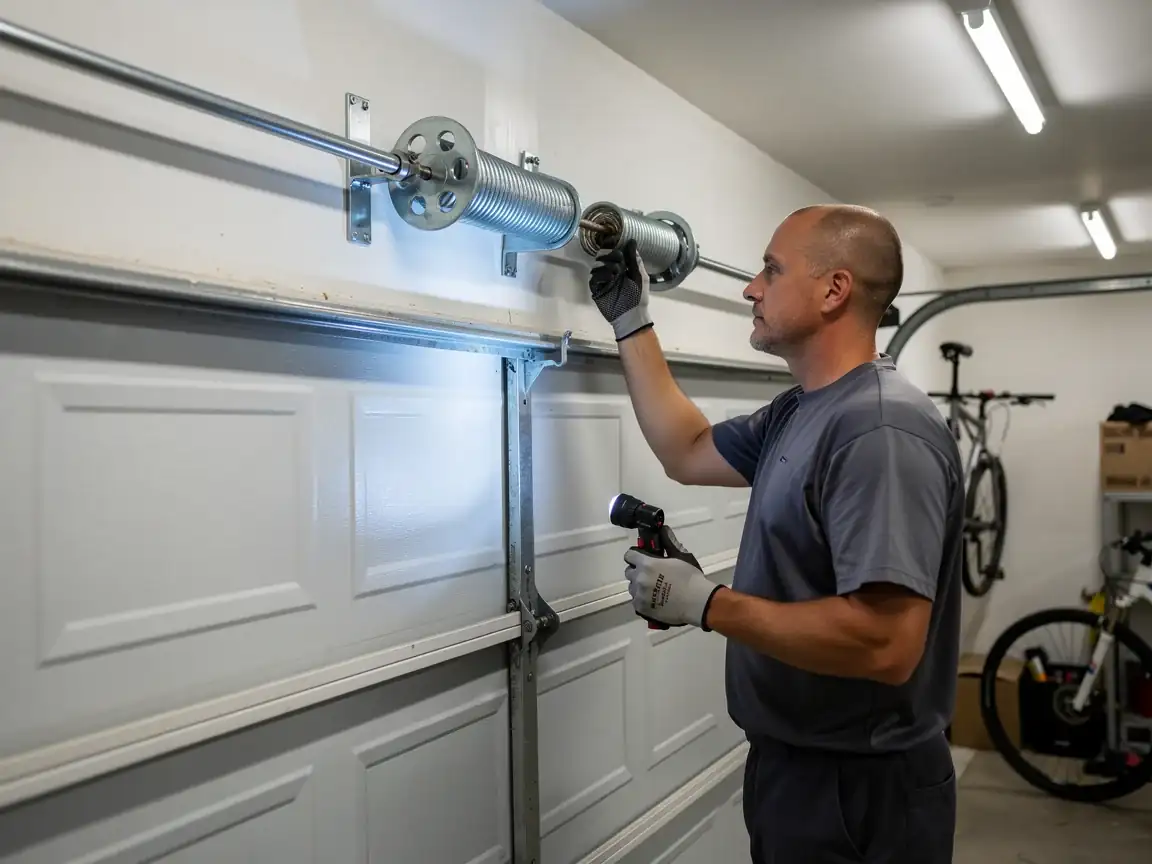
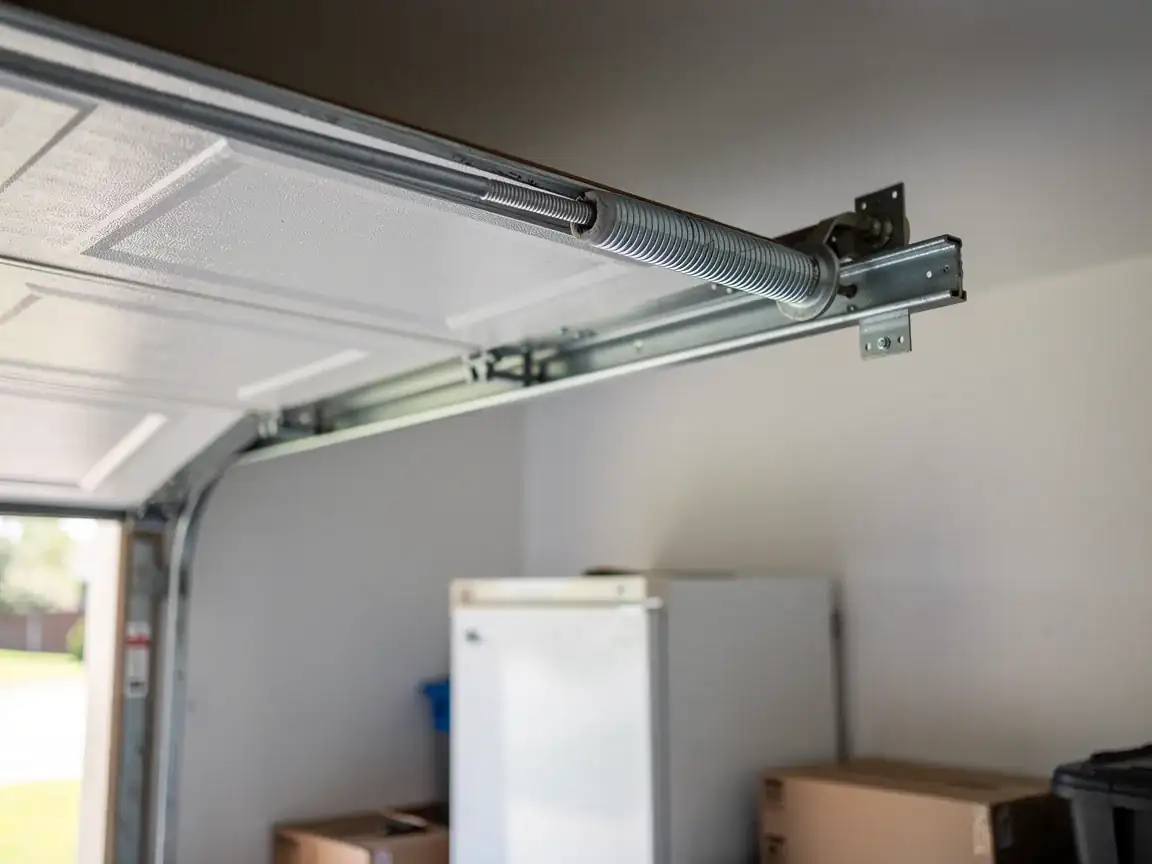
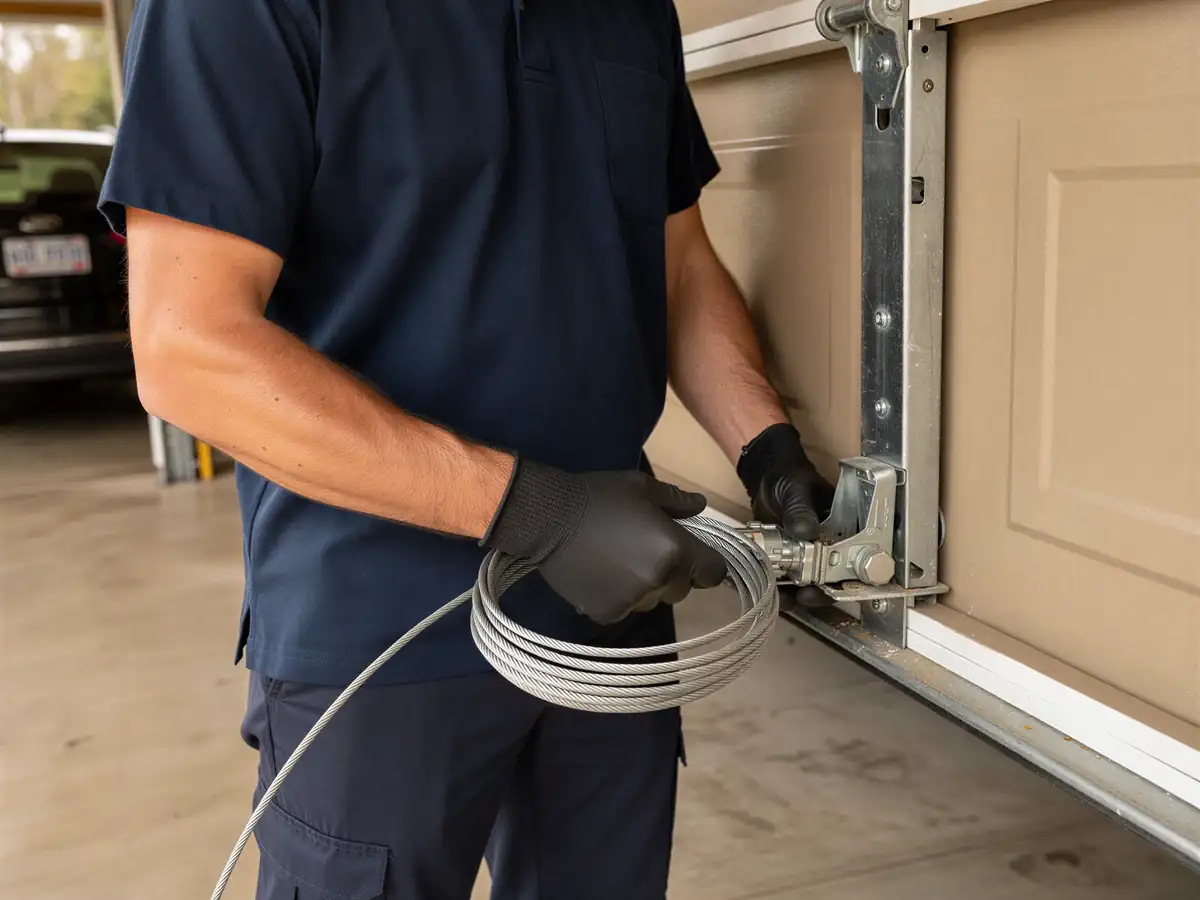
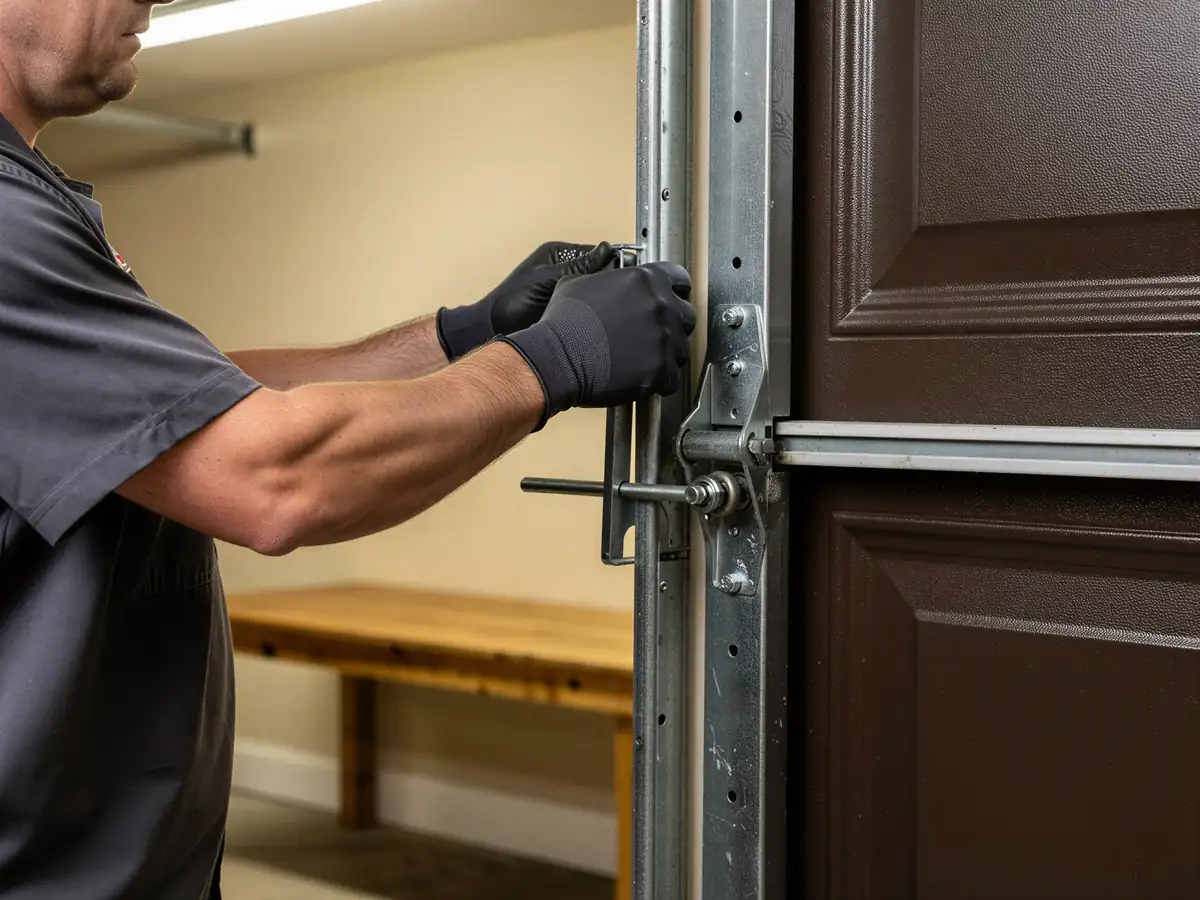
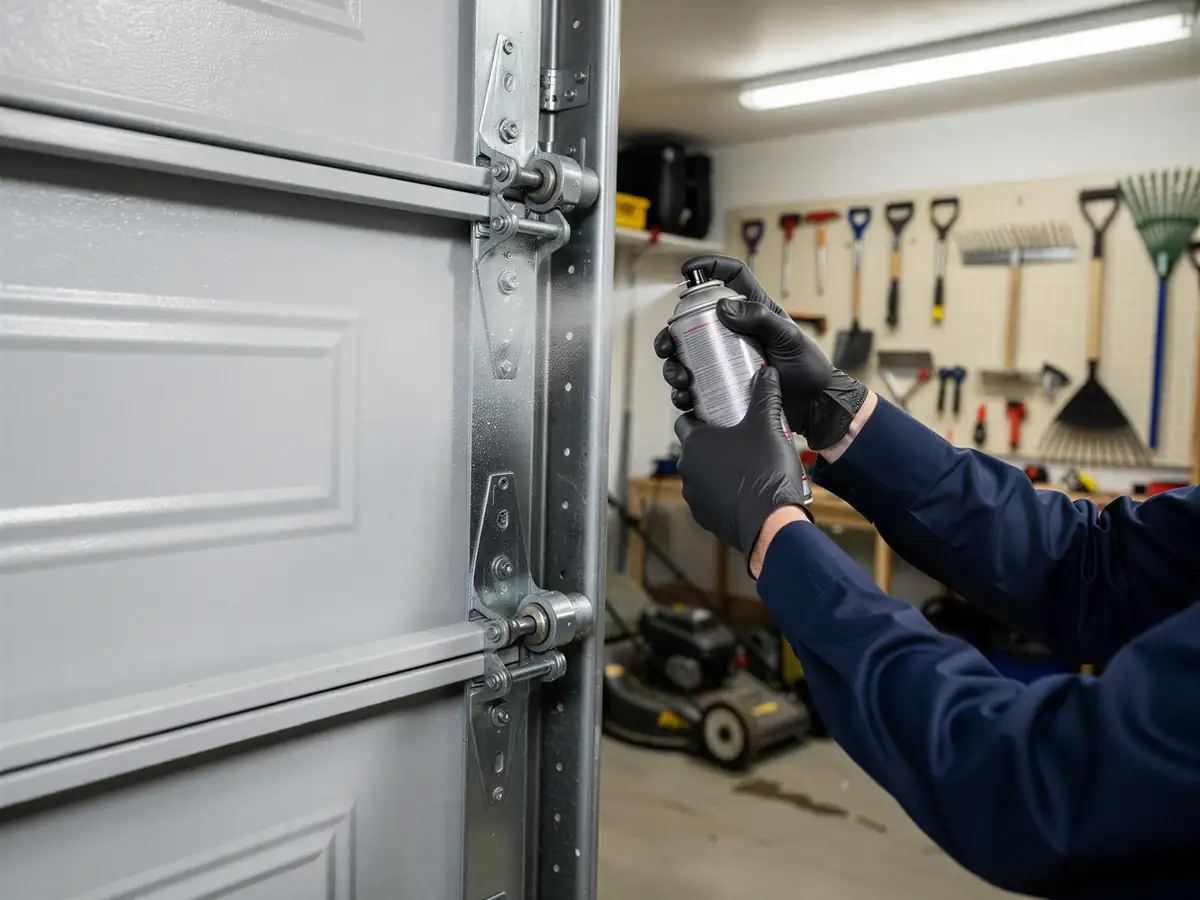
A lot of Riverbank owners are comfortable with general home repair, and swapping panels on a sectional door isn't beyond a handy person. But setting new torsion springs is not a DIY step - the spring is under enough stored tension to cause a serious injury if it's wound or released wrong, and that's true whether the house was built in 1996 or last year. If you're replacing the whole system, including track alignment and opener wiring, that's also where most self-install jobs go wrong, because a door even slightly out of plumb will wear unevenly within a year. We're honest that simple weatherstripping or a remote reprogram is fine to handle yourself. A full door and opener swap isn't, and it's not worth the trip to the ER to save a service call.