Why It Happens Here
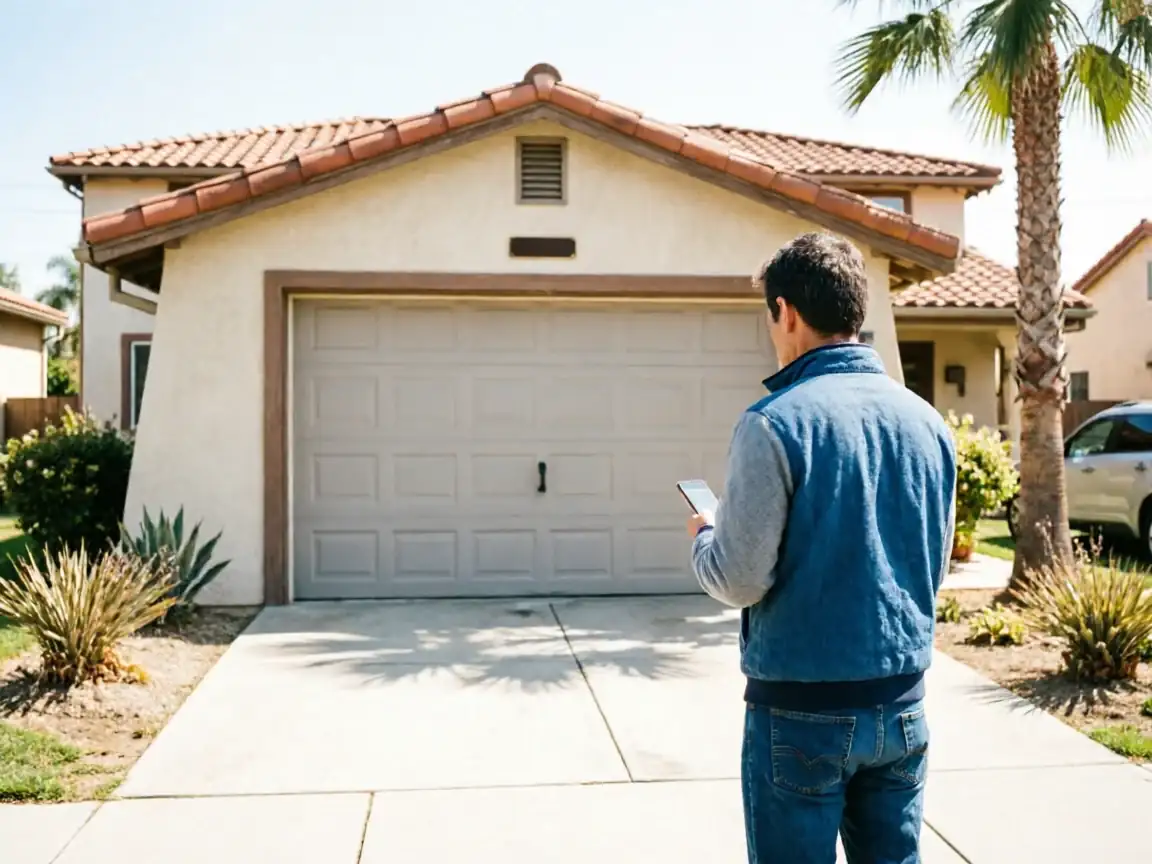
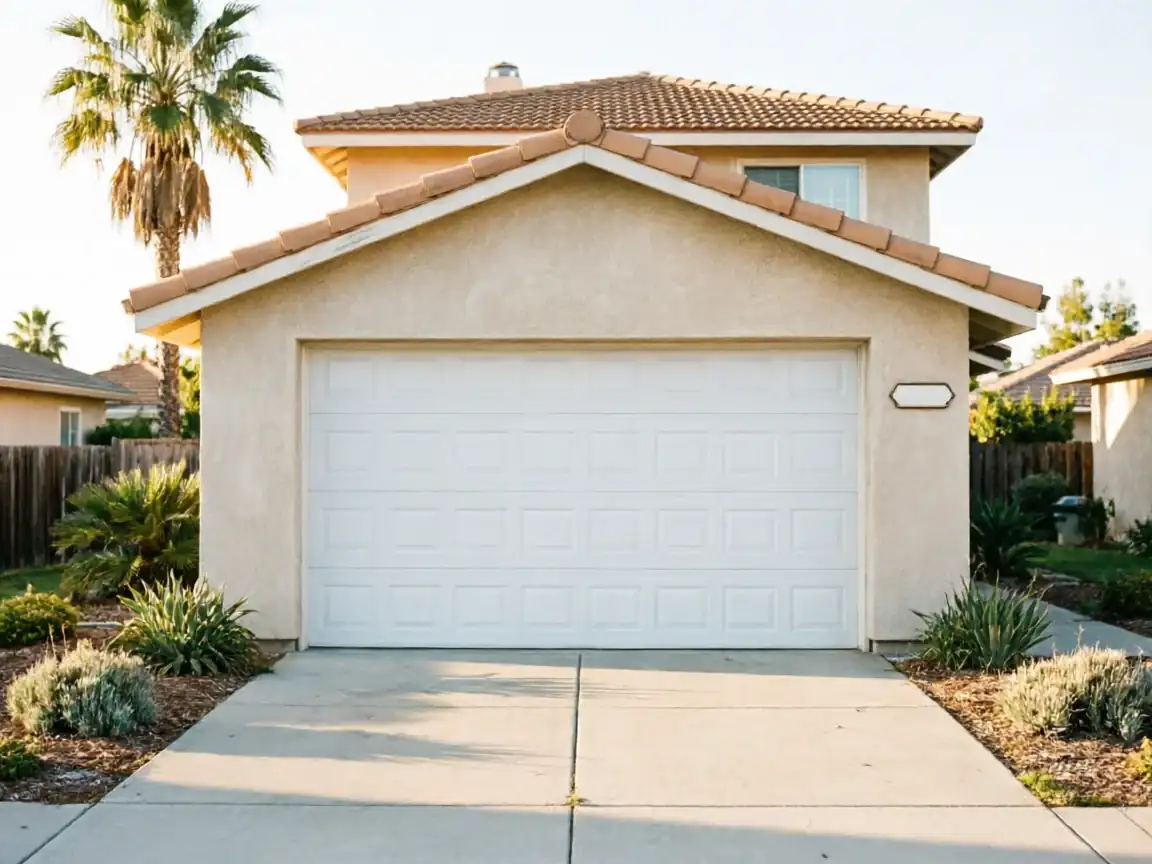
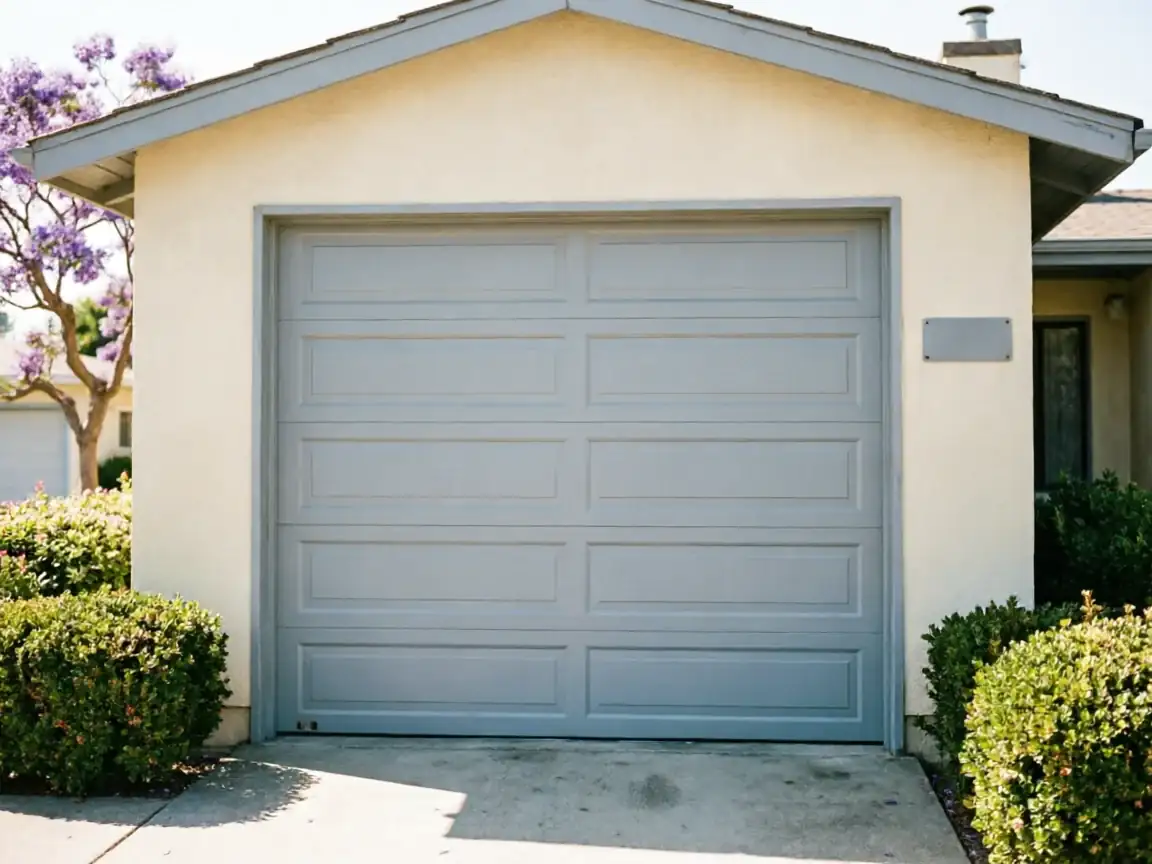
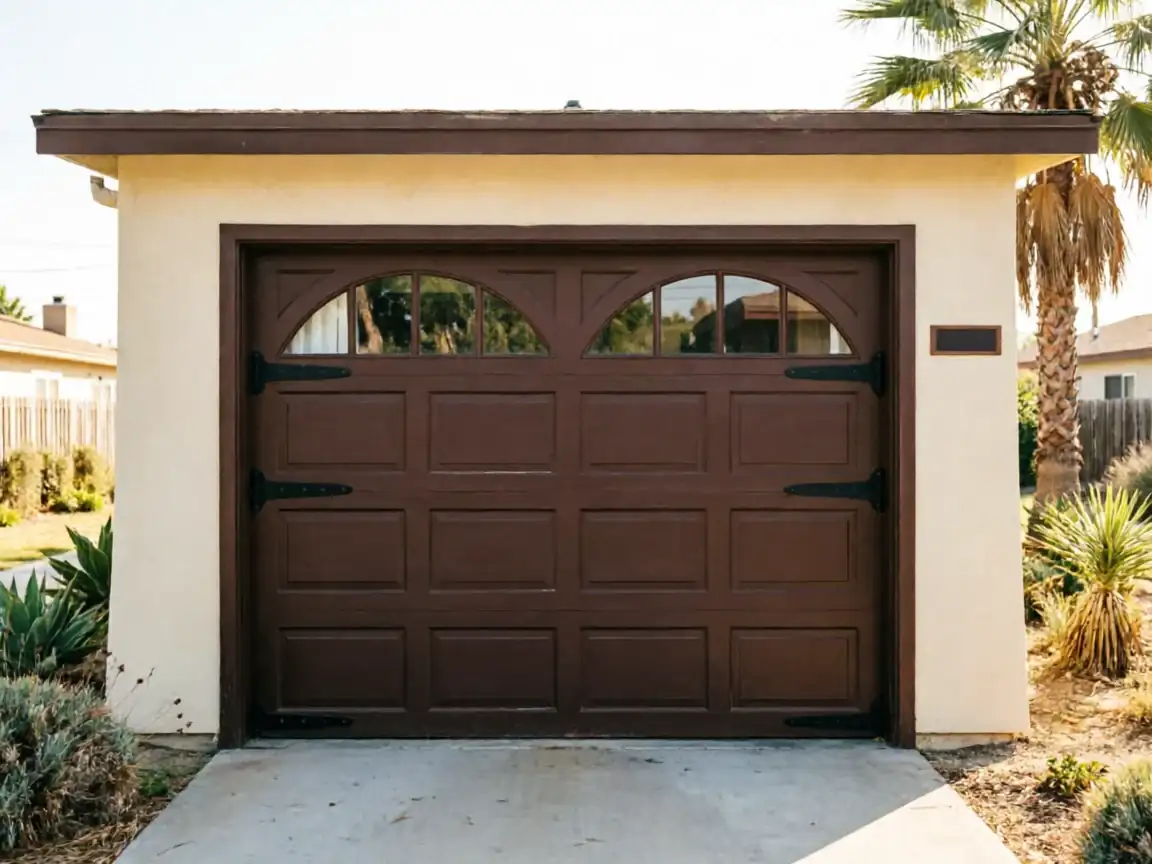
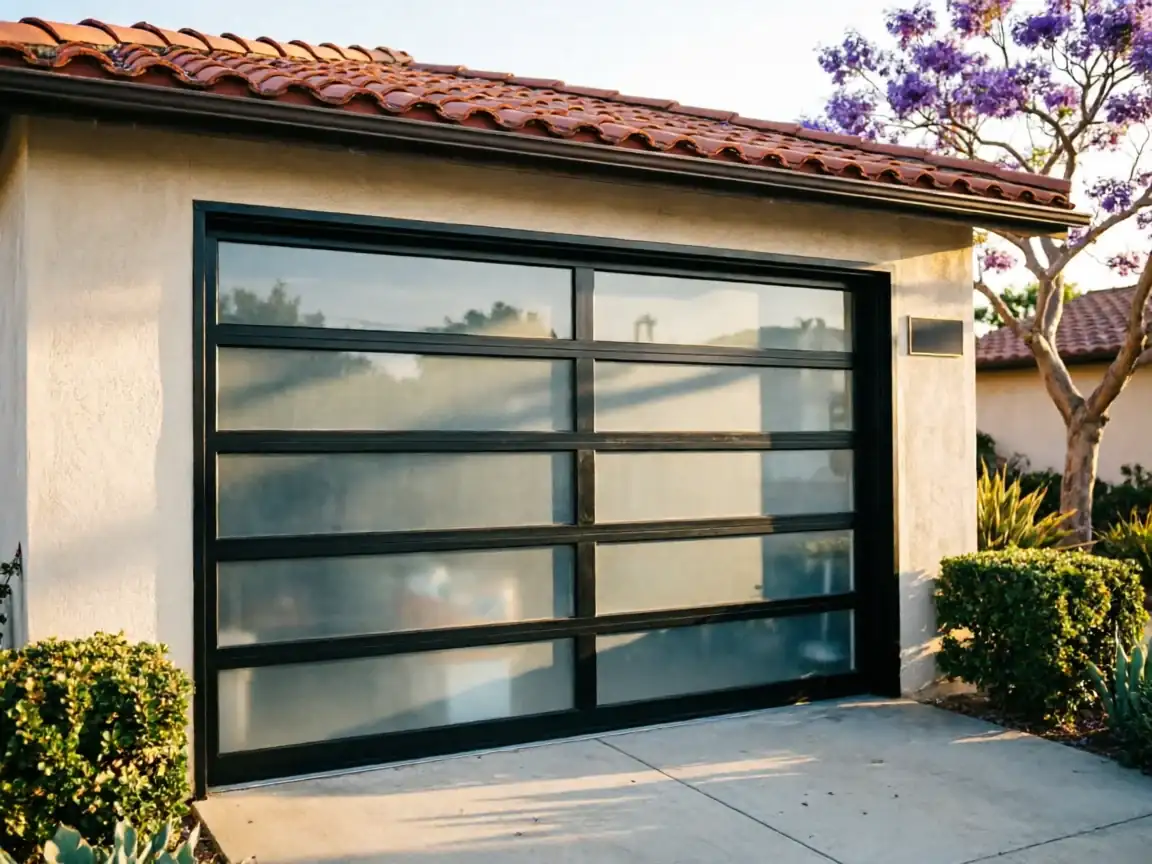
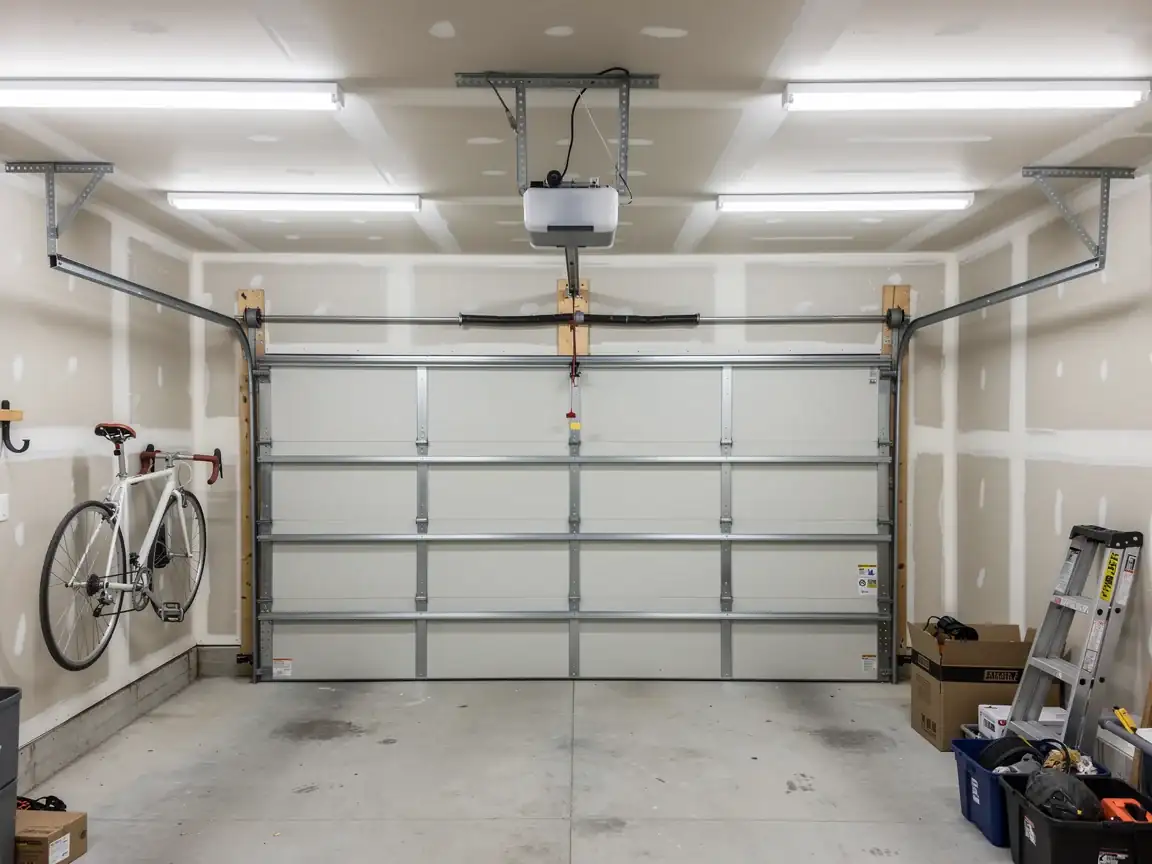
The median home in Riverbank was built around 1996 - close to a decade newer than the 1987 median across the broader service area. That gap changes what we find on a service call. Instead of original one-piece doors on side-mounted hardware from the 1960s, Riverbank houses more often have sectional doors with torsion springs and chain-drive or belt-drive openers from the late '90s or early 2000s. The failure points are different: opener logic boards and circuit sensors age out before the springs do, and nylon rollers from that era tend to crack and chip rather than just squeak. Heat is still the constant across the whole region - our climate band is rated severe for heat exposure - and it dries out lubricant and weatherstripping on any door regardless of build year. On newer Riverbank stock, that heat stress shows up first in brittle plastic idler pulleys and in opener remotes with failing capacitors, not in sagging wood panels like you'd see on an older house.
Where This Job Goes Sideways
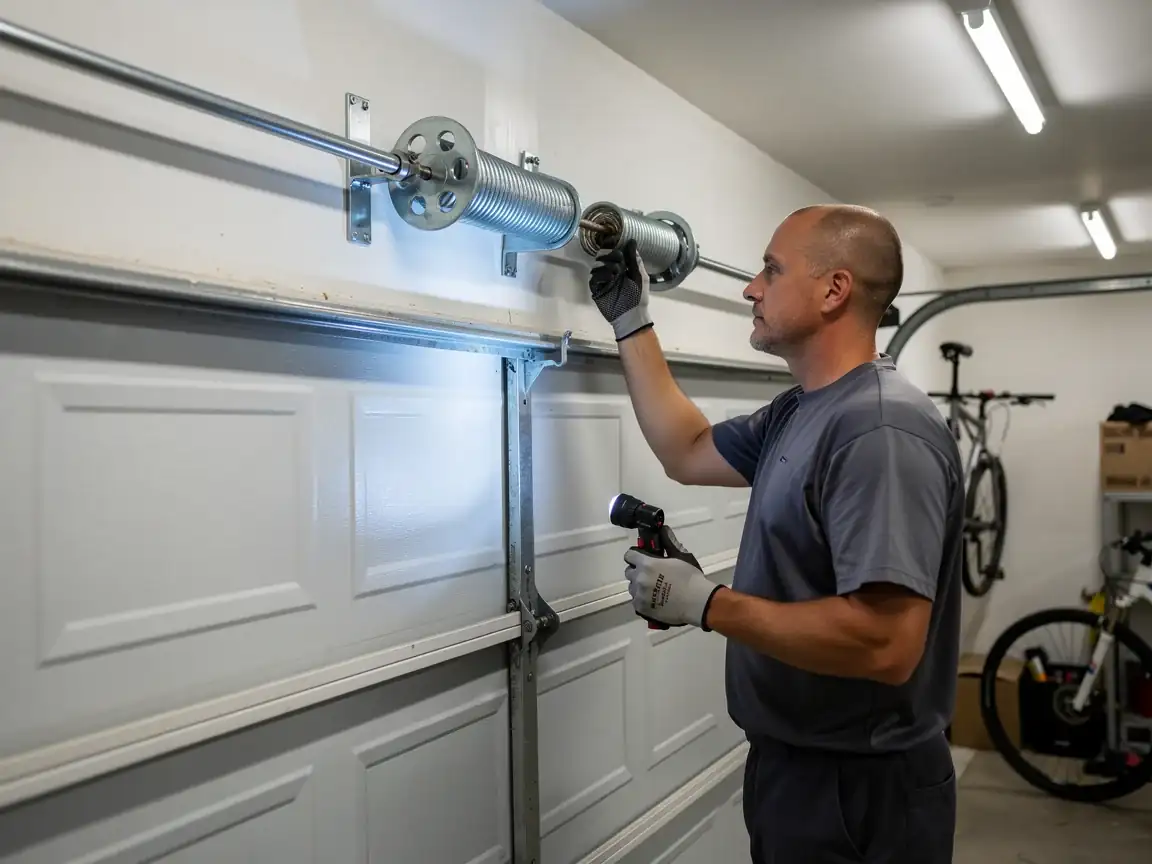
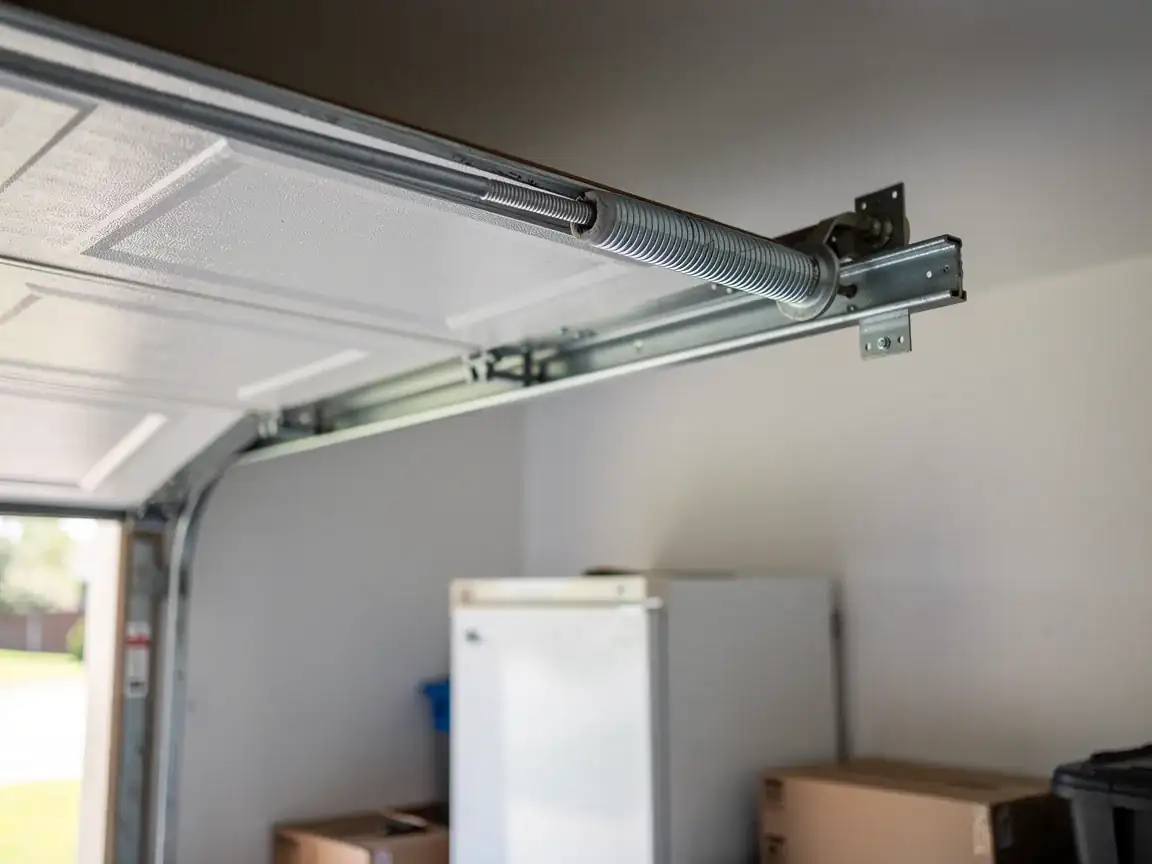
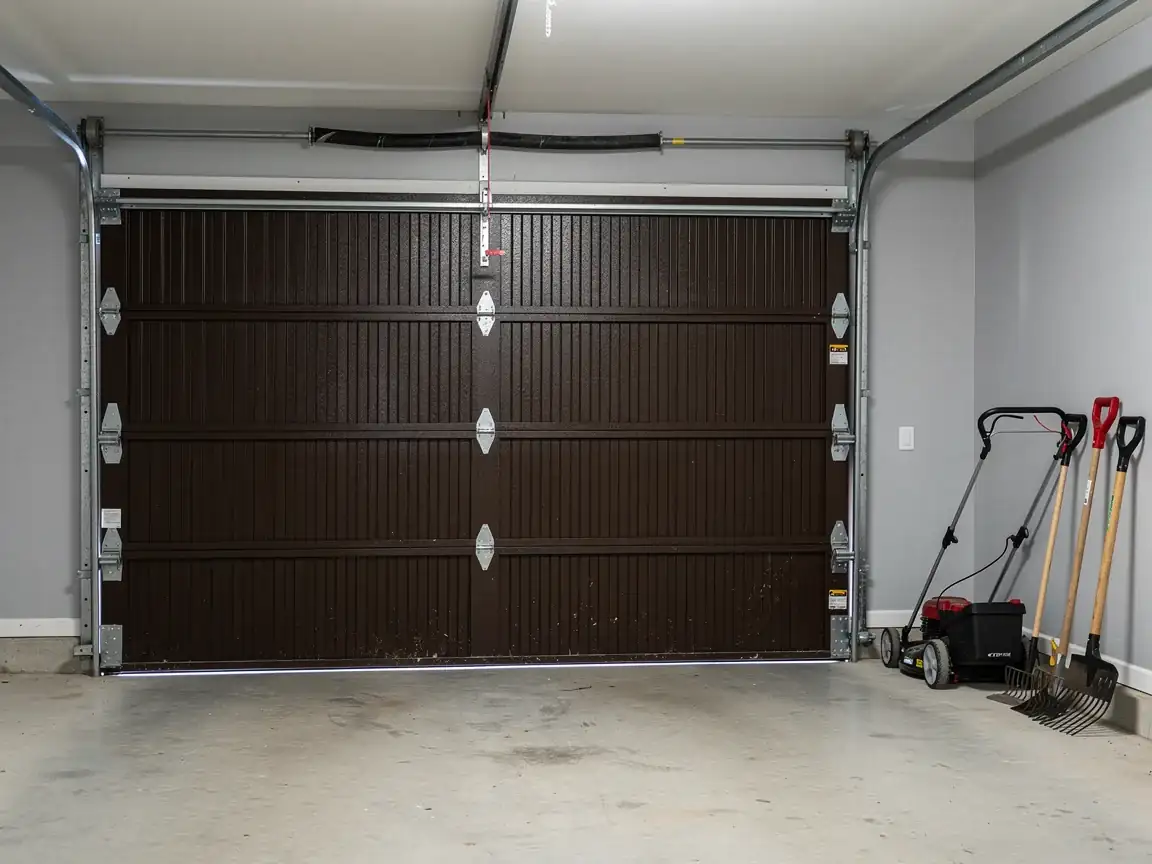
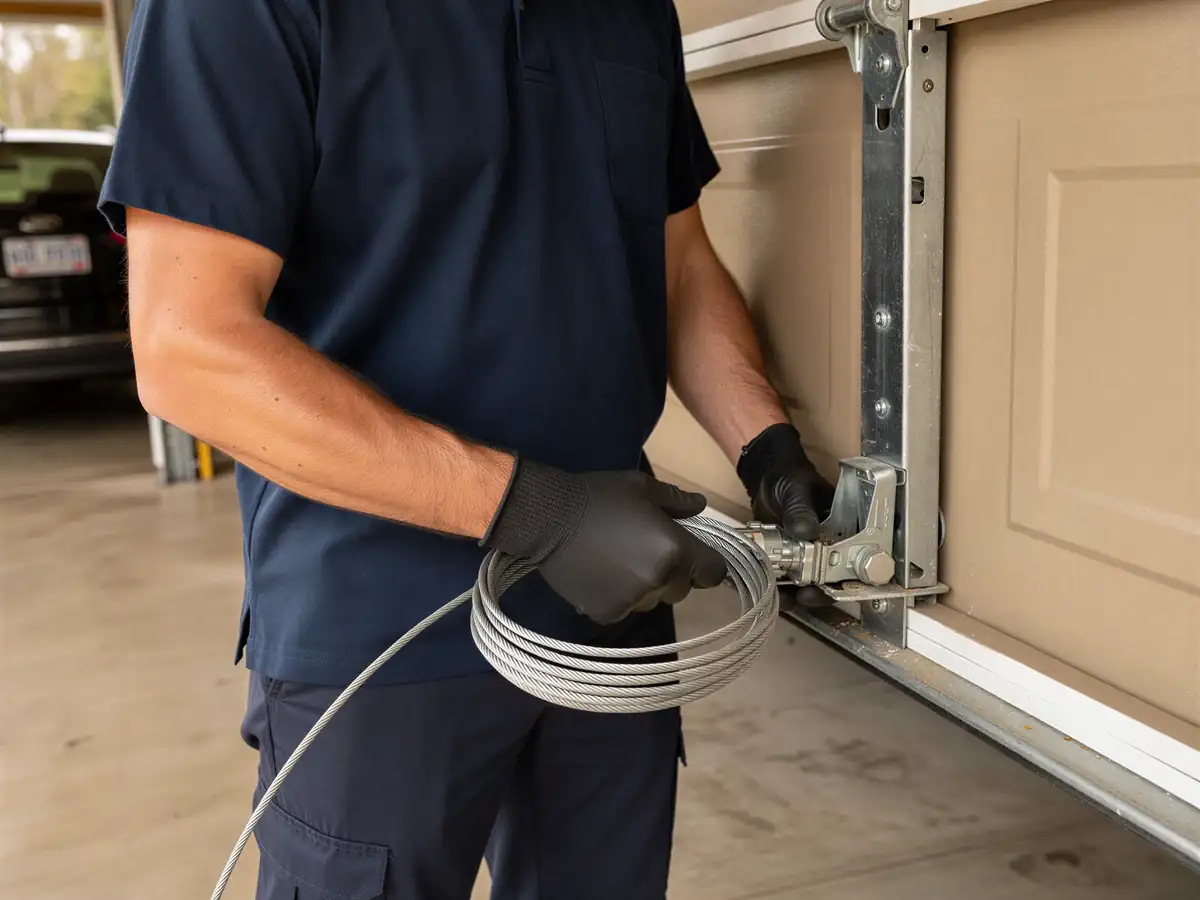
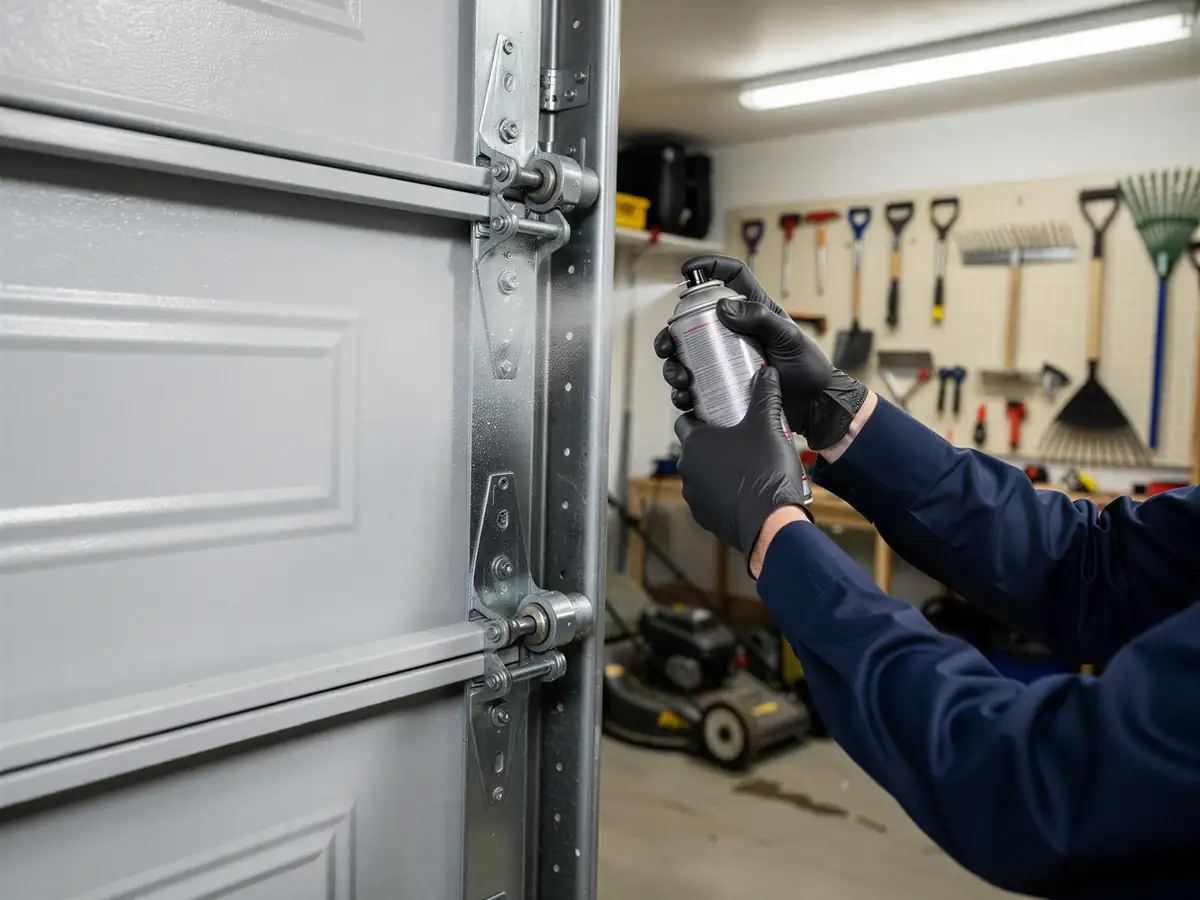
The most common mistake we see on newer doors is skipping maintenance because the door still looks fine. A 1996-era opener can run quietly for years right up until the drive gear strips or a sensor goes out of alignment, and by then it's often an after-hours call instead of a scheduled one. Another spot where it goes wrong: homeowners spray standard WD-40 on tracks and springs, which attracts dust and grime instead of lubricating properly - we use a silicone-based lubricant made for garage door hardware. Spring tension is the one we won't let a homeowner touch. A torsion spring under load can cause serious injury if it releases wrong, and that's not a job for a ladder and good intentions. If a spring looks worn or a cable is fraying, that's a call, not a DIY afternoon.
The DIY Question
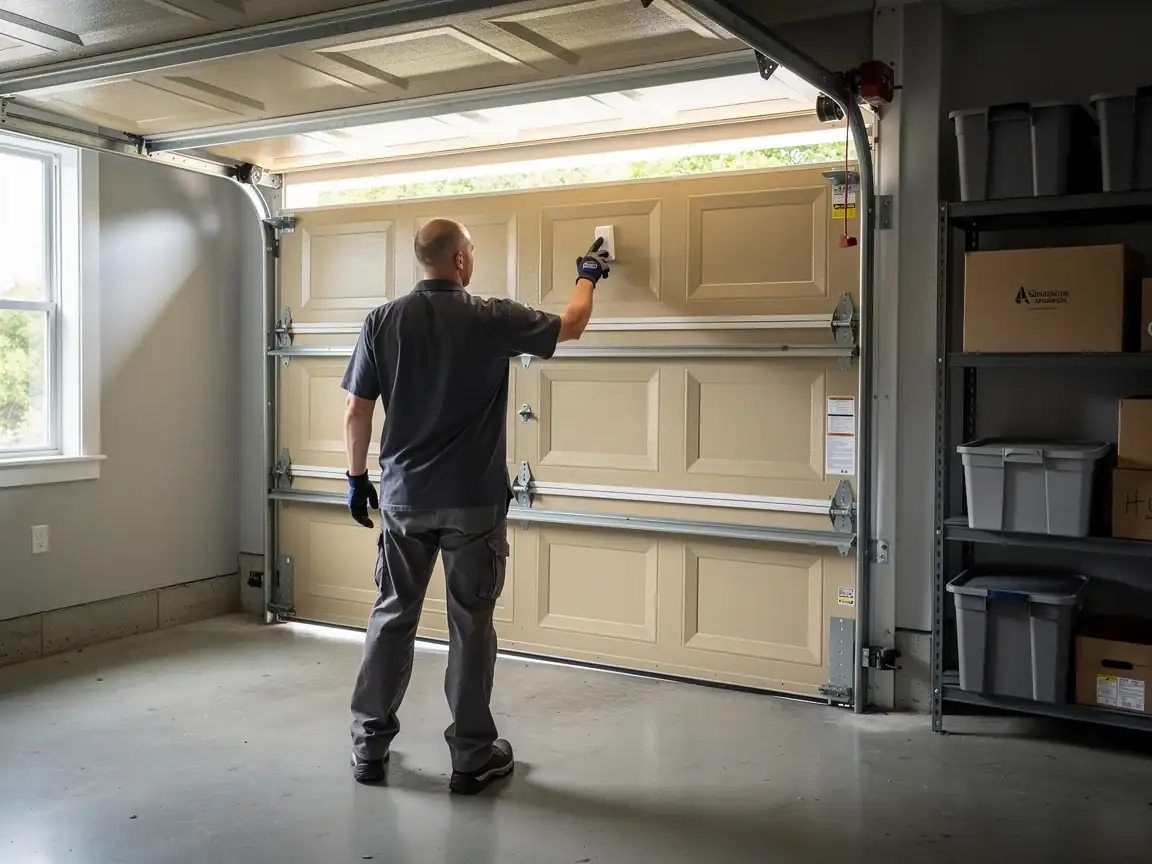
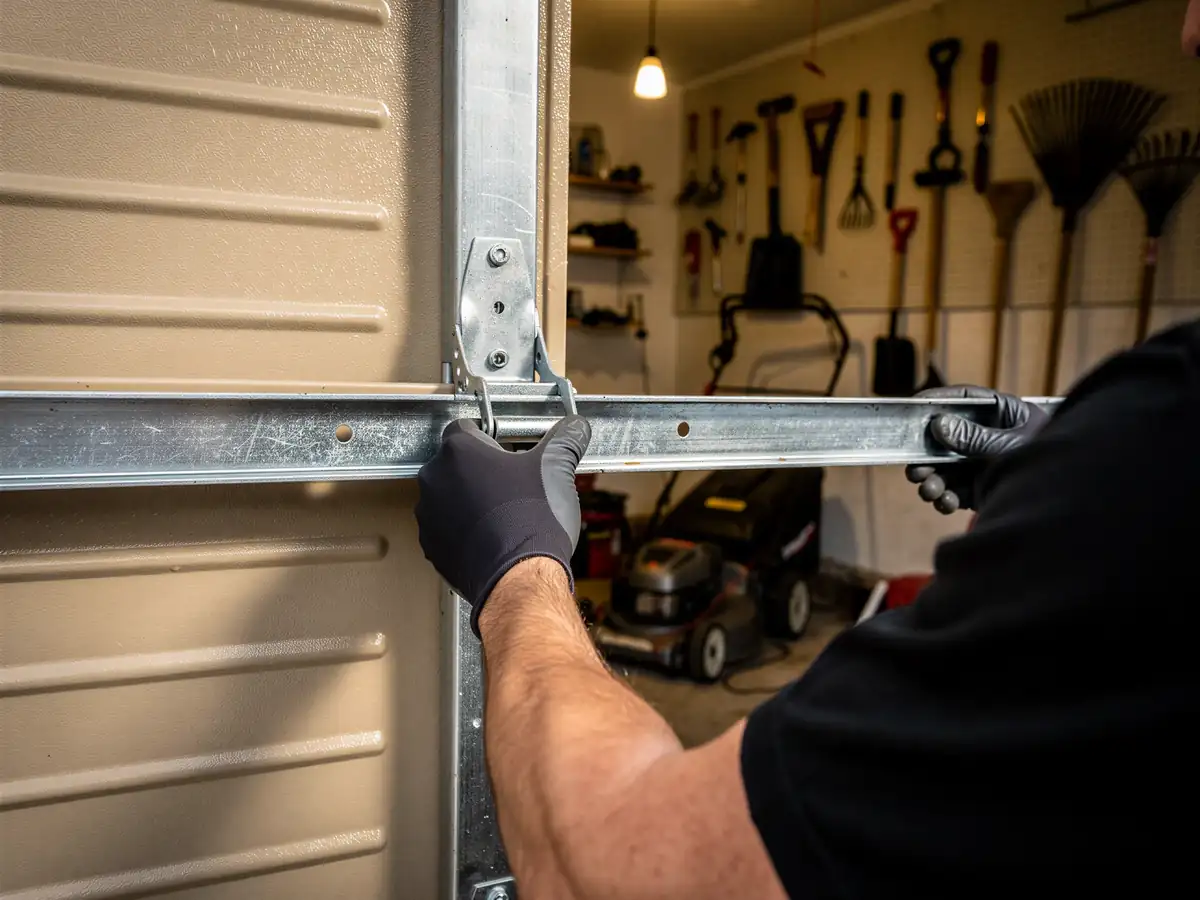
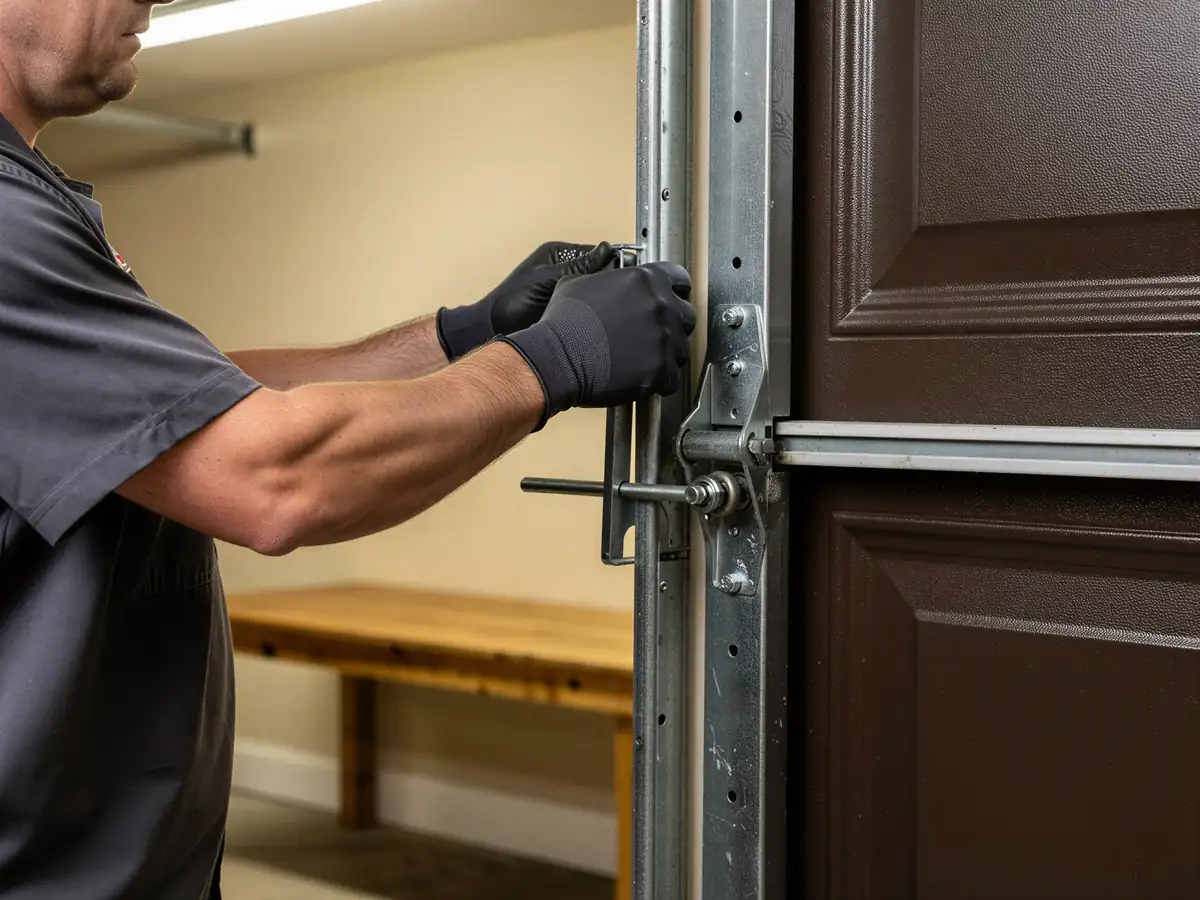
Plenty of upkeep is fair game for a homeowner: wiping down tracks, checking that the weatherstripping on the bottom panel still seals, tightening visible bolts, and testing the photo-eye sensors by waving a broom handle through the beam while the door closes. What we don't recommend doing yourself is anything involving the torsion spring, the cables under tension, or the opener's internal gearing - on a door from the mid-to-late '90s, those parts are often original and more worn than they look. If your opener is from that era and starting to strain, cycle slower, or make a new noise, that's usually cheaper to replace outright than to keep patching, especially given how parts availability for 25-plus-year-old openers has thinned out. We'll tell you straight when a repair isn't worth it instead of billing for one that won't hold.