What the Fix Involves
Riverbank's housing stock centers on 1996
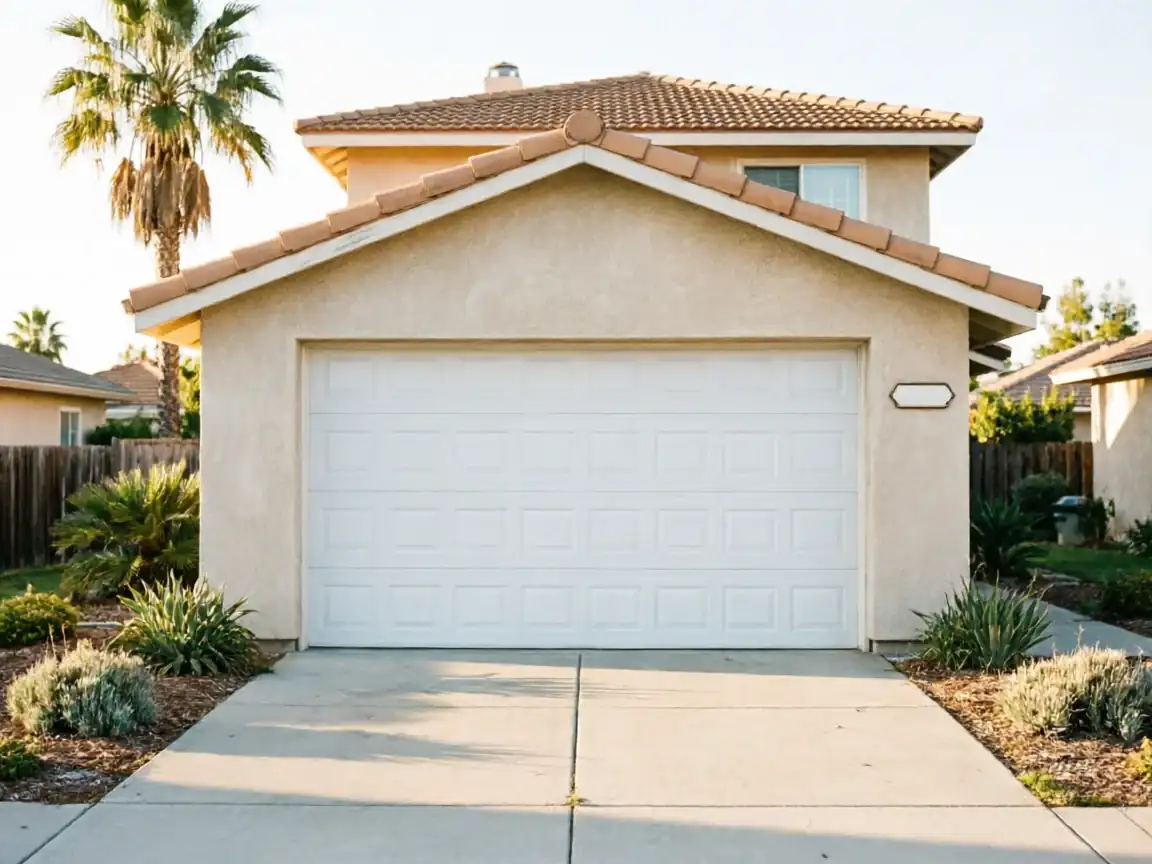
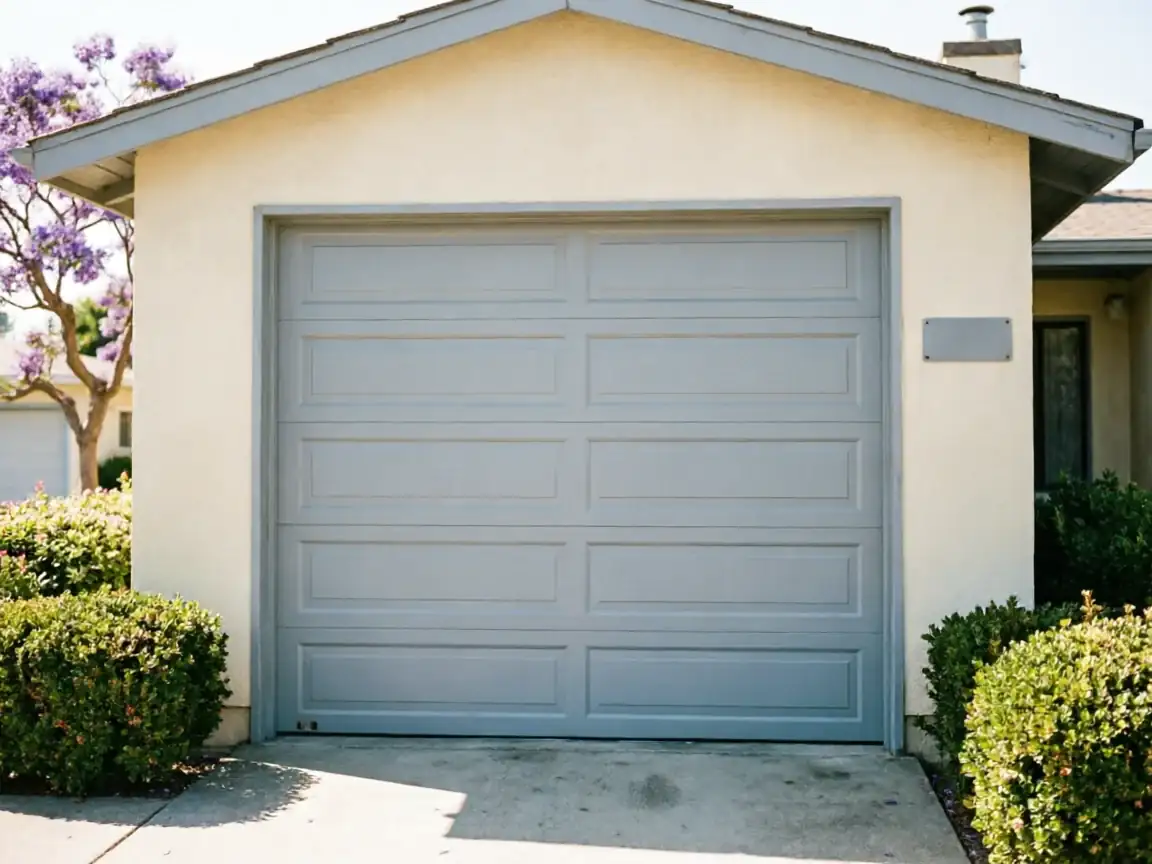
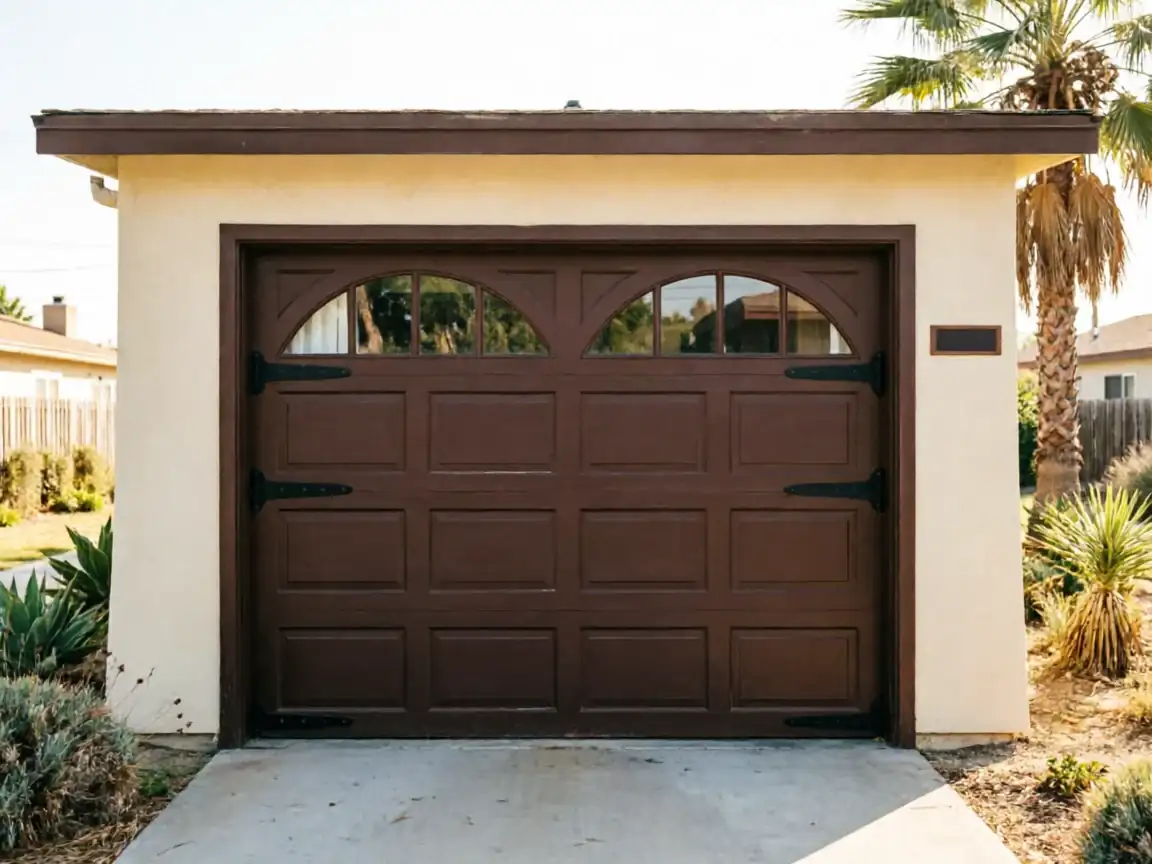
Close to a decade newer than the 1987 median across the rest of the service area we cover from Modesto. That matters for panel work because doors from this era mostly sit in the gap between old raised-panel steel and the foam-insulated sectional doors that came later. A lot of them have a single layer of steel over a thin foam core, which looks fine from the driveway but doesn't hold a screw once the metal starts to fatigue around the hinge holes.
The fix itself is straightforward on paper
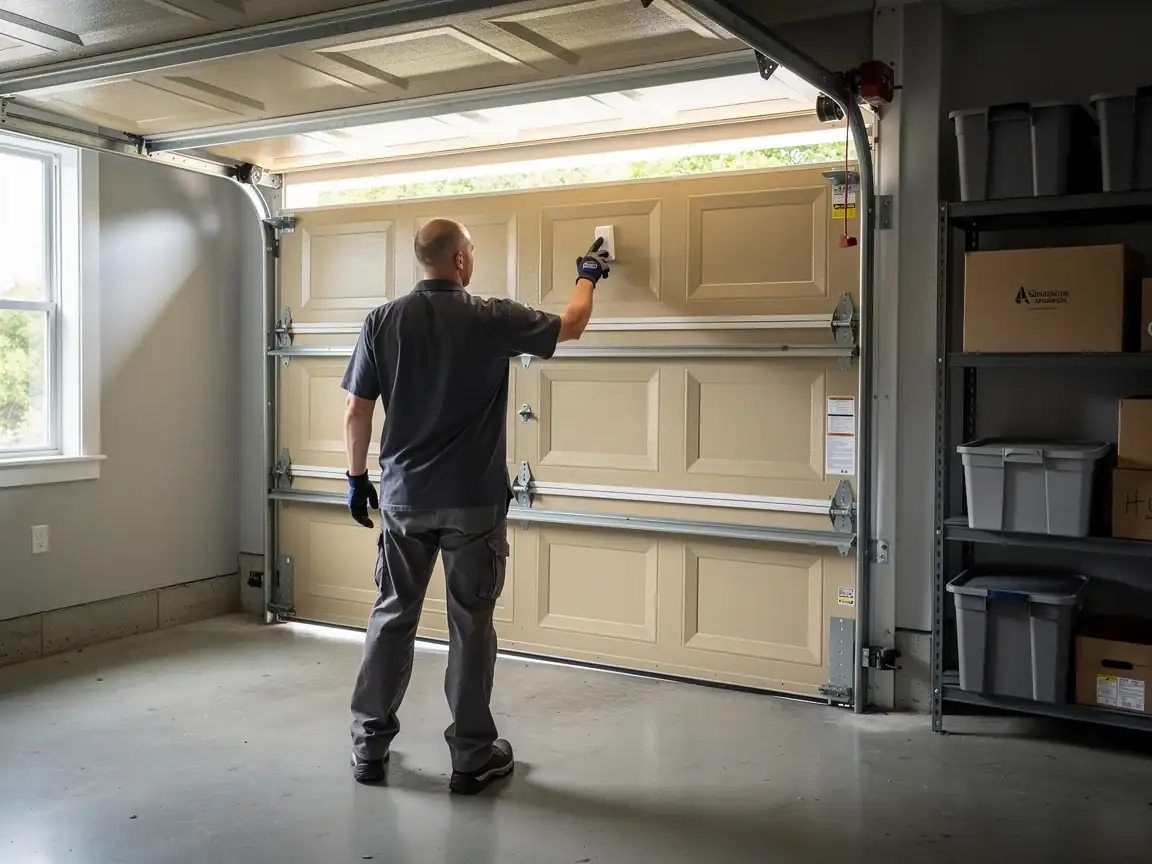
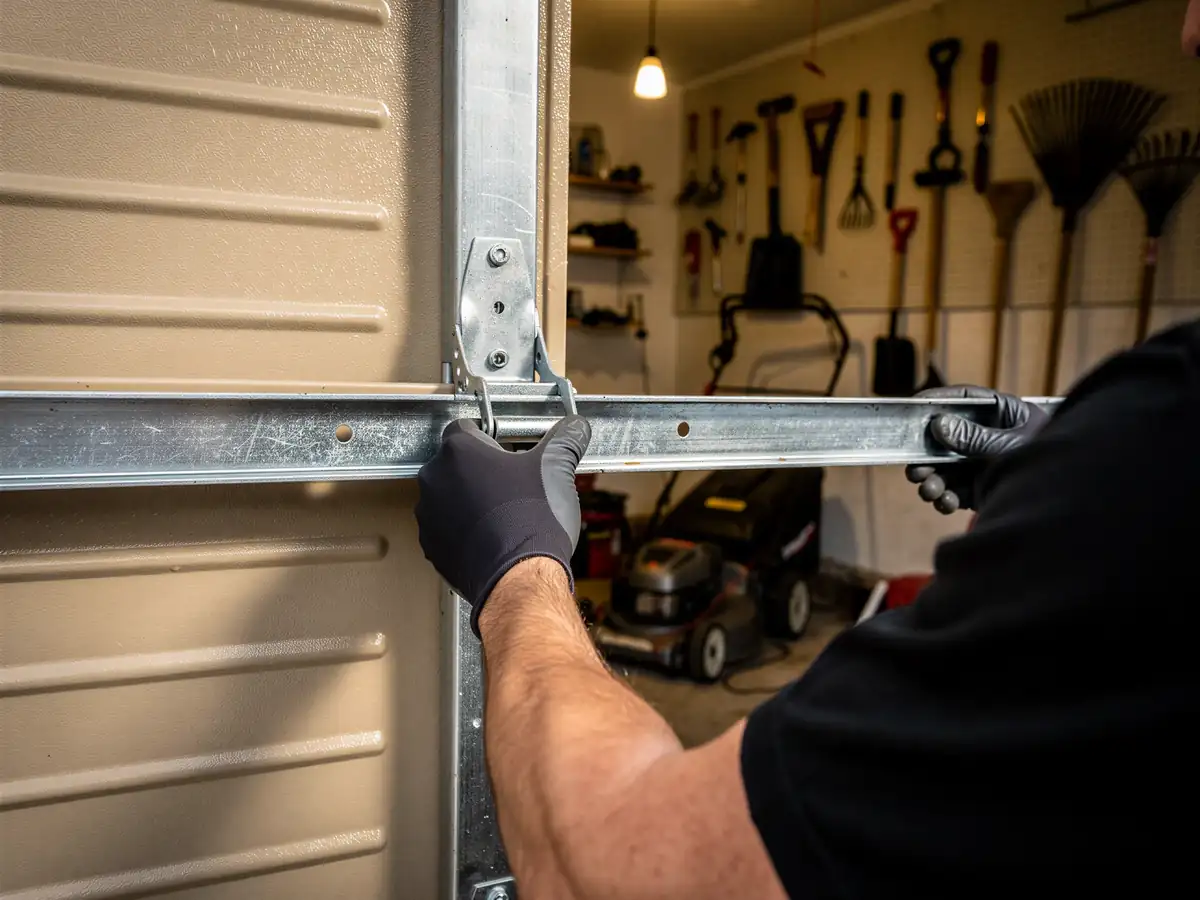
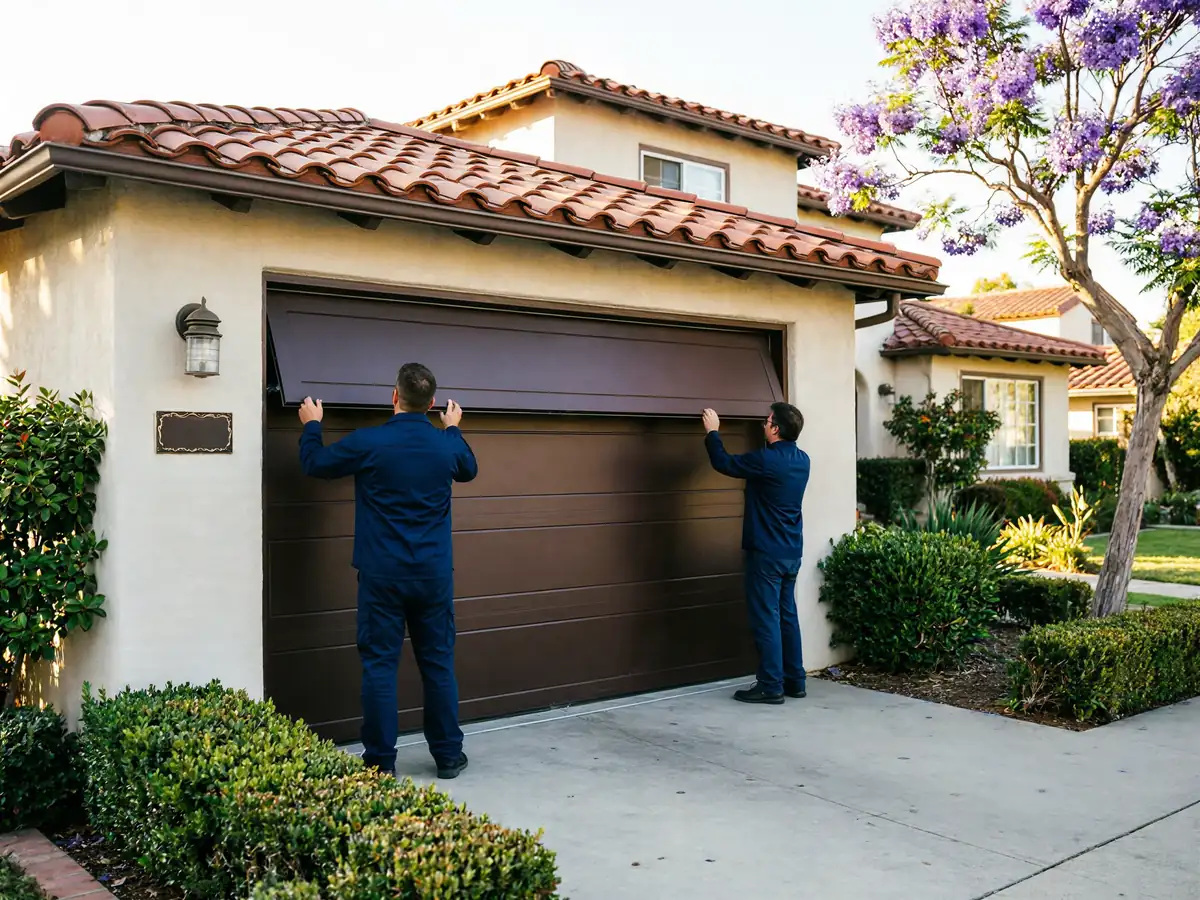
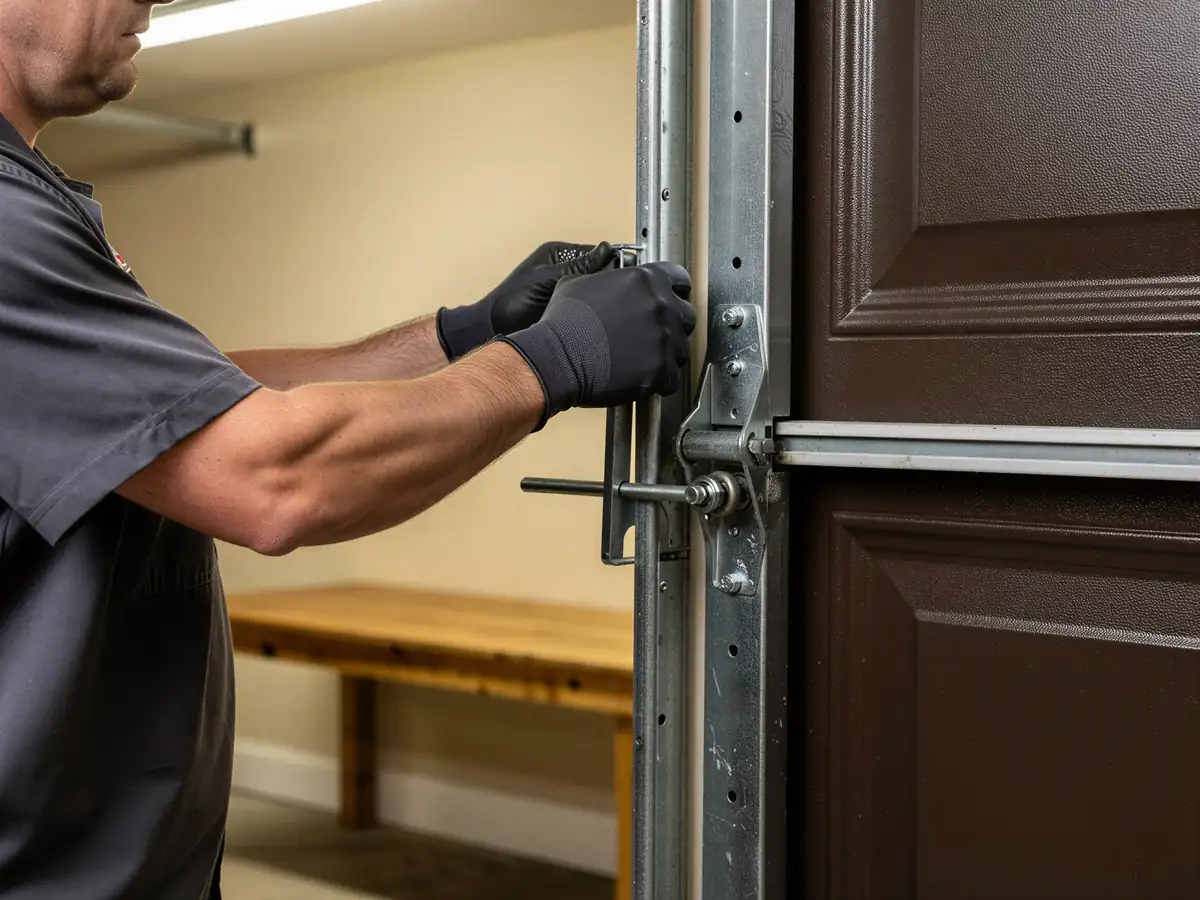
Unbolt the damaged section, match the panel run, swap it, rehang the hinges, and check the door still tracks square. Where it gets harder is sourcing a panel that matches the embossing and the exact section height on a door that's roughly 30 years old. We measure the full section before we order anything, because a close match that's off by even a half inch of panel height throws the whole door out of alignment once it's reassembled.
- 30 years
Why It Happens Here
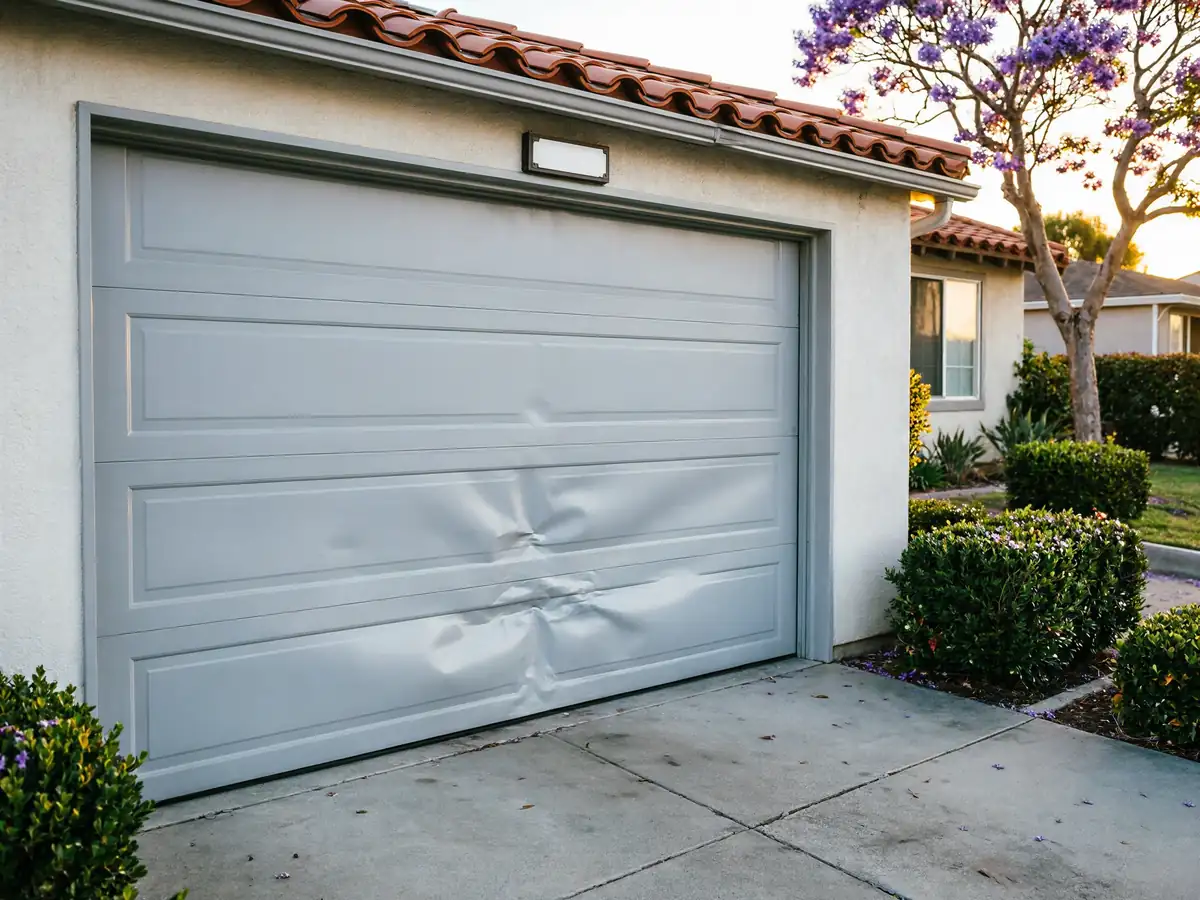
Doors built around 1996 in Riverbank used lighter-gauge steel than what's sold today, and this region's heat band runs severe, which means that steel spends a lot of summer afternoons expanding and contracting against the frame. Over enough cycles the panel seams work loose, the foam backing separates from the steel skin, and you get a bottom panel that bows out at the center even though nothing hit it.
The other pattern we see in Riverbank specifically is a single mismatched panel from a prior repair. With 7,266 households in town, a fair number of these doors have had one panel swapped at some point without matching the original run, so the door has one section a shade different in color or embossing from the rest. It still opens and closes, but it's the kind of thing a buyer notices during a sale, and it's usually cheaper to replace the whole door at that point than to keep hunting for a matching single panel.
Where This Job Goes Sideways
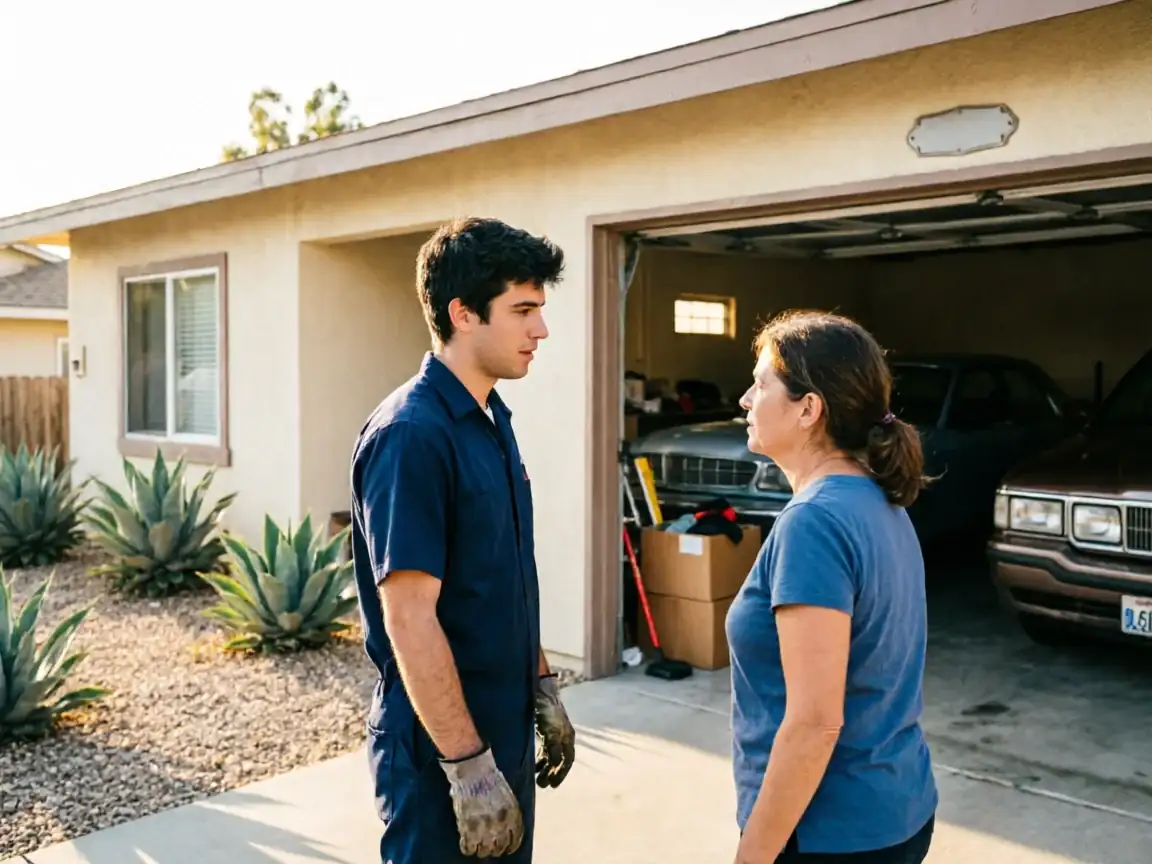
The job gets complicated when the door is old enough that the manufacturer doesn't make that panel profile anymore. On a 1996-era door, that's a real possibility, and when it happens you're choosing between a visibly mismatched replacement panel and a full door swap. We'll tell you straight which one makes sense rather than quoting a patch job that won't look right in five years.
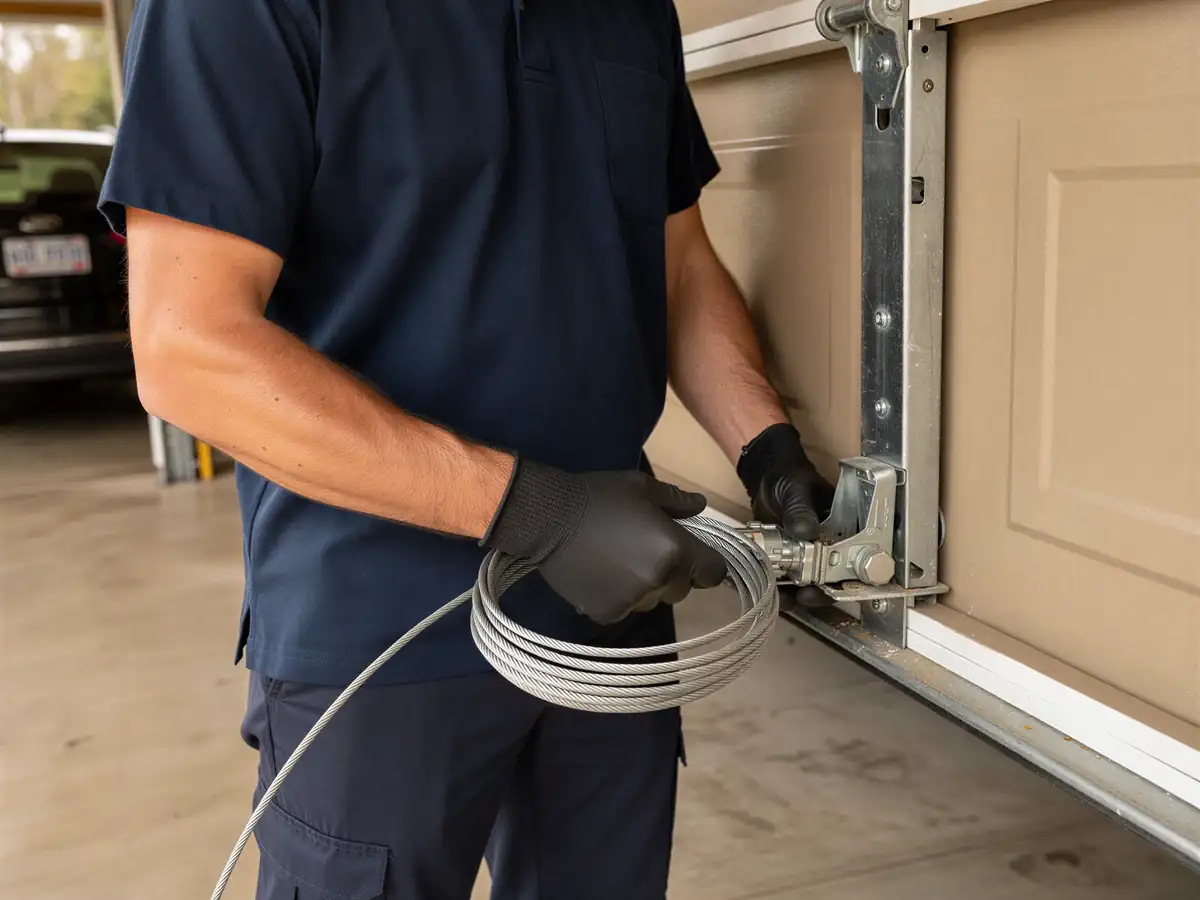
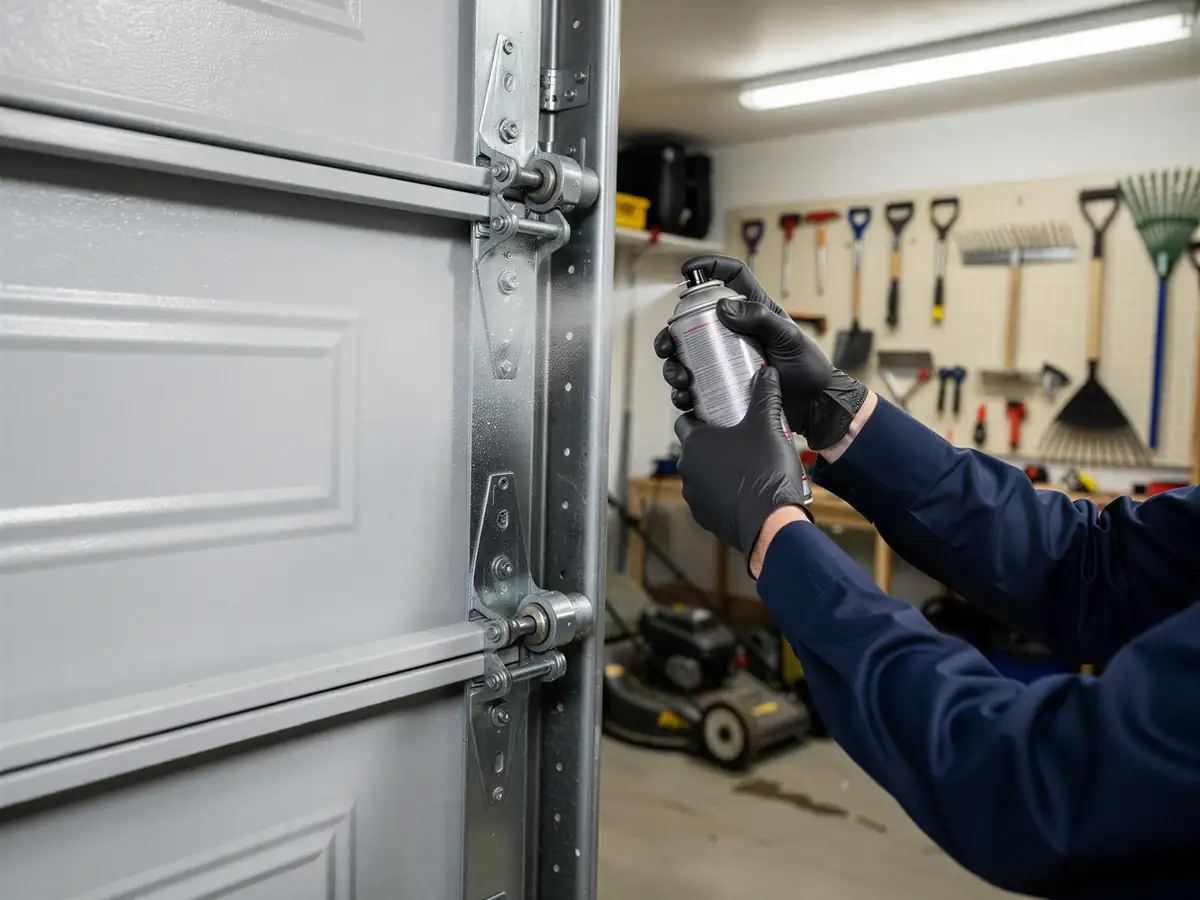
It also goes sideways when a homeowner wants just the panel fixed but the track or the rollers are what actually caused the dent in the first place. If a roller has seized and the panel's been dragging against the track edge for months, swapping the panel without fixing the roller just buys you another dent in the same spot. We check the track and hardware before we touch the panel, because replacing steel and leaving the real cause in place is a waste of your money.
The DIY Question
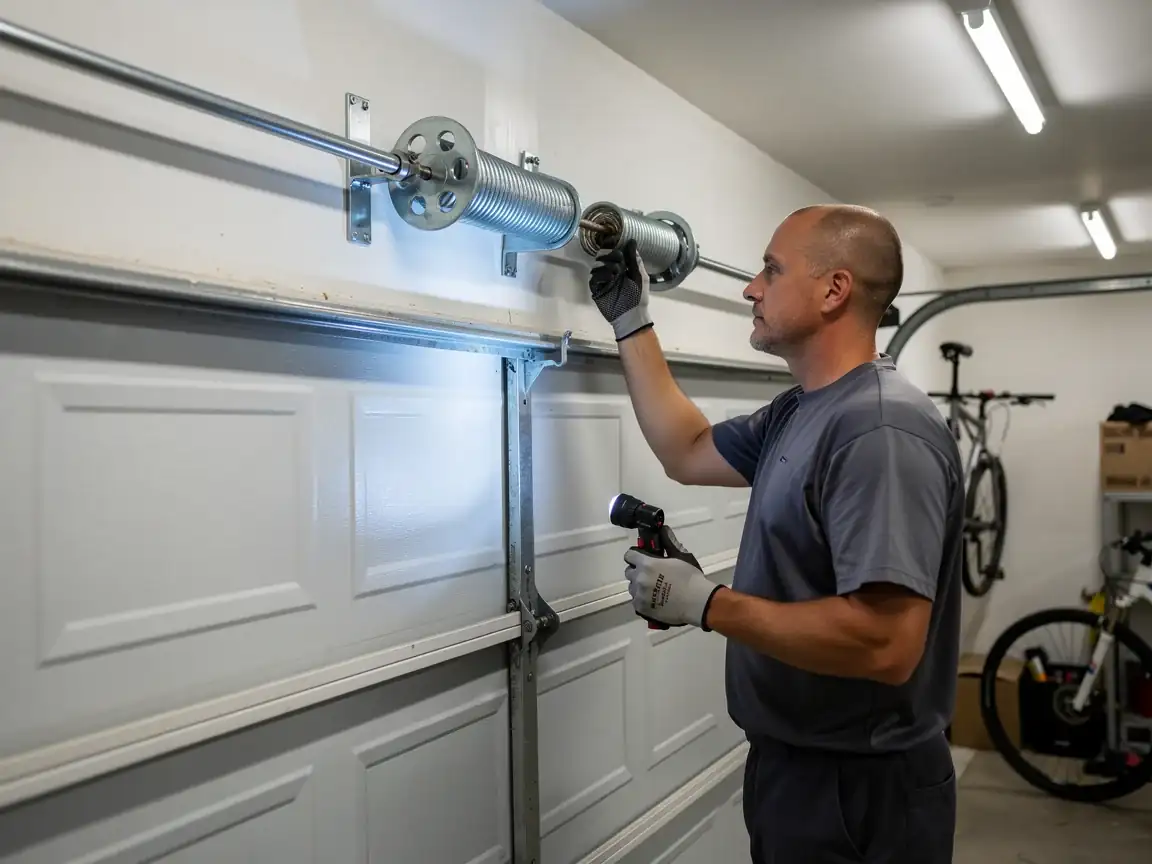
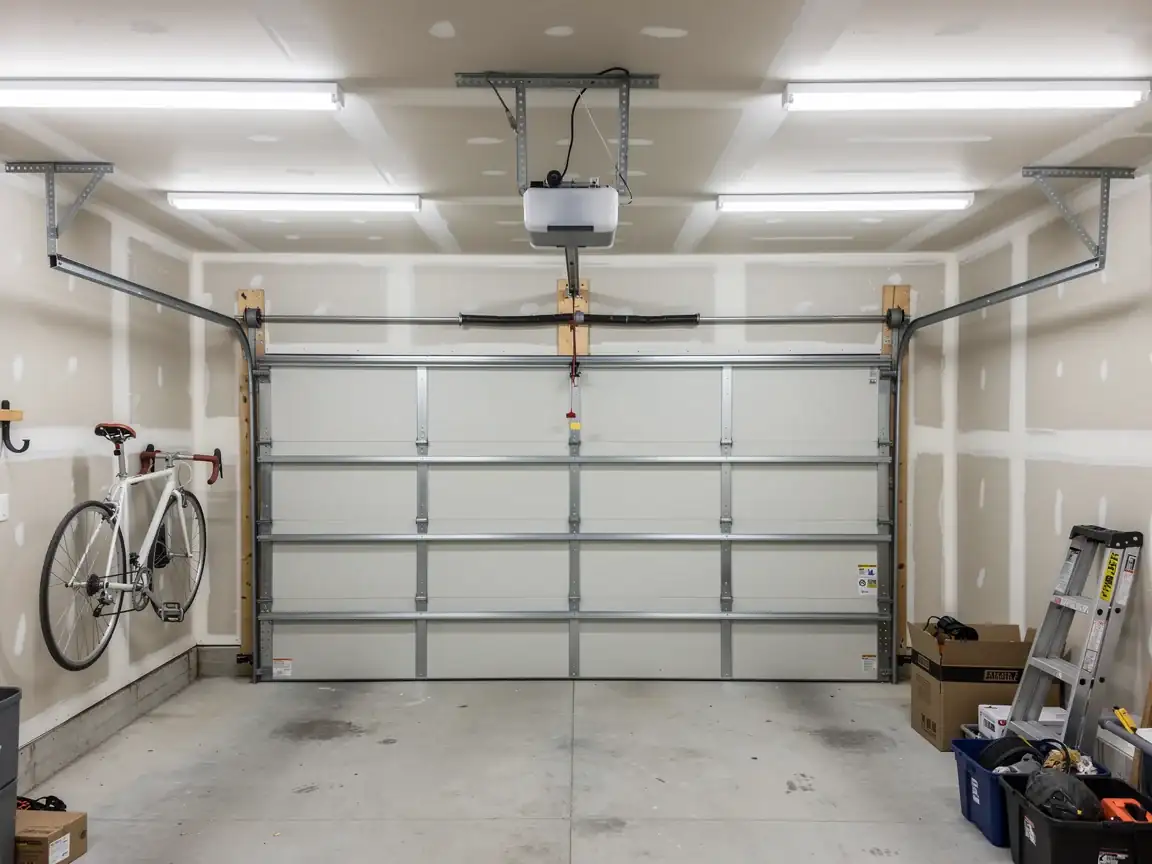
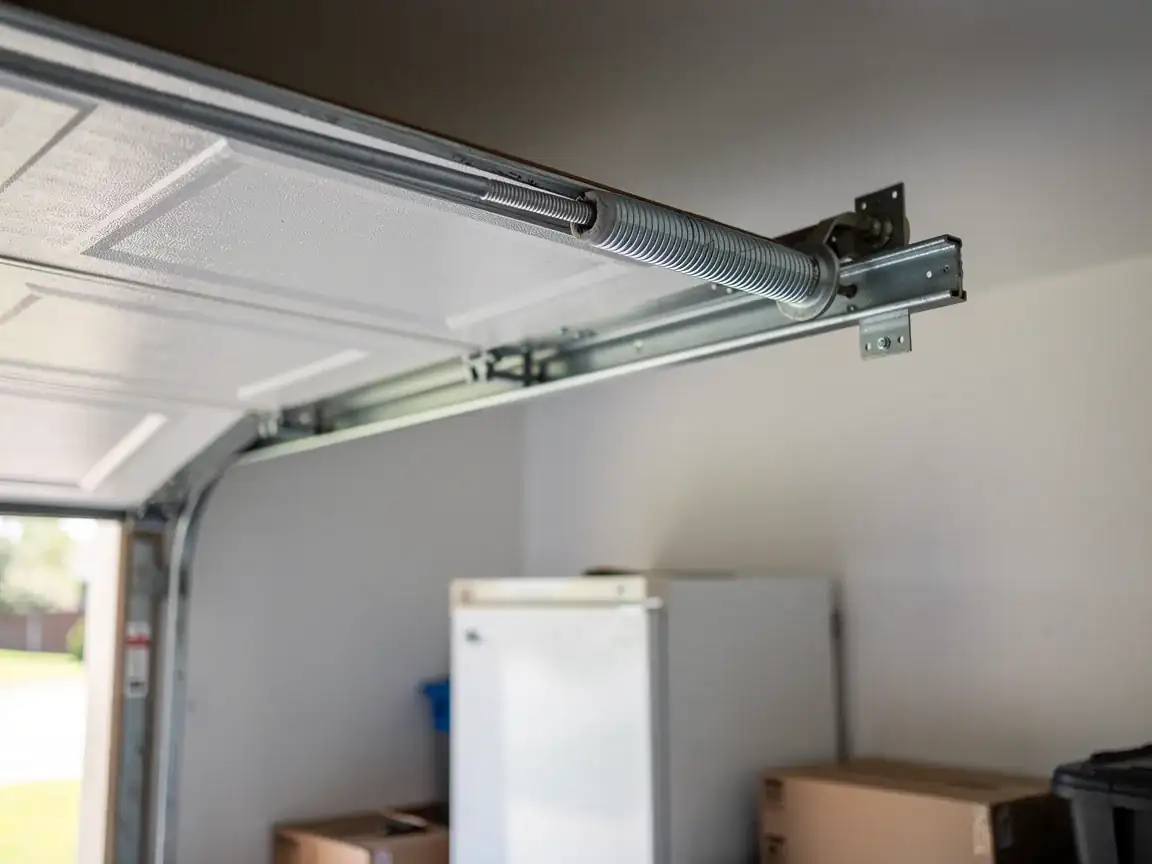
Swapping a single garage door panel yourself is possible if the door is a common size and the replacement panel is still in production, but on a door built around 1996 that's not a safe assumption. You also need to disconnect the torsion spring tension correctly before you pull the old panel loose, and that's the step that sends people to the ER, not the bolts.
If your household income lets you weigh cost against time the way a lot of folks in Riverbank do, the honest math is this: a bottom panel replacement is usually worth doing yourself only if you've done one before and you already own a winding bar. Otherwise the labor cost buys you a door that's still square and springs that are still attached to your hands. We'd rather talk you through whether it's a panel job or a full-door job before you buy parts than fix a DIY attempt afterward.